Why Waveform Quality Determines Inverter Performance
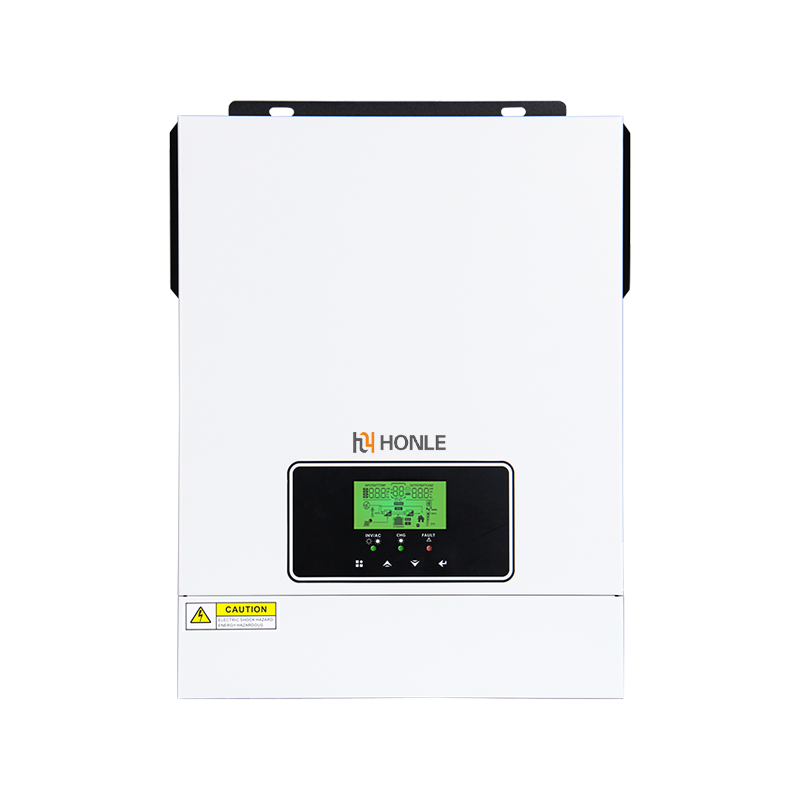
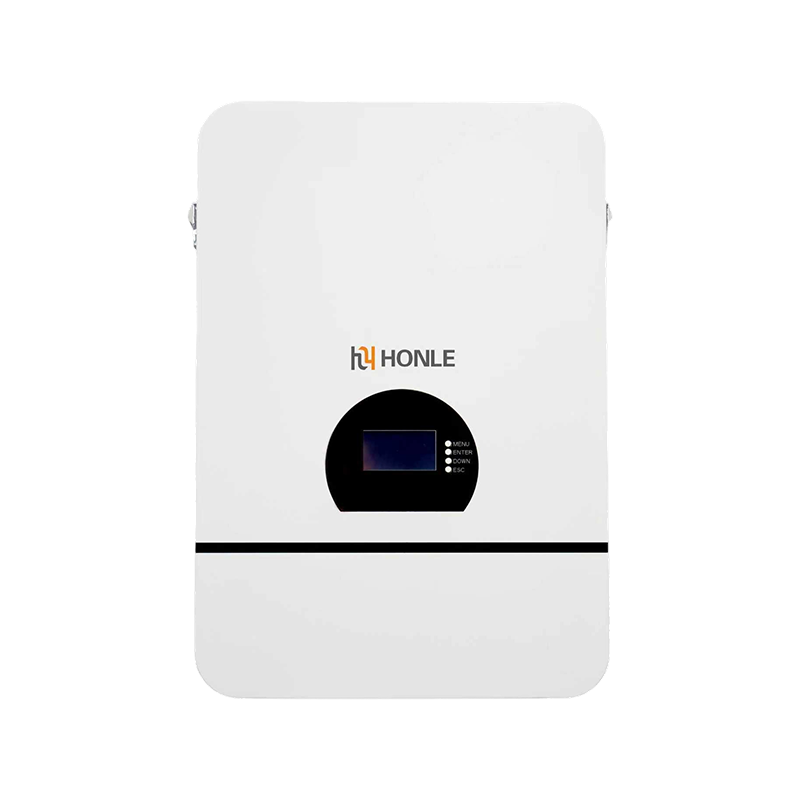
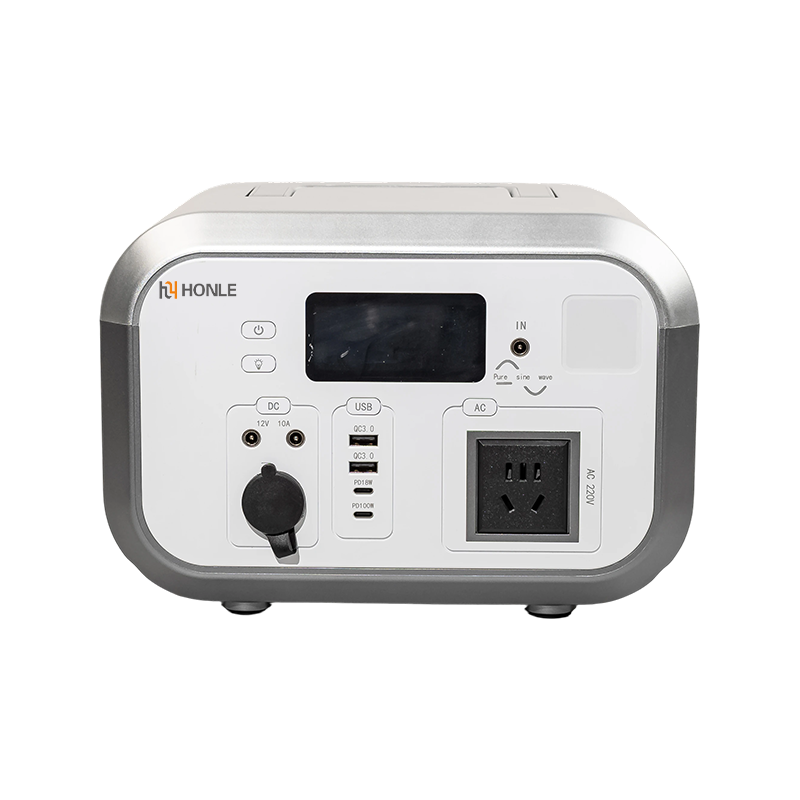
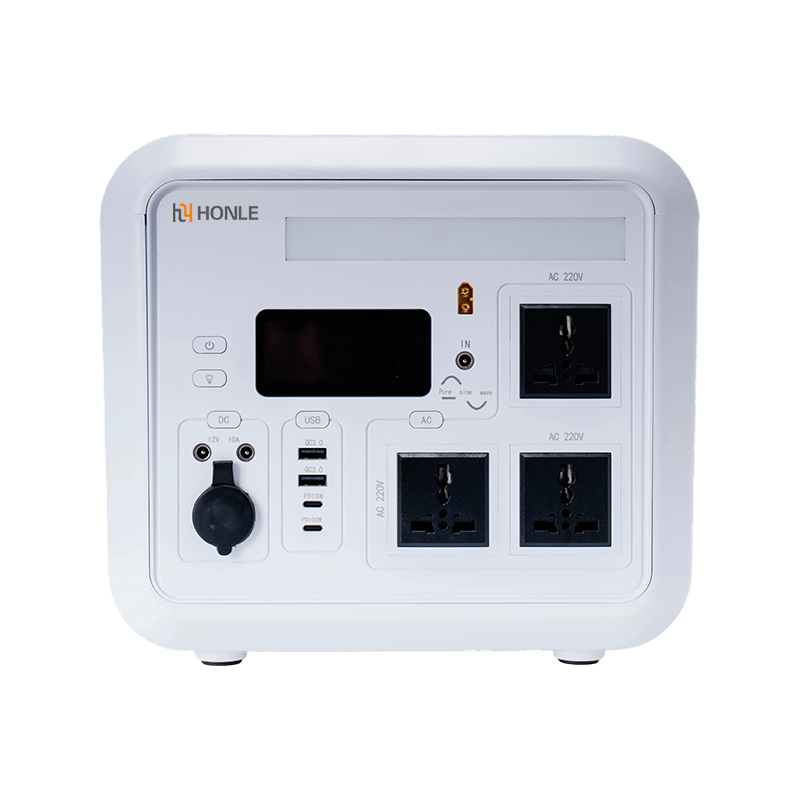
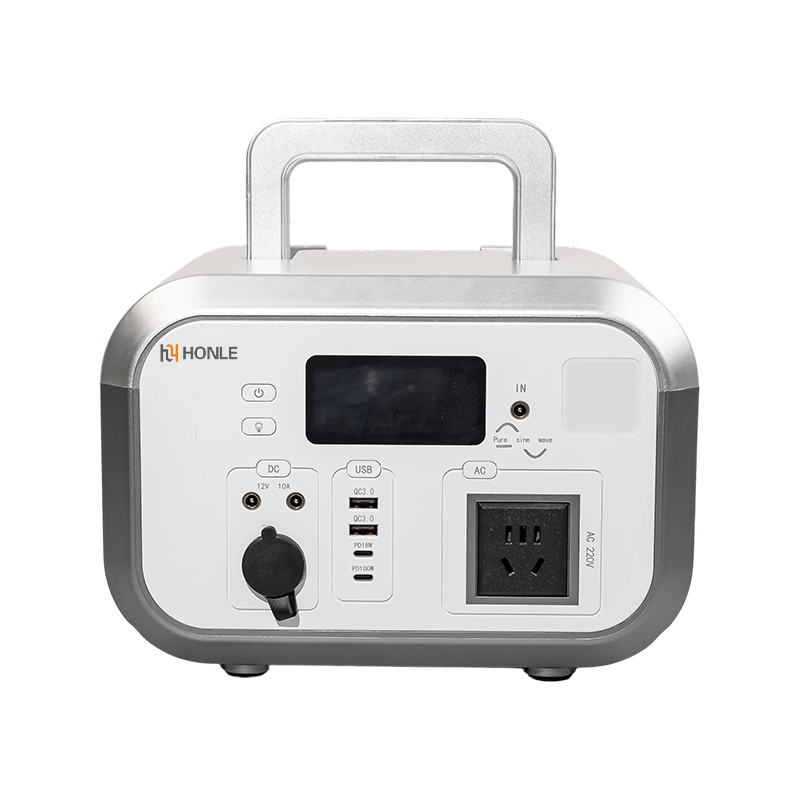
At Honle New Energy, we often remind installers that not all AC output is created equal. A modified square wave signal may power basic resistive loads, but it introduces harmonic distortion that causes audible humming in motors, reduced efficiency in transformers, and premature wear on sensitive electronics. A properly designed Pure Sine Wave Inverter replicates the smooth, continuous waveform delivered by utility grids, which is why it has become the default choice for medical equipment, precision instruments, and modern appliances with variable-speed motors.
Total Harmonic Distortion (THD) is the metric that separates entry-level units from industrial-grade equipment. Quality inverters typically hold THD below 3%, closely matching grid-supplied power, while lower-cost alternatives can exceed 20%, risking compatibility issues with laptops, LED drivers, and inductive loads such as compressors or pumps.
For off-grid households and commercial sites in markets with unstable utility infrastructure, waveform quality also affects long-term equipment lifespan. Refrigeration compressors and air conditioning units, for example, run measurably cooler and quieter on clean sine wave output, reducing maintenance frequency over a multi-year deployment.
Topology Choices: Central, String, and Hybrid Configurations
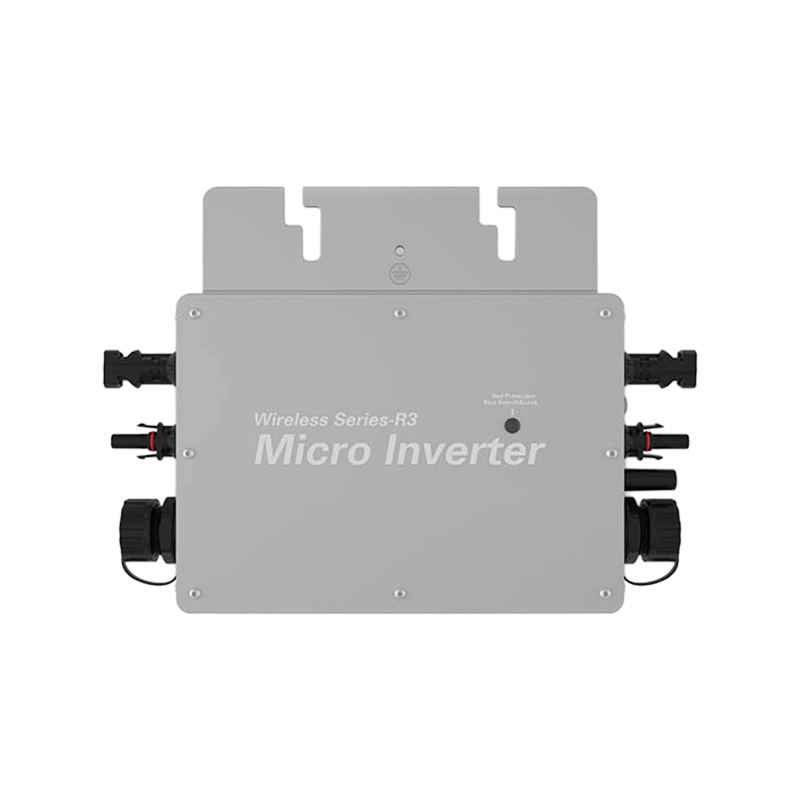
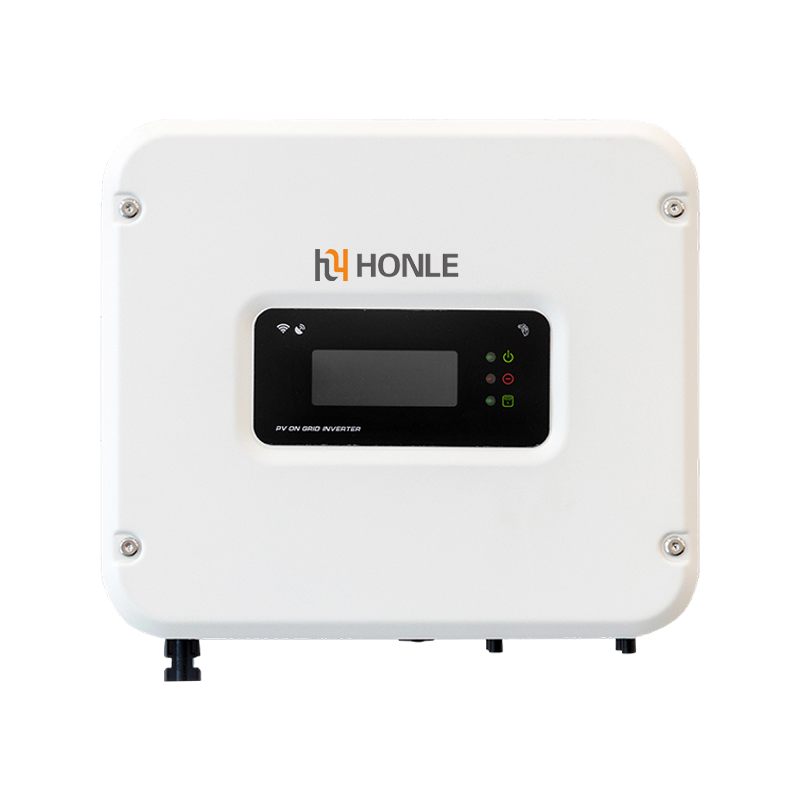
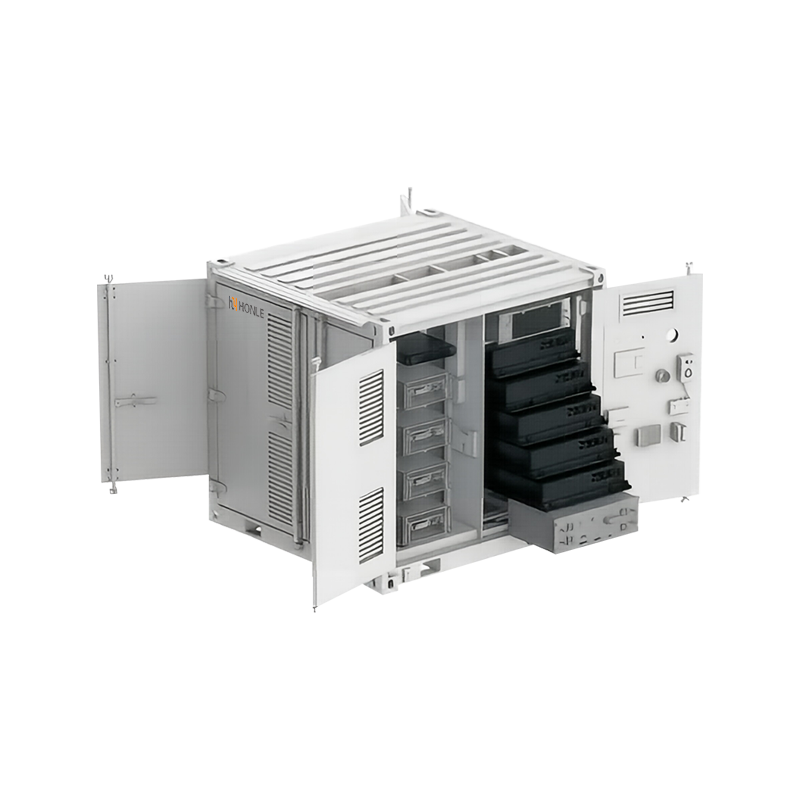
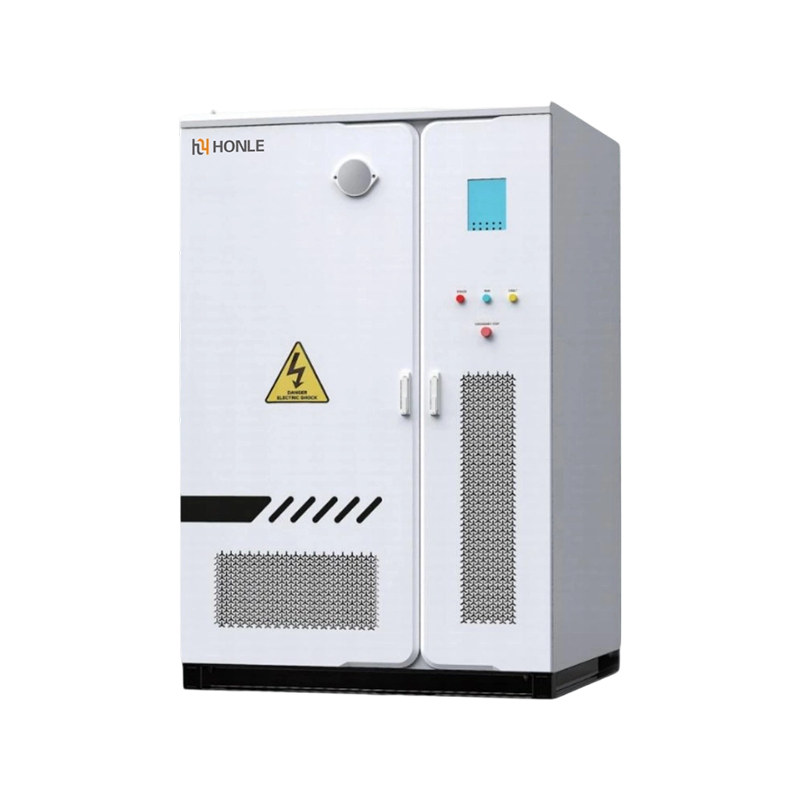
Selecting the right conversion architecture shapes system efficiency for years to come. A central topology consolidates conversion at a single large unit, favored in utility-scale installations for lower per-watt cost, while string-level designs distribute smaller inverters across panel groups, improving fault isolation and allowing partial shading on one string without collapsing total output.
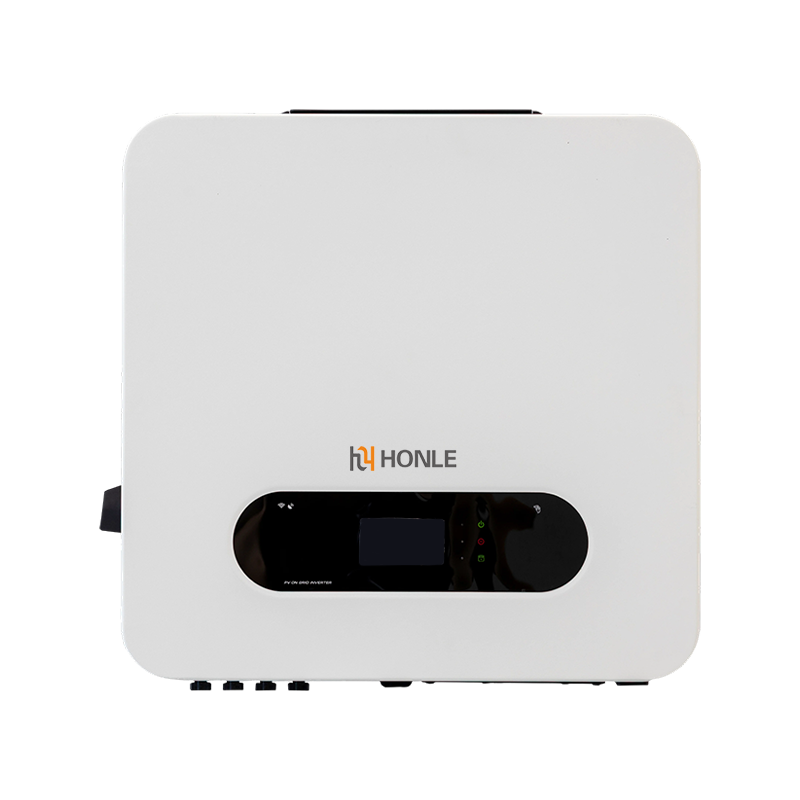
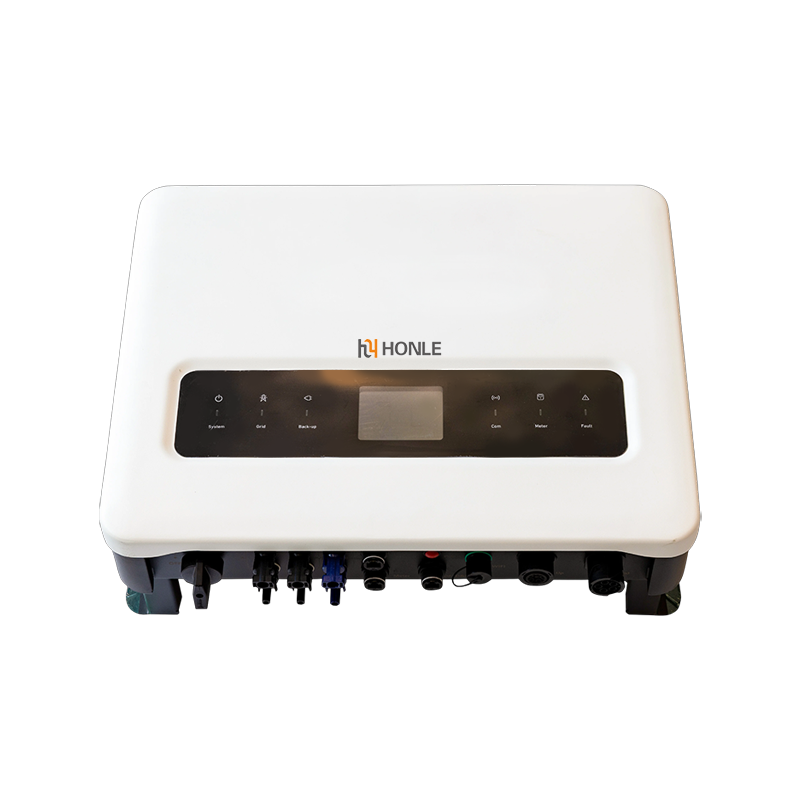
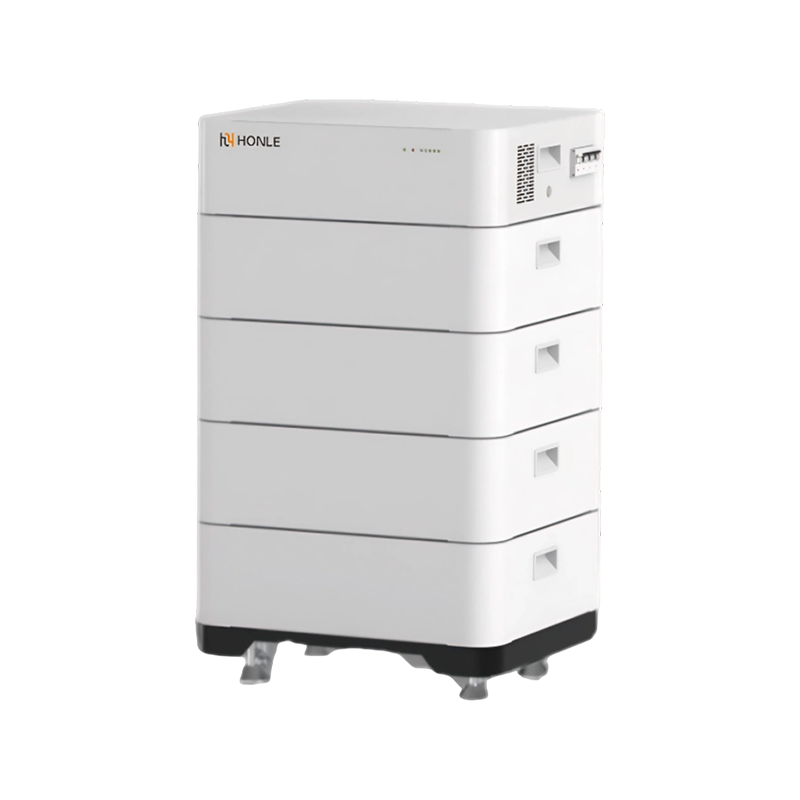
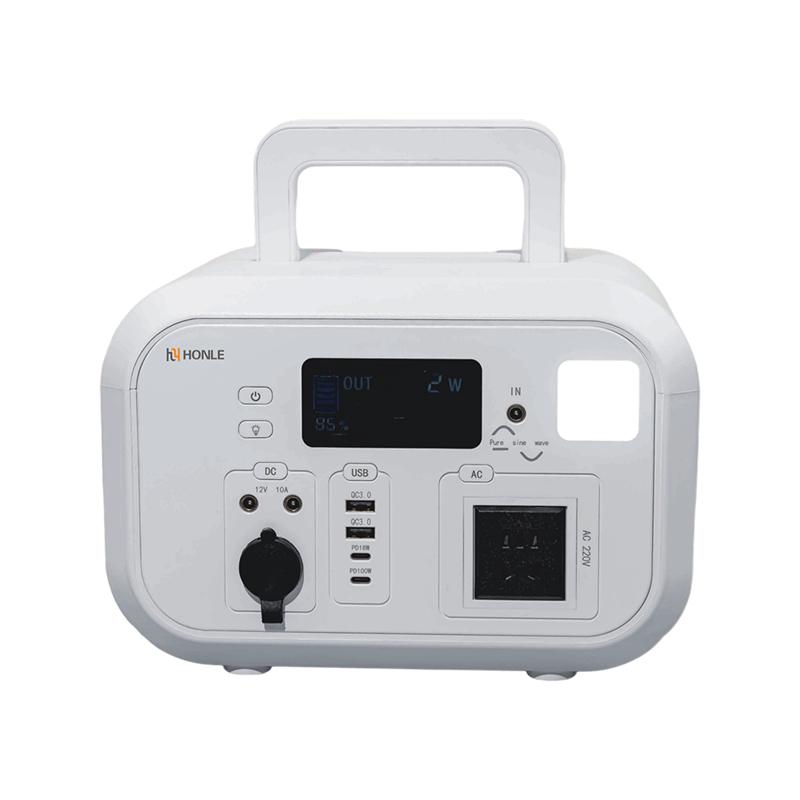
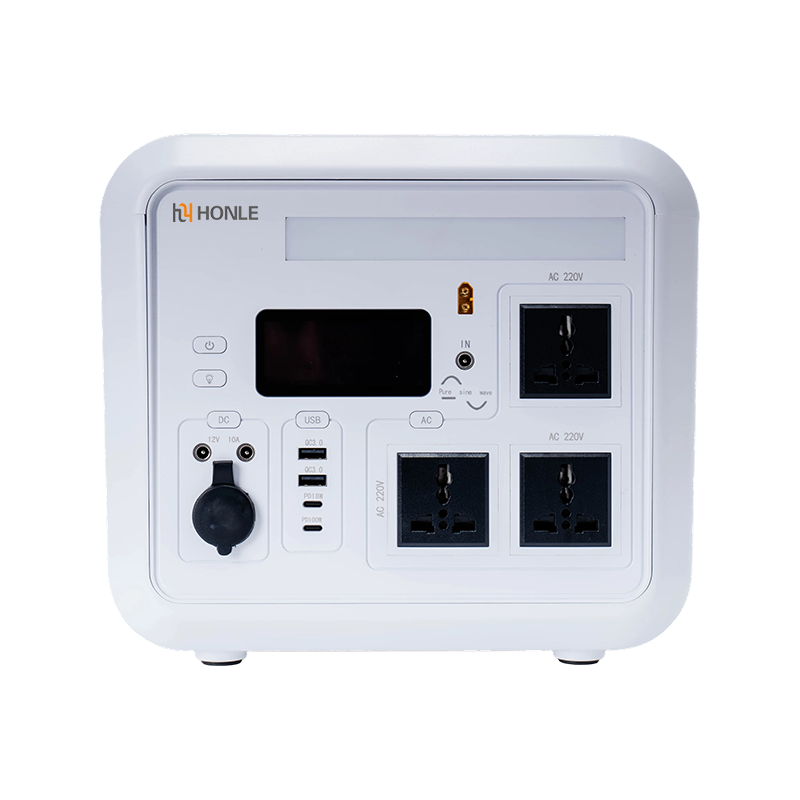
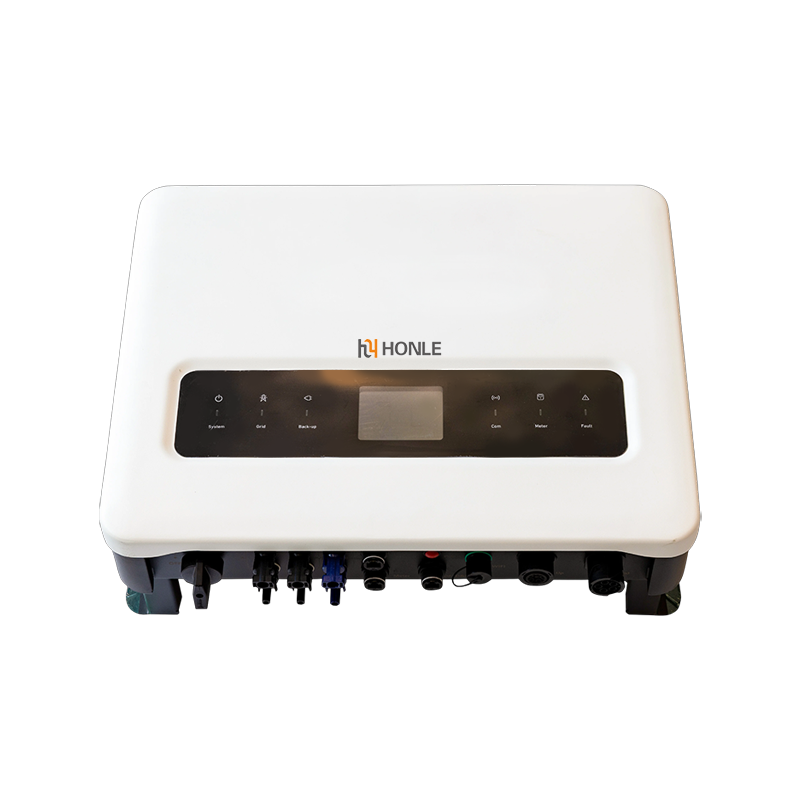
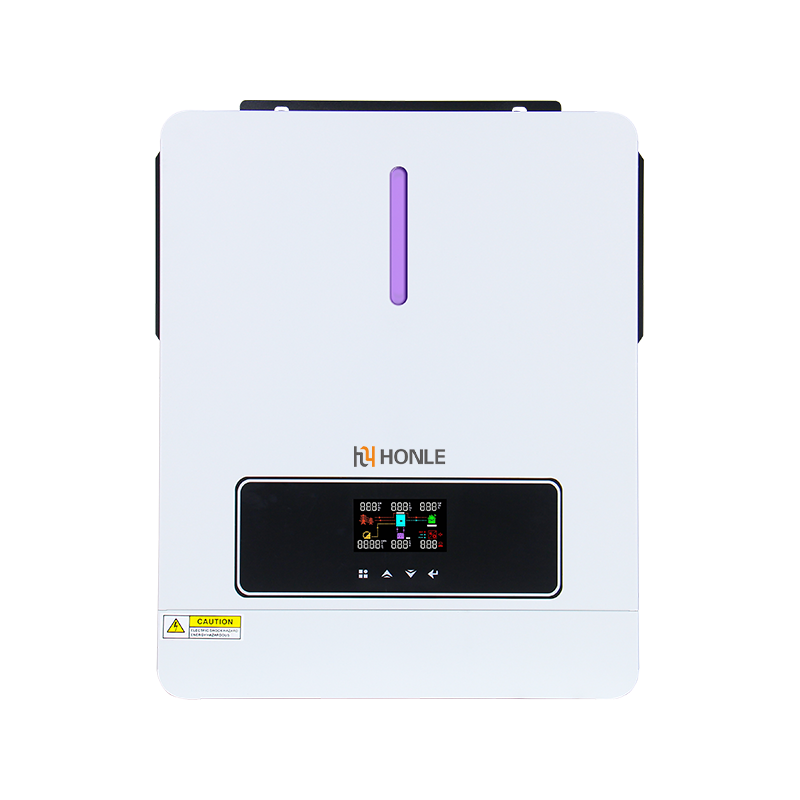
Hybrid units add another layer of complexity by managing power flow between photovoltaic input, battery storage, and grid connection simultaneously. This is where the core function of any DC to AC Converter extends beyond simple conversion — engineering teams at Honle New Energy design these systems, and it must also arbitrate between charging, discharging, and grid export in real time, often switching states multiple times per hour based on load and irradiance data.
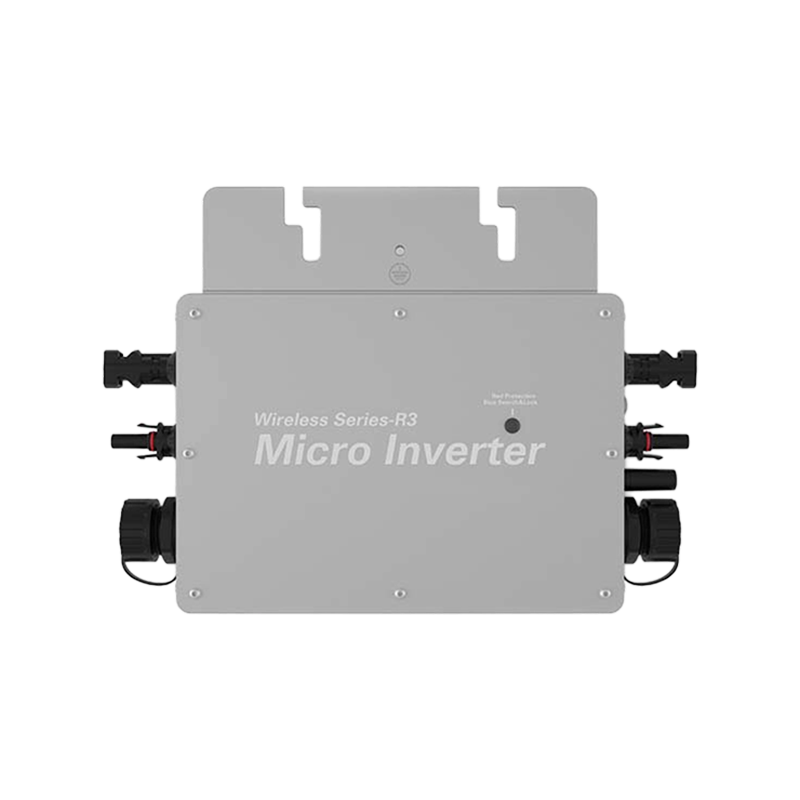
Choosing between these topologies depends heavily on site conditions. Rooftop residential systems with partial shading from trees or adjacent structures generally benefit from string-level or microinverter approaches, whereas open-field commercial arrays with uniform sun exposure often achieve better economics with centralized conversion.
Efficiency Curves, MPPT Tracking, and Thermal Behavior
Rated efficiency figures on a datasheet rarely tell the whole story. Conversion efficiency actually varies across the load range, typically peaking between 50% and 80% of rated capacity and dropping off at very low loads — a detail that matters when sizing equipment for variable seasonal demand rather than a single peak figure.
Maximum Power Point Tracking (MPPT) algorithms compound this effect by continuously adjusting the operating voltage of connected photovoltaic strings to extract peak available power as irradiance and temperature shift throughout the day. Well-tuned MPPT can recover 3-5% more annual energy yield compared to fixed-voltage tracking, a margin that adds up significantly across a commercial installation's lifetime, and this is one of the design details our team at Honle New Energy pays close attention to.
Thermal derating is the other variable installers frequently overlook. Ambient temperatures above roughly 40°C force many units to reduce output to protect internal components, so enclosure ventilation, mounting orientation, and shading of the unit itself directly influence real-world energy delivery, particularly in hot climates common across Southeast Asia, the Middle East, and parts of Africa.
Grid-Tied, Off-Grid, and Hybrid Operating Modes
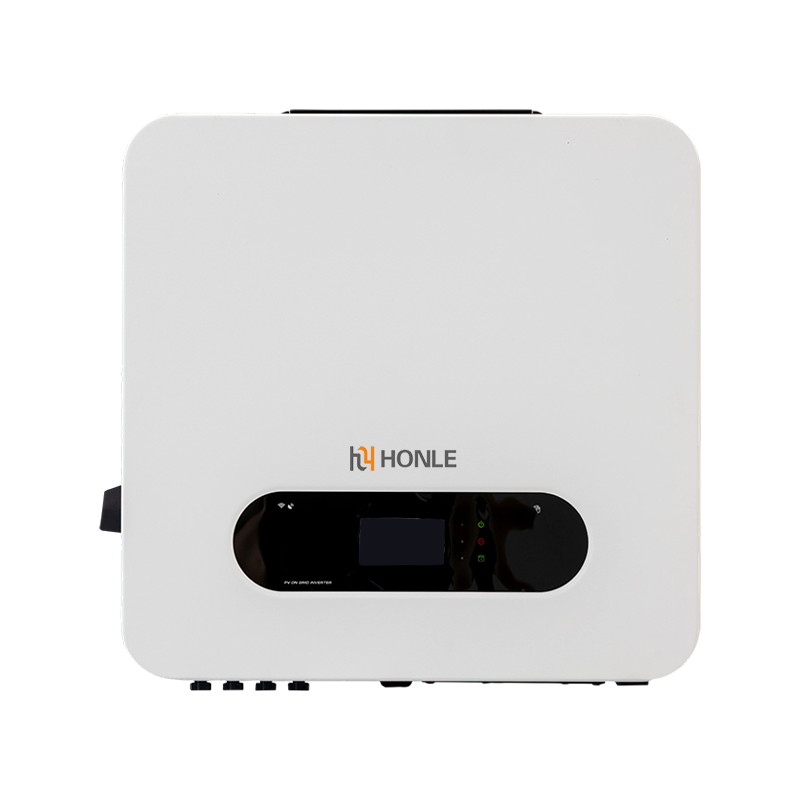
Grid-tied configurations synchronize output frequency and phase with the utility grid, enabling excess generation to be exported and often monetized through net metering programs, but they generally shut down during grid outages for safety reasons unless paired with battery backup and anti-islanding overrides.
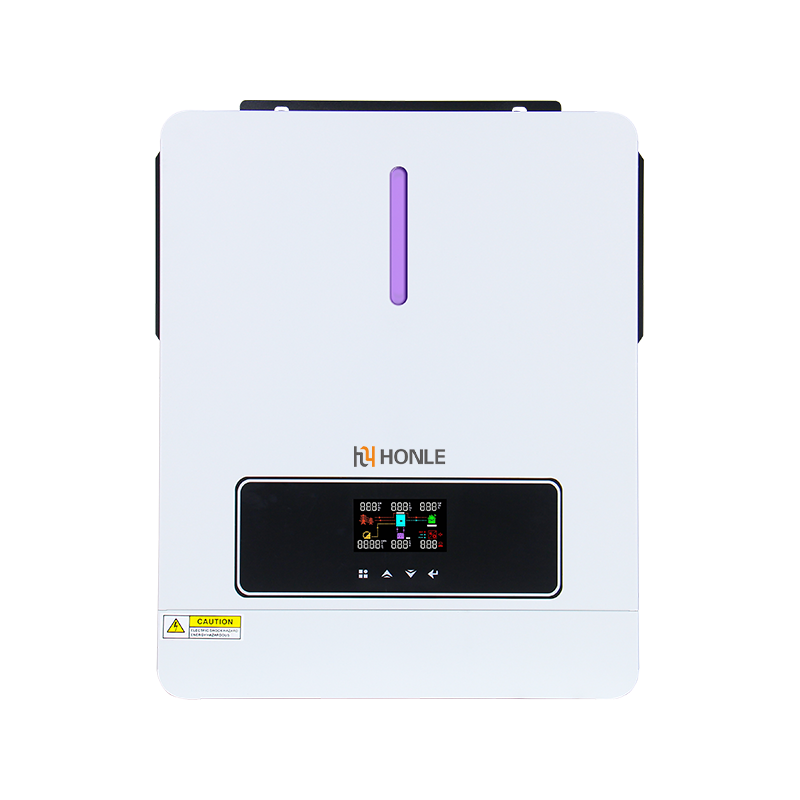
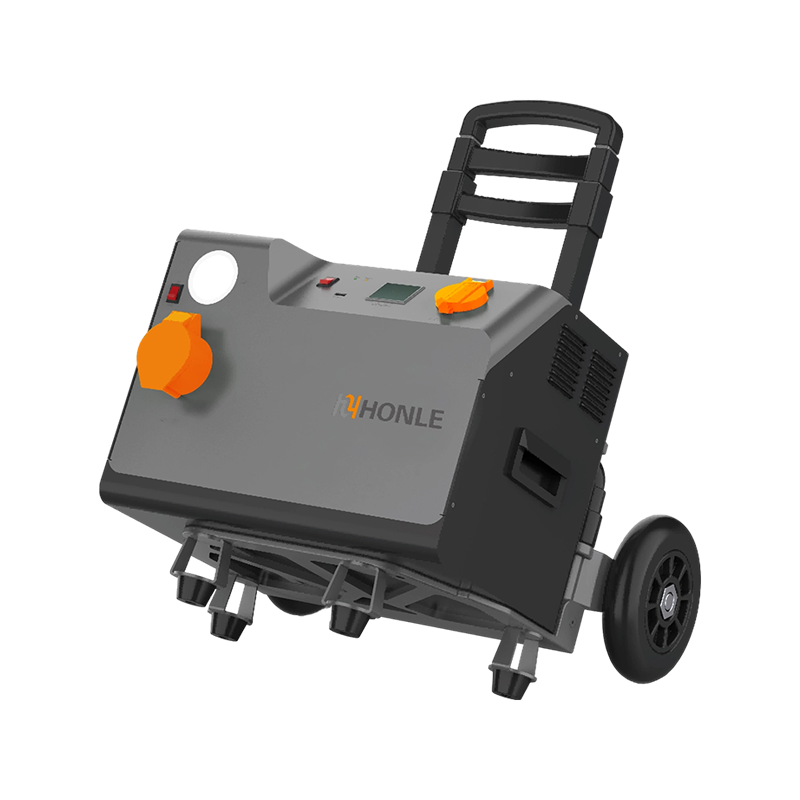
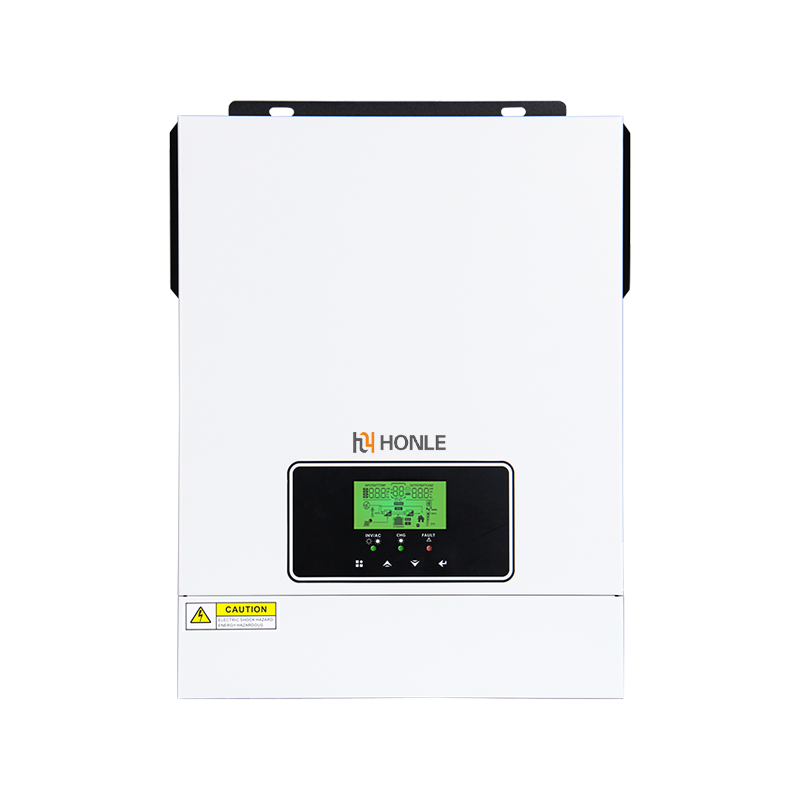
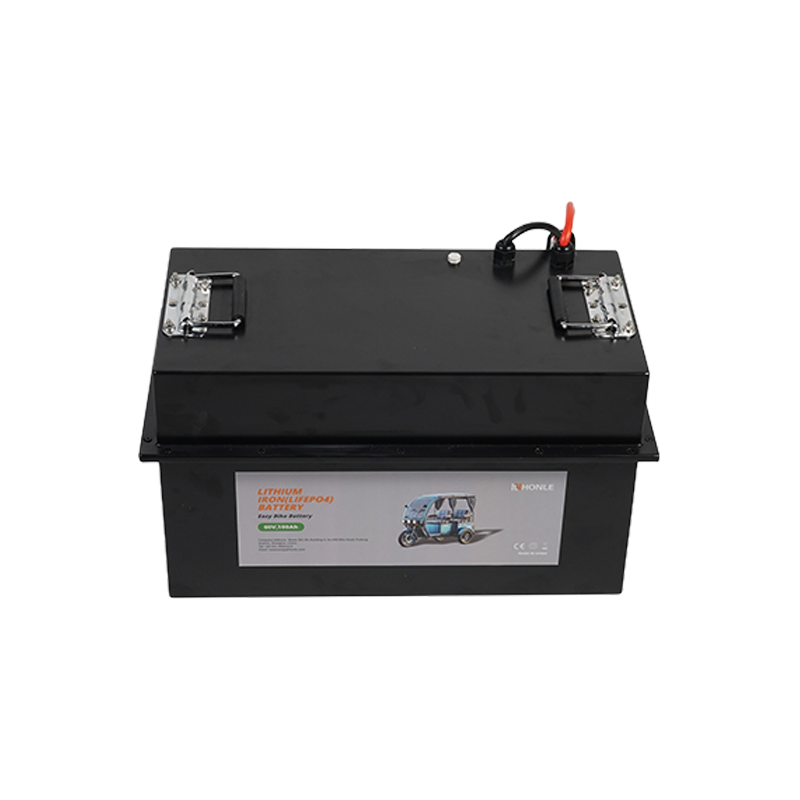
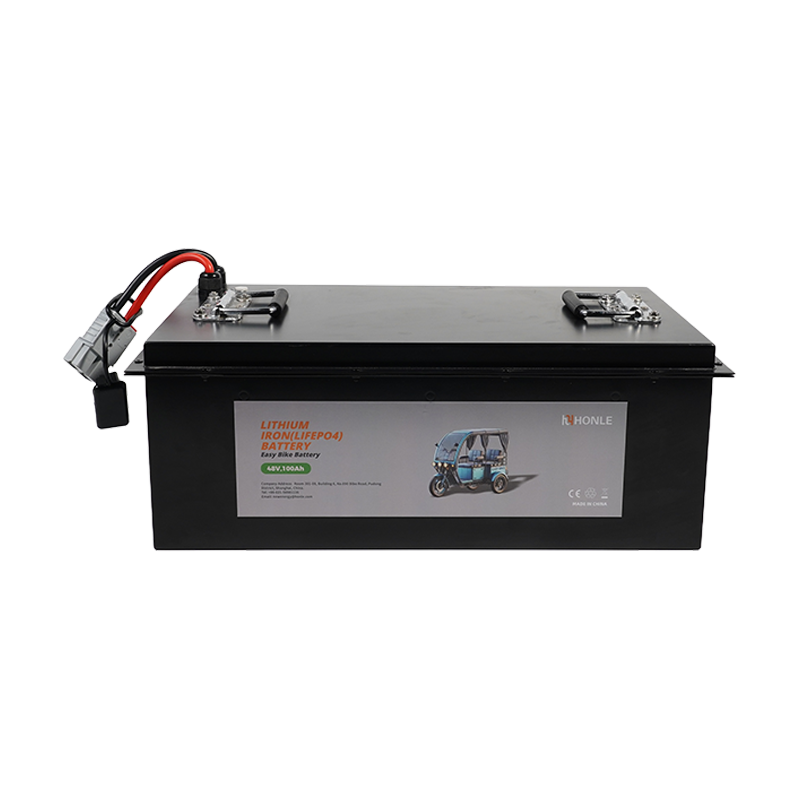
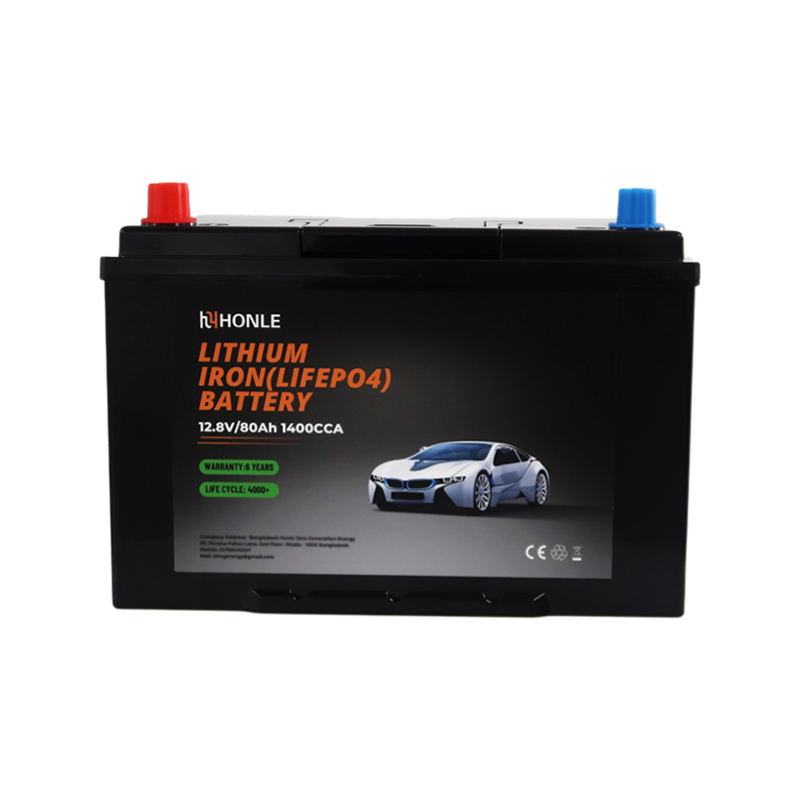
Off-grid systems operate independently, relying entirely on battery storage to buffer supply and demand. This makes a reliable Power Inverter the central component of the entire energy architecture, since it must manage surge loads from motor start-up, maintain stable voltage regulation under fluctuating battery state of charge, and often coordinate with a separate charge controller.
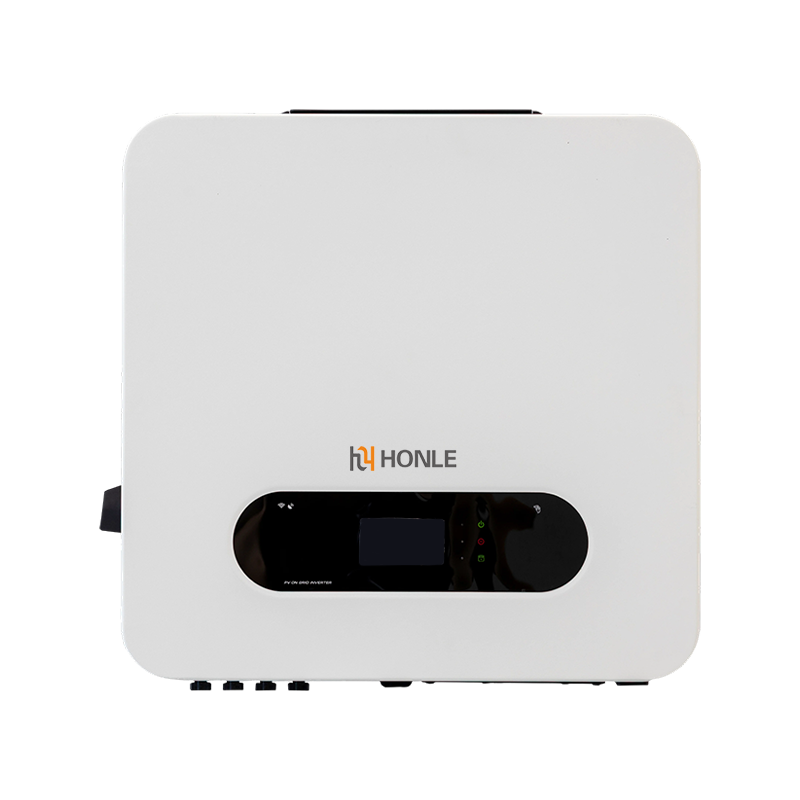
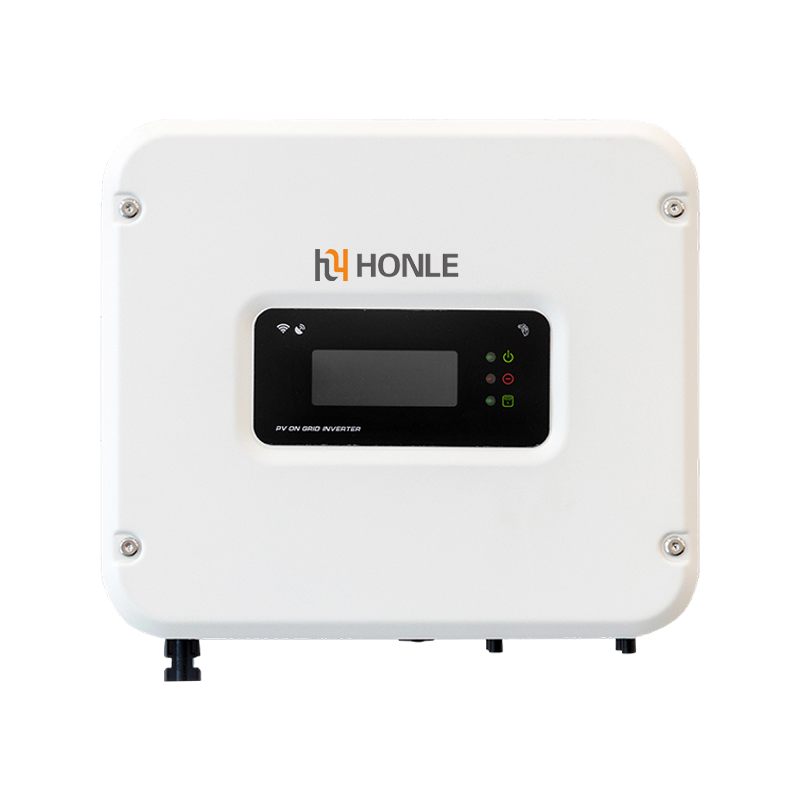
Hybrid setups bridge both worlds, prioritizing self-consumption from solar and battery reserves while falling back to grid power only when needed. Honle New Energy has supplied this class of equipment into project deployments across Uzbekistan, the UAE, Indonesia, Tanzania, and Côte d'Ivoire, where grid reliability and local energy policy vary widely from one market to the next, making flexible operating-mode switching a practical necessity rather than a convenience feature.





 English
 Français
 Español