What Are the Main Functions of a Server Rack Battery?
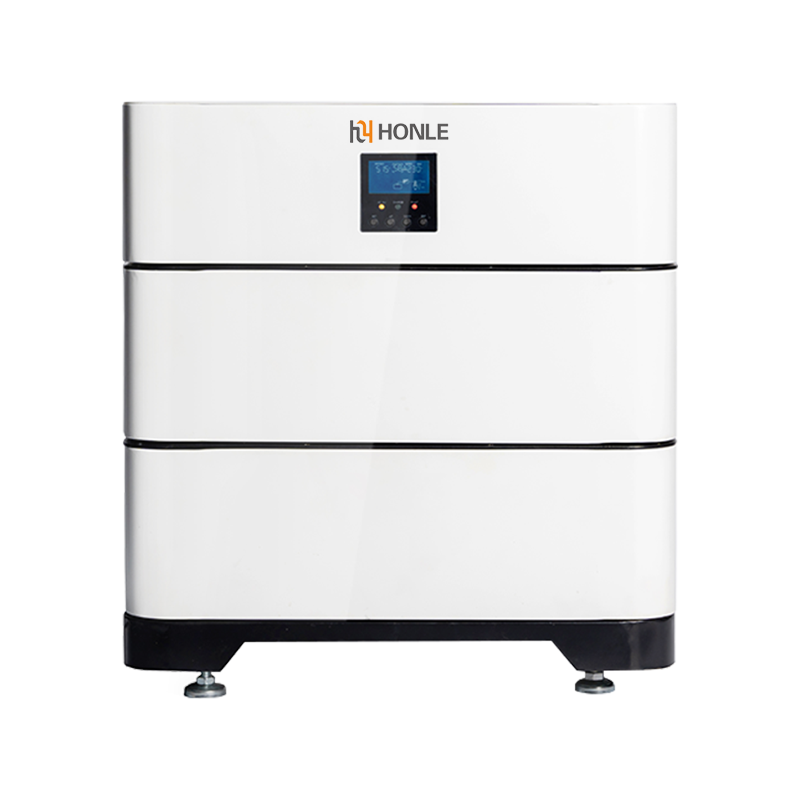
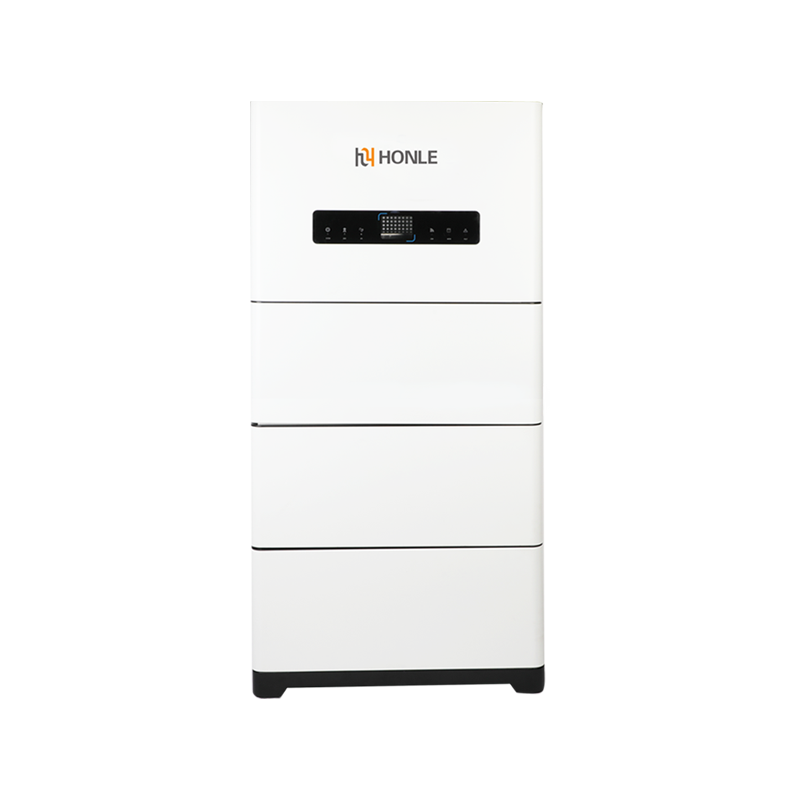
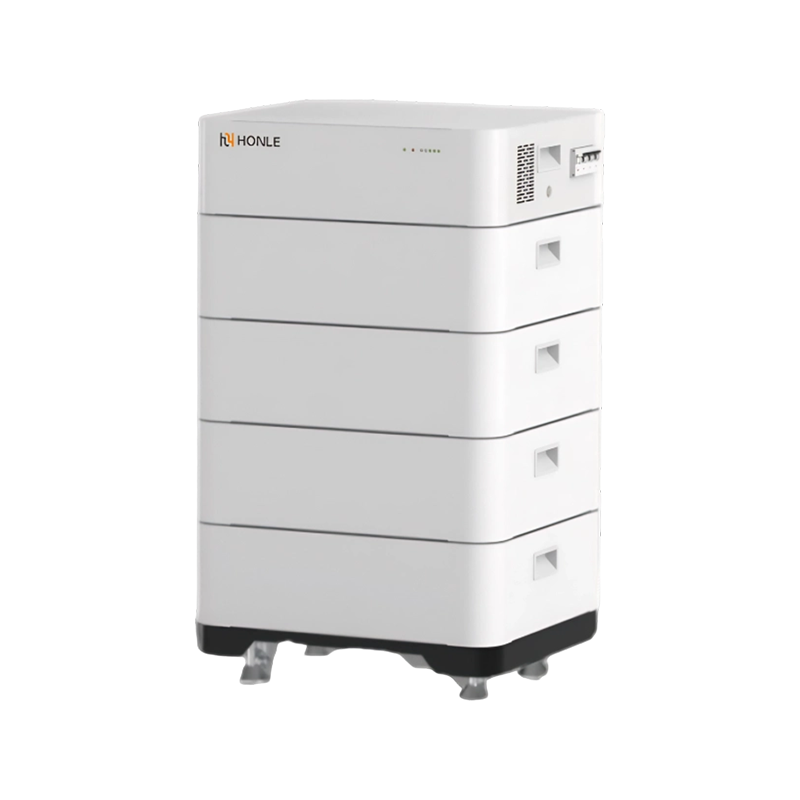
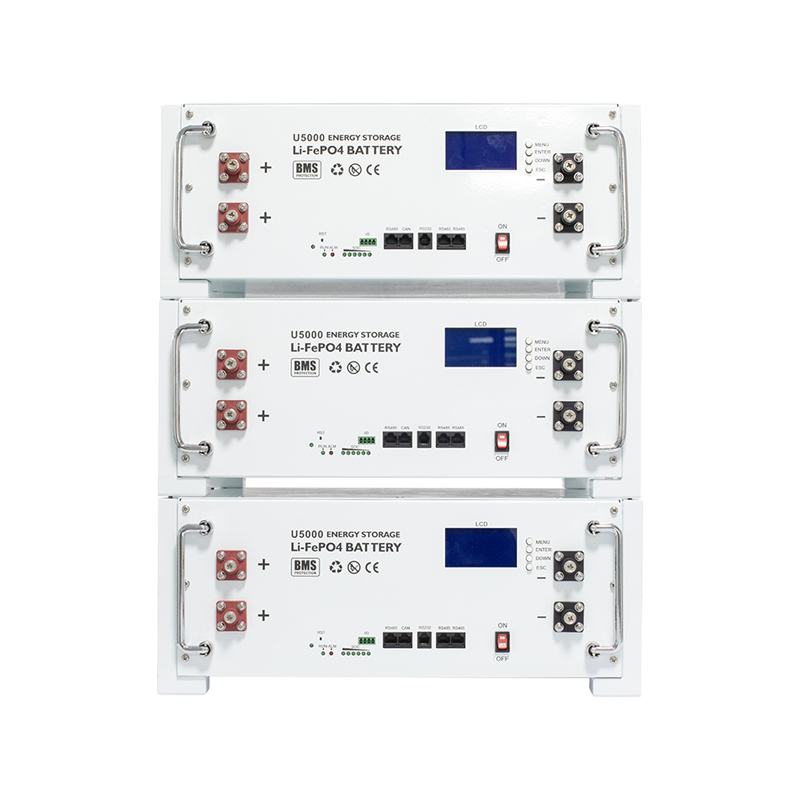
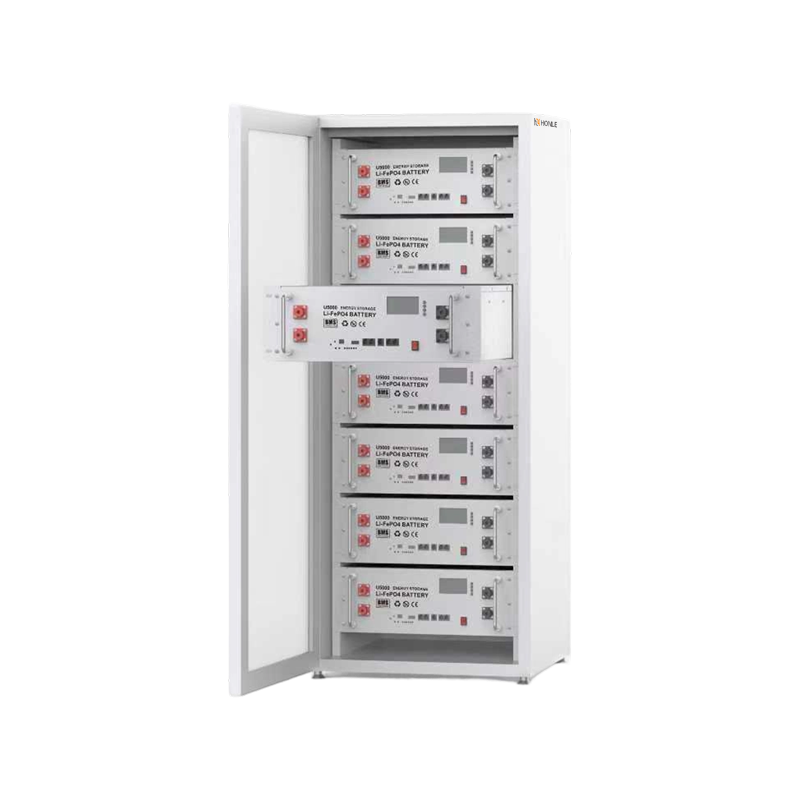
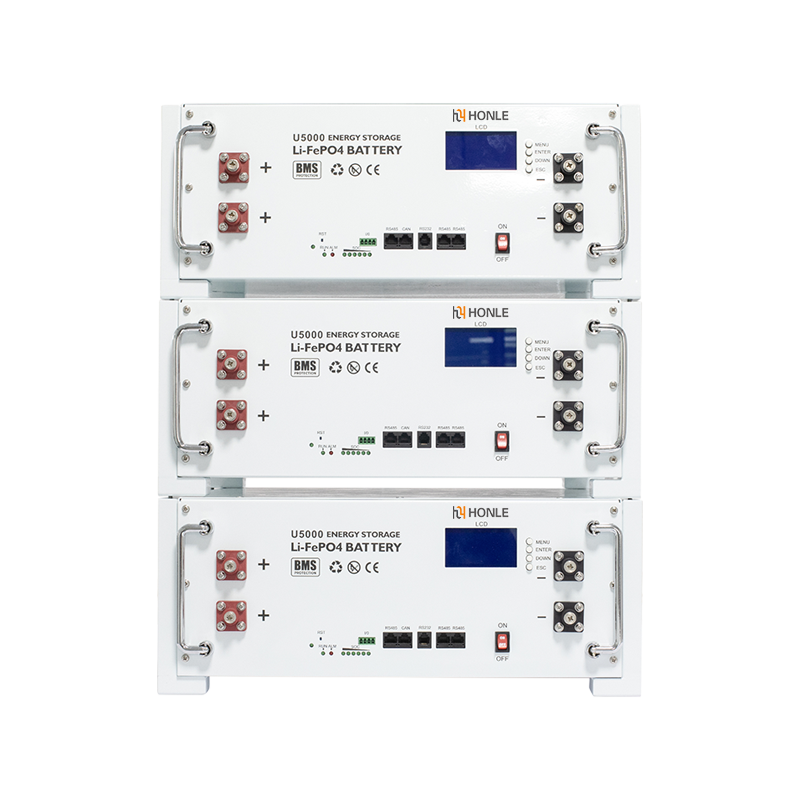
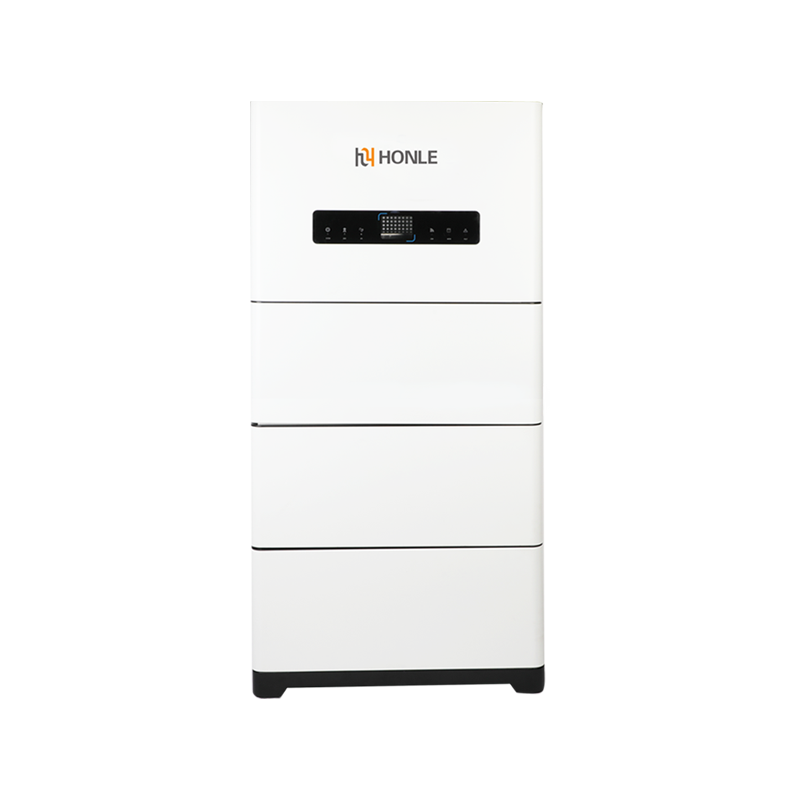
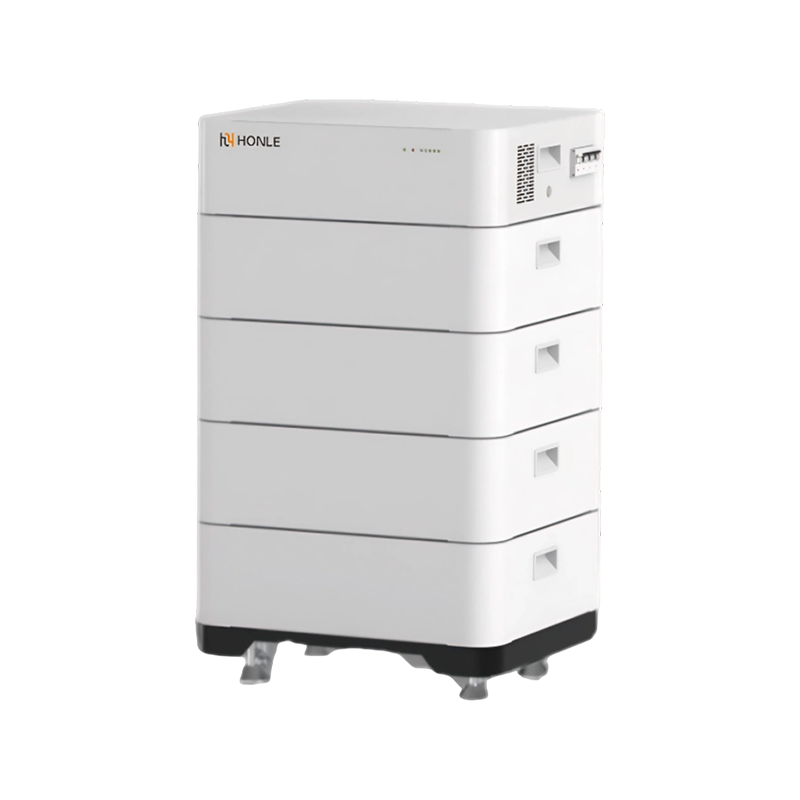
A server rack battery is a modular energy storage unit designed to fit standardized server cabinets. Unlike traditional battery systems, it provides high energy density, scalable capacity, simplified installation, and intelligent battery management.
Understanding a Server Rack Battery
A server rack battery is a compact battery module designed according to standard rack dimensions, allowing multiple battery units to be stacked within a cabinet. These systems are commonly built with lithium iron phosphate (LiFePO4) cells, offering long service life, excellent thermal stability, and enhanced operational safety.
Compared with conventional battery banks, rack-mounted systems provide:
- Modular capacity expansion
- Easier maintenance
- Better space utilization
- Intelligent monitoring
- Improved system reliability
The rack-mount LiFePO4 battery has become one of the most widely adopted solutions because it combines safety, long cycle life, and consistent performance across a broad range of applications.
Main Functions of a Server Rack Battery
A server rack battery performs multiple critical roles beyond simply storing electricity.
| Function |
Description |
Primary Benefits |
| Energy Storage |
Stores electrical energy for later use |
Improves energy utilization |
| Backup Power |
Supplies electricity during outages |
Maintains continuous operation |
| Peak Load Management |
Releases stored energy during high-demand periods |
Reduces peak power consumption |
| Renewable Energy Integration |
Stores solar or wind energy |
Maximizes renewable energy usage |
| Power Stabilization |
Helps regulate voltage and power fluctuations |
Protects connected equipment |
These integrated functions make server rack batteries suitable for both backup and daily energy management.
1. Reliable Backup Power
One of the most important functions of a server rack battery is providing uninterrupted backup power.
Unexpected power failures can interrupt critical operations, resulting in equipment shutdown, communication failures, or production delays. A rack-mounted battery system automatically supplies stored electricity whenever utility power becomes unavailable.
Typical backup applications include:
- Data centers
- Communication stations
- Industrial automation
- Commercial buildings
- Healthcare facilities
- Security monitoring systems
Because of their modular design, multiple battery modules can work together to provide longer backup durations based on operational requirements.
2. Energy Storage for Renewable Energy Systems
As solar and wind installations continue to expand, effective energy storage has become increasingly important.
A server rack battery captures excess electricity generated during peak production periods and stores it for later use when renewable generation decreases.
This enables:
- Higher self-consumption of solar energy
- Improved system efficiency
- Better power availability during nighttime
- Reduced dependence on the electrical grid
- More stable renewable energy utilization
The combination of solar inverters with rack energy storage (LVHV) systems creates a flexible and scalable solution for residential, commercial, and industrial applications.
3. Peak Shaving and Load Management
Electricity demand often fluctuates throughout the day. During peak demand periods, energy costs and grid stress increase significantly.
A server rack battery can discharge stored electricity during these high-demand periods while charging during lower-demand periods.
This process helps:
- Optimize energy usage
- Reduce demand charges
- Improve power efficiency
- Balance electrical loads
- Increase system flexibility
For businesses operating large electrical systems, intelligent load management improves overall operational efficiency.
4. Improving Power Stability
Voltage fluctuations, sudden power interruptions, and unstable electrical conditions can affect sensitive electronic equipment.
Modern rack-mount LiFePO4 battery systems work together with battery management systems (BMS) to stabilize power delivery.
Key protective functions include:
- Overcharge protection
- Over-discharge protection
- Overcurrent protection
- Temperature monitoring
- Cell balancing
- Short-circuit protection
These features enhance battery reliability while helping connected equipment operate under more stable electrical conditions.
Why LiFePO4 Technology Is Preferred
The rack-mount LiFePO4 battery has become the industry standard because of its balanced performance and safety characteristics.
| Feature |
Rack-Mount LiFePO4 Battery |
Conventional Battery Technologies |
| Safety |
Excellent thermal stability |
Lower thermal stability |
| Cycle Life |
Long service life |
Shorter lifespan |
| Maintenance |
Low maintenance |
Higher maintenance requirements |
| Energy Efficiency |
High charging efficiency |
Moderate efficiency |
| Environmental Performance |
More environmentally friendly |
Greater environmental impact |
These advantages make LiFePO4 batteries particularly suitable for continuous operation in mission-critical environments.
Advantages of Rack Energy Storage (LVHV)
Modern rack energy storage (LVHV) systems are available in both low-voltage (LV) and high-voltage (HV) configurations, allowing users to choose solutions based on project requirements.
Some notable advantages include:
Modular Expansion
Capacity can be increased by simply adding additional battery modules without replacing the existing system.
Efficient Space Utilization
Rack-mounted installation maximizes cabinet space, making it suitable for equipment rooms with limited floor area.
Intelligent Monitoring
Integrated battery management systems provide real-time monitoring of battery status, voltage, temperature, and operating conditions.
Simplified Maintenance
Individual battery modules can often be serviced or replaced independently, minimizing downtime.
Flexible Deployment
Rack energy storage systems support a wide range of installation scenarios, including:
- Residential energy storage
- Commercial facilities
- Industrial energy systems
- Telecommunication infrastructure
- Renewable energy projects
Common Applications of Server Rack Batteries
Because of their flexibility, server rack battery systems are now widely used across numerous industries.
| Industry |
Typical Application |
| Data Centers |
UPS backup power |
| Telecommunications |
Base station backup |
| Renewable Energy |
Solar energy storage |
| Commercial Buildings |
Peak load management |
| Industrial Facilities |
Continuous production support |
| Smart Microgrids |
Distributed energy storage |
Their modular architecture allows easy integration into existing power systems while supporting future capacity expansion.
How to Choose the Right Server Rack Battery
Selecting the appropriate server rack battery depends on several technical factors rather than battery capacity alone.
Consider the following aspects:
- Required energy capacity
- Voltage compatibility
- Available installation space
- Expansion capability
- Battery chemistry
- Communication protocols
- Battery management system functionality
- Safety certifications
- Environmental operating conditions
- Long-term maintenance requirements
A well-designed battery system should balance reliability, efficiency, scalability, and ease of operation.
Supporting Sustainable Energy Development
As the global energy industry transitions toward cleaner power generation, energy storage plays an increasingly important role in improving renewable energy utilization and reducing carbon emissions.
Honle New Energy Technology Co., Ltd. has more than two decades of experience in the electric and new energy sectors, providing sustainable and environmentally friendly energy storage products and integrated power solutions. The company develops advanced solar power systems and energy storage technologies for residential, commercial, and industrial applications while offering flexible engineering services and project-based product delivery to meet diverse customer requirements.
Sustainability remains a core focus at Honle New Energy. The company promotes clean energy innovation by developing renewable energy solutions, building a sustainable supply chain with environmentally friendly materials and low-carbon technologies, and supporting environmental initiatives that encourage energy awareness and green education.
Conclusion
A server rack battery has evolved from a simple backup power source into an intelligent energy storage solution capable of supporting renewable energy integration, peak load management, power stabilization, and scalable energy storage.
Combined with advanced rack-mount LiFePO4 battery technology and flexible rack energy storage (LVHV) architecture, these systems provide high reliability, operational efficiency, and long-term scalability for a wide variety of applications.
FAQ
1. What is a server rack battery primarily used for?
A server rack battery is mainly used for backup power, renewable energy storage, power stabilization, and peak load management in commercial, industrial, telecommunications, and data center applications.
2. Why is a rack-mount LiFePO4 battery preferred over traditional batteries?
A rack-mount LiFePO4 battery offers higher safety, longer cycle life, better thermal stability, lower maintenance requirements, and improved energy efficiency, making it suitable for continuous operation.
3. What does rack energy storage (LVHV) mean?
Rack energy storage (LVHV) refers to modular battery storage systems available in both low-voltage and high-voltage configurations, enabling flexible deployment across different energy storage projects.
4. Can server rack batteries be expanded after installation?
Yes. Most server rack battery systems feature a modular design that allows additional battery modules to be added as energy storage requirements increase.
5. Which industries benefit most from server rack battery systems?
Industries including data centers, telecommunications, renewable energy, manufacturing, commercial buildings, healthcare, and smart microgrids commonly use server rack battery systems to improve energy reliability and operational continuity.





 English
 Français
 Español