


 English
 Français
 Español
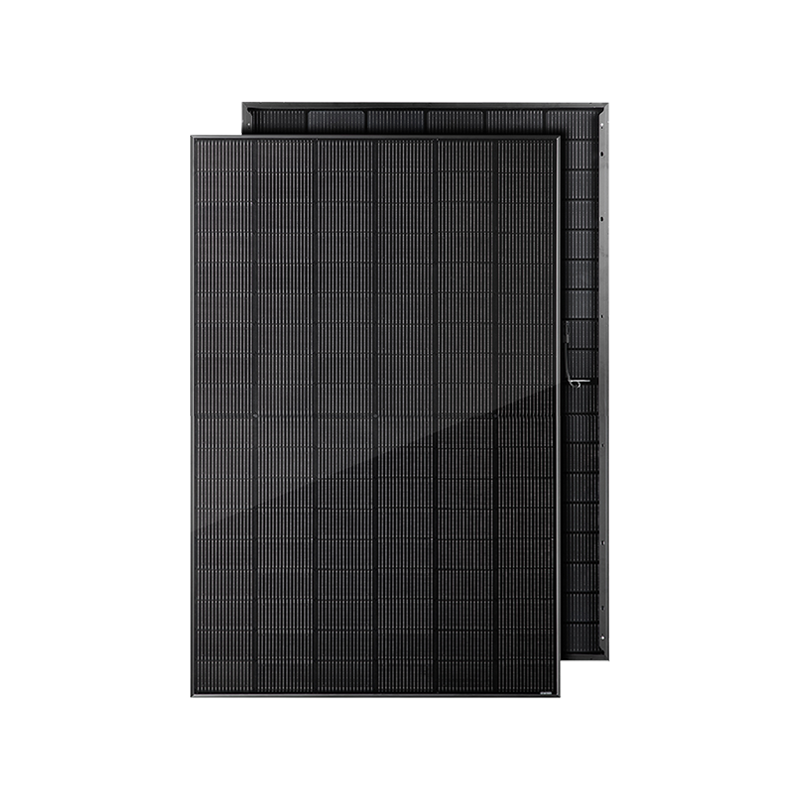
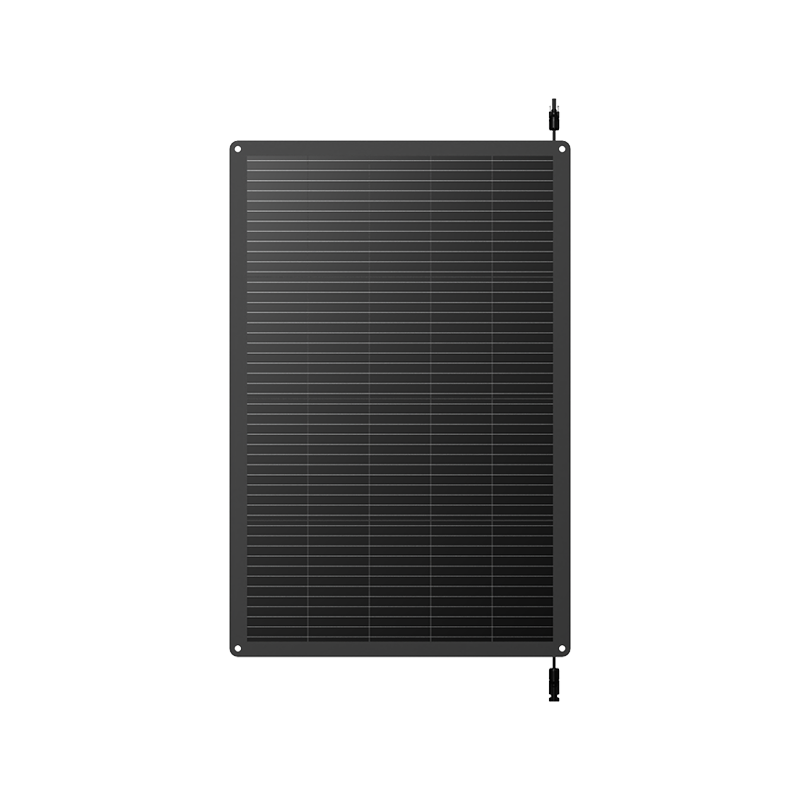
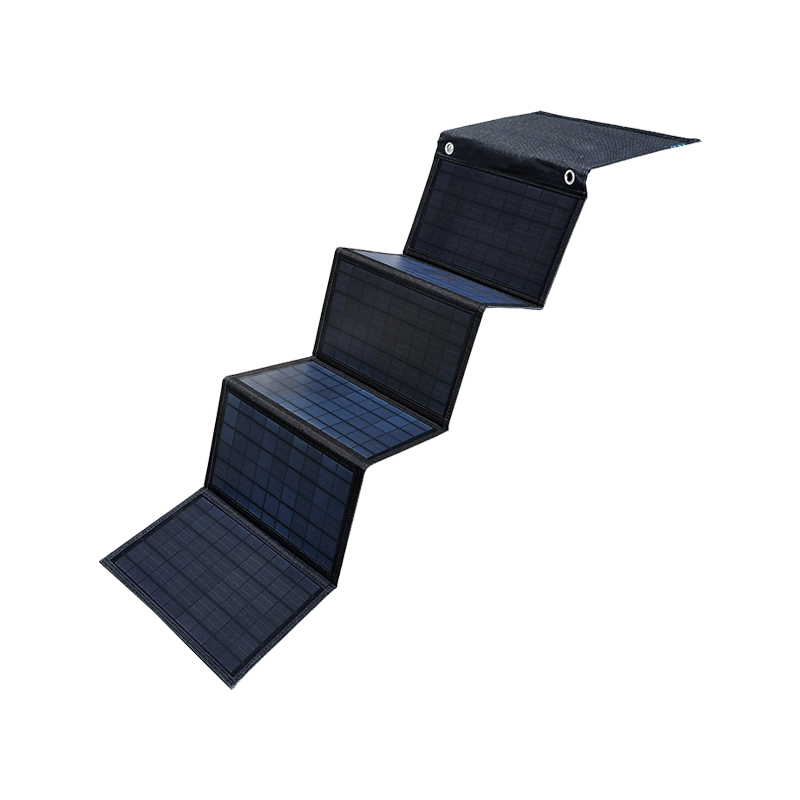
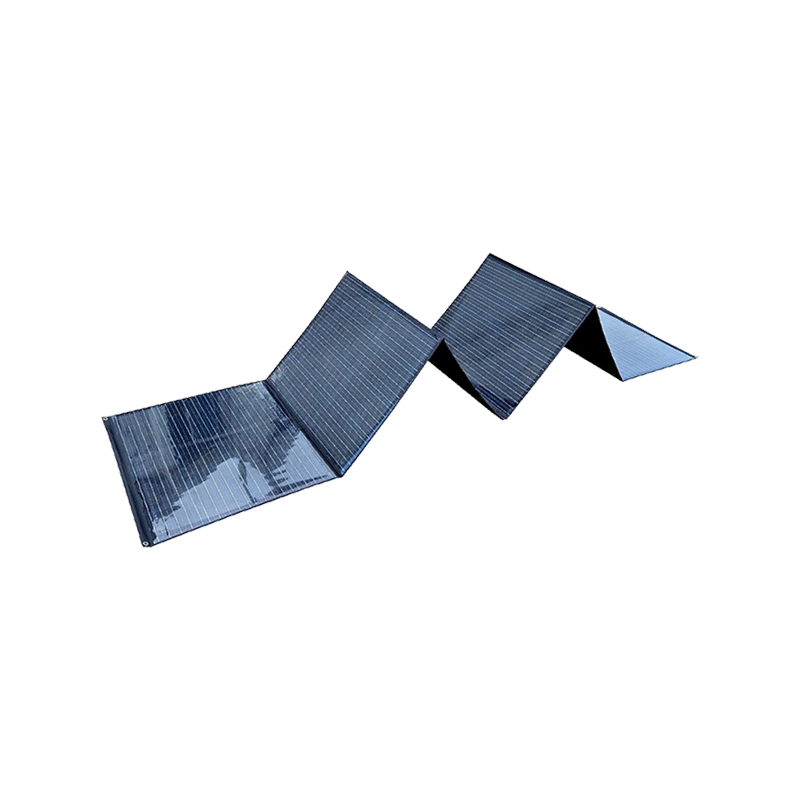
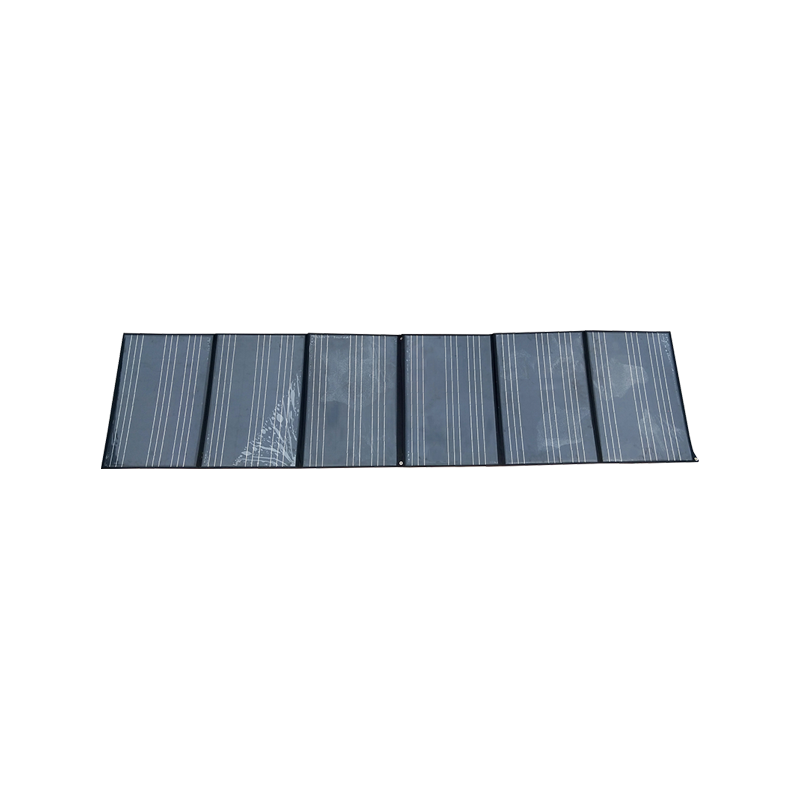
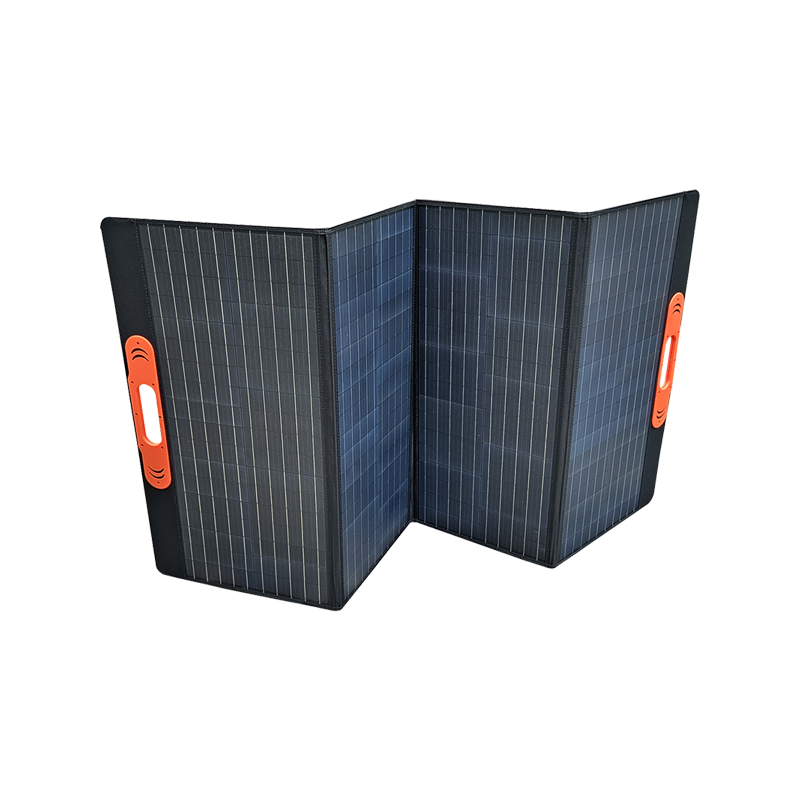
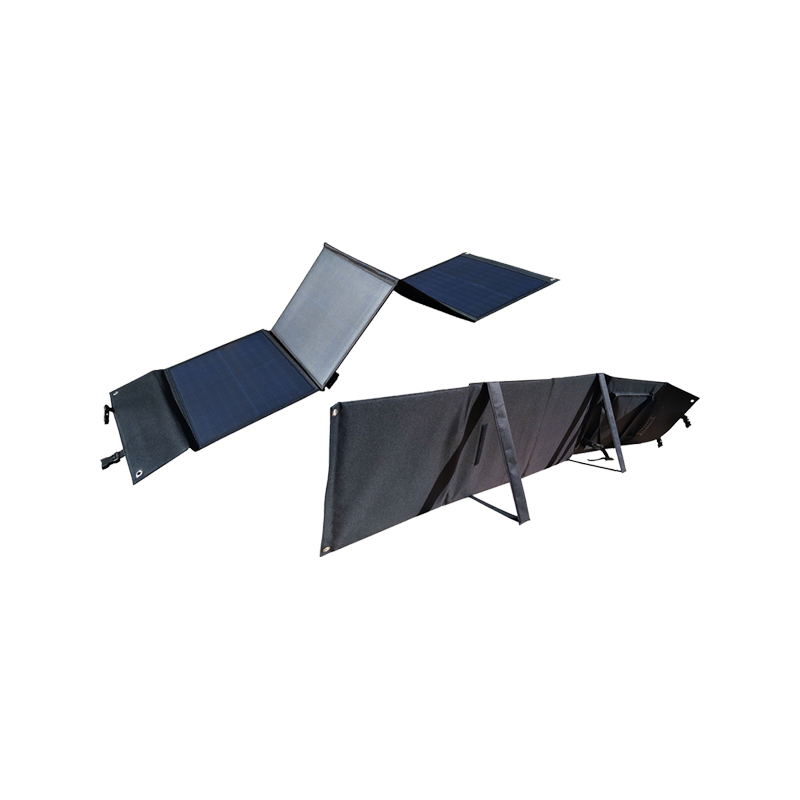
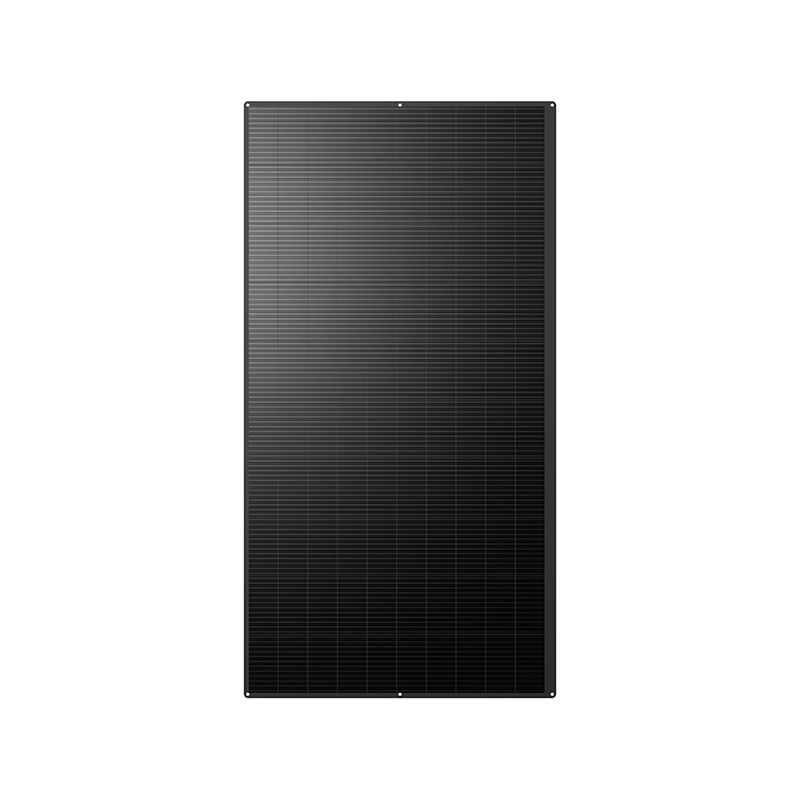
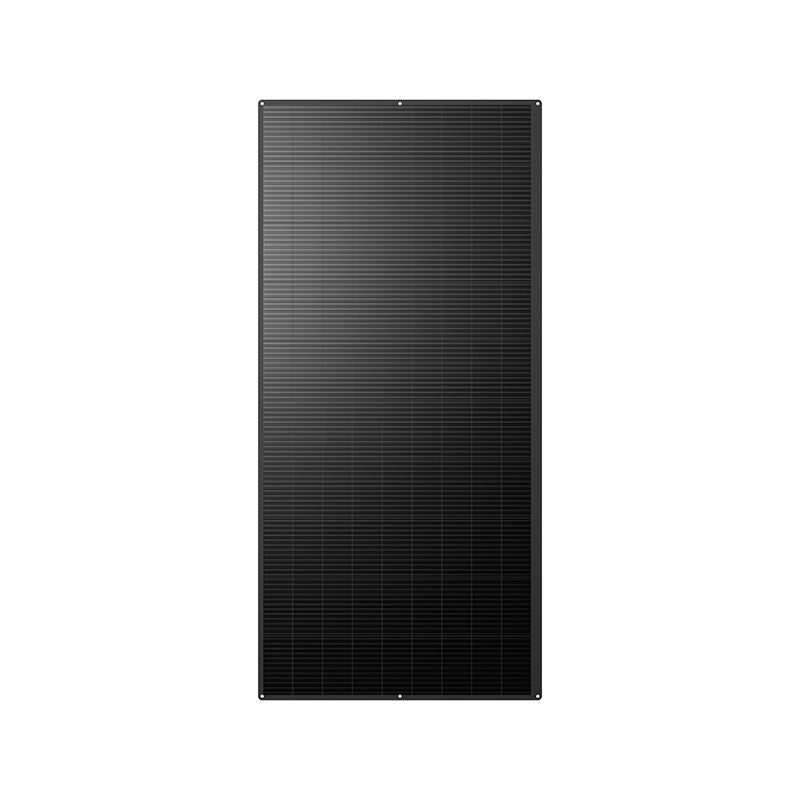
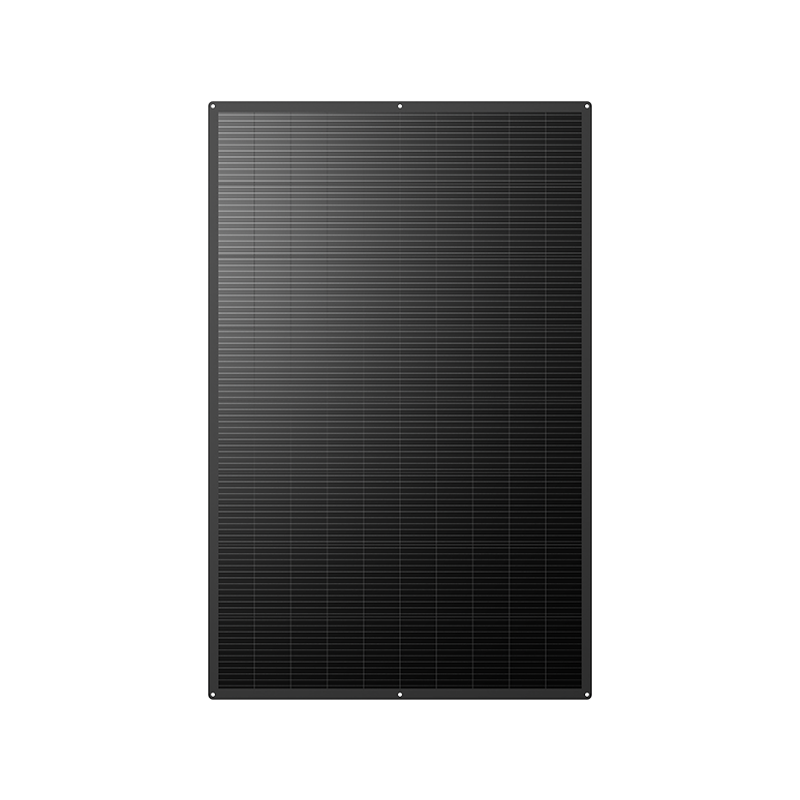
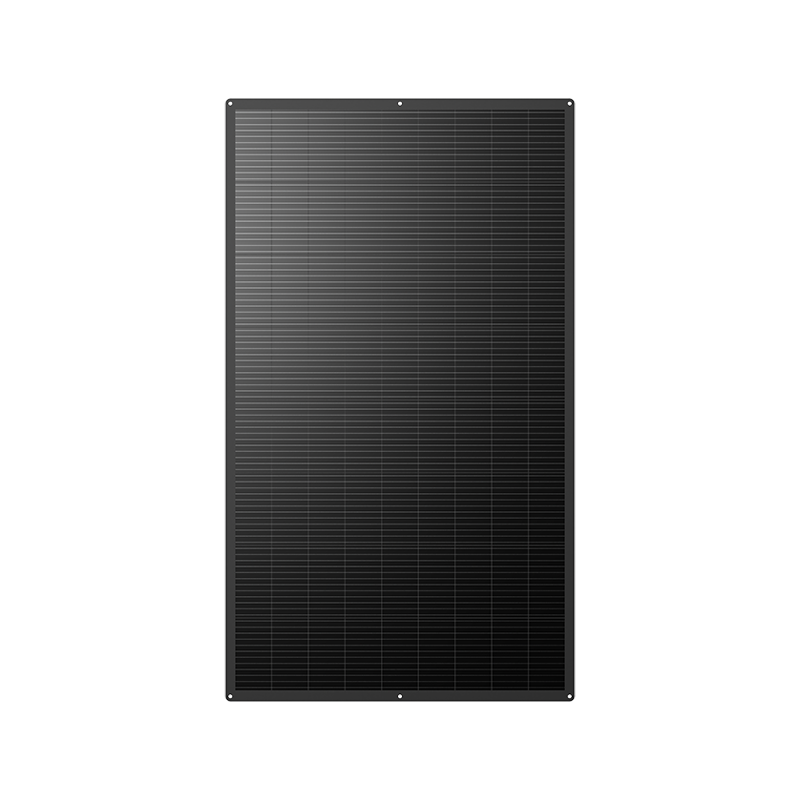
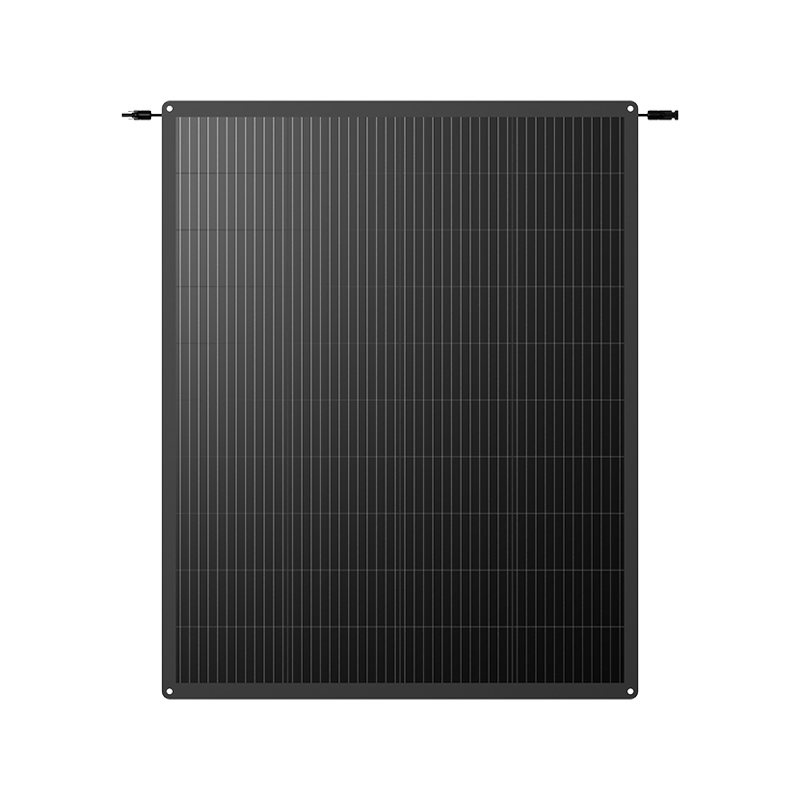
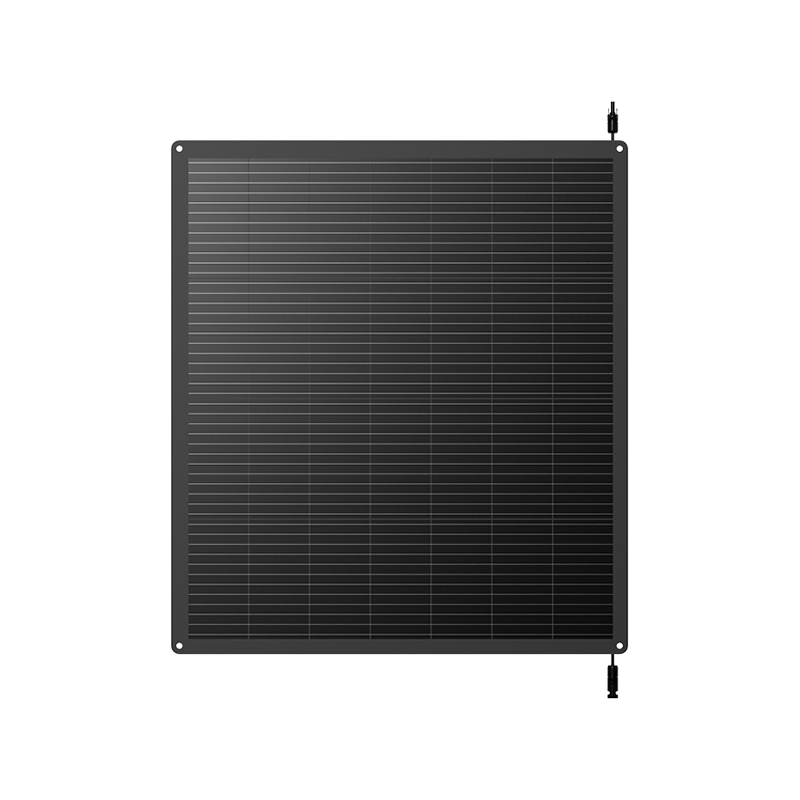
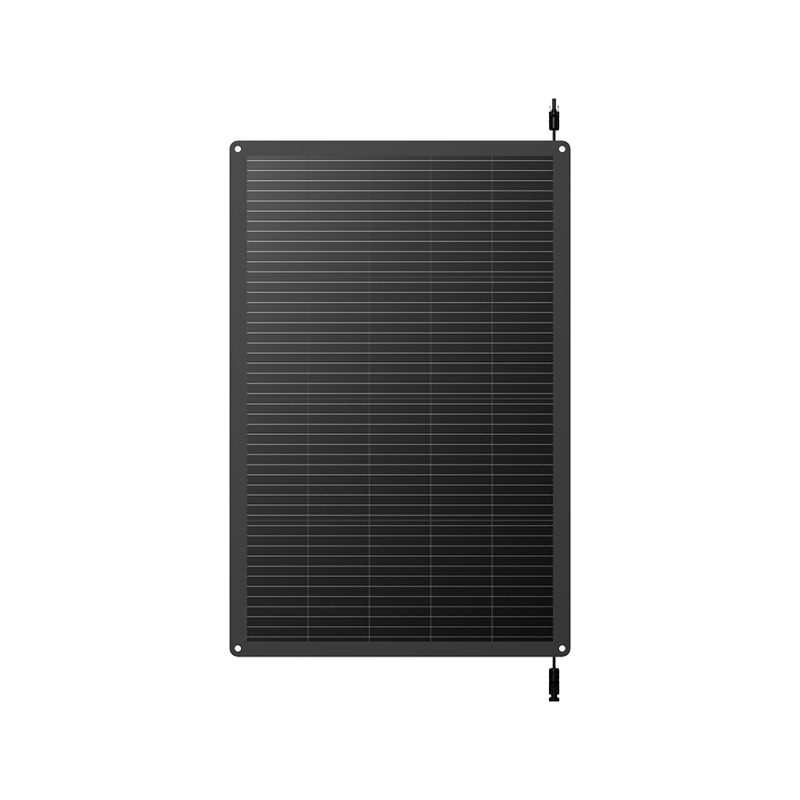
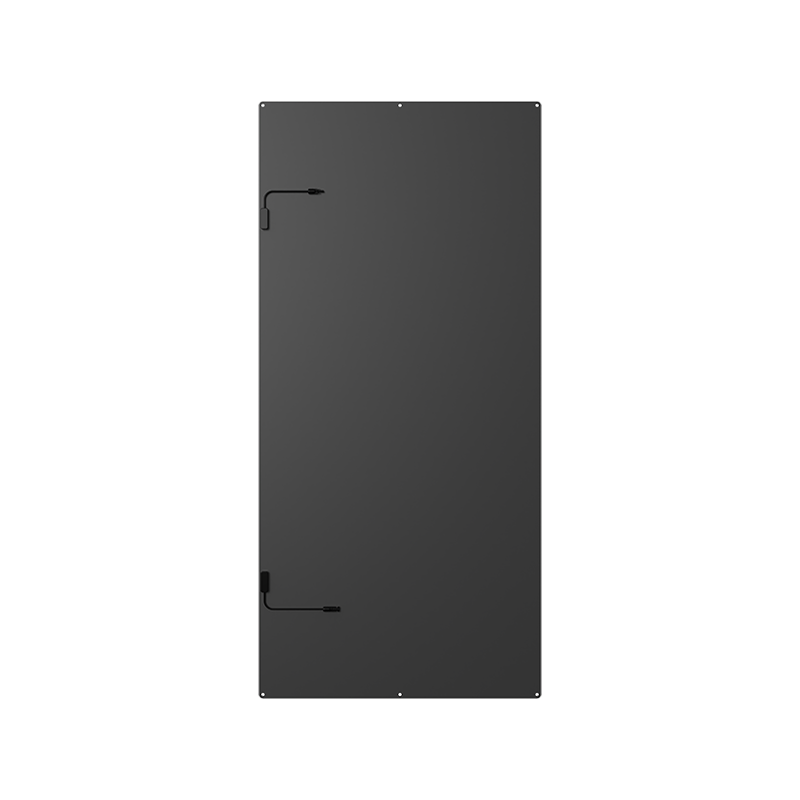
 Ultra-thin and lightweight design simplifies transport and installation on tents, RVs, boats, or curved rooftops.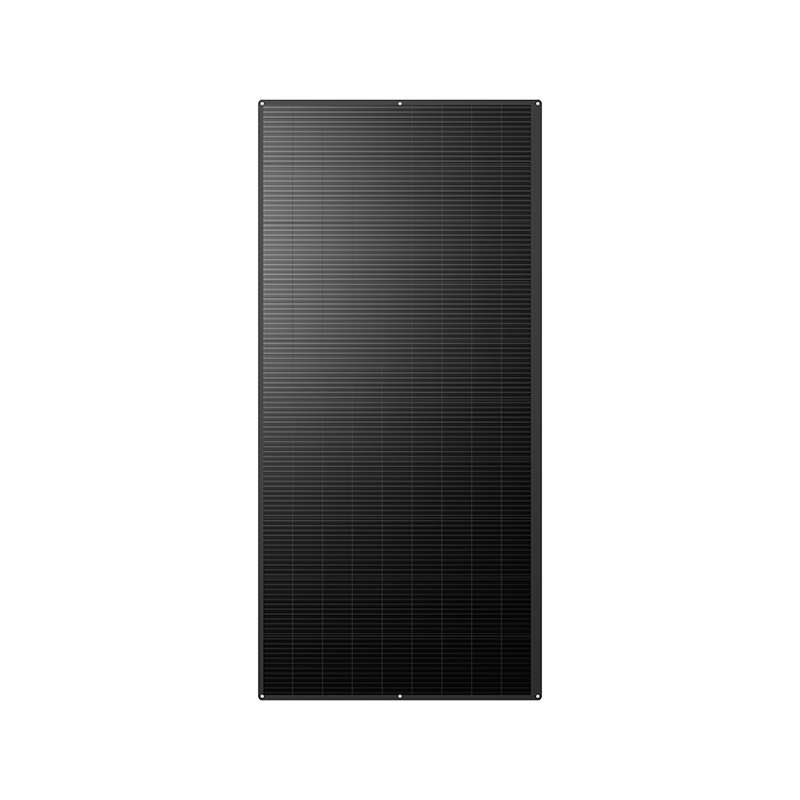


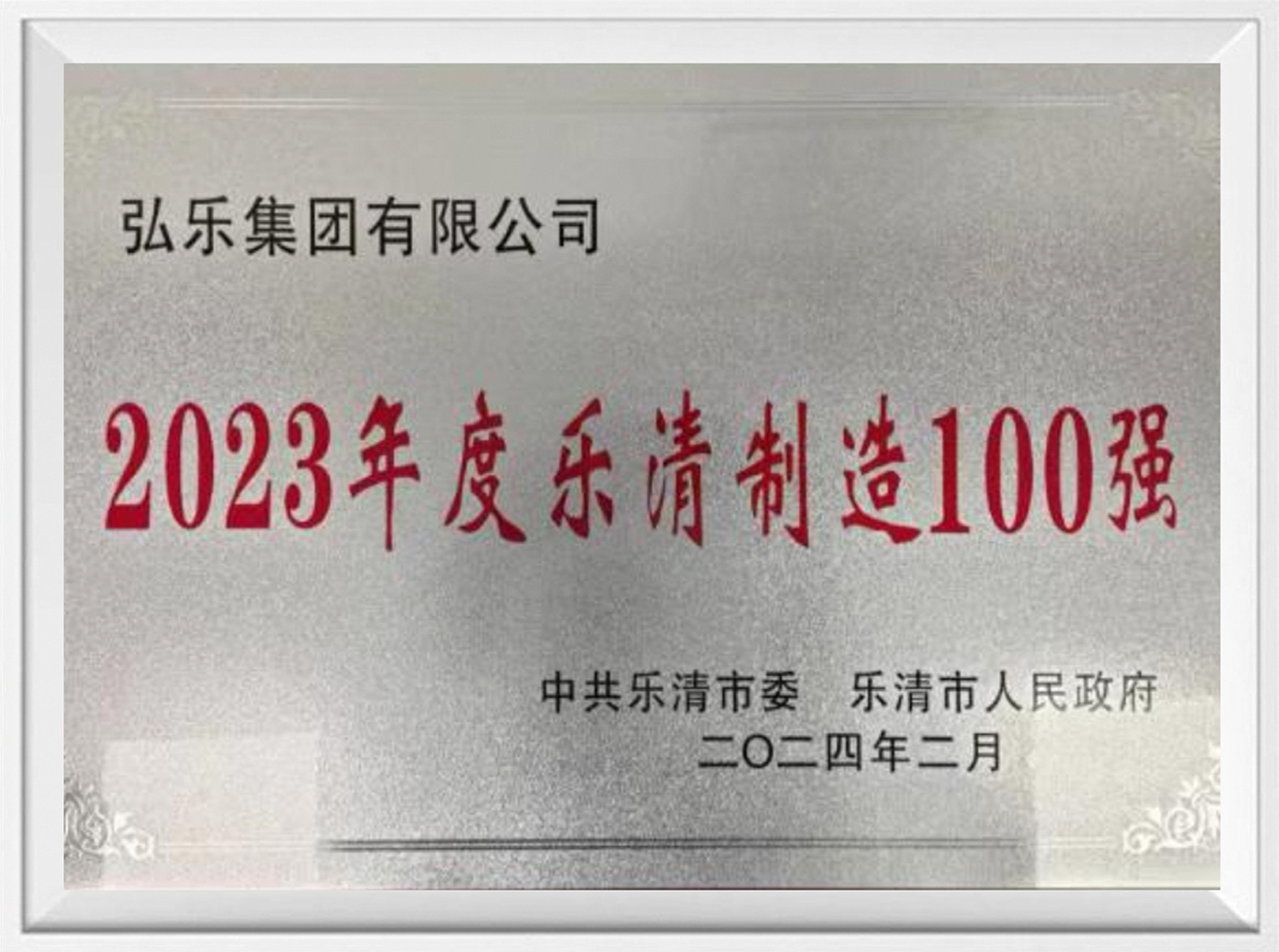
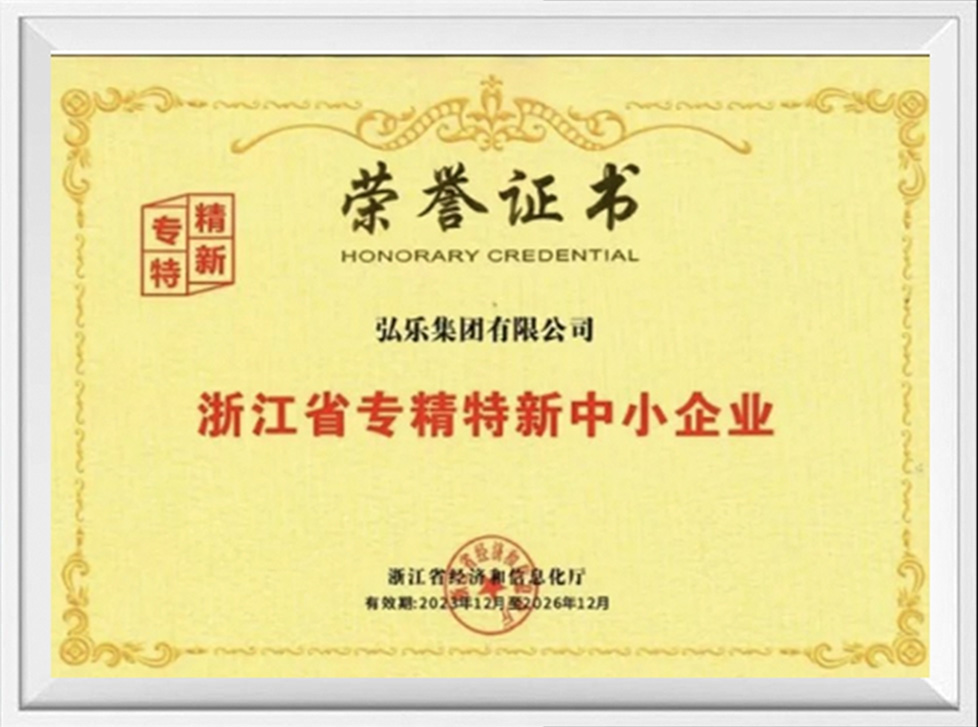
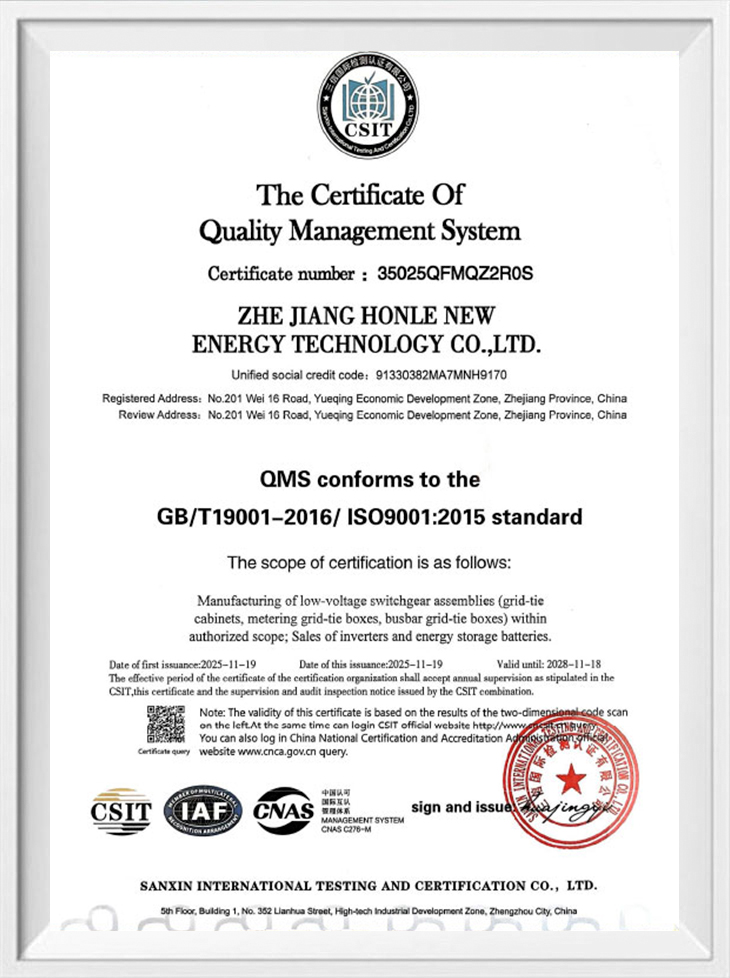
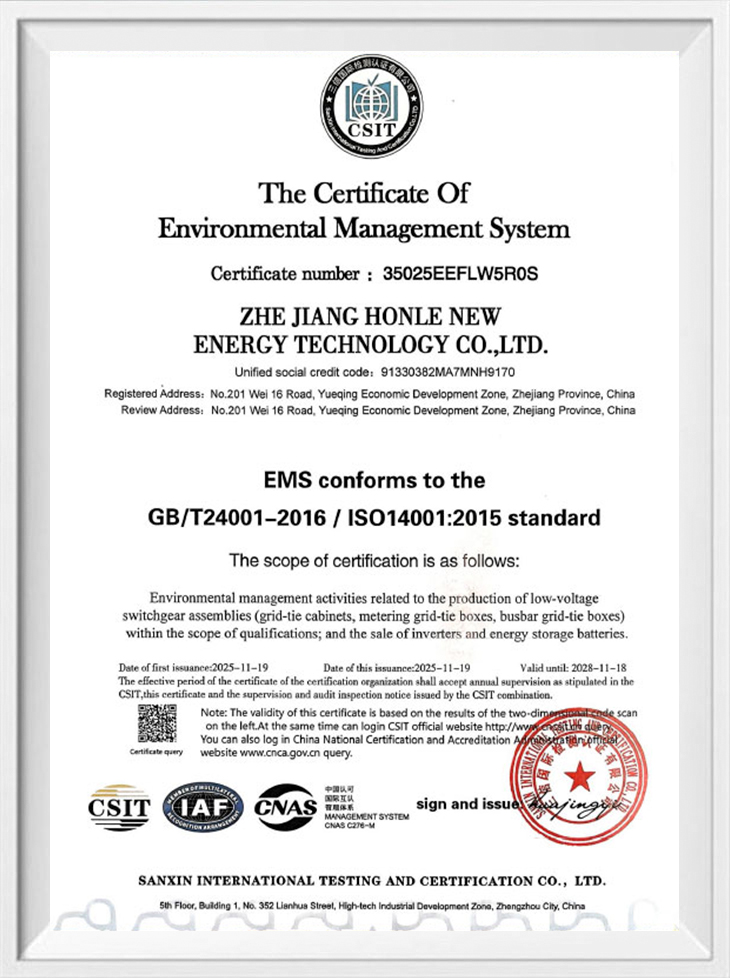
Honle New Energy Technology Co., Ltd. is China wholesale YH450W-45M Large Capacity Flexible Solar Panel Lightweight High-Yield PV Module for Yachts company and custom YH450W-45M Large Capacity Flexible Solar Panel Lightweight High-Yield PV Module for Yachts suppliers, a subsidiary of Honle Group, is a globally recognized and trusted supplier with over two decades of experience in the electric and new energy sectors. We specialize in providing sustainable and eco-friendly energy products and solutions. With a strong presence in key markets worldwide, including Uzbekistan, UAE, Indonesia, Tanzania, Côte d'Ivoire, and others, Honle New Energy has built a solid reputation as a renowned provider of new energy solutions. We offer YH450W-45M Large Capacity Flexible Solar Panel Lightweight High-Yield PV Module for Yachts for sale.
Equipped with state-of-the-art international production facilities, we have an annual production capacity covering 66,000 square meters. Our cutting-edge energy solutions, including solar power systems and energy storage products, cater to a wide range of applications—from residential homes to business and commercial projects. We are committed to delivering dynamic, innovative, and tailored solutions that meet the evolving needs of our clients and the broader energy industry.
At Honle New Energy, we prioritize customer satisfaction and offer flexible engagement models, including engineering services and project-based product delivery. We are dedicated to exceeding expectations and are open to negotiating capacities to ensure optimal outcomes for our partners.