


 English
 Français
 Español
See Details
- Residential Energy Storage

- C&I BESS

- Large-Scale Centralized Energy storage

- Solar Panel

- Power Inverters

- Vehicle Lithium Battery


Industry News
Home / News / Industry News / Battery Charger for Solar Batteries: How to Choose the Right Charger Type
Battery Charger for Solar Batteries: How to Choose the Right Charger Type
Content
- 1 What a Solar Battery Charger Does
- 2 MPPT vs PWM Chargers: Which One Should You Use?
- 3 Matching Charger Voltage to Your Battery Bank
- 4 Sizing the Charger Current: How Much Is Enough?
- 5 Charging Different Battery Chemistries
- 6 Installation and Safety Considerations
- 7 Common Mistakes to Avoid
- 8 Frequently Asked Questions

You have mounted solar panels, wired a battery bank, and installed an inverter. Yet your batteries never seem to reach full charge, or they begin to swell and lose capacity after only a few months. The fault often lies not in the panels or the batteries but in the charger that sits between them. A battery charger for solar batteries is not a generic wall-plug trickle charger. It is a charge controller or an inverter with an integrated charging stage that must match your battery bank's voltage, chemistry, and current limits. Choosing the wrong unit can shorten battery life, waste solar energy, and leave you with less usable power than expected.
What a Solar Battery Charger Does
A solar battery charger sits between the solar array and the battery bank. Its main job is to regulate the voltage and current coming from the panels so that the battery receives the correct charging profile. Without regulation, a 12V solar panel can produce 18V to 22V of open-circuit voltage, which would overcharge a 12V battery and cause gassing, heat, and irreversible damage.
The charger also prevents reverse current flow from the battery back into the panels at night, and it provides the necessary control points such as absorption, float, and equalization. In more advanced units, it tracks the panel's maximum power point to harvest as much energy as possible under changing sunlight and temperature.
MPPT vs PWM Chargers: Which One Should You Use?
The first major decision when selecting a battery charger for solar batteries is whether to choose an MPPT (Maximum Power Point Tracking) or PWM (Pulse Width Modulation) controller. In most grid-tied and off-grid systems, MPPT is the better choice. It converts excess voltage into additional current, which means it can harvest up to 30% more energy than a PWM controller under typical operating conditions. PWM is simpler and less expensive, but it effectively pulls the panel voltage down to battery voltage, wasting any headroom the panel has. A PWM controller is only practical for very small systems with a panel voltage close to the battery voltage.
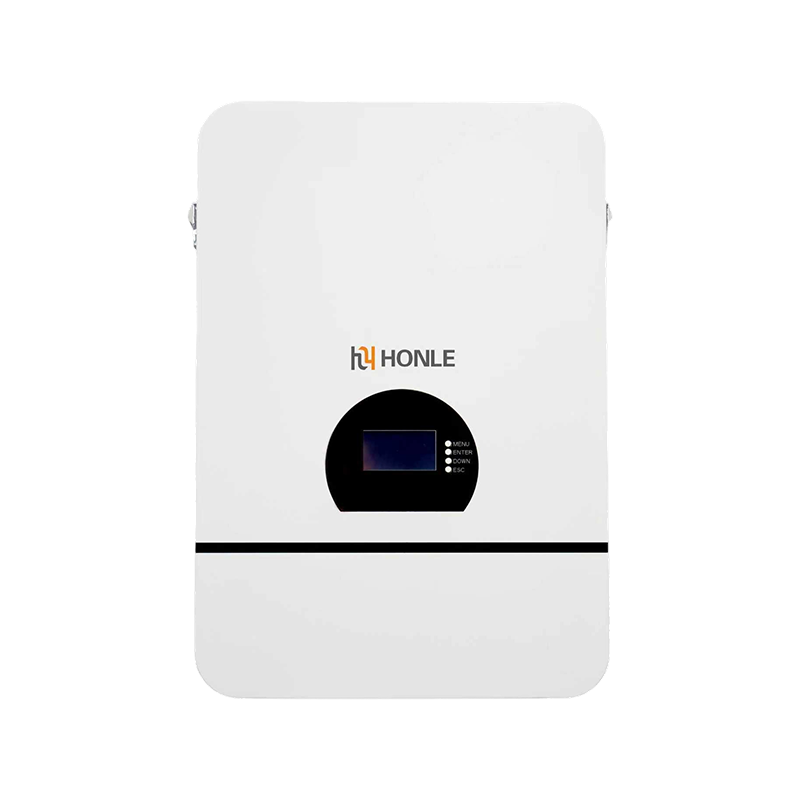
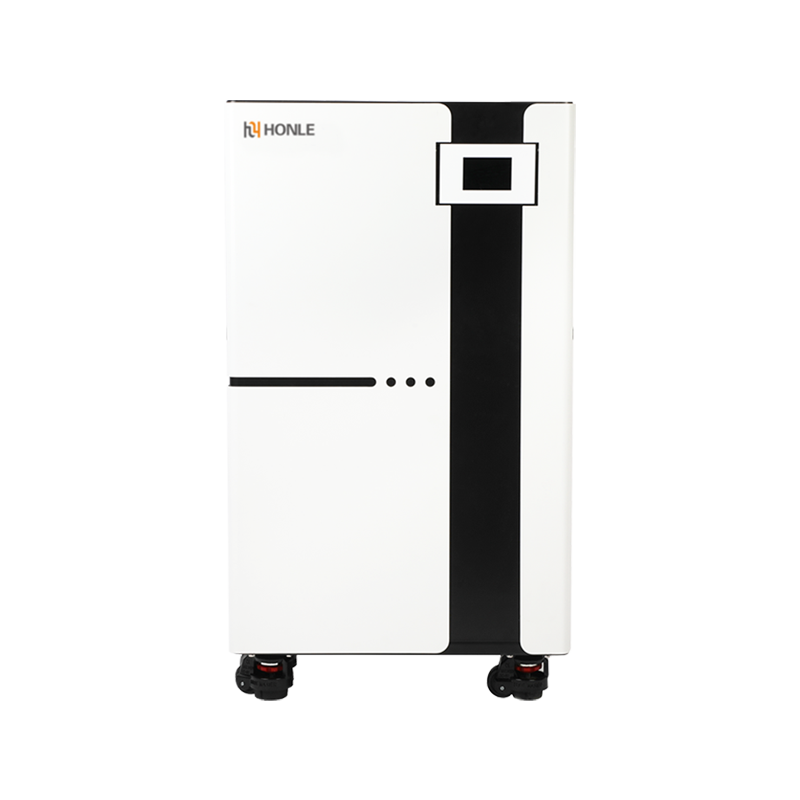
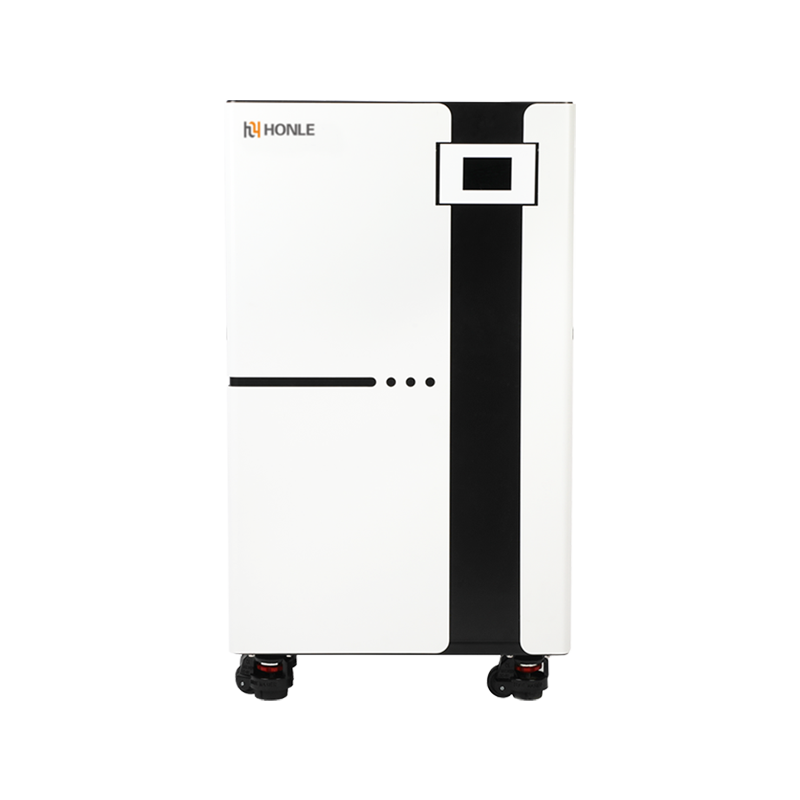
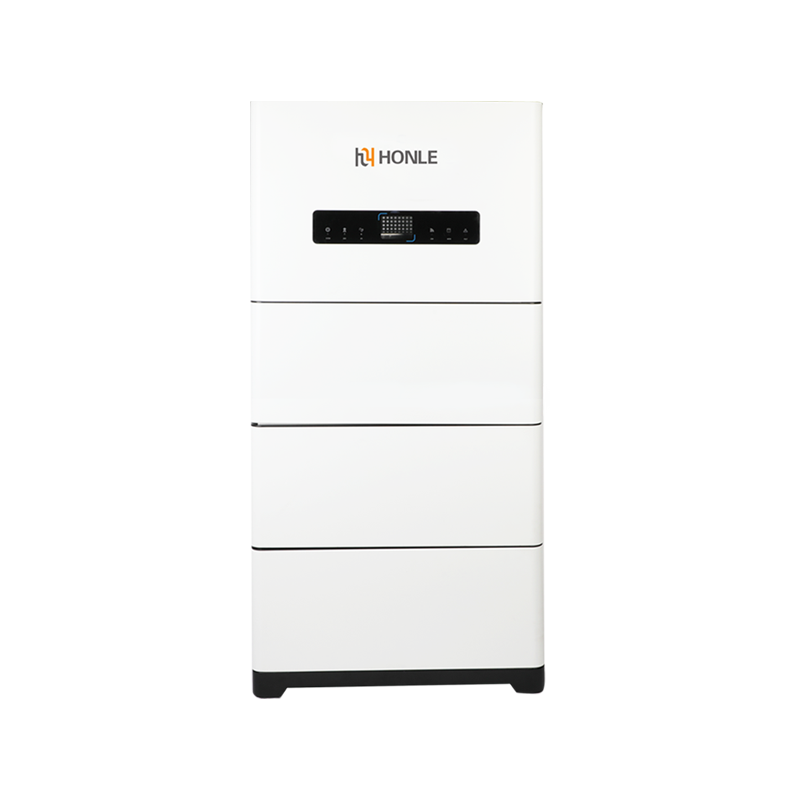
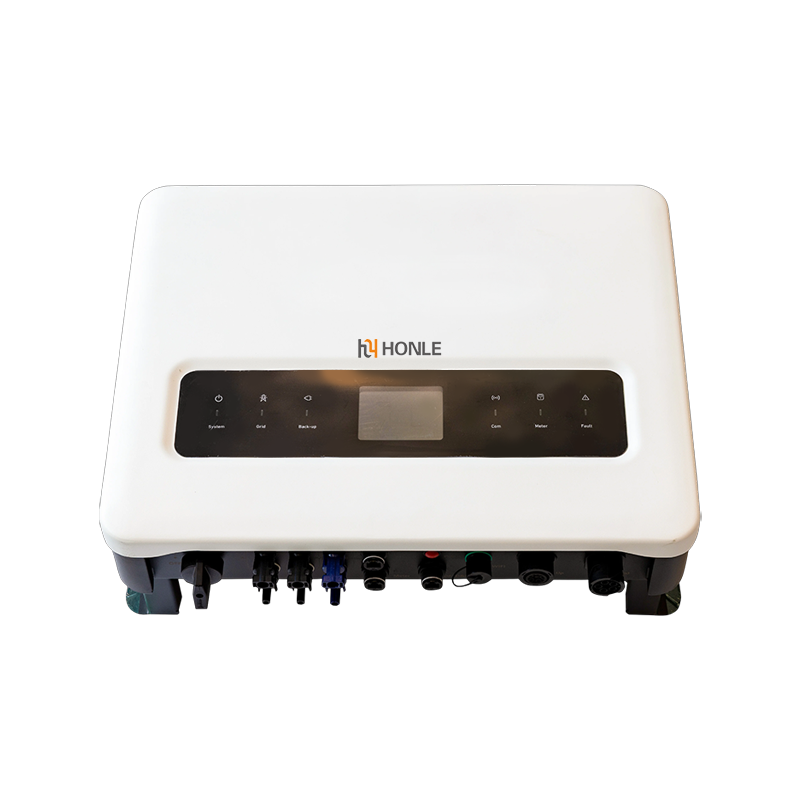
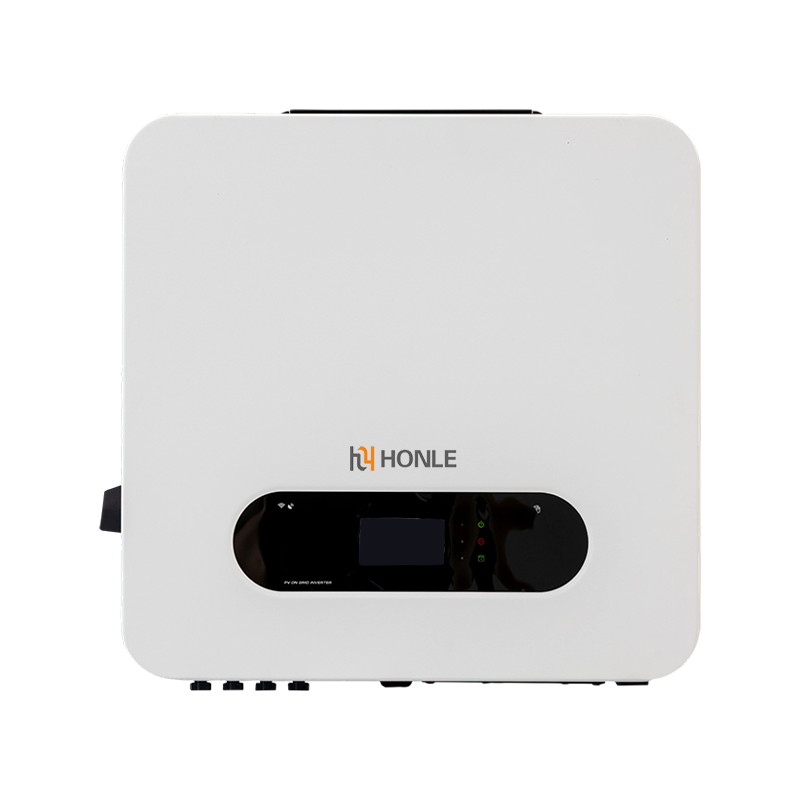
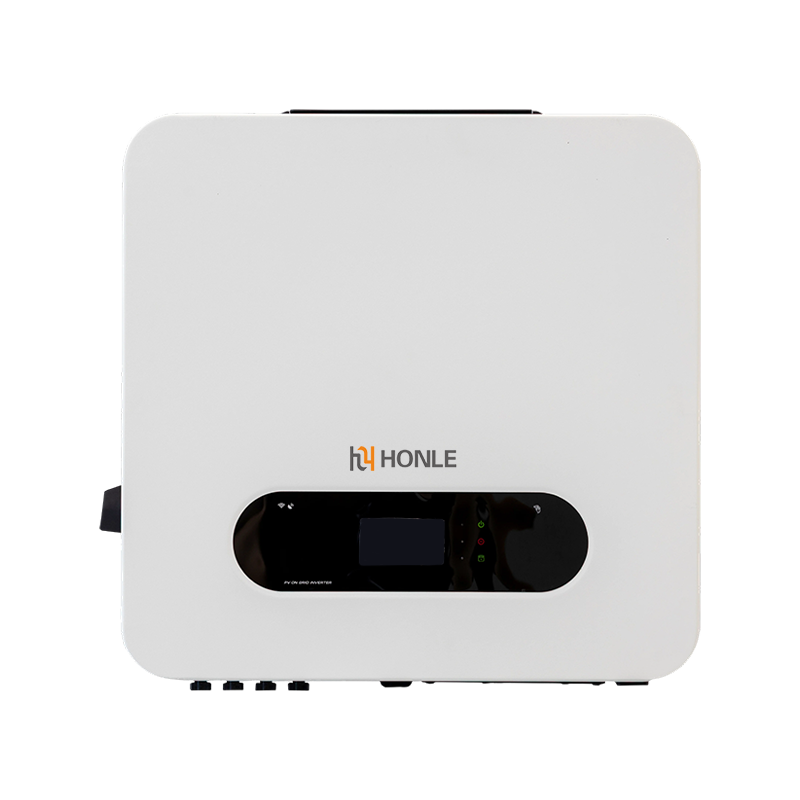
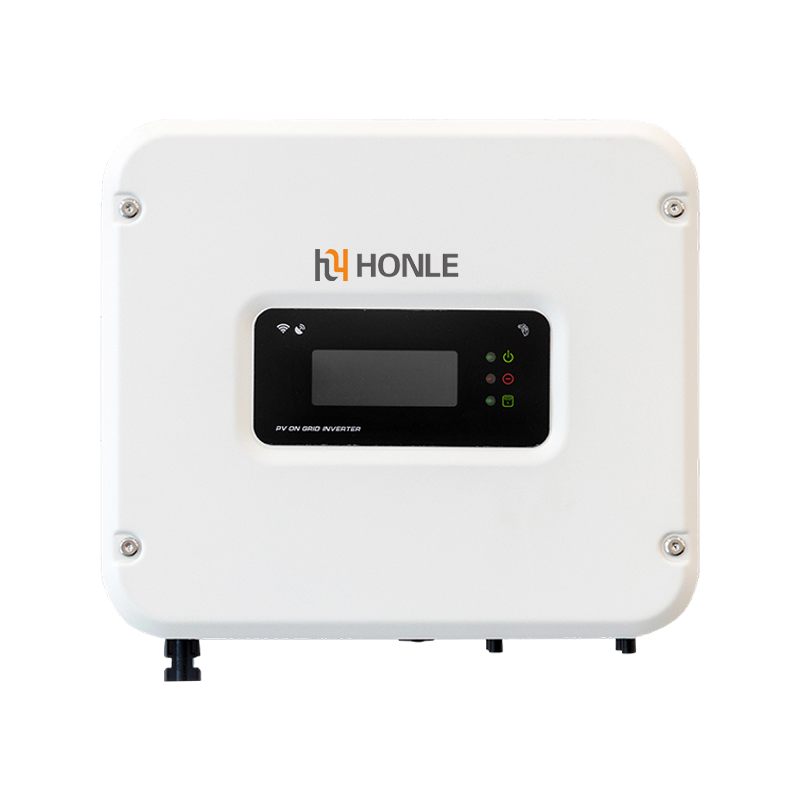
For a residential or commercial solar system, an MPPT controller is the recommended starting point. If you prefer a single device that combines charging and power conversion, a hybrid inverter with an integrated MPPT charger can eliminate the need for a separate controller. For example, the three-phase hybrid solar inverter with high-capacity energy storage includes both an MPPT charging stage and a grid-connected inverter in one cabinet, which reduces wiring and simplifies monitoring.
 Three-Phase Hybrid Solar Inverter for High-Capacity StorageThis three-phase hybrid inverter integrates MPPT charging and grid-tied conversion in one cabinet, reducing wiring while managing large solar plus battery systems for commercial and industrial energy projects.View Product →
Matching Charger Voltage to Your Battery Bank
Before buying a charger, you must confirm that its nominal voltage matches your battery bank. The common options are 12V, 24V, and 48V systems. If you wire two 12V batteries in series, you create a 24V bank; each time you double the voltage, you halve the current required for the same power, which reduces cable losses and allows smaller wire sizes.
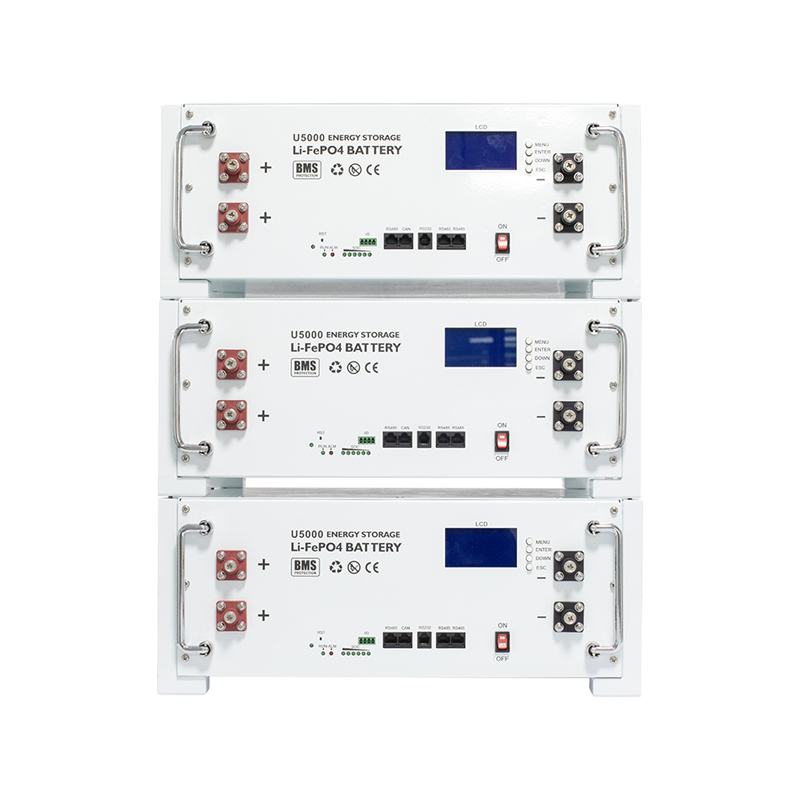
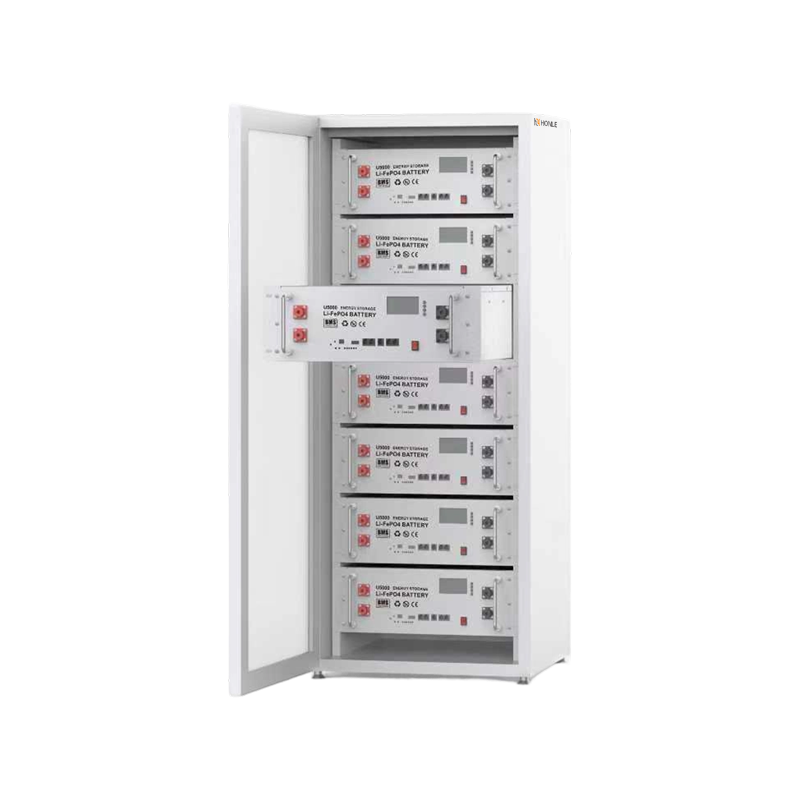
Most residential solar systems today use 48V battery banks because they support larger loads and higher charge currents without overheating. The charger's input voltage range also matters. An MPPT controller can accept a panel array with a maximum voltage much higher than the battery voltage, but it will not boost the current beyond rated limits. If you are building a new 48V system, pairing the charger with a proper battery is essential. For wall-mounted installations, a compact rechargeable wall-mounted Powerwall lithium iron battery can provide from 2.56kWh to 17kWh of storage in a single unit, which simplifies voltage matching because the battery comes with a built-in BMS that manages the charge profile.
 Wall-Mounted LiFePO4 Solar Storage Battery 2.56-17kWhCompact wall-mounted battery offering 2.56-17kWh capacity with built-in BMS and LiFePO4 chemistry, ideal for 48V home solar systems needing scalable storage and reliable performance.View Product →
Sizing the Charger Current: How Much Is Enough?
The charge current rating, usually expressed in amps, determines how quickly you can replenish the battery bank. A common rule of thumb for lithium iron phosphate batteries is to charge at 0.1C to 0.2C, where C is the battery capacity in amp-hours. For a 100Ah battery, 0.2C means 20A. Charging faster than recommended can reduce the cycle life, while charging too slowly means your solar panels may not supply enough power to carry your loads overnight.
The table below shows a starting point for sizing a battery charger for solar batteries based on battery capacity.
| Battery Capacity | System Voltage | Recommended Charger Current |
|---|---|---|
| 50Ah | 12V | 5A - 10A |
| 100Ah | 24V | 10A - 20A |
| 200Ah | 48V | 20A - 40A |
| 400Ah | 48V | 40A - 80A |
Remember that the charger's maximum current is also limited by the solar array's short-circuit current and the panel configuration. Always check the charger manufacturer's input power limits before connecting panels.
Charging Different Battery Chemistries
Battery chemistry determines the exact voltage points and charging profile. Lead-acid flooded, AGM, and gel batteries need a constant-voltage absorption stage and a float stage. They also require periodic equalization for flooded types. Lithium iron phosphate (LiFePO4) batteries have a much flatter voltage curve and generally do not need a float stage. They accept higher charge currents and have a higher round-trip efficiency.
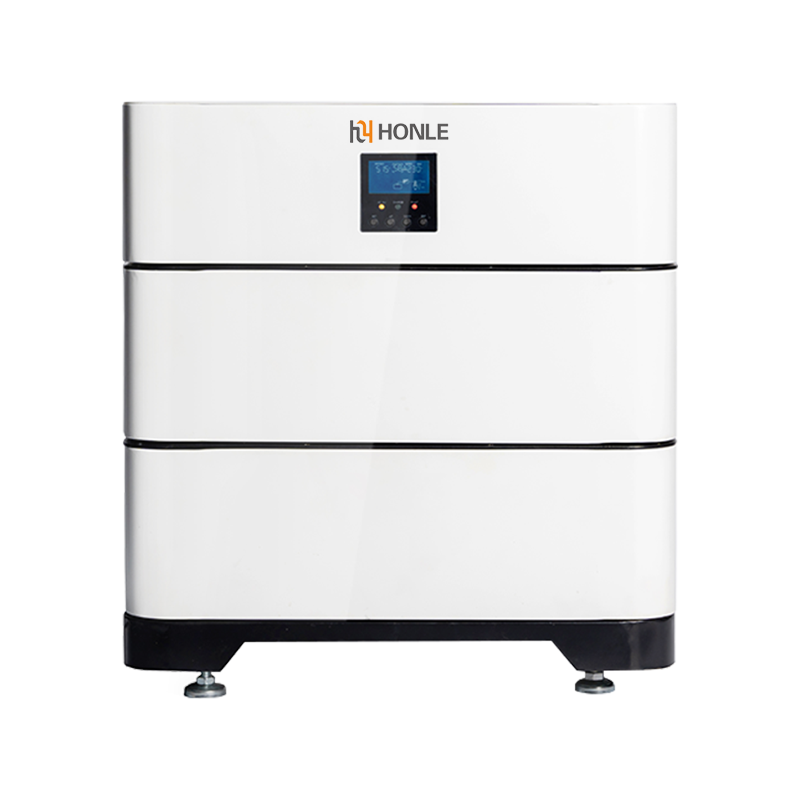
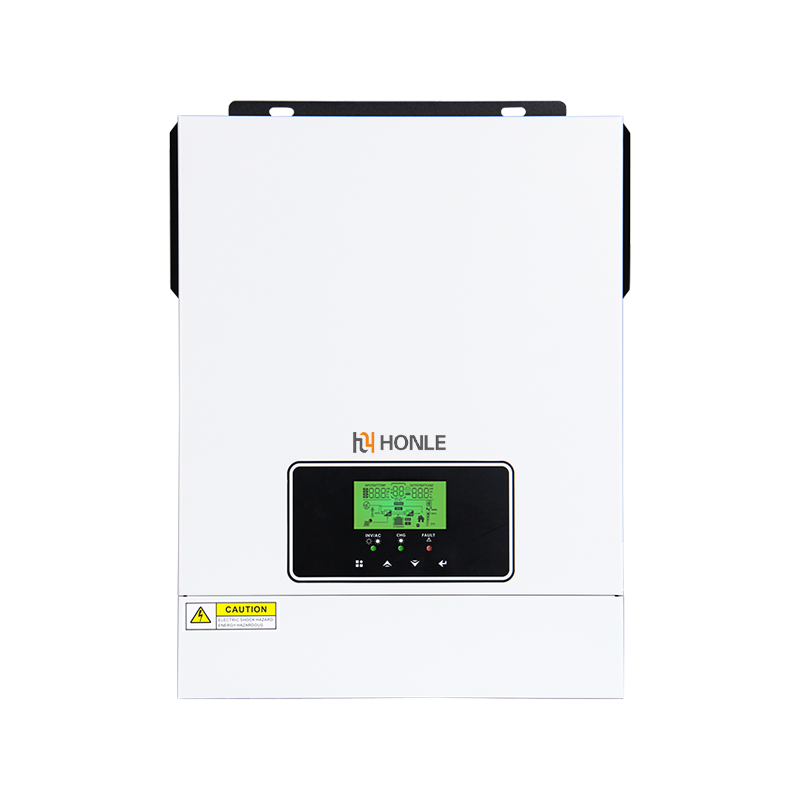
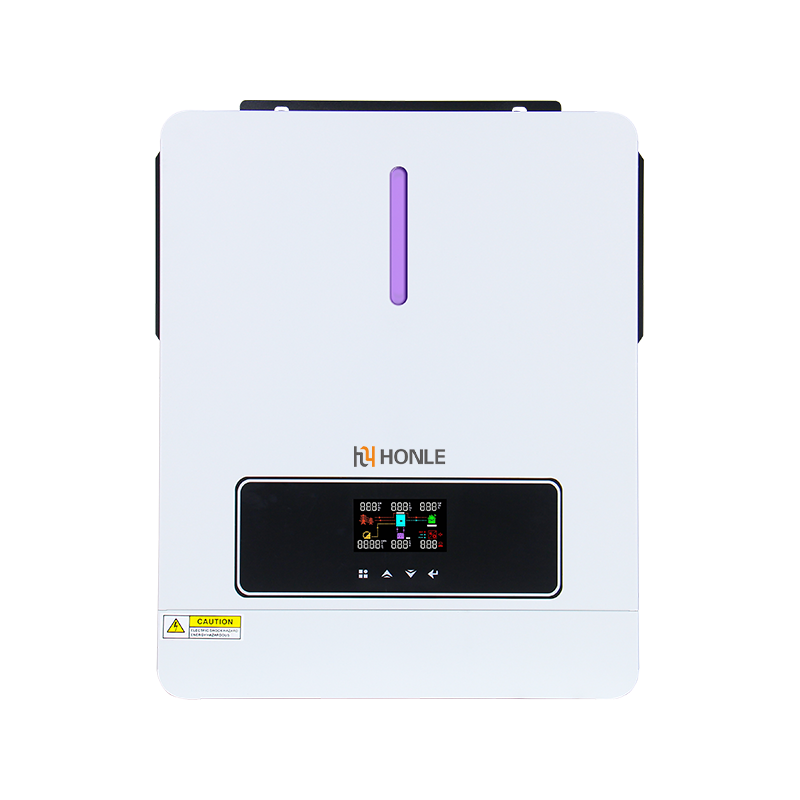
If your charger only has lead-acid modes, using it on a LiFePO4 battery can result in a floating charge that keeps the cells at a high voltage for too long, which can degrade them over time. Therefore, it is critical to verify that the charger supports your battery chemistry and that the absorption and float voltage setpoints are adjustable. For off-grid setups that use a separate inverter and charger, a hybrid off-grid solar inverter with an integrated charger simplifies this step because it offers selectable charging profiles for both lead-acid and lithium batteries.
 Hybrid Off-Grid Solar Inverter with Battery SupportThis hybrid inverter supports on/off-grid operation and compatible with lead-acid or lithium batteries, featuring an integrated MPPT controller for efficient charging and reliable power supply in remote or weak-grid setups.View Product →
Installation and Safety Considerations
Even the best battery charger for solar batteries will not perform safely if installed incorrectly. Use wire sizes that match the current rating of the charger and keep cable runs as short as possible. A fuse or circuit breaker should be placed on the battery side and on the solar side to protect against short circuits and reverse polarity. In off-grid systems, grounding is another critical point; many controllers include a built-in ground-fault protection but you should still follow local codes.
When choosing a charger, check the temperature compensation feature. Some controllers adjust the charging voltage based on battery temperature to avoid overcharging in hot climates. For large commercial projects, a well-designed system benefits from remote monitoring. You can pair your charger with a cloud platform to track battery state of charge, voltage, and energy flow in real time. If you are planning a larger installation, you can also review how similar systems were deployed in our case studies to understand practical design choices and performance outcomes.
Common Mistakes to Avoid
When buyers search for a battery charger for solar batteries, a few errors appear again and again. The first is choosing a PWM controller for a large solar array where panel voltage is much higher than the battery bank voltage. In that configuration, PWM can waste a significant portion of the solar energy that an MPPT controller would have saved. Another mistake is ignoring the charger's maximum input voltage. If the panels produce more voltage than the controller can handle, the unit can shut down or be permanently damaged.
Many people also underestimate the importance of a temperature sensor. A battery that gets hot in the summer needs a lower absorption voltage than a cool battery in winter. Without temperature compensation, a fixed-voltage charger can overcharge the battery on warm days. Finally, do not rely entirely on automatic detection. Confirm that your charger supports the exact battery chemistry you use and that the setpoints match the manufacturer's recommendations.
Frequently Asked Questions
Q1: Can I use a regular battery charger for solar batteries?
A regular AC-powered battery charger may be able to charge a solar battery, but it does not connect to solar panels. It cannot maximize solar energy harvesting and may not support the charging profile required by a deep-cycle or lithium battery. A solar charge controller or an inverter with a solar charge controller is the correct solution.
Q2: What does MPPT mean on a solar battery charger?
MPPT stands for Maximum Power Point Tracking. It adjusts the electrical operating point of the solar array to extract the maximum power available at any given irradiance and temperature. This makes MPPT controllers much more efficient than PWM controllers when the panel voltage differs from the battery voltage.
Q3: How do I know if my battery charger is compatible with LiFePO4 batteries?
Look for a charger that specifies a lithium mode with adjustable absorption and float voltages, or that has a dedicated LiFePO4 profile. Avoid using lead-acid-only chargers, as they often maintain a float voltage that is too high for LiFePO4 cells.
Selecting the right battery charger for solar batteries is not just about buying a brand name. It is about matching the charger's regulation technology to your array configuration, confirming voltage compatibility with your battery bank, sizing the current to your capacity, and verifying that the charging profile fits your battery chemistry. Start with those four factors, and you will protect your investment, maximize the energy you harvest, and get the most reliable performance out of your solar storage system.
Related products
News
-
Honle New Energy Technology Participates in Industry Exhibition From September 8 to 10, 2026, Honle New Energy Technology Co., Ltd. partic...
READ MORE -
You have mounted solar panels, wired a battery bank, and installed an inverter. Yet your batteries never seem to reach full charge, or they...
READ MORE -
You have just received a higher electricity bill, and the sun is still shining outside. Can you actually use that free energy? Yes, but no...
READ MORE -
Allan just installed a 6 kW solar array on his workshop roof. The quote offered two choices: save $120 by accepting a modified sine wave i...
READ MORE -
The Wattage Number That Decides Everything Before you choose a portable power station, an inverter, or a solar array, the only number you r...
READ MORE

PRODUCTS
LINKS
CONTACT
- Landline: +86-021-56981116
- TEL: +86-13795289200
- Email: [email protected]
- Address: 301-09, Building 6, Zhangjiang Microelectronics Port, No.690 Bibo Road, Pudong District, Shanghai
Copyright © Honle New Energy Technology Co., Ltd.
All Rights Reserved.
Wholesale Solar Energy Equipment Suppliers

This site uses cookies. By continuing to browse the site you are agreeing to our use of cookies. For more details about cookies and how to manage them see our 《Privacy Policy》
Accept