

 English
 Français
 Español
See Details
- Residential Energy Storage

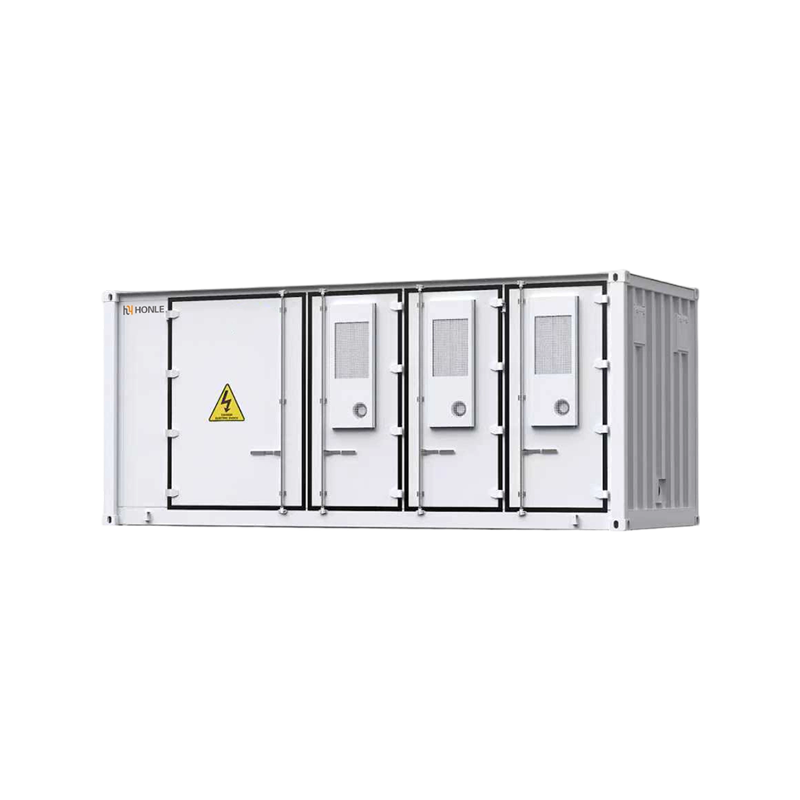
- C&I BESS

- Large-Scale Centralized Energy storage

- Solar Panel

- Power Inverters

- Vehicle Lithium Battery


Industry News
Home / News / Industry News / How to Use Solar Energy at Home and in Business: A Complete Practical Guide
How to Use Solar Energy at Home and in Business: A Complete Practical Guide
Content

You have just received a higher electricity bill, and the sun is still shining outside. Can you actually use that free energy? Yes, but not with a single solar panel. The practical question "how to use solar energy" comes down to three choices: stay connected to the grid, add battery backup, or go fully off-grid. This guide explains those choices, the components they require, and the mistakes that can cost you money.
How Solar Energy Works
Solar panels use the photovoltaic effect to convert sunlight into direct current (DC) electricity. That electricity has to be converted into alternating current (AC) if you want to run standard home appliances or feed it into the grid. An inverter does this job. Any surplus electricity can be stored in a battery or sent to the utility grid if you have a grid-tied system.
Understanding this flow helps you make better buying decisions: panels determine how much energy you can collect, the inverter determines how much of that energy you can actually use, and the battery determines how long you can keep using it after sunset.
The Main Ways to Use Solar Energy
Your choice of system type depends on whether your property is connected to the utility grid and whether you need backup power. Here is a quick comparison of the three main configurations.
| System Type | Grid Connection | Backup Power | Best For |
|---|---|---|---|
| Grid-tied | Yes | No battery backup | Lower initial cost, net metering, daytime savings |
| Off-grid | No | Battery required | Remote cabins, farms, mobile setups |
| Hybrid | Yes | Battery backup | Power outages, maximizing self-consumption |
If you are connected to the grid and just want to reduce your electric bill, a grid-tied system is the most cost-effective. If your property is far from power lines, an off-grid system with a large battery bank is necessary. If you live in an area with frequent outages or want to use your stored solar power at night, a hybrid system offers the best of both.
Grid-Tied Solar
In a grid-tied setup, the grid acts as your virtual battery. When your panels produce more than you use, the extra electricity is exported to the grid. When you produce less, you buy from the grid. This is the simplest and cheapest way to use solar energy, but you lose power during an outage unless you add a small battery.
Off-Grid Solar
Off-grid systems require you to generate and store all the electricity you consume. This means proper sizing is critical: your panels must cover your daily energy needs, and your battery bank must store enough for several cloudy days. Common applications include remote cabins, farms, and mobile projects.
Hybrid Solar
Hybrid systems combine grid connection with battery storage. You can charge your battery from solar during the day, use it at night, and still export surplus energy to the grid. This setup is ideal for homeowners who want independence from the grid without giving up its reliability.
Portable Solar
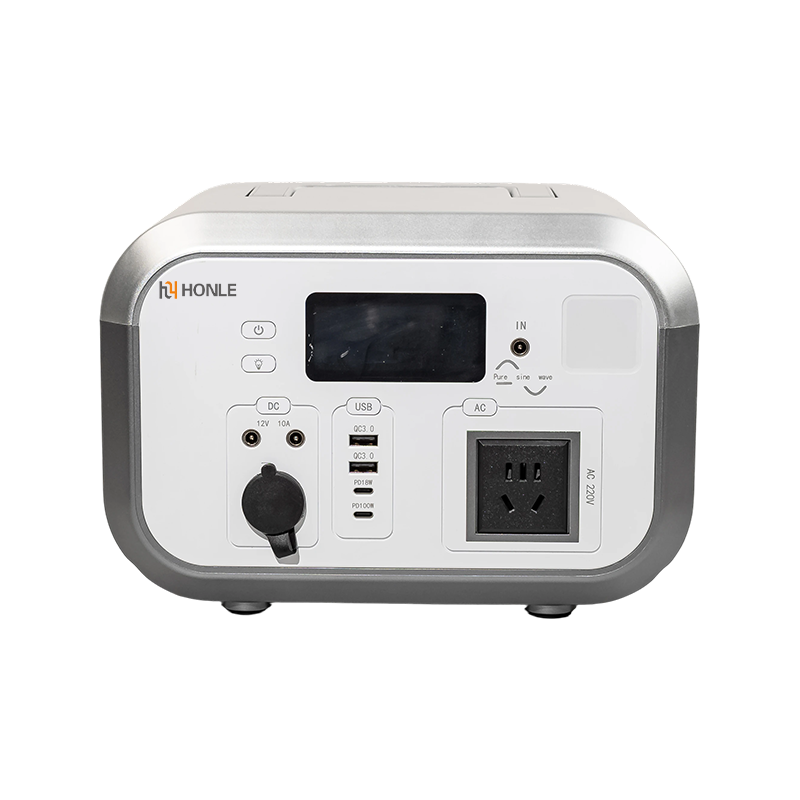
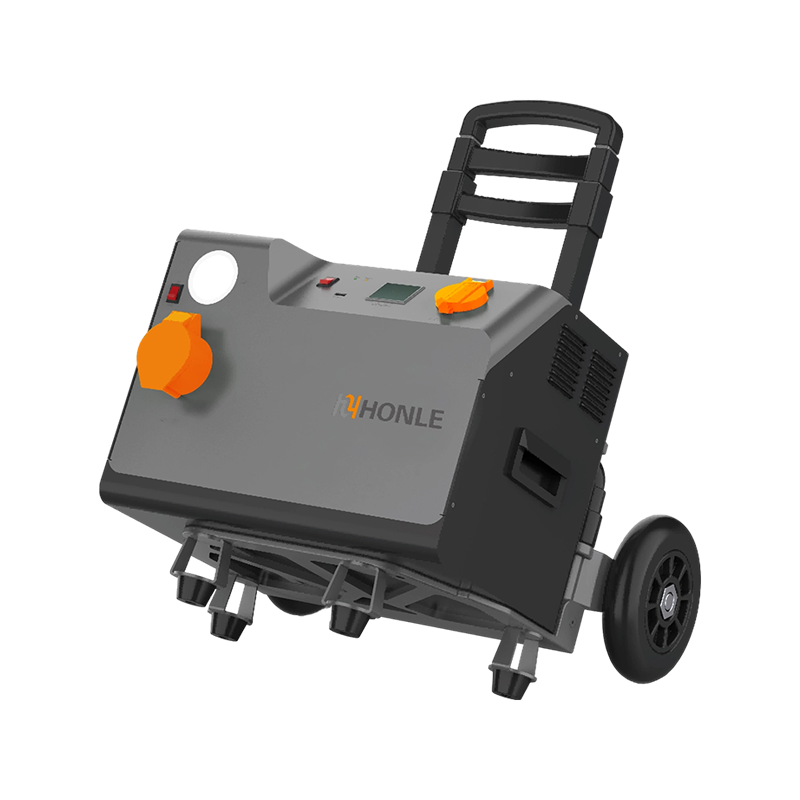
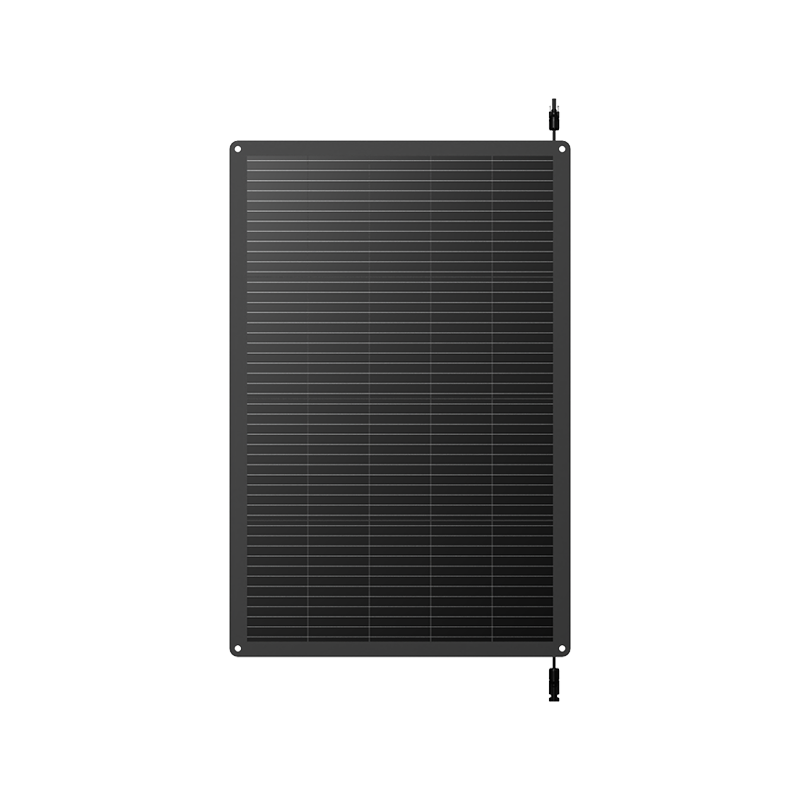
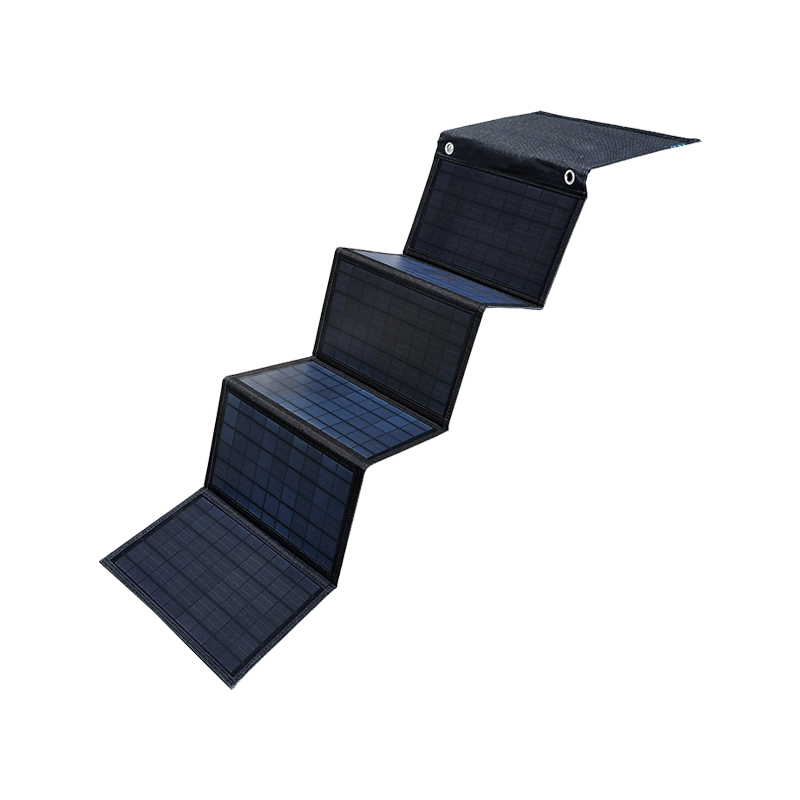
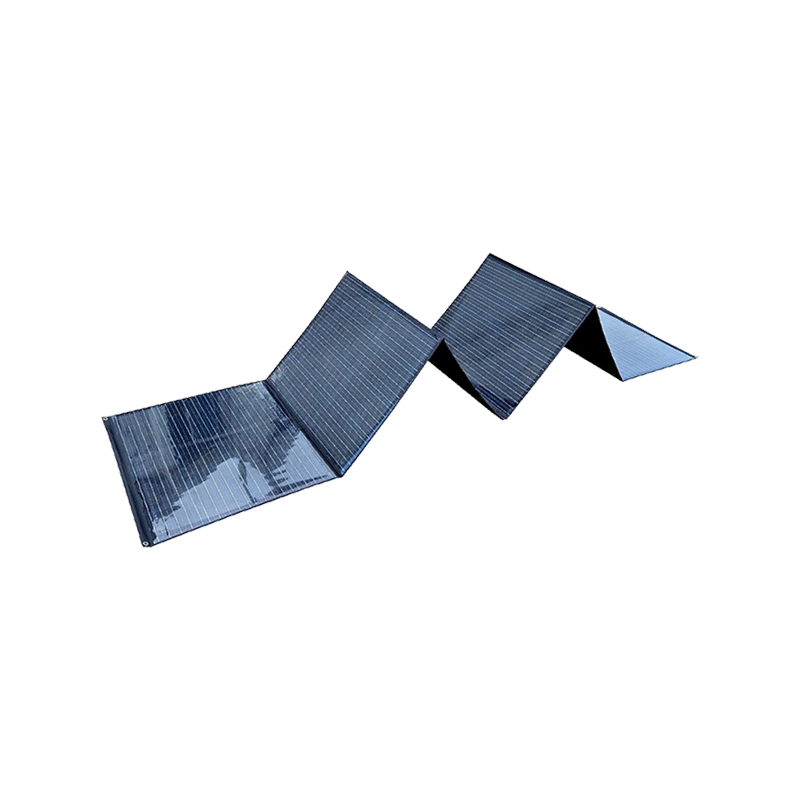
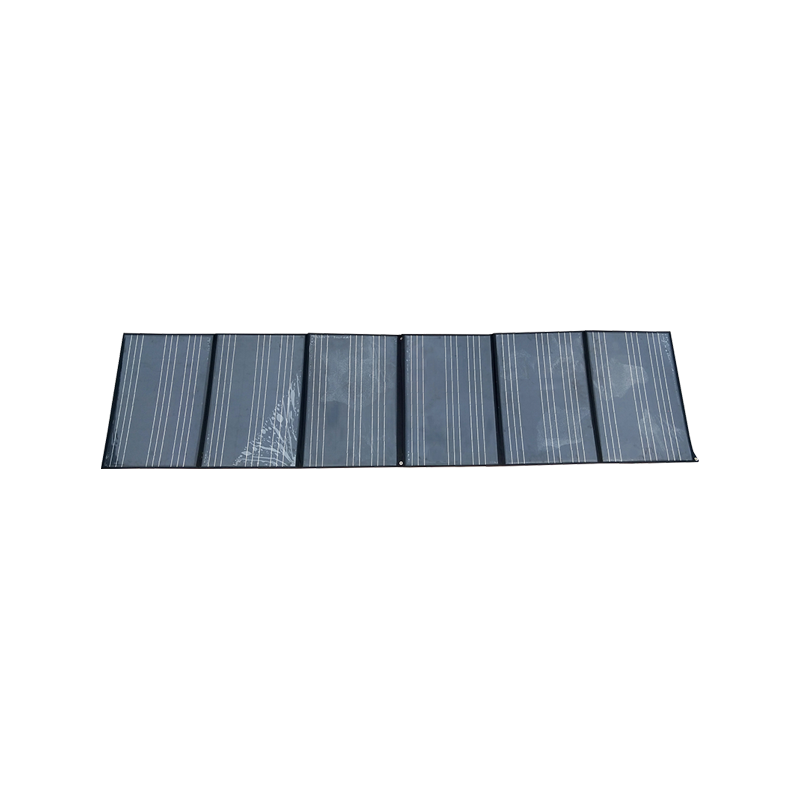
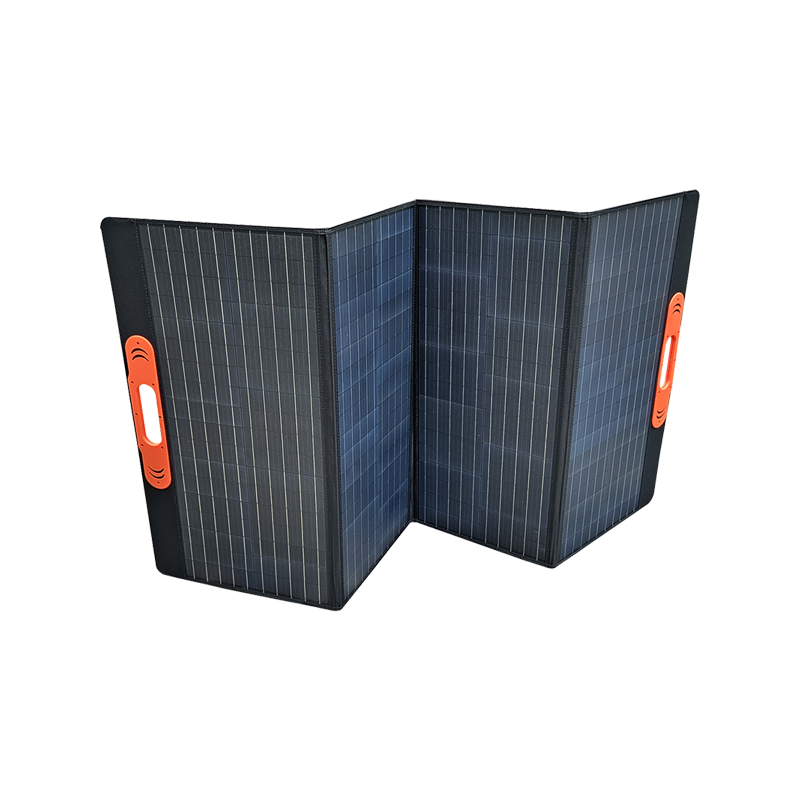
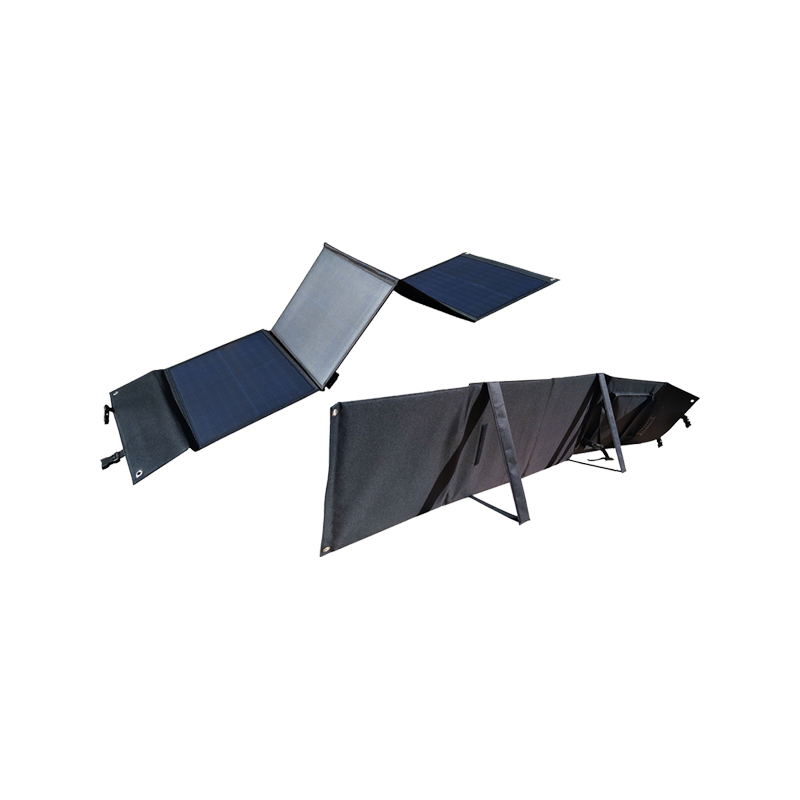
Portable solar panels and power stations let you use solar energy away from fixed installations. They power camping gear, RVs, boats, and tools. Flexible panels can be mounted on curved surfaces where rigid panels do not fit.
Key Components of a Solar Energy System
Every solar installation depends on three core components, and each one has a direct impact on performance, cost, and reliability.
Solar Panels
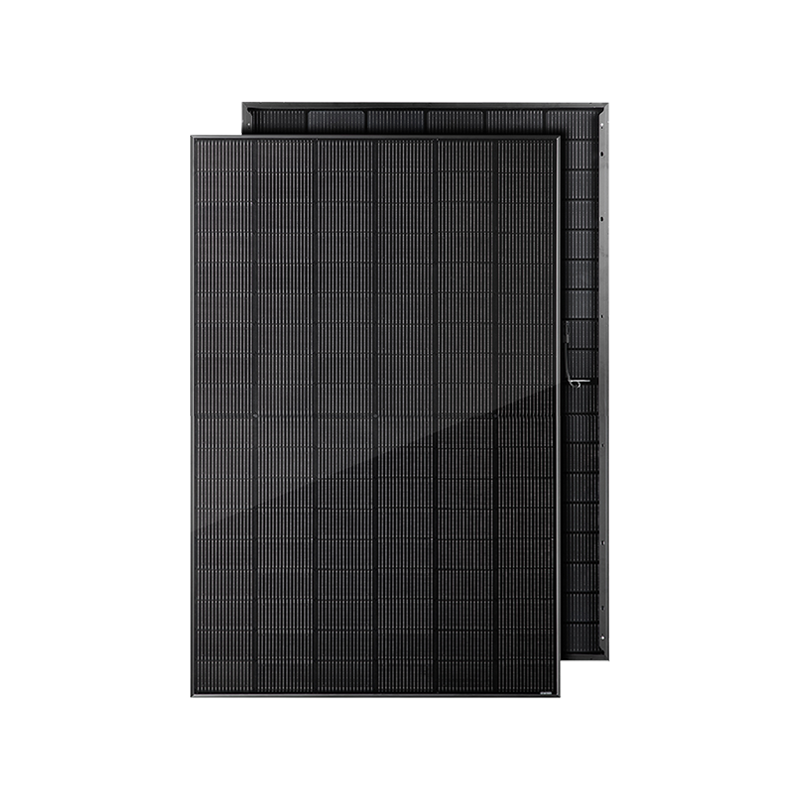
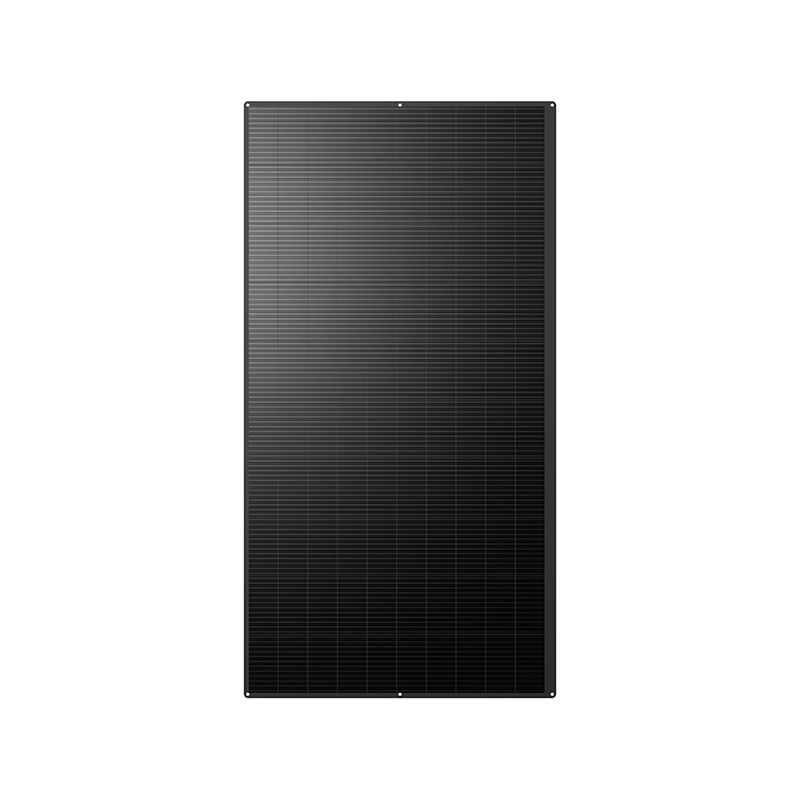
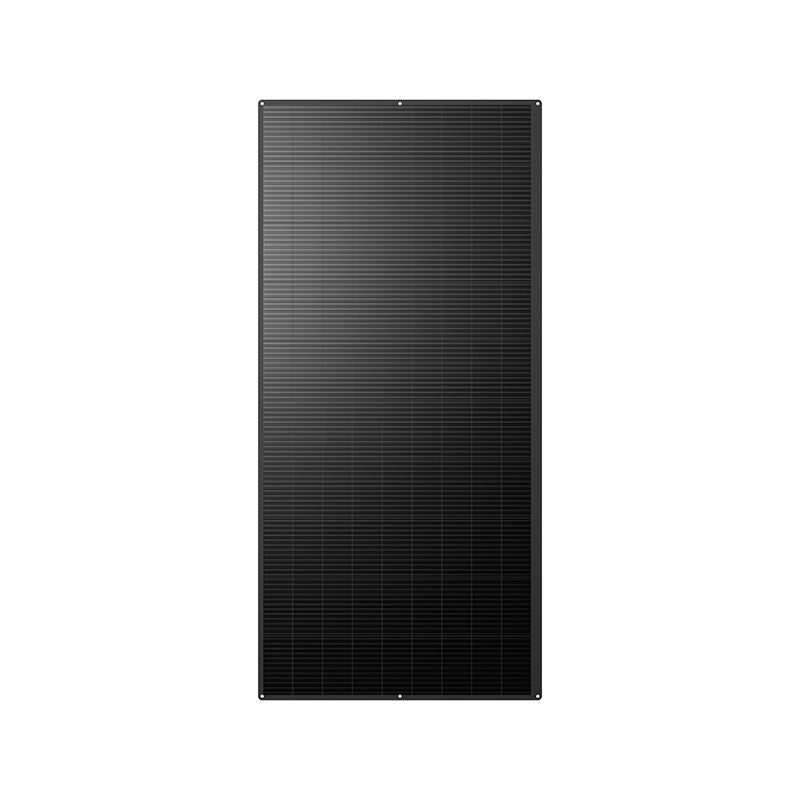
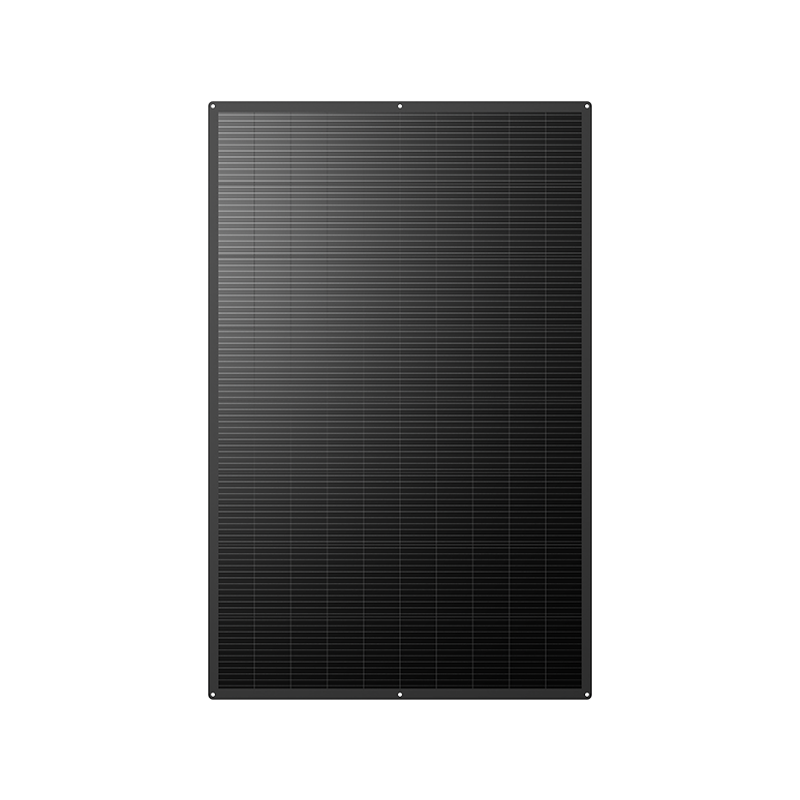
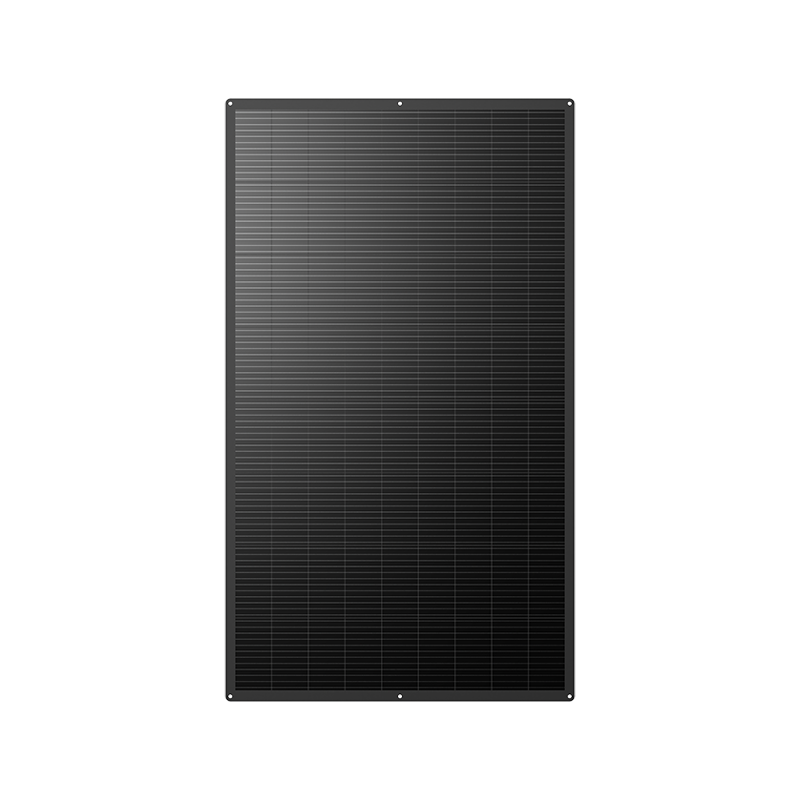
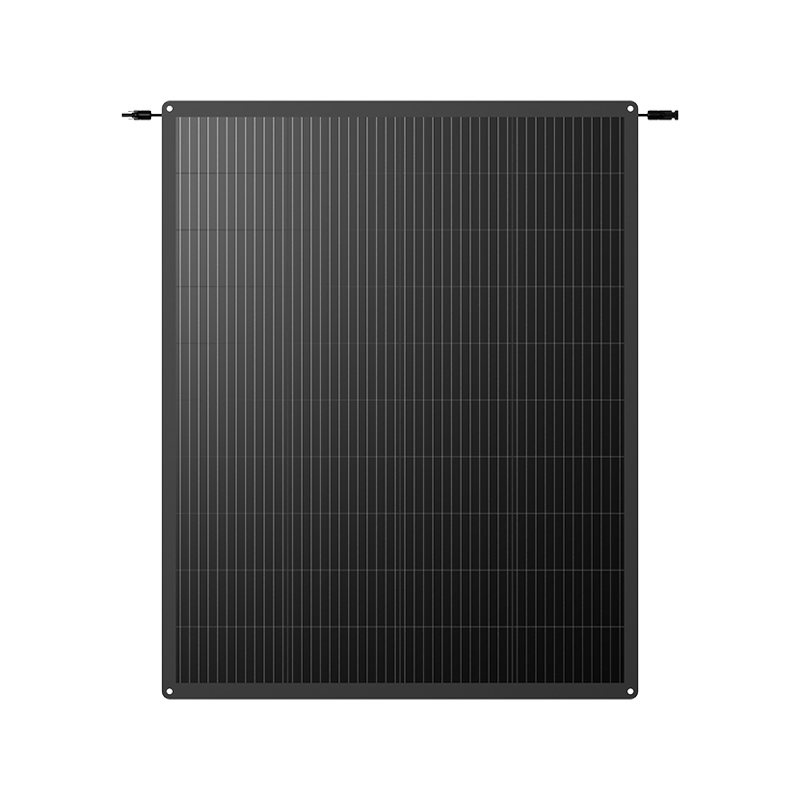
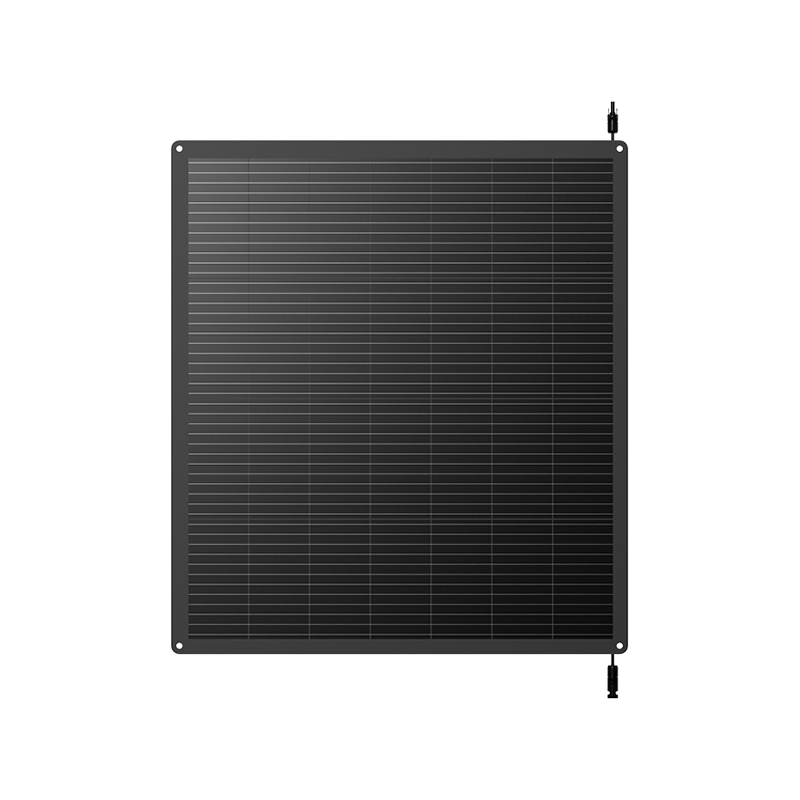
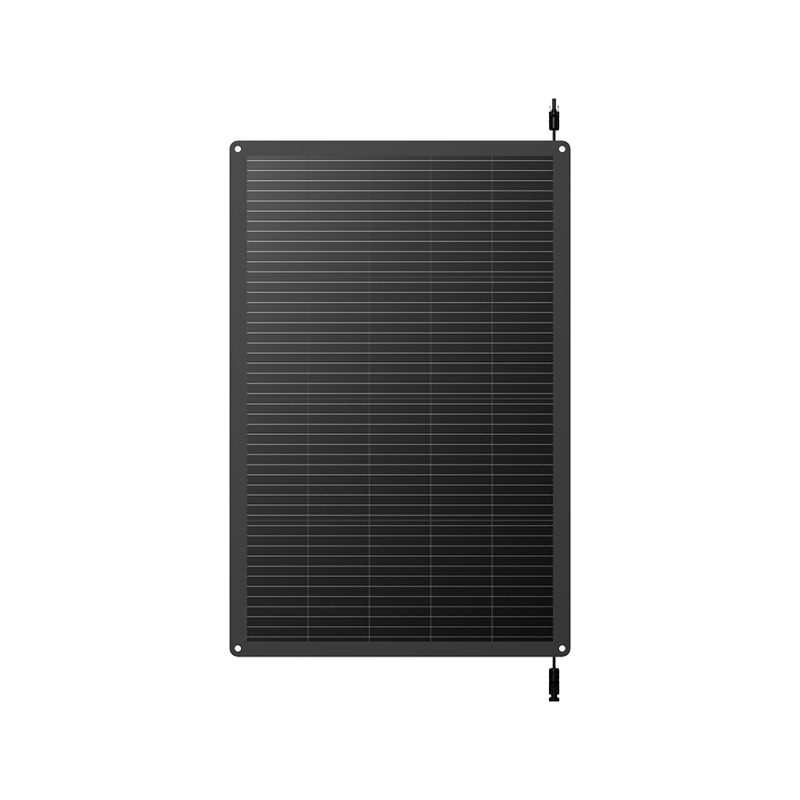
Panels are rated by efficiency and output. Monocrystalline panels are generally more efficient than polycrystalline, with N-TOPCon technology now reaching higher performance in real-world conditions. If you have limited roof space, choose the highest wattage per square meter you can afford. For mobile or curved surfaces, flexible panels are available in 100W to 500W options. A typical choice is our high-efficiency N-TOPCon solar panels when you need maximum output from a compact area.
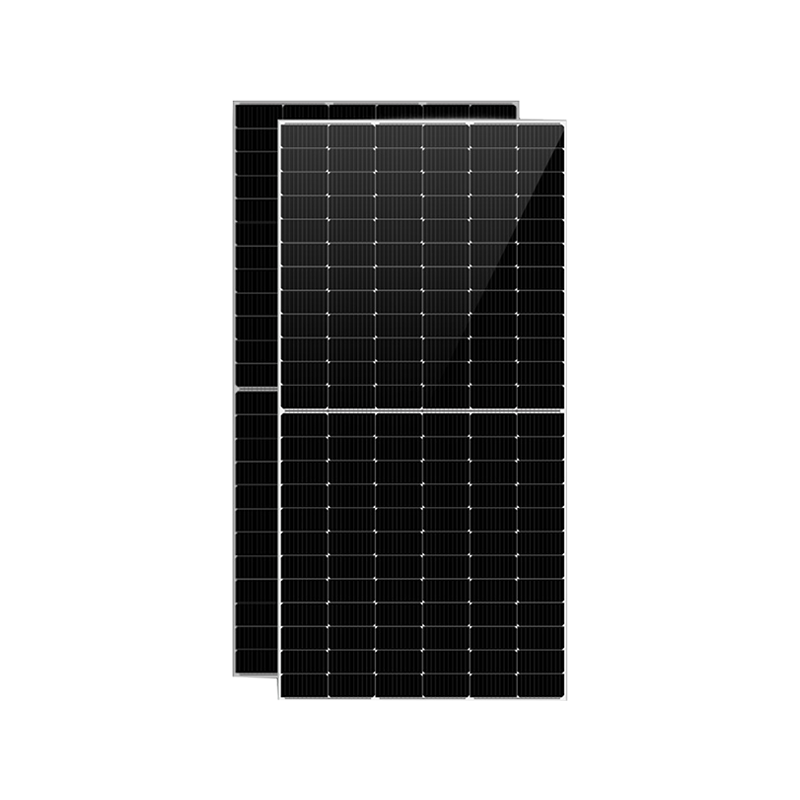 High-Efficiency N-TOPCon/PERC Solar Panels for Industrial and Residential UseThese panels offer high power output and self-cleaning design, ideal when limited roof space demands maximum energy yield from a compact area. Their robust construction ensures durability under various conditions.View Product →
Inverters
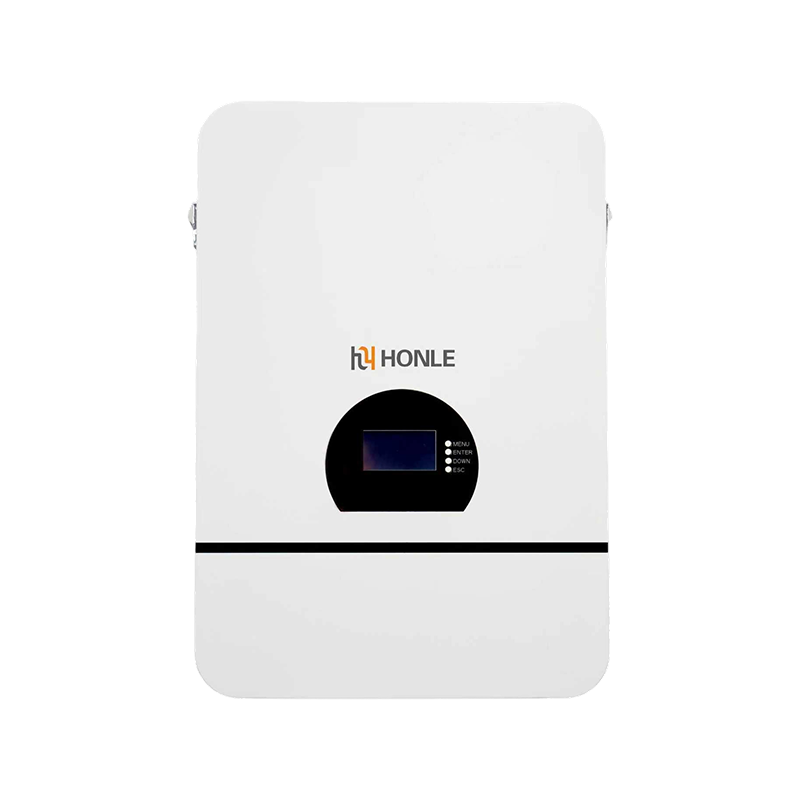
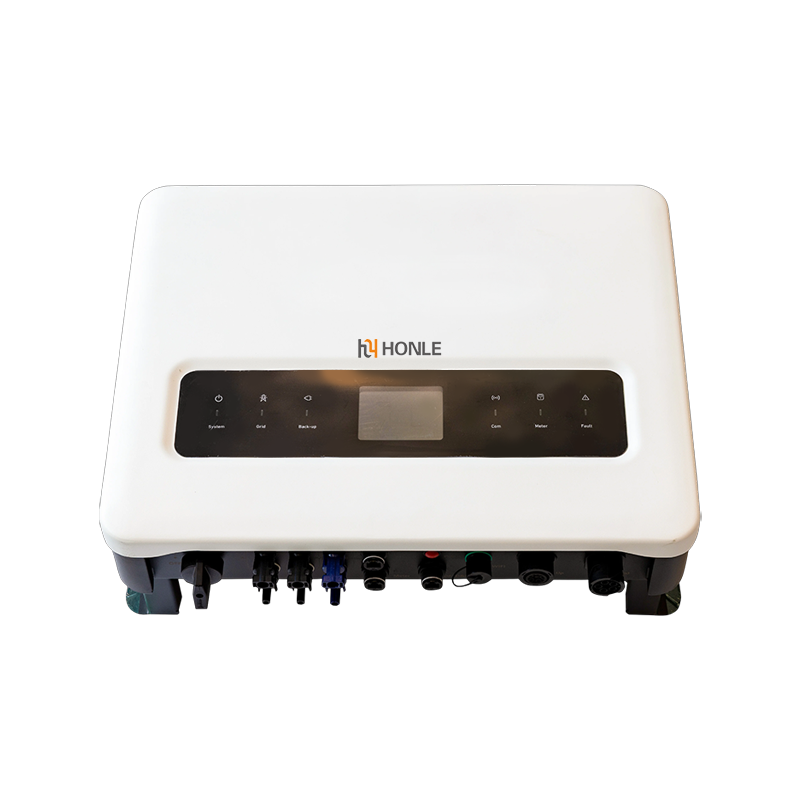
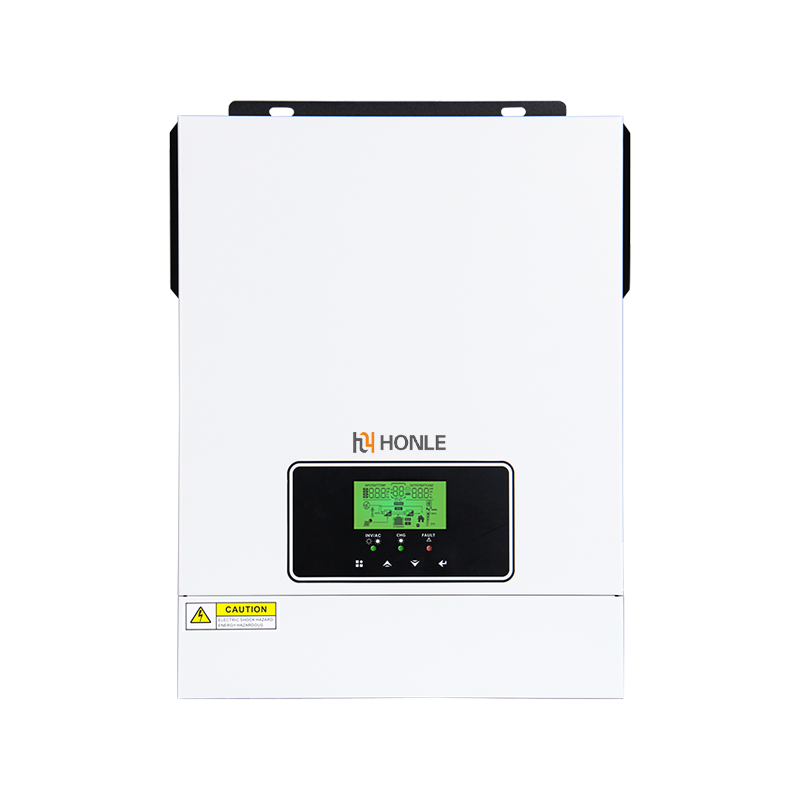
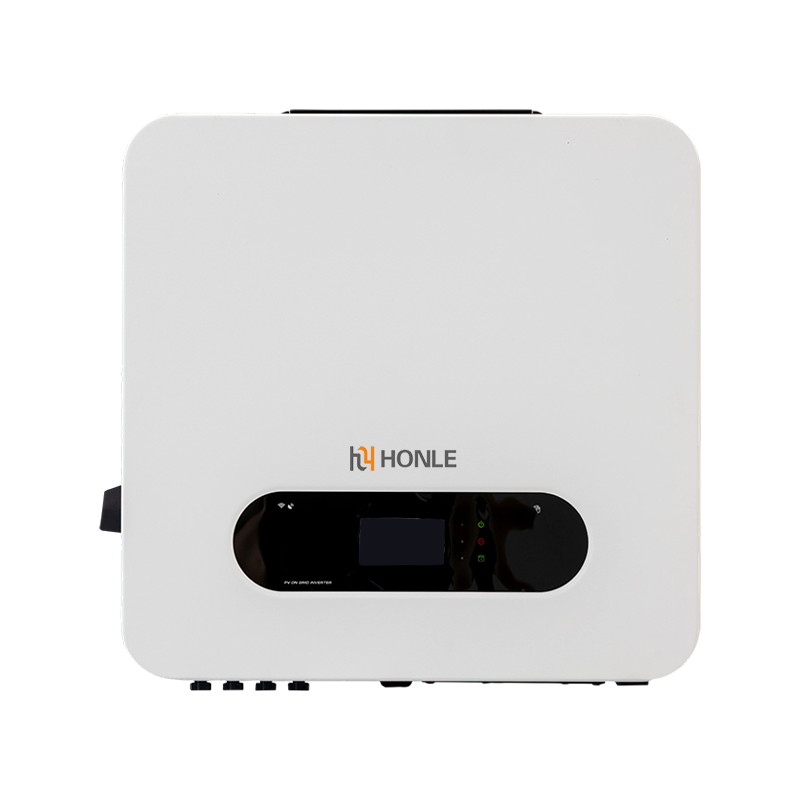
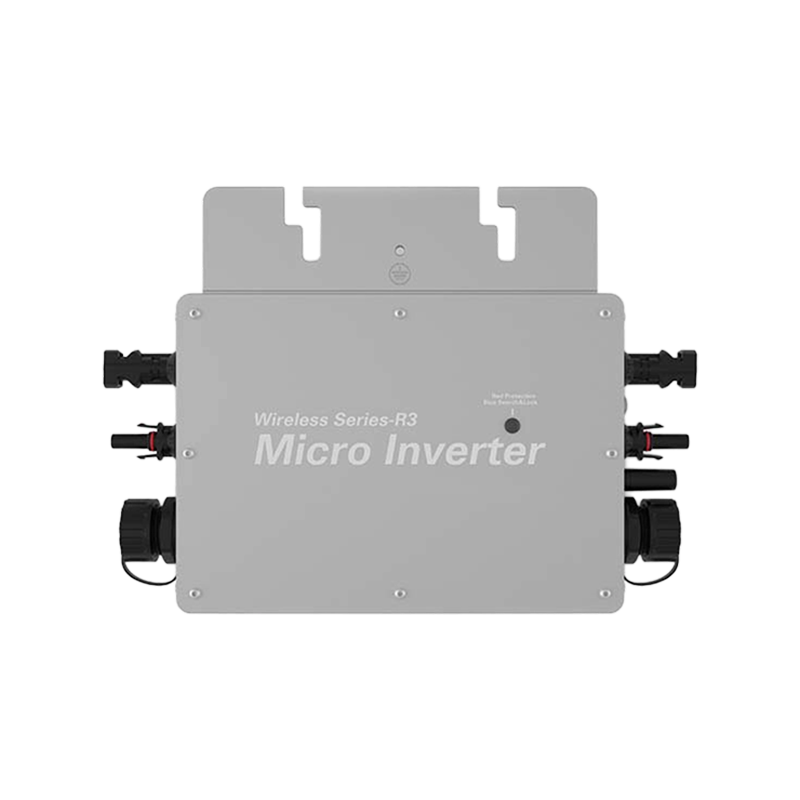
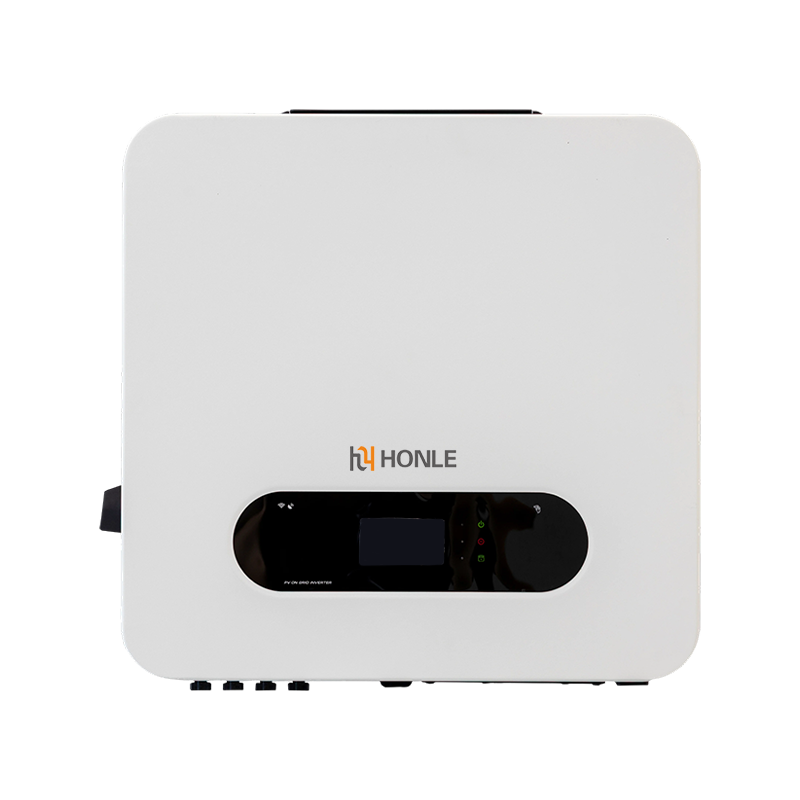
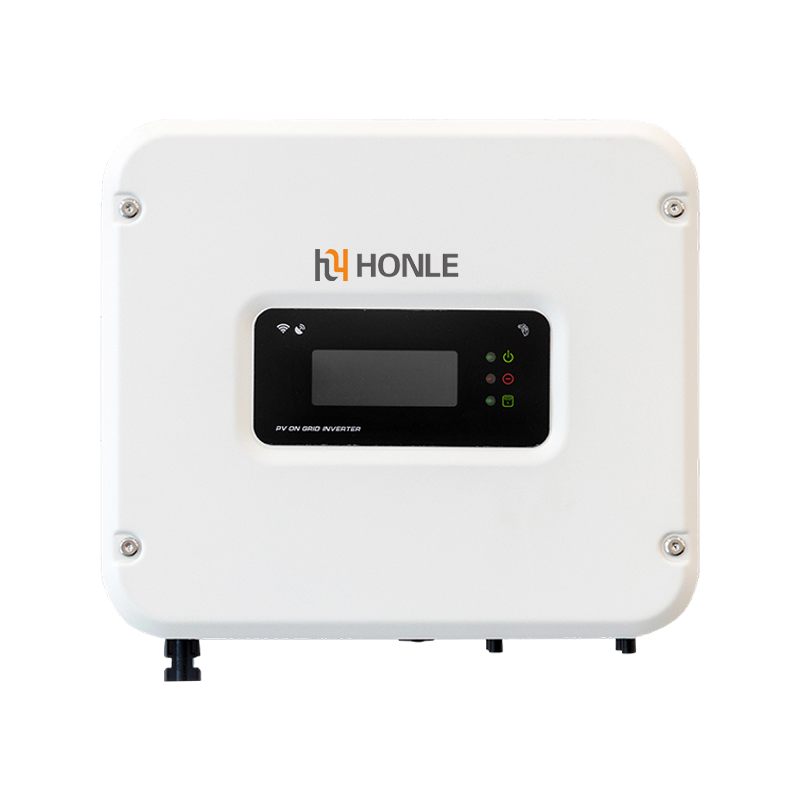
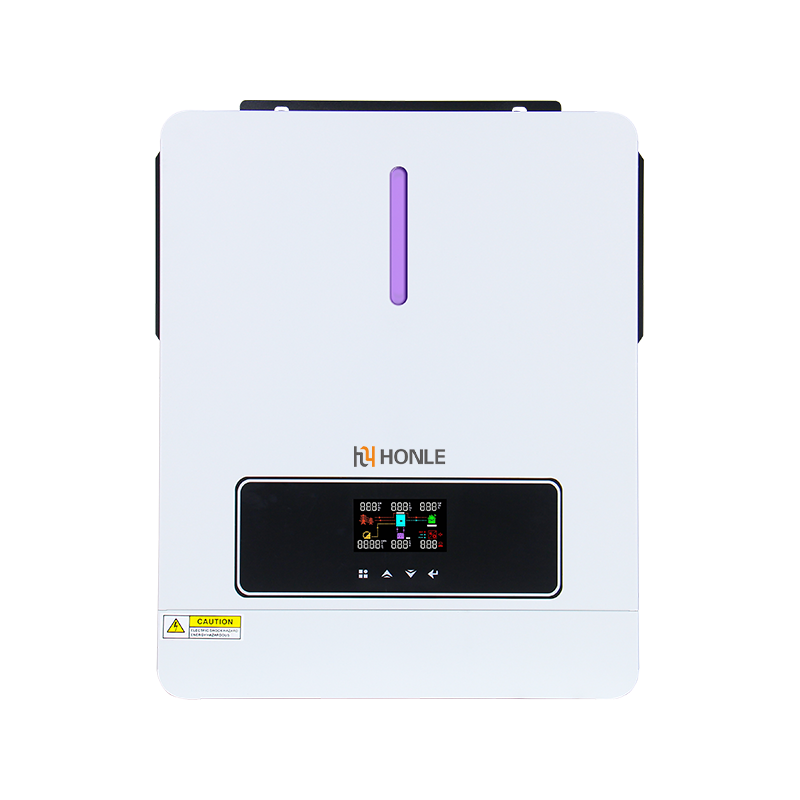
The inverter is the most thermally stressed component in a solar system. An undersized inverter can clamp your production, while an oversized one wastes money. For hybrid and backup applications, a three-phase hybrid inverter can manage both on-grid and off-grid operation. Our three-phase hybrid inverter is designed for this dual role, handling high-capacity storage and emergency backup. For balcony and small installations, micro-inverters simplify wiring and improve shade tolerance.
 Three-Phase Hybrid Inverter for High-Capacity Storage and BackupThis inverter manages both on-grid and off-grid operation, making it suitable for systems requiring emergency backup and large-scale storage. Its features support efficient energy flow and remote monitoring.View Product →
Batteries
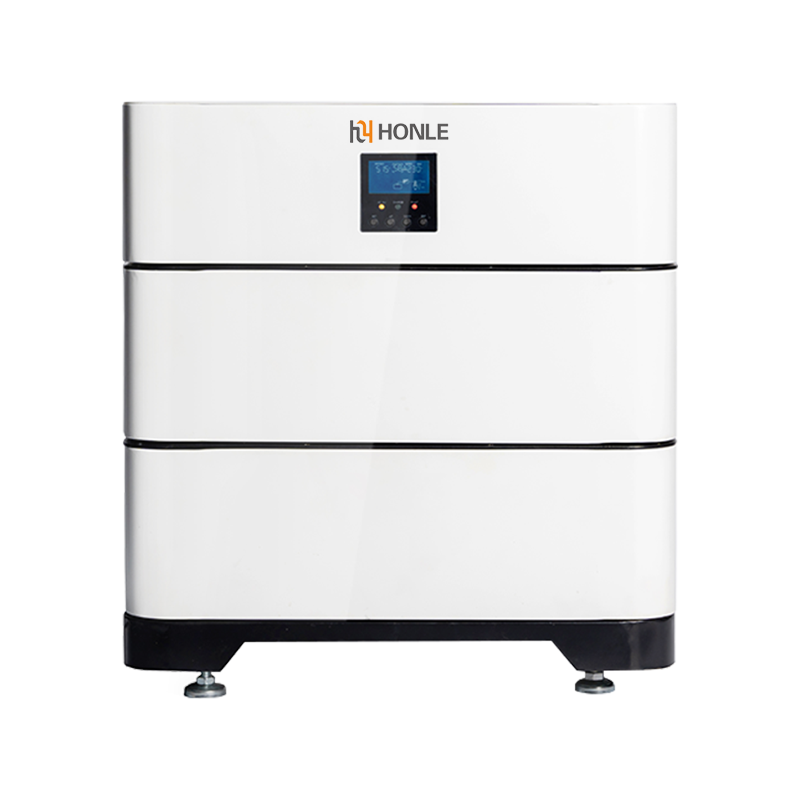
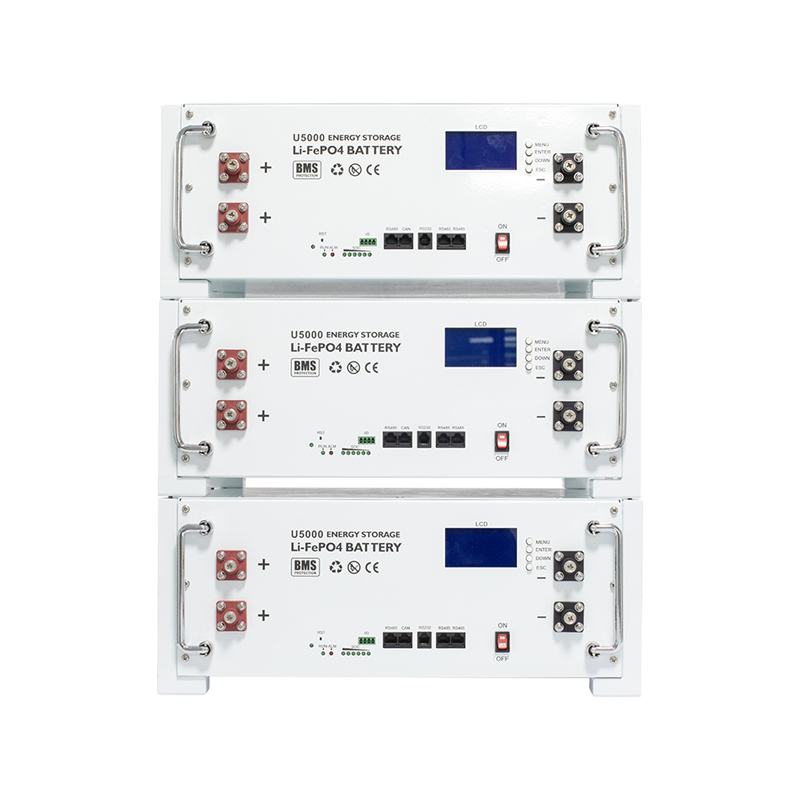
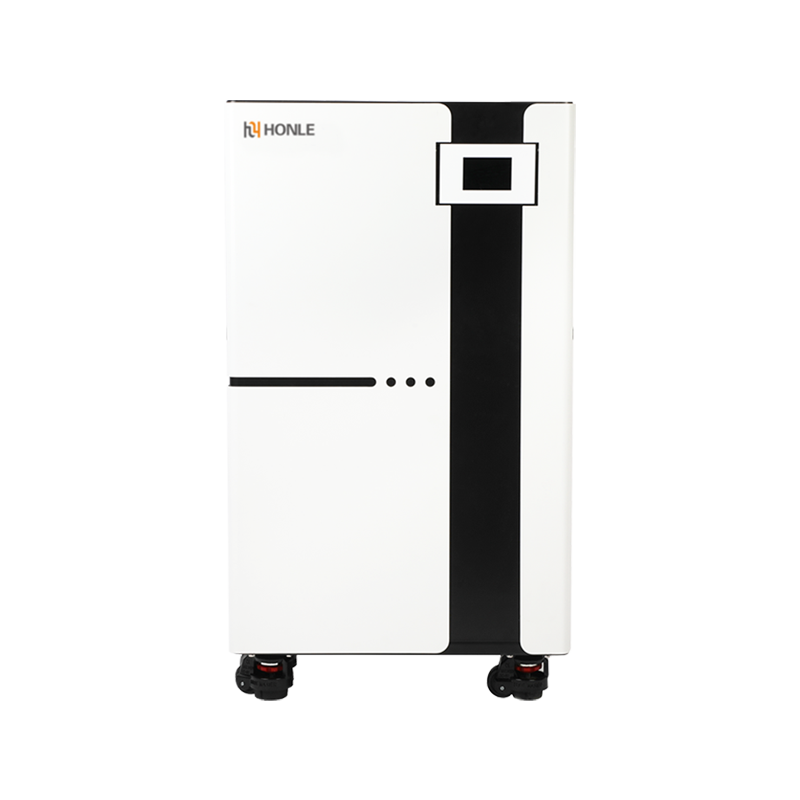
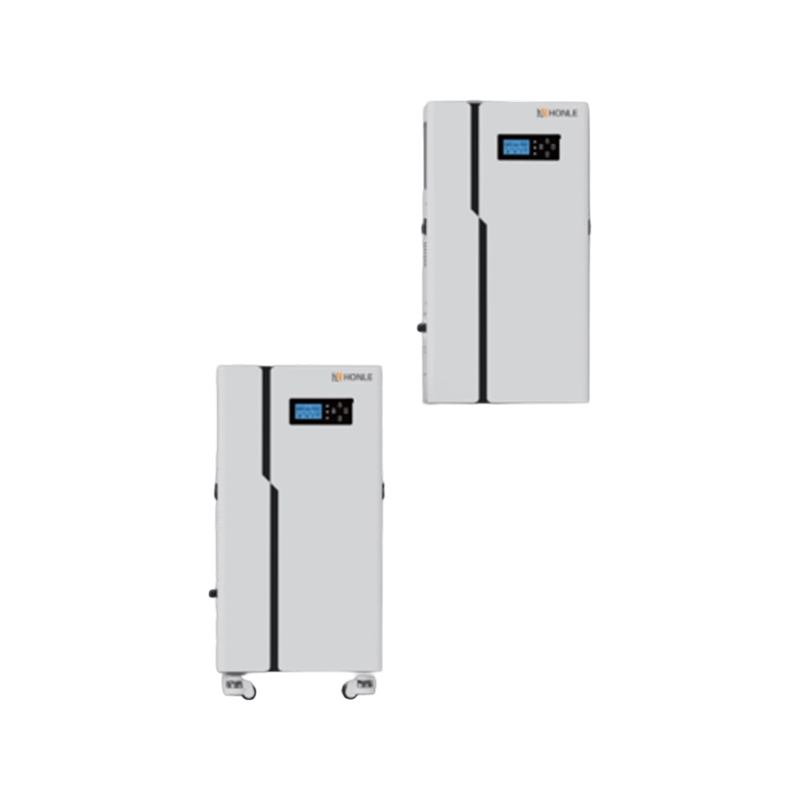
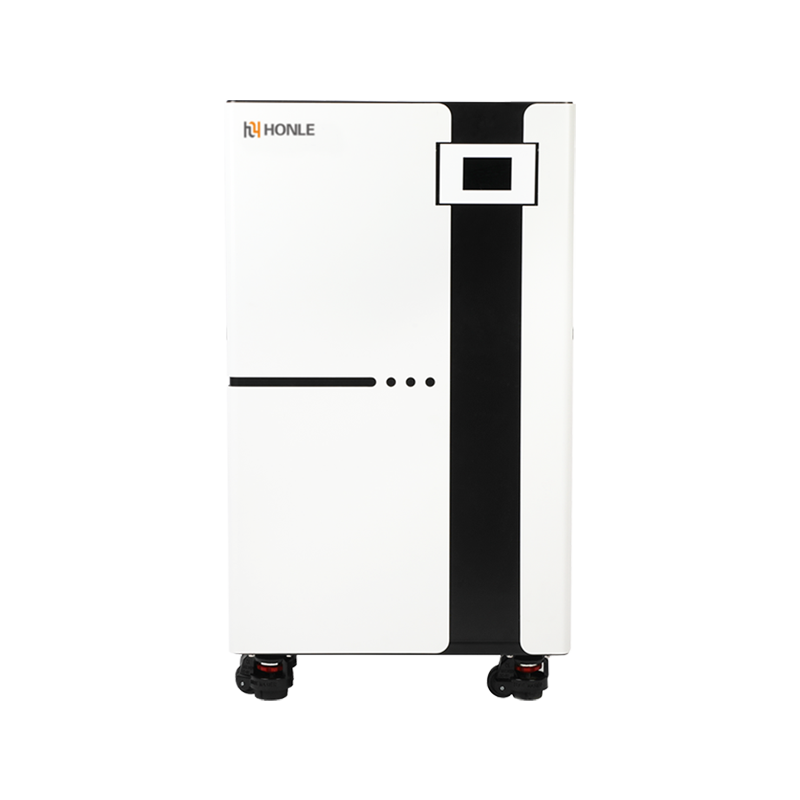
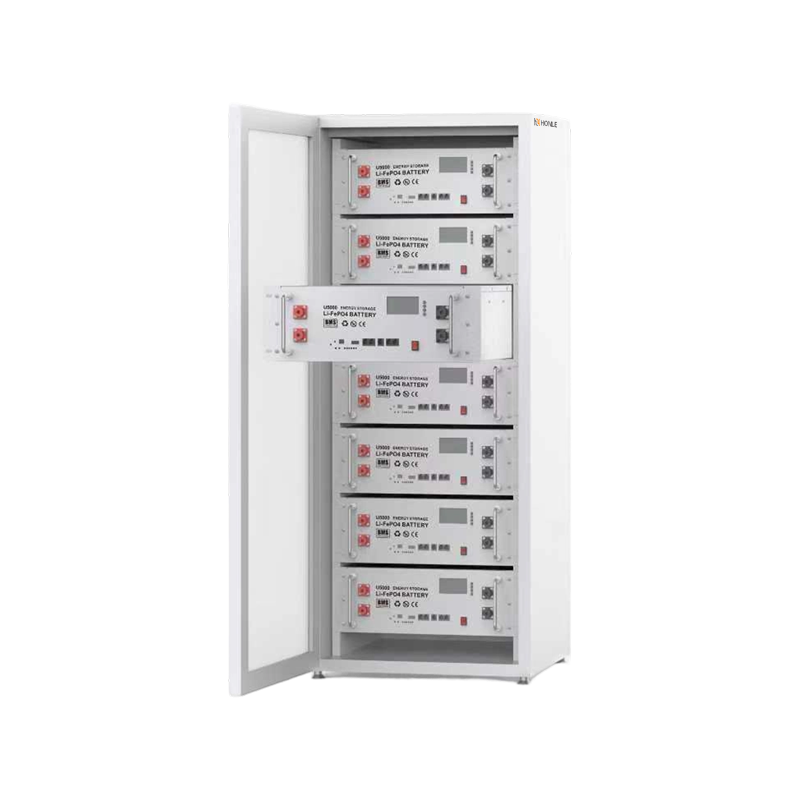
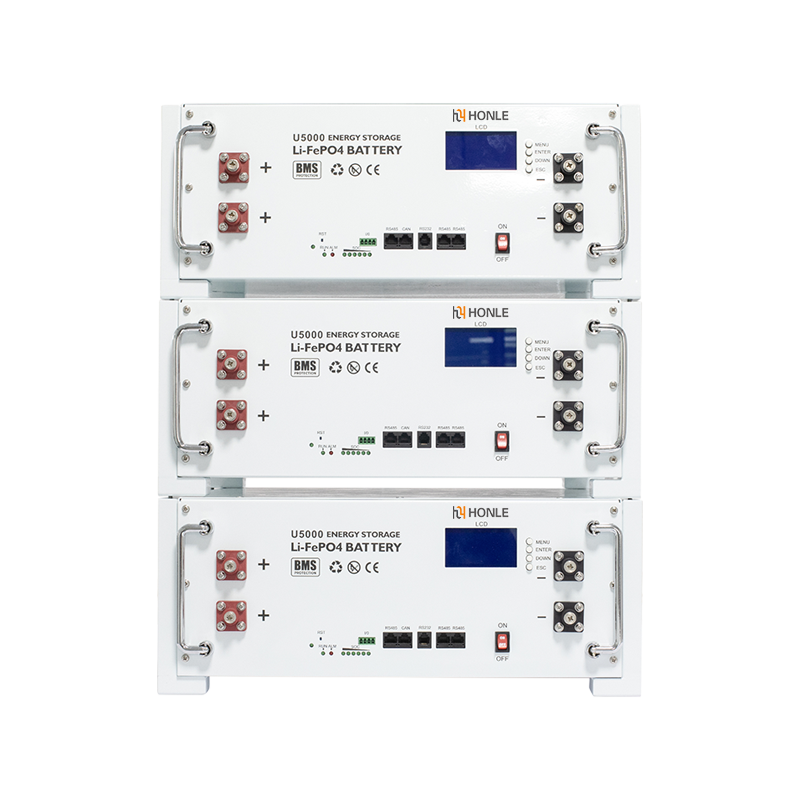
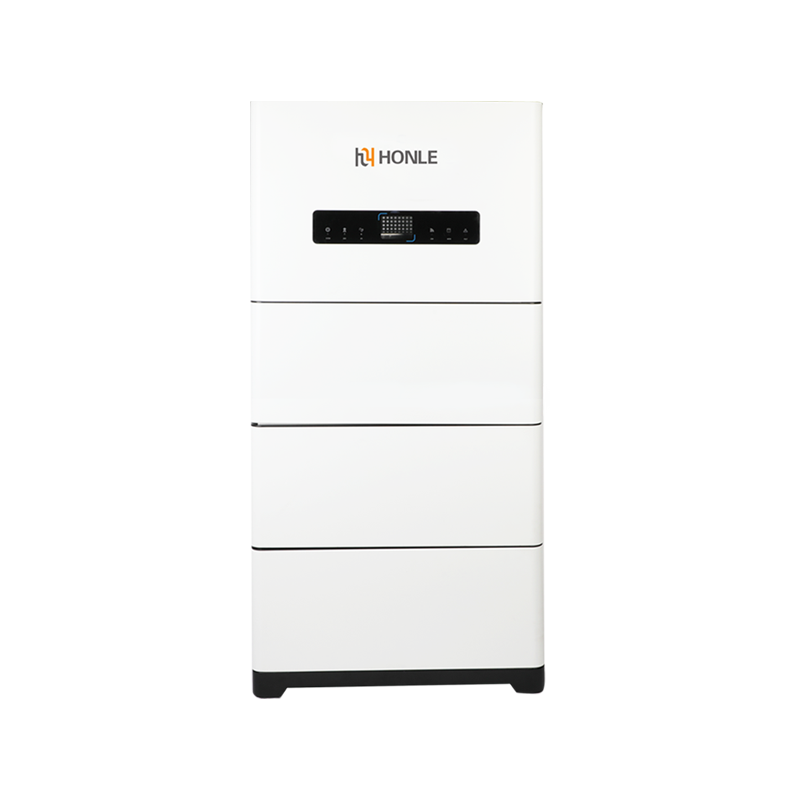
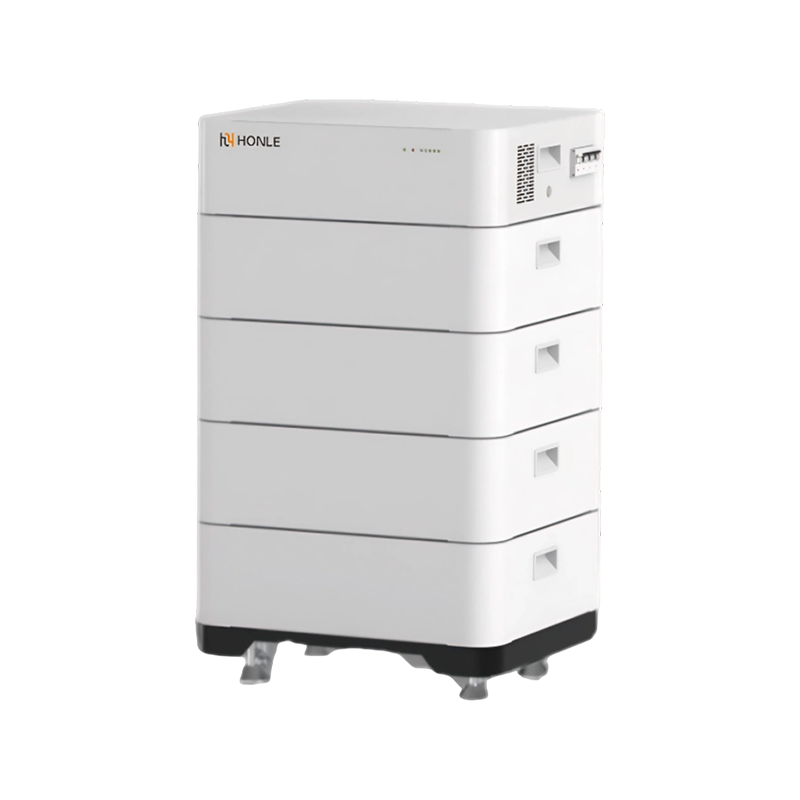
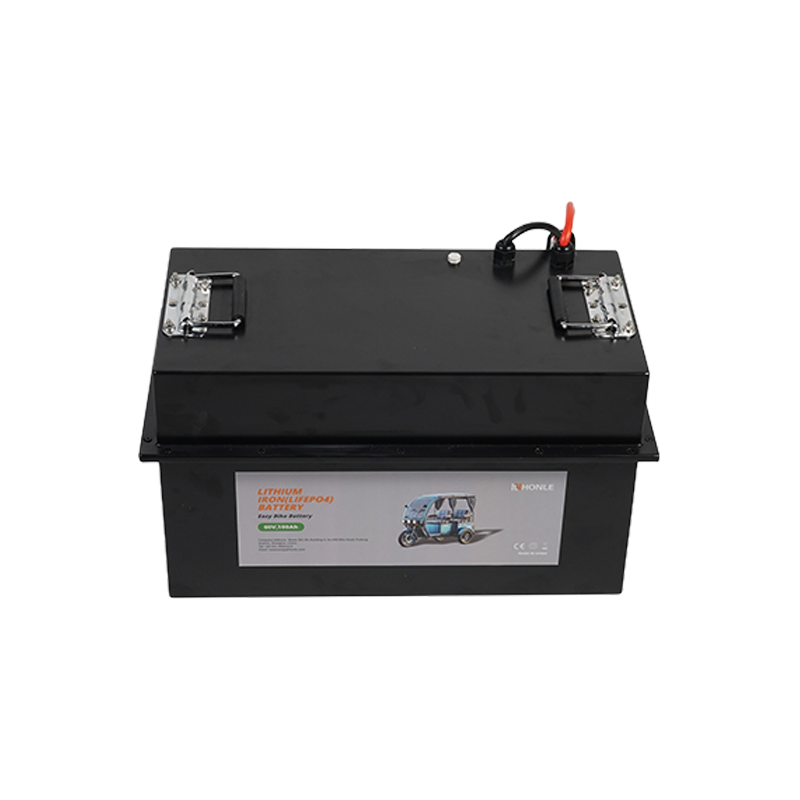
Battery chemistry matters. Lithium iron phosphate (LiFePO4) offers a longer cycle life and a higher depth of discharge than lead-acid. A floor-standing all-in-one system integrates the battery, inverter, and control unit in one cabinet, which reduces installation complexity. For residential use, an all-in-one floor-standing energy storage system can be placed in a garage or utility room, providing backup power while keeping the installation tidy.
 All-in-One Floor-Standing LiFePO4 Battery Storage SystemThis integrated system simplifies installation and is easy to place in utility spaces. With scalable parallel capacity and reliable LFP cells, it provides dependable backup power for residential energy management.View Product →
Choosing the Right Solar Setup for Your Situation
Your decision process should start with your energy consumption profile, not with the hardware. Start by looking at your annual electricity usage in kilowatt-hours, your peak demand, and your local outage history.
For homeowners, the most practical option is usually a hybrid system with a battery that covers the essential loads during an outage. A homeowner-focused guide can walk you through sizing, installation, and financing options. For business owners, the economic case depends on load profiles and demand charges; an industrial and commercial storage solution can shift usage to solar and reduce peak demand penalties.
If you are a project owner planning a large-scale installation, you will focus on system architecture, grid compliance, and long-term maintenance. The same principles apply, but the scale changes several decisions.
Practical Tips for Getting the Most from Solar Energy
Once your system is up, a few habits can improve output and battery life.
In practice, 1 kW of well-oriented solar capacity produces roughly 1,000-1,200 kWh per year in many regions. Use that number as your first planning reference.
- Orient panels toward true south (if you are in the northern hemisphere) and set the tilt close to your latitude. Small changes in tilt can change annual output by 5-10%.
- Keep panels clean. Dust, pollen, and bird droppings reduce production. Rinse them with water on a cool day when needed.
- Size the battery for nights, not just for outages. A typical household uses 8-12 kWh overnight. The usable capacity of a LiFePO4 battery is about 80-90% of its rated capacity.
- Charge the battery during sunlight hours. Program your inverter to prioritize solar charging over grid charging to avoid buying electricity twice.
- Monitor your system. A cloud platform can show generation, battery state, and consumption in real time, helping you catch faults early.
Common Mistakes to Avoid
- Buying panels first and an inverter afterwards. This can lead to voltage mismatch and reduced yield. Always design the system as a whole.
- Under-sizing the battery. A battery with only 2-3 kWh of usable capacity will run a fridge and a few lights for a few hours, but it will not carry a whole house through the night.
- Ignoring temperature derating. Panels lose efficiency as they get hot. The 430W rating is at standard test conditions; in hot climates, actual output can be 8-12% lower.
- Forgetting about shutdown and surge loads. Motors, compressors, and pumps draw several times their running current when they start. An inverter rated for 5 kW continuous may still trip if a 1.5 kW pump starts under load.
The best way to use solar energy is not the most expensive way, but the most deliberate way. Start from your electricity bill and your backup requirements, then choose panels, an inverter, and a battery that work together. When those three components are sized correctly, solar becomes a dependable and cost-effective part of your life.
Related products
News
-
You have just received a higher electricity bill, and the sun is still shining outside. Can you actually use that free energy? Yes, but no...
READ MORE -
Allan just installed a 6 kW solar array on his workshop roof. The quote offered two choices: save $120 by accepting a modified sine wave i...
READ MORE -
The Wattage Number That Decides Everything Before you choose a portable power station, an inverter, or a solar array, the only number you r...
READ MORE -
Roof Load Limits and Ground Clearance Change the Mounting Math Entirely Every solar installation eventually forces the same decision: does ...
READ MORE -
Why Accurate Load Calculation Comes Before Any Solar Purchase Most oversized or undersized solar setups trace back to one mistake: skipping...
READ MORE

PRODUCTS
LINKS
CONTACT
- Landline: +86-021-56981116
- TEL: +86-13795289200
- Email: [email protected]
- Address: 301-09, Building 6, Zhangjiang Microelectronics Port, No.690 Bibo Road, Pudong District, Shanghai
Copyright © Honle New Energy Technology Co., Ltd.
All Rights Reserved.
Wholesale Solar Energy Equipment Suppliers

This site uses cookies. By continuing to browse the site you are agreeing to our use of cookies. For more details about cookies and how to manage them see our 《Privacy Policy》
Accept