

 English
 Français
 Español
See Details
- Residential Energy Storage

- C&I BESS

- Large-Scale Centralized Energy storage

- Solar Panel

- Power Inverters

- Vehicle Lithium Battery


Industry News
Home / News / Industry News / Modified vs Pure Sine Wave Inverter: Which One to Choose for Your Needs?
Modified vs Pure Sine Wave Inverter: Which One to Choose for Your Needs?
Content
- 1 What Do the Two Output Waveforms Actually Look Like?
- 2 Key Differences That Affect Your Appliances
- 3 Which Devices Care About Sine Wave Quality?
- 4 When Is a Modified Sine Wave Inverter Still a Reasonable Choice?
- 5 How to Choose the Right Inverter for Your Solar Setup
- 6 Frequently Asked Questions
- 7 Final Recommendation

Allan just installed a 6 kW solar array on his workshop roof. The quote offered two choices: save $120 by accepting a modified sine wave inverter, or pay the difference for a pure sine wave model. He plans to run a laptop, a small air compressor, LED lights, and a coffee machine. This scenario is common among residential solar buyers, and the practical answer is straightforward.
For mixed loads that include electronics or motors, choose a pure sine wave inverter. Modified sine wave output is acceptable for heaters, incandescent lamps, and basic hand tools, but it delivers poorer performance on every load that depends on the shape of the AC waveform.
What Do the Two Output Waveforms Actually Look Like?
The grid delivers electricity as a smooth sinusoidal curve. A pure sine wave inverter recreates that curve with low distortion, usually under 3 percent total harmonic distortion (THD). The output from a quality pure sine model is close to utility-grade power.
A modified sine wave inverter produces a stepped approximation. Instead of gliding smoothly from positive to negative voltage, the output jumps between a few fixed levels and includes brief periods at zero. The resulting waveform resembles a square wave with steps, and its THD can sit between 20 and 45 percent.
| Feature | Pure Sine Wave | Modified Sine Wave |
|---|---|---|
| Waveform shape | Smooth sinusoidal curve | Stepped square-wave approximation |
| Total harmonic distortion | Under 3% | 20-45% |
| Typical efficiency | 90-95% | 85-92% |
| Motor compatibility | Excellent | Fair to poor |
| Electronics compatibility | Excellent | May cause interference |
| Cost | Higher | Lower |
The voltage steps in a modified sine wave also have a slower rise time than a true utility sine wave. That rise time matters when you feed devices with large capacitors or active power factor correction circuits.
Key Differences That Affect Your Appliances
The performance gaps fall into three practical categories.
Efficiency
Pure sine wave inverters typically reach 90 to 95 percent efficiency, while a good modified unit lands at about 85 to 92 percent. In an off-grid system, that lost energy is not trivial. Over a year, it can add several hundred watt-hours of extra draw from your battery bank.
Thermal and noise behavior
The high-frequency edges of a modified waveform force inductive loads to work harder. Motors in compressors, washing machines, and fans run warmer and often produce a humming sound. Over time, this extra heat can reduce the service life of the motor.
Harmonic distortion and capacitive loads
High THD in a modified waveform can interfere with switch-mode power supplies, variable speed drives, and some measuring or medical equipment. Appliance chargers may still charge, but their internal components operate in conditions they were not rated for. Heat builds up in places the equipment designer did not expect.
Which Devices Care About Sine Wave Quality?
The following devices should normally run on pure sine wave power:
- Laptops, desktops, and network equipment
- Televisions, projectors, and audio systems
- Refrigerators, freezers, and air conditioners
- Washing machines, dishwashers, and vacuum cleaners
- Cordless tool chargers and battery management systems
- Medical monitoring equipment and CPAP machines
On the other side, these loads are generally tolerant of a modified waveform:
- Electric heaters and space heaters
- Incandescent bulbs and halogen lamps
- Soldering irons and simple power tools without variable speed control
The line between the two groups is not always clear. Some LED drivers manage modified sine wave well, while others flicker. A variable-speed drill may accept the waveform but produce more brush noise. Testing each load is the only way to be certain, but pure sine output removes the uncertainty entirely.
When Is a Modified Sine Wave Inverter Still a Reasonable Choice?
There are a few situations where the cheaper waveform is genuinely adequate.
First, if you only plan to power resistive loads. Heating elements, incandescent lighting, and soldering irons do not care about the shape of the AC wave because they convert virtually all incoming power to heat or light.
Second, if your project has a strict budget and the connected load list is short and fixed. A small workshop that only runs a heater and a few lamps could save enough money to buy an extra solar panel or a larger battery.
Third, if you have already verified every connected device. Some manufacturers publish compatibility tables, but the most reliable test is to connect the device and observe it under load. If it does not overheat, hum abnormally, or show visible screen interference, the modified wave is acceptable.
Still, the trend is that pure sine wave output is becoming the default standard for quality inverters. As manufacturing costs converge, the price gap between the two is shrinking.
How to Choose the Right Inverter for Your Solar Setup
Start by listing every appliance you expect to power. Cross-check your list against the categories above. If you see one motor compressor, one computer, or a television, choose pure sine wave output. The higher upfront cost is a small insurance premium against damaged electronics, overheated motors, and premature inverter failure.
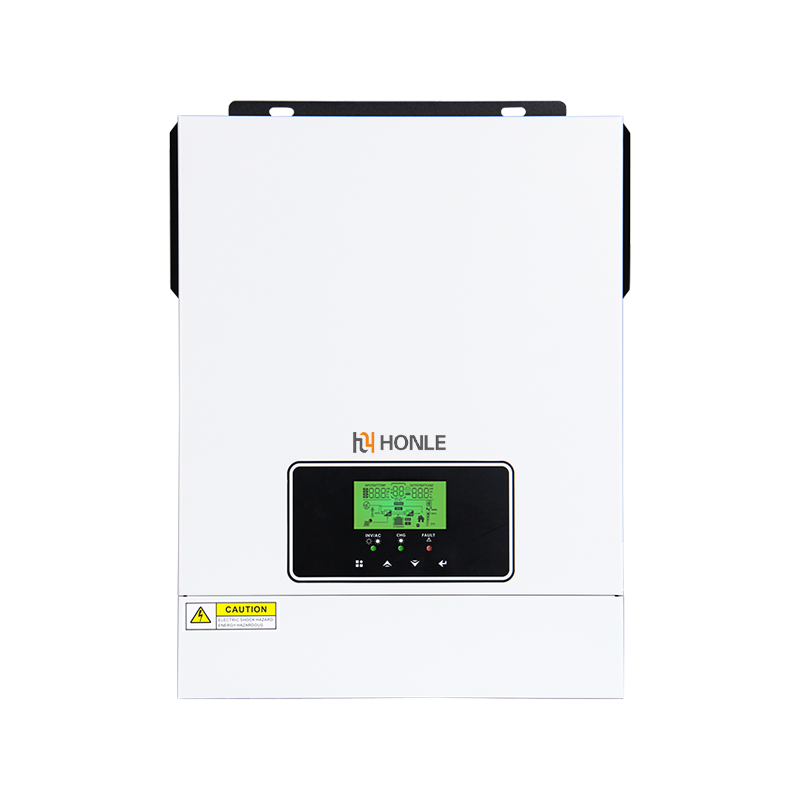
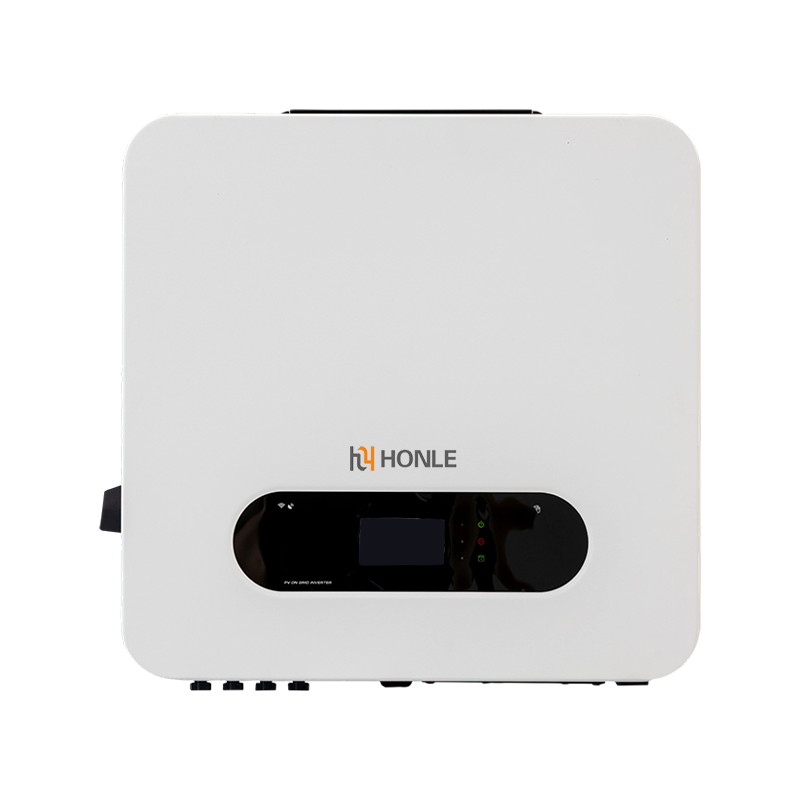
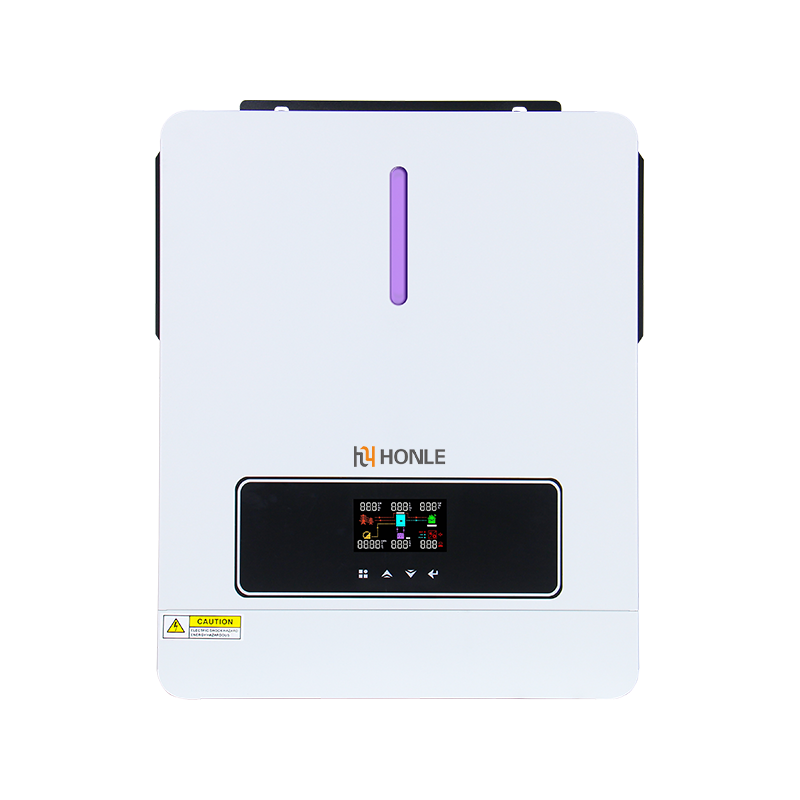
For off-grid cabins and remote installations, the NMS/NML/EM series off-grid hybrid solar inverter is built for standalone use and supplies a clean pure sine wave. If you also want to connect the local grid while storing energy in batteries, a hybrid model such as the ECO Max QJ/QJB series on/off-grid hybrid inverter provides flexible configuration in one unit.
 ECO/MAX/QJ/QJOB Series On/Off-Grid Hybrid Inverter for Flexible Energy ManagementHybrid inverter supporting both grid-tied and off-grid operation, with wide PV input and battery compatibility, ensuring seamless power transitions and remote monitoring for versatile setups.View Product →
 NMS/NML/EM Series Off-Grid Hybrid Solar Inverter for Standalone SystemsThis off-grid hybrid inverter integrates MPPT charging and supports multiple battery chemistries, ideal for remote installations requiring reliable, independent power with optional WiFi monitoring.View Product →
For larger three-phase commercial installations, the EPH12KTL three-phase hybrid inverter supports high-capacity battery storage and keeps the output waveform within utility-grade limits. That matters when a single noisy waveform can affect machines across an entire factory floor.
 EPH12KTL Three-Phase Hybrid Inverter for Commercial Energy StorageDesigned for large-scale three-phase installations, this inverter offers high-capacity storage support, precise anti-backflow control, and robust grid compliance, suitable for demanding commercial use.View Product →
Before you commit, check the published specifications for THD and waveform type. In some catalogues, a "square wave" label is used as a low-cost version, and it is a different, rougher output than a modified sine wave. Reading the fine print prevents a costly mistake.
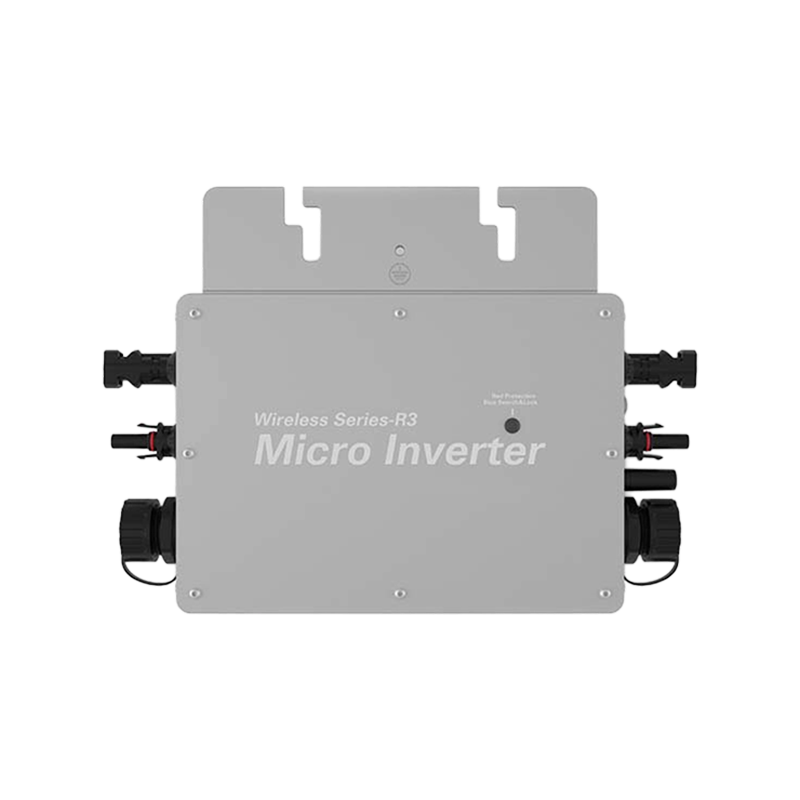
A micro inverter for your solar panels follows the same logic, since every module's output goes to an appliance or a battery charger. Reviewing the waveform spec is still part of a reliable install.
You can also review real installations to see how equipment behaves in context. This residential solar and storage case study and the off-grid solar design guide both provide useful context for sizing and selecting the right inverter for your load profile.
Frequently Asked Questions
Q1: Can a modified sine wave inverter damage my laptop?
Many modern laptop power supplies tolerate a modified sine wave, but the high THD can cause the power adapter to run hotter and produce more coil whine. In the long run, pure sine wave output is the safer option for computers.
Q2: Do pure sine wave inverters consume more electricity?
No. A quality pure sine wave inverter is usually 2 to 4 percent more efficient than a comparable modified model. The slightly higher idle draw of some modified units is one reason their efficiency rating is lower.
Q3: Are portable power stations pure sine wave?
Mid-range and premium portable power stations usually use pure sine wave inverters. Budget units may adopt modified sine output. Always check the product specification before buying a power station for sensitive equipment.
Q4: Is the price difference worth it?
For mixed loads, yes. The extra cost of a pure sine wave inverter is often less than the price of a single damaged refrigerator motor or an unreliable UPS. For fixed resistive-only loads, the cheaper waveform is acceptable.
Final Recommendation
When you compare inverter prices, the discussion quickly moves from numbers to compromises. Pure sine wave output gives you utility-grade power without the caveats. Modified sine wave output is cheaper but forces you to audit every plug.
If your load list is still growing or already contains electronics, motors, or both, choose pure sine wave. If you are building a fixed heater-only circuit and want to save every dollar, accept a modified unit. The best decision is a deliberate one: list your appliances first, check the waveform specification, and then buy accordingly.
Related products
News
-
You have just received a higher electricity bill, and the sun is still shining outside. Can you actually use that free energy? Yes, but no...
READ MORE -
Allan just installed a 6 kW solar array on his workshop roof. The quote offered two choices: save $120 by accepting a modified sine wave i...
READ MORE -
The Wattage Number That Decides Everything Before you choose a portable power station, an inverter, or a solar array, the only number you r...
READ MORE -
Roof Load Limits and Ground Clearance Change the Mounting Math Entirely Every solar installation eventually forces the same decision: does ...
READ MORE -
Why Accurate Load Calculation Comes Before Any Solar Purchase Most oversized or undersized solar setups trace back to one mistake: skipping...
READ MORE

PRODUCTS
LINKS
CONTACT
- Landline: +86-021-56981116
- TEL: +86-13795289200
- Email: [email protected]
- Address: 301-09, Building 6, Zhangjiang Microelectronics Port, No.690 Bibo Road, Pudong District, Shanghai
Copyright © Honle New Energy Technology Co., Ltd.
All Rights Reserved.
Wholesale Solar Energy Equipment Suppliers

This site uses cookies. By continuing to browse the site you are agreeing to our use of cookies. For more details about cookies and how to manage them see our 《Privacy Policy》
Accept