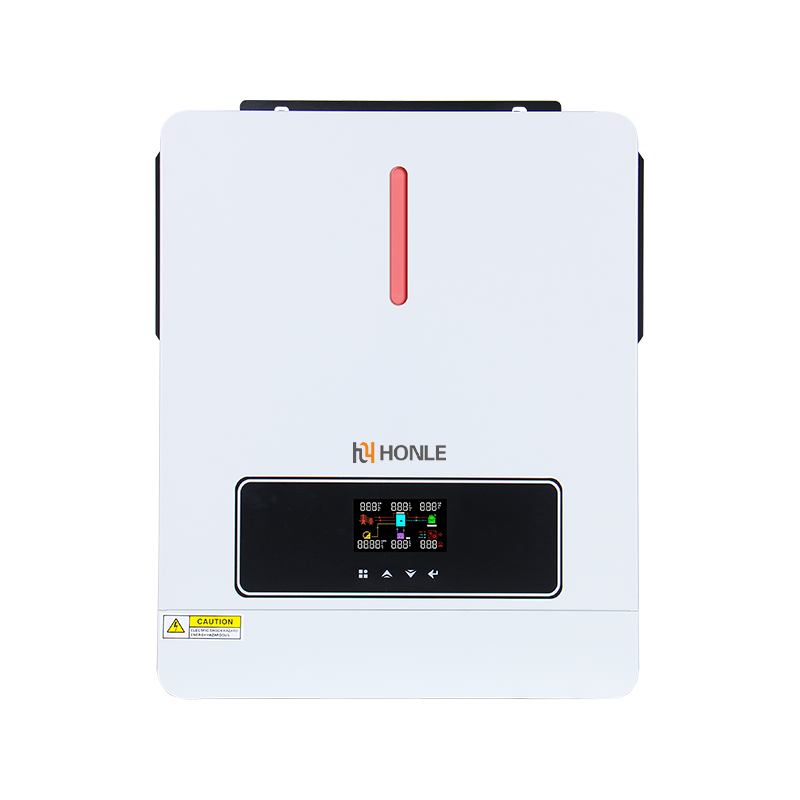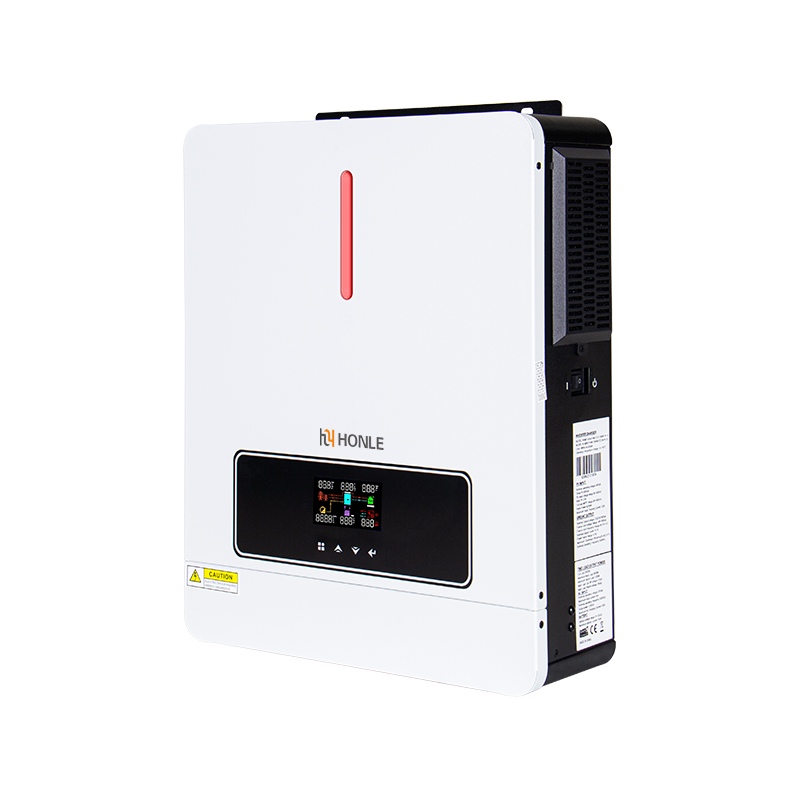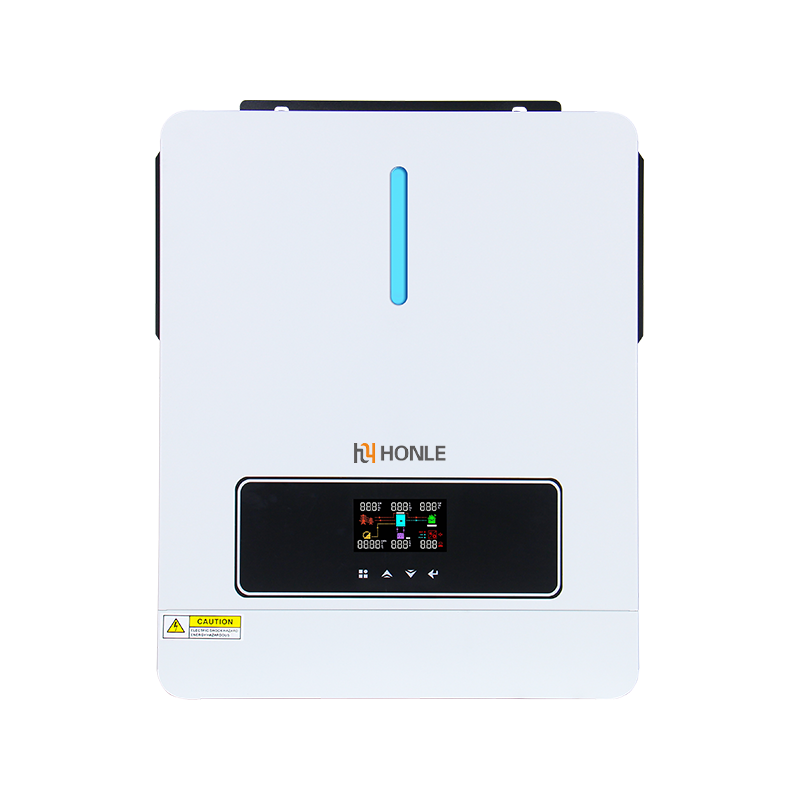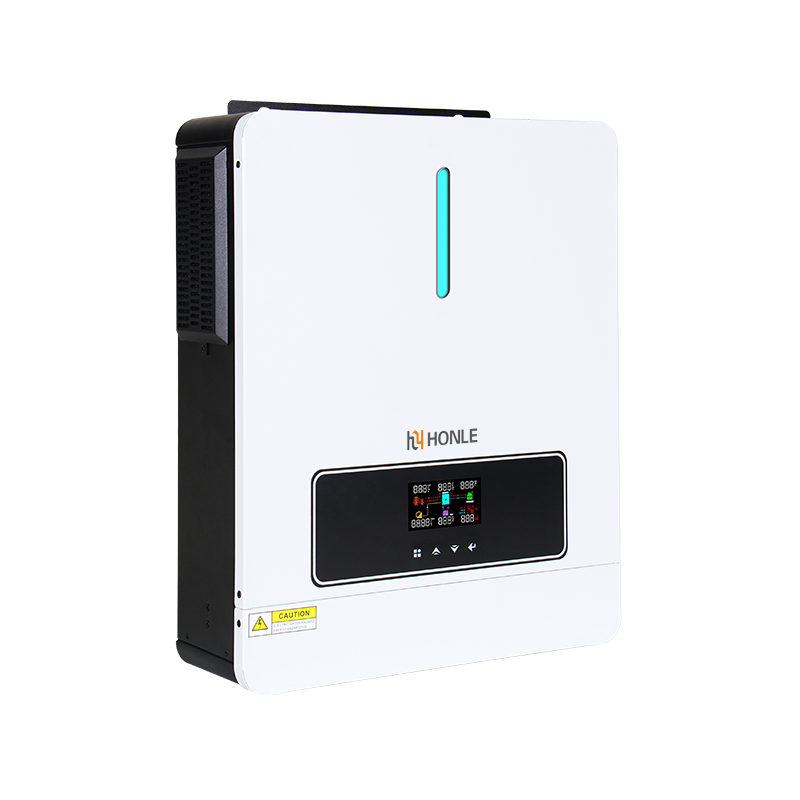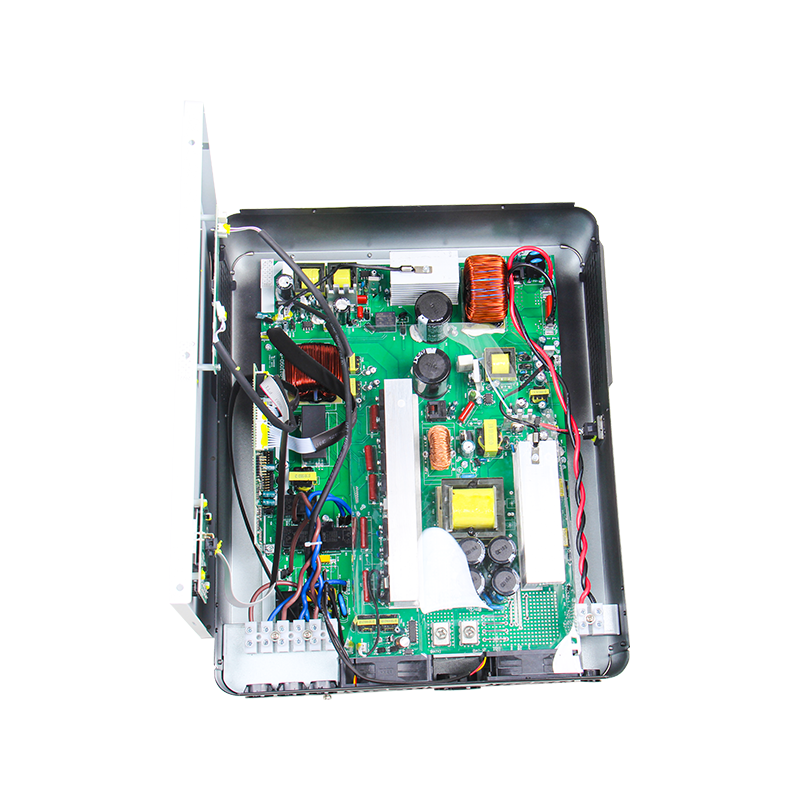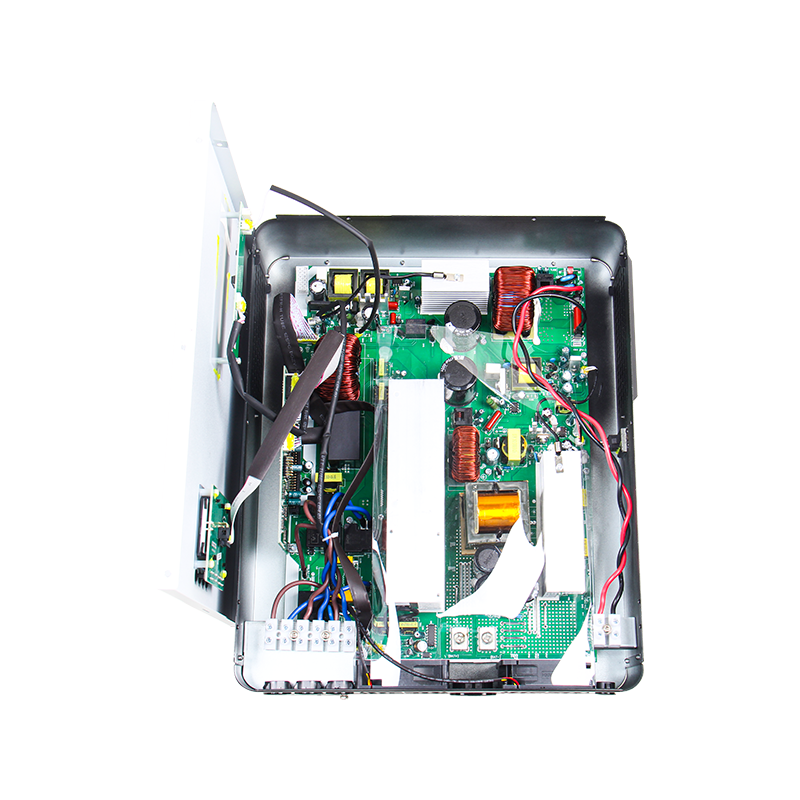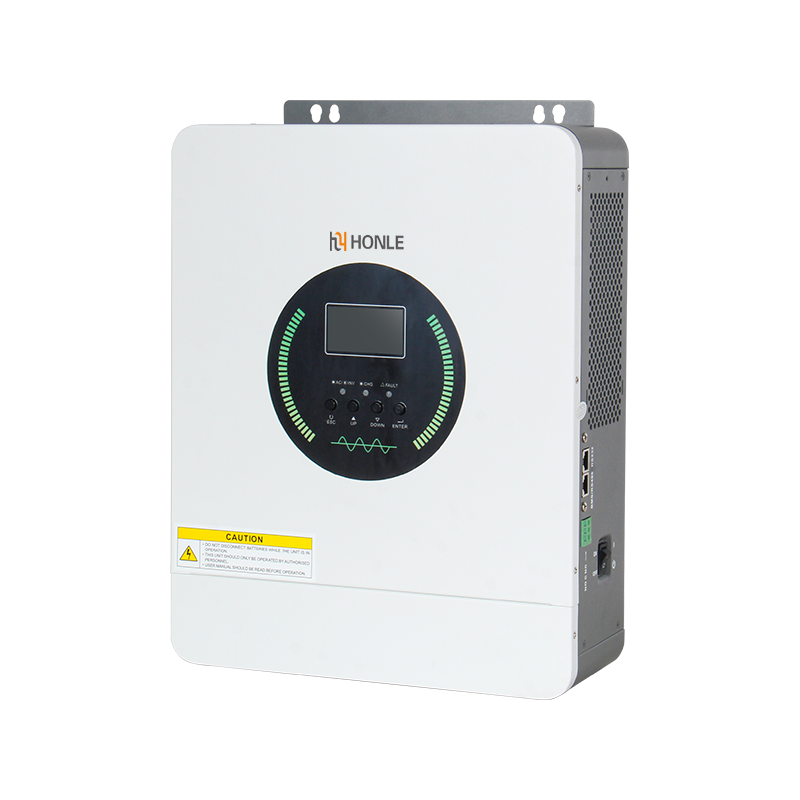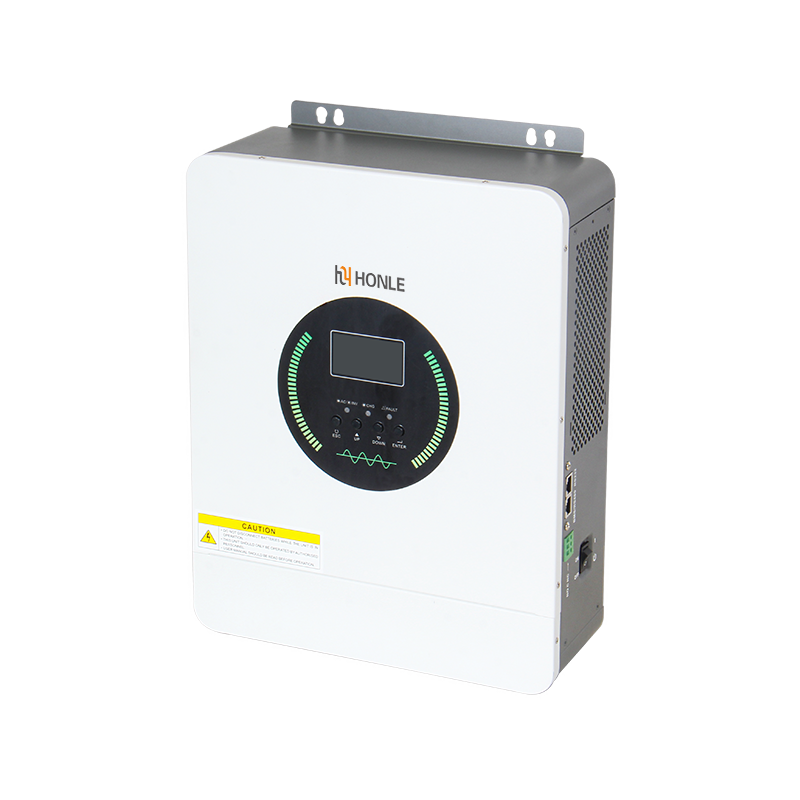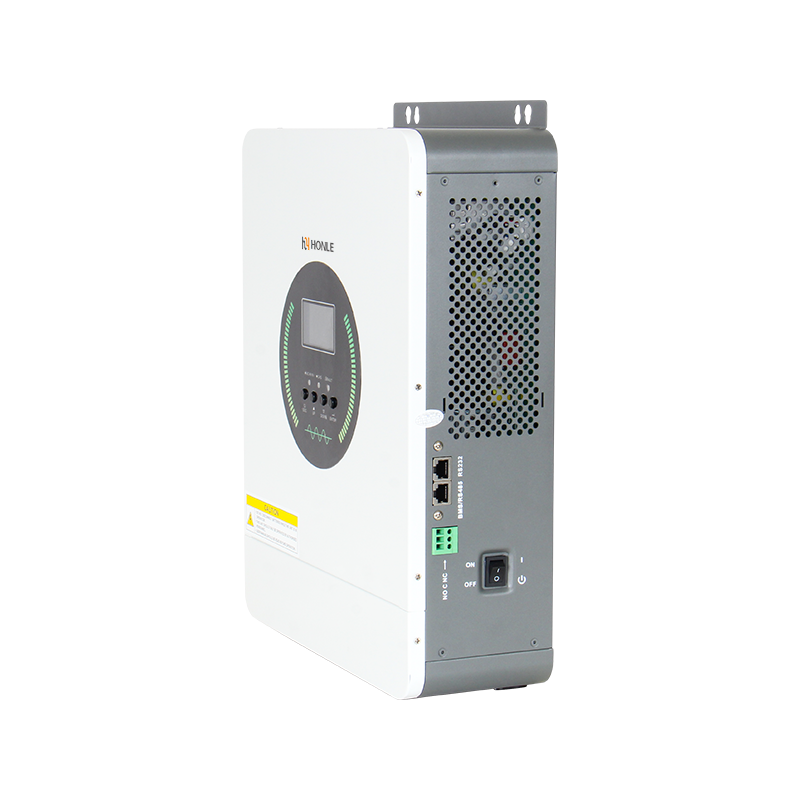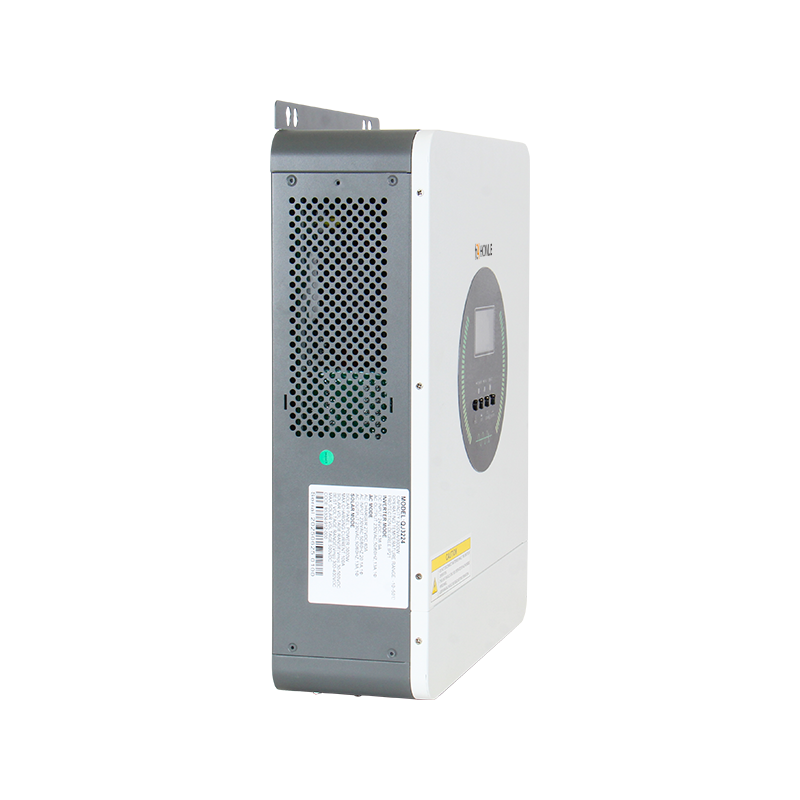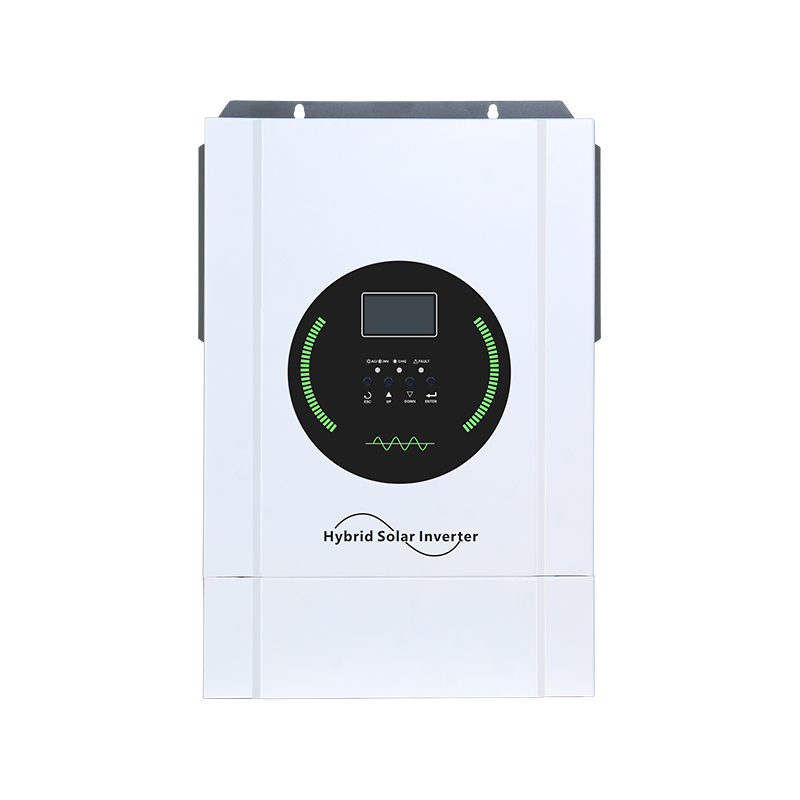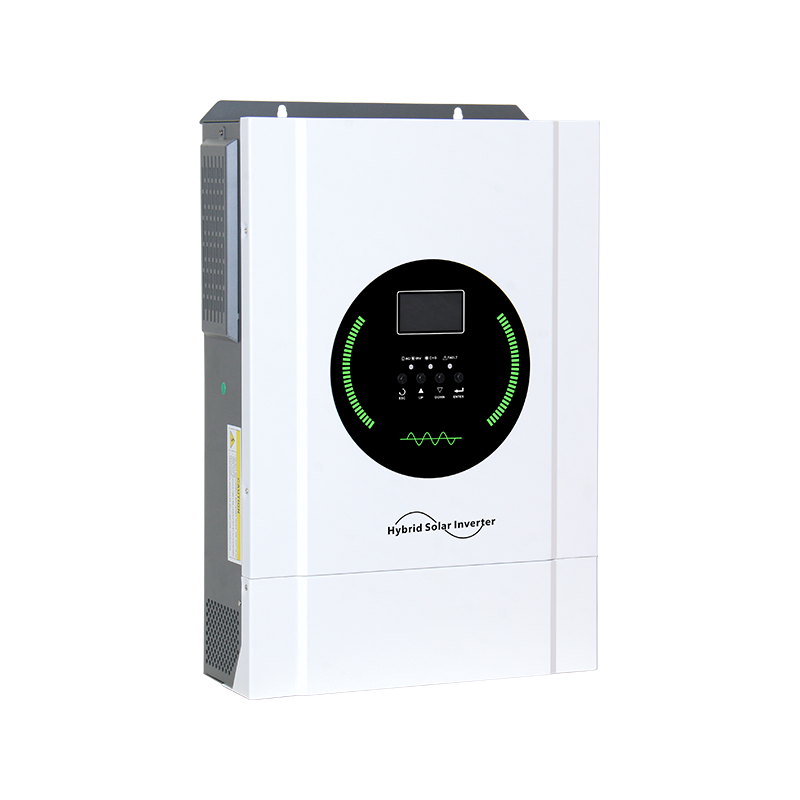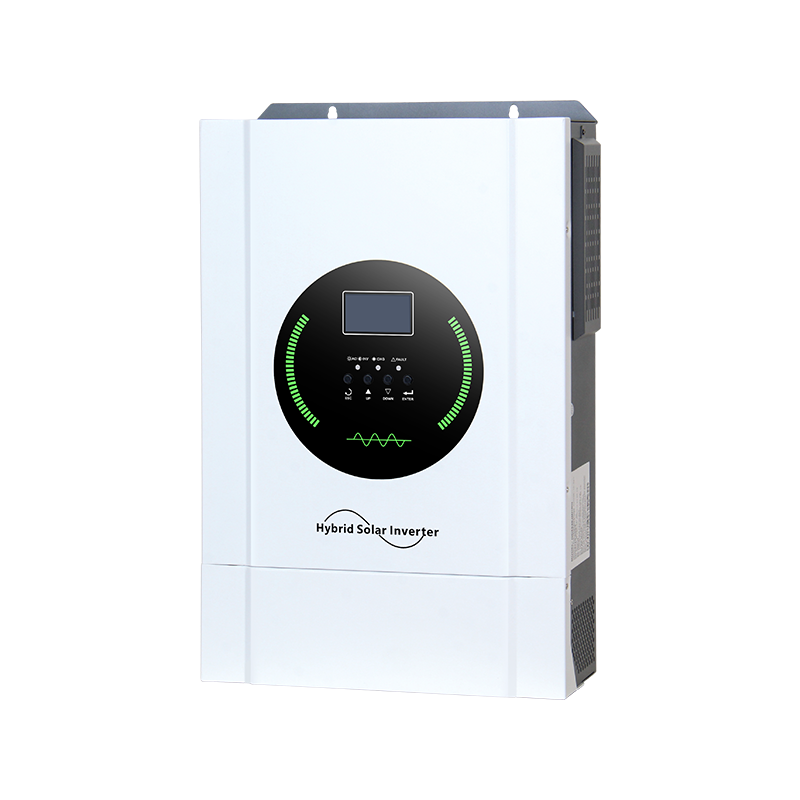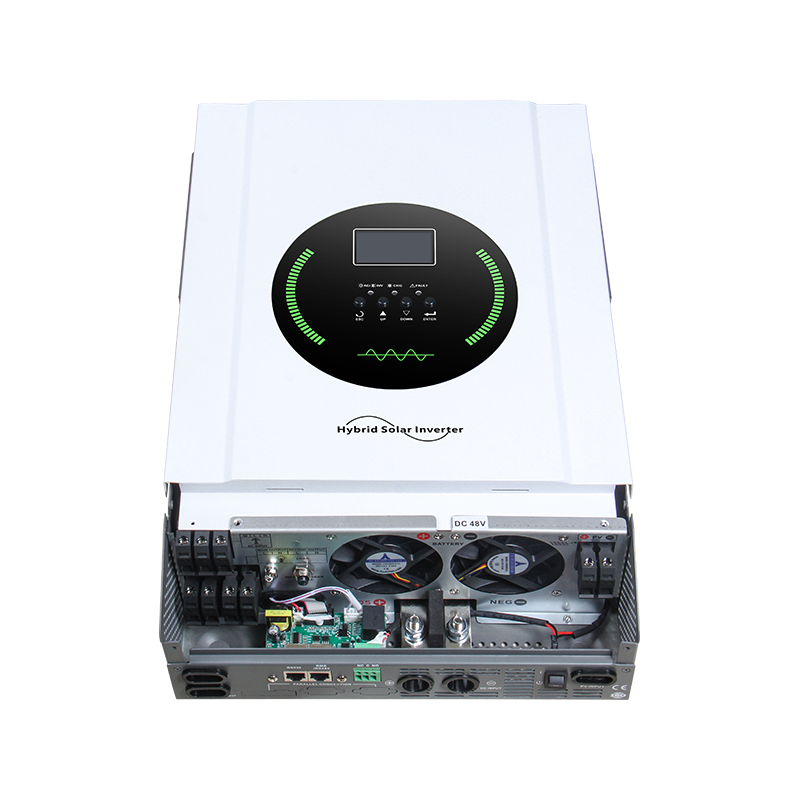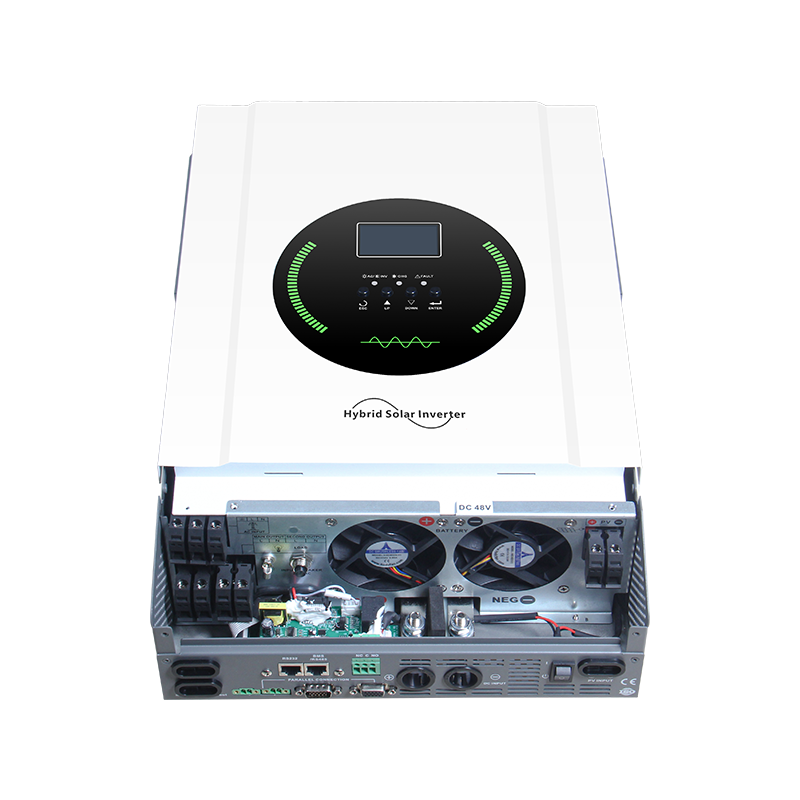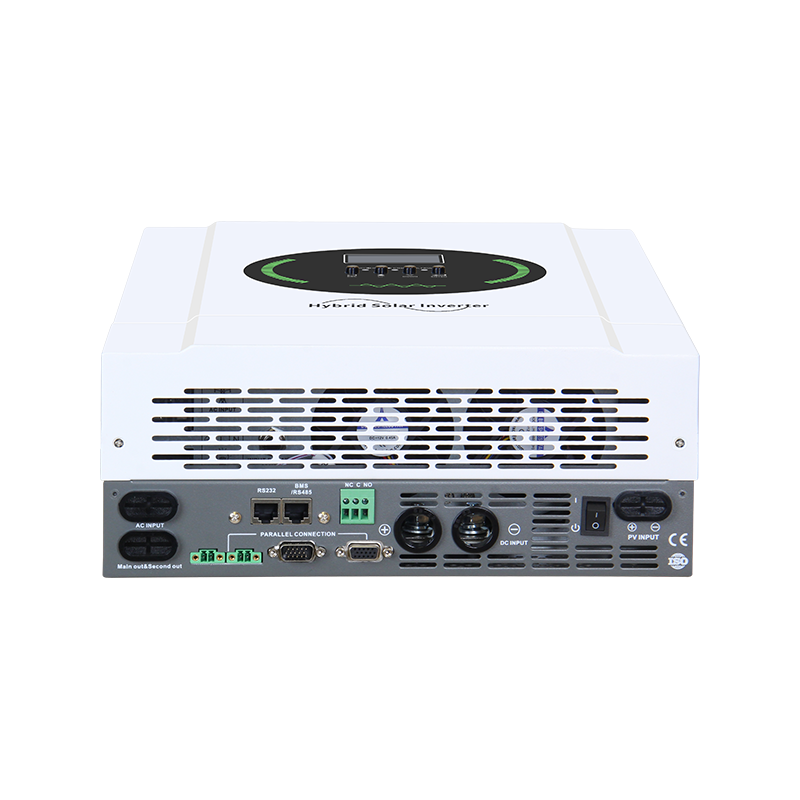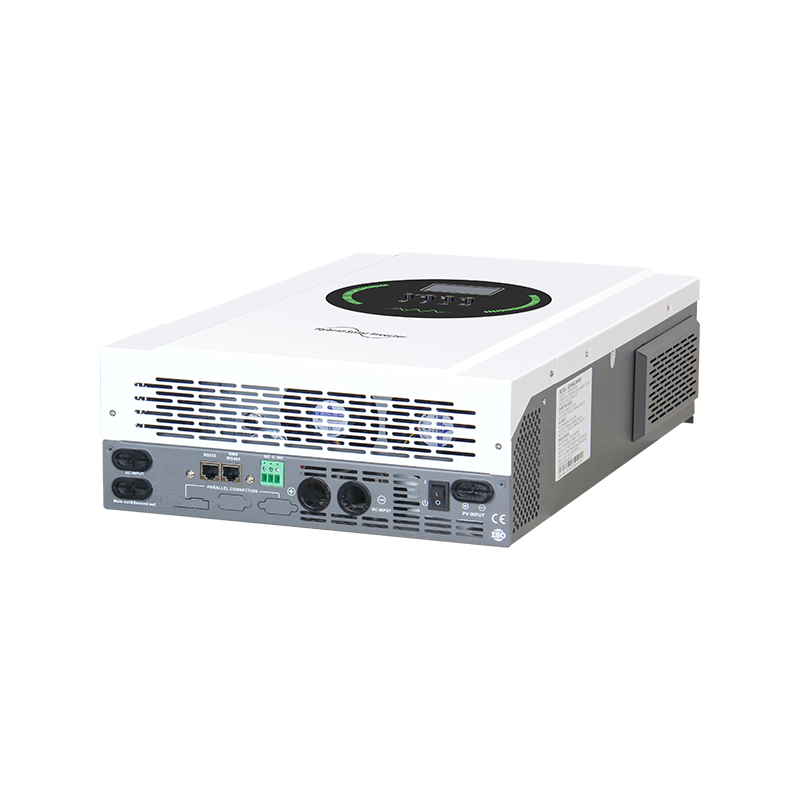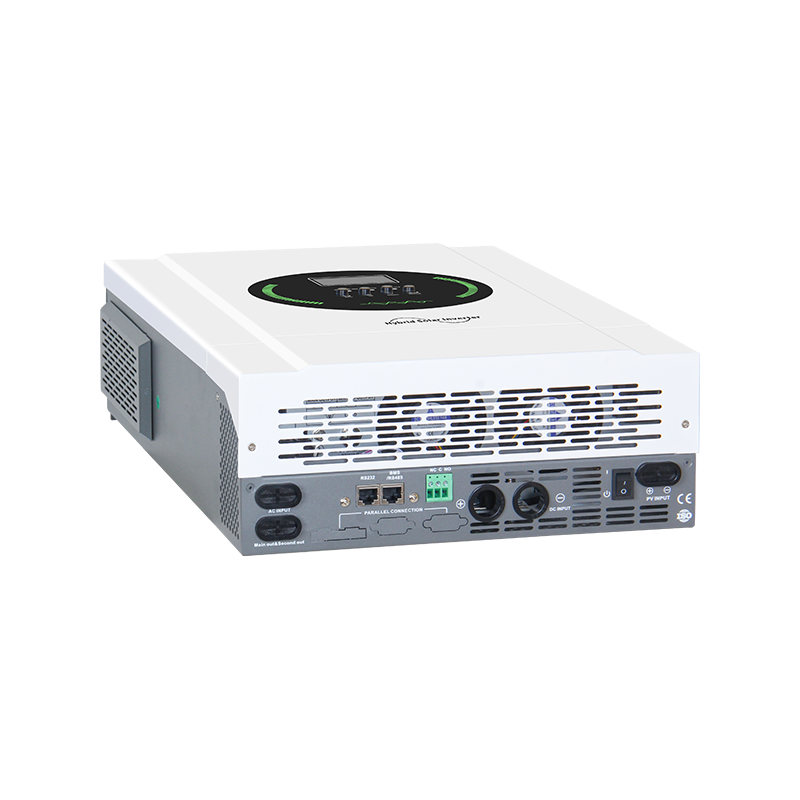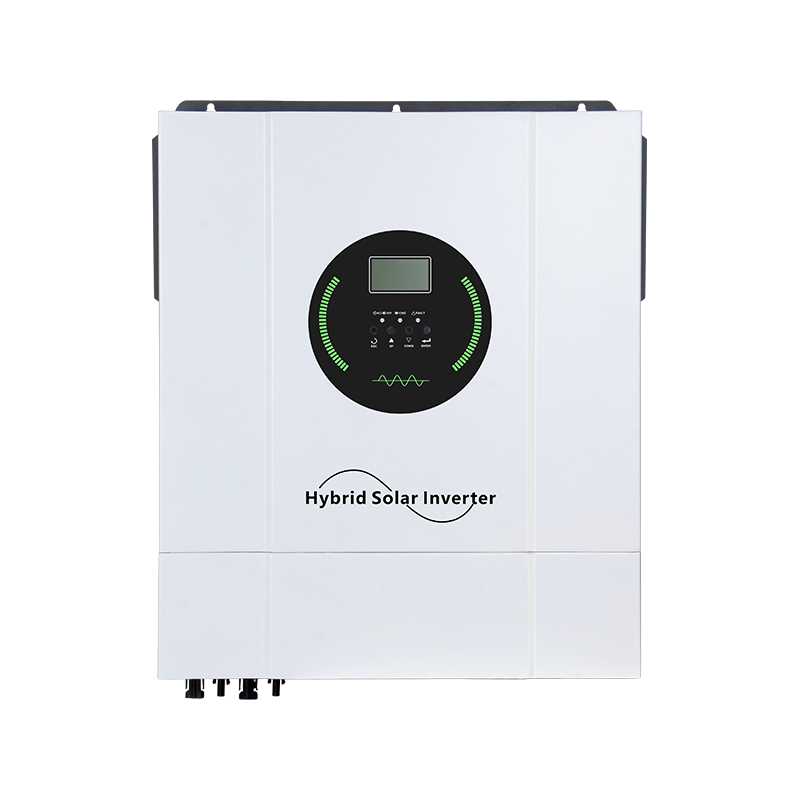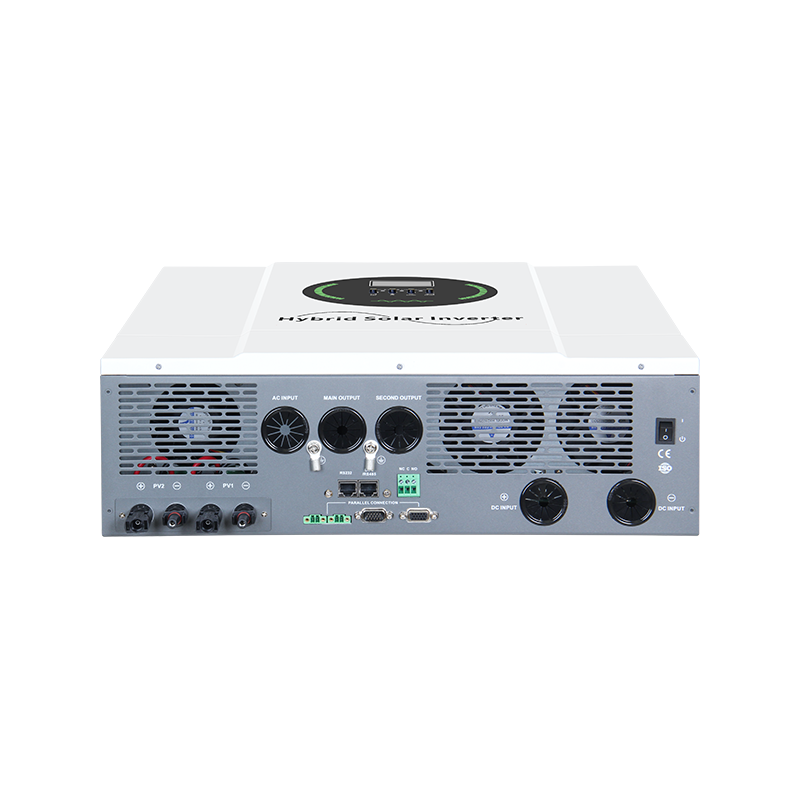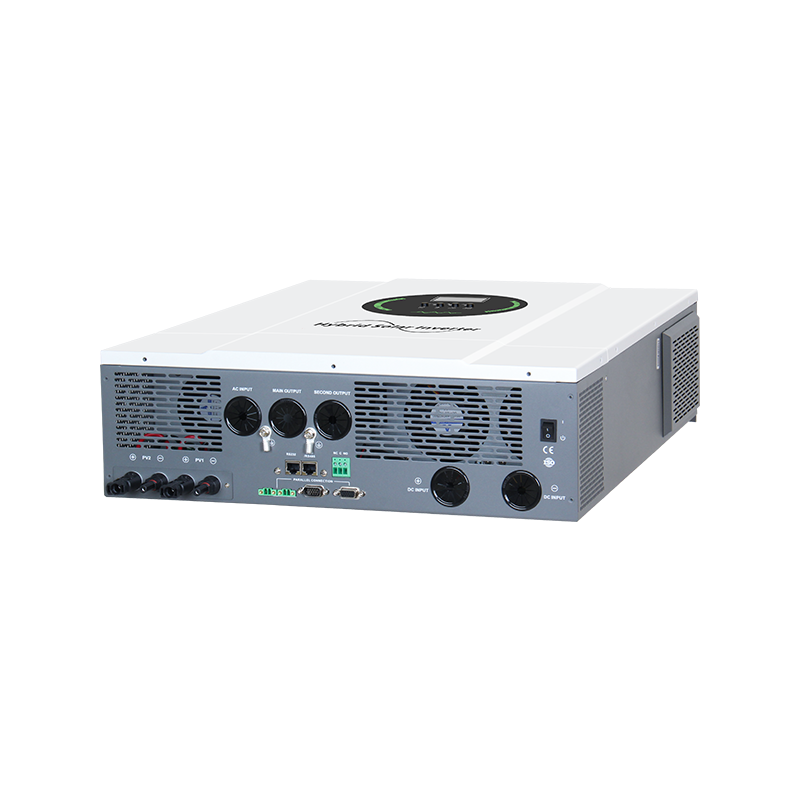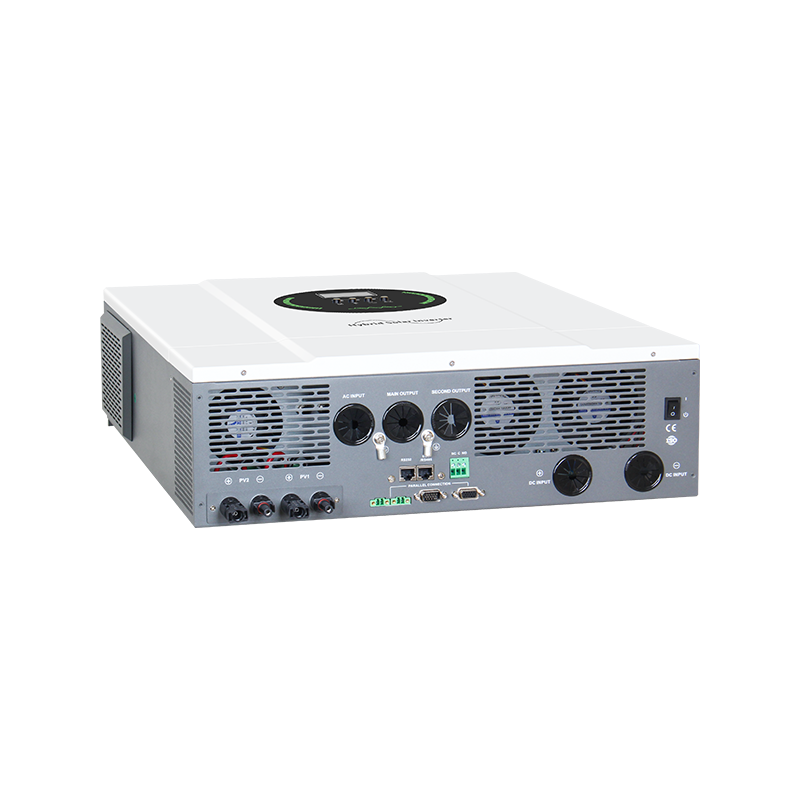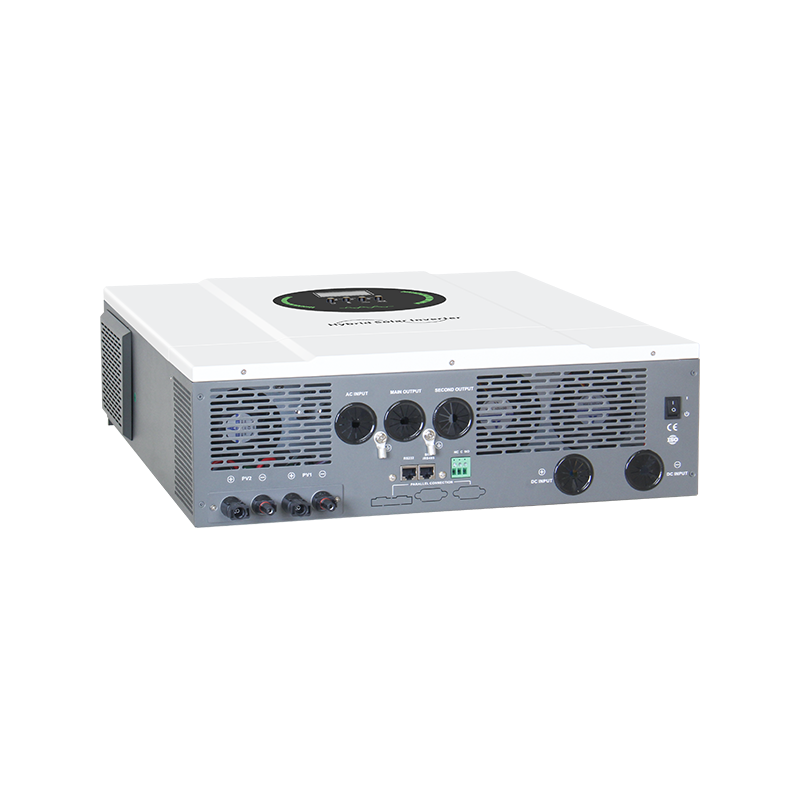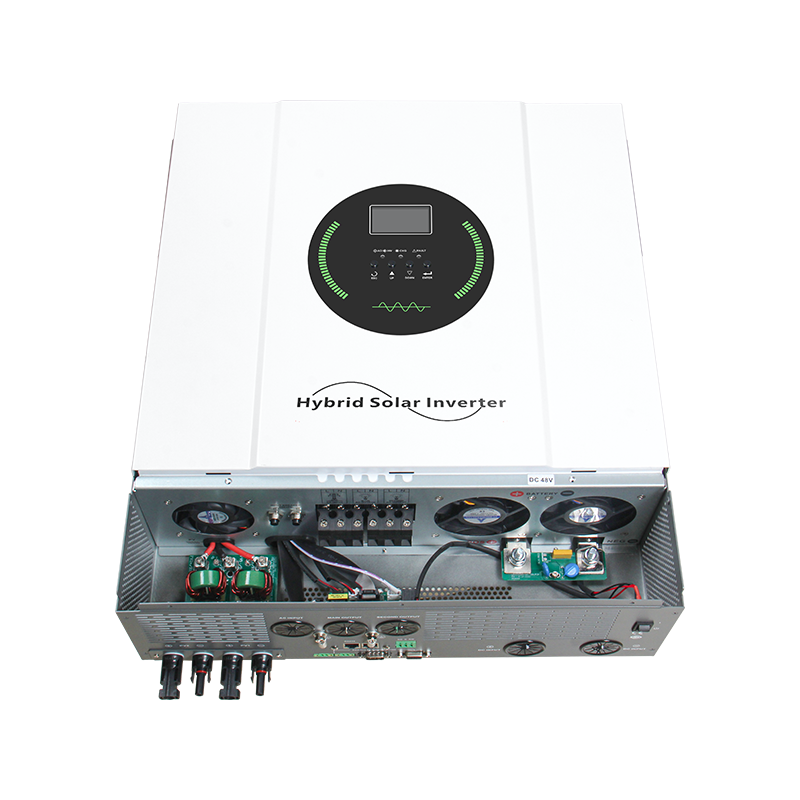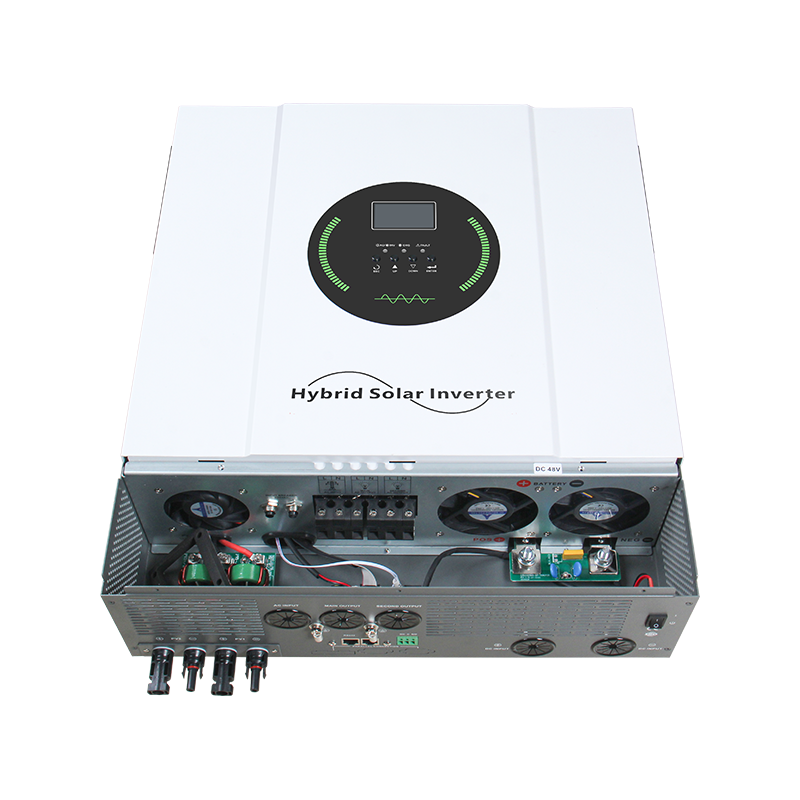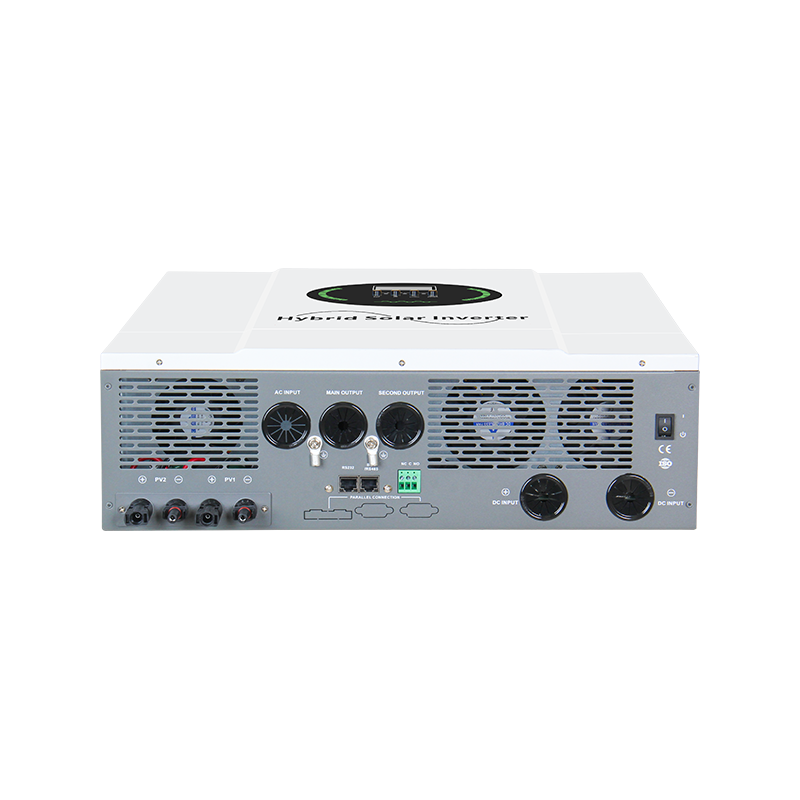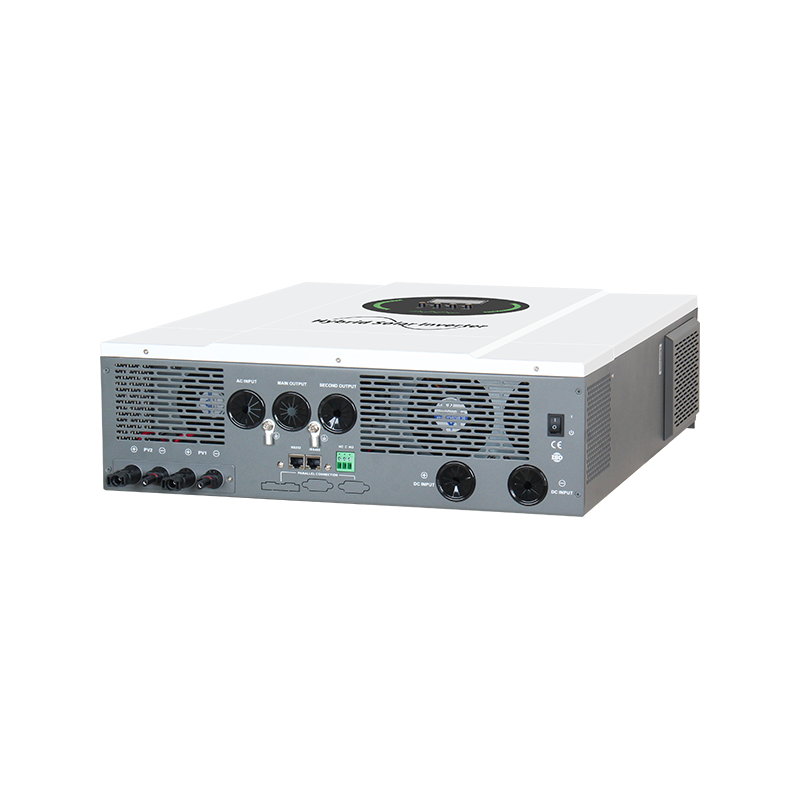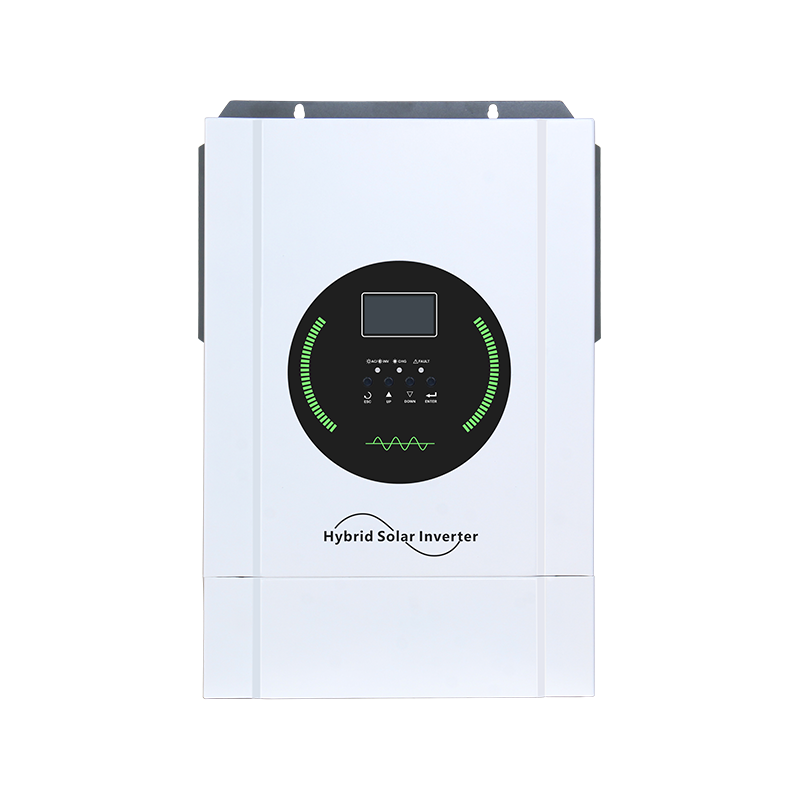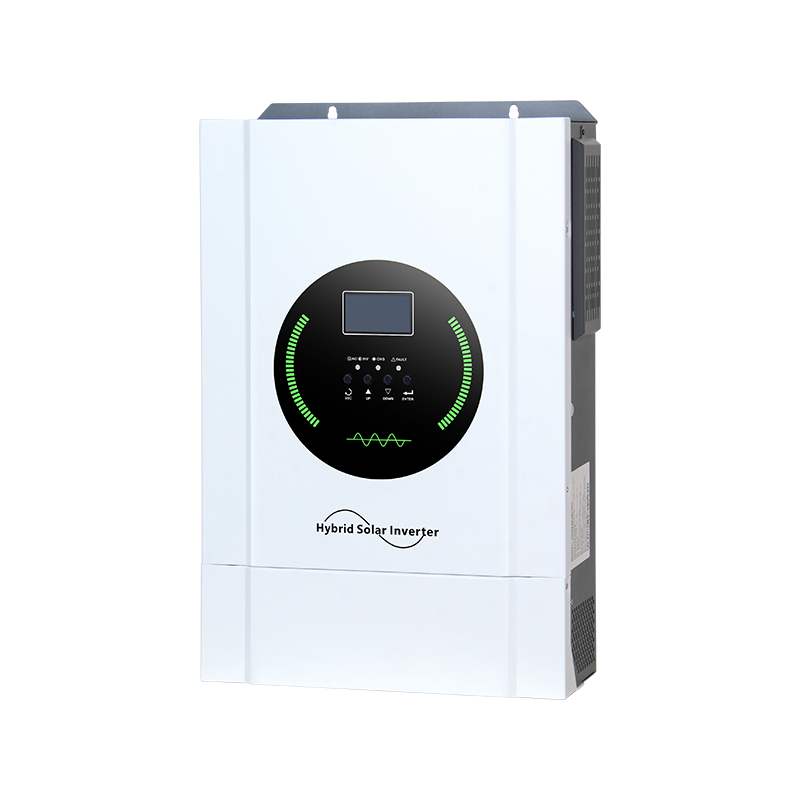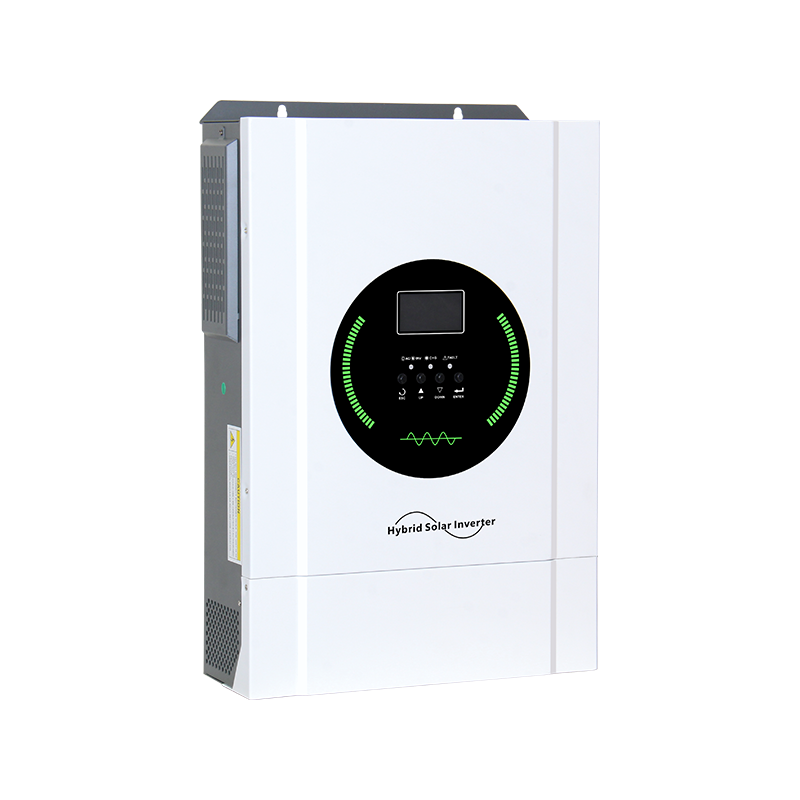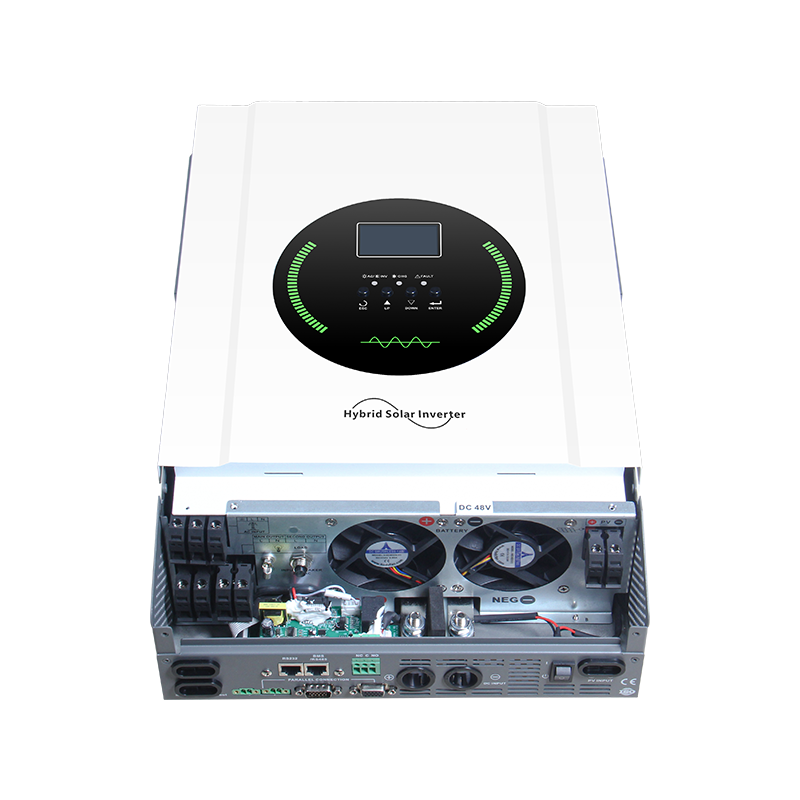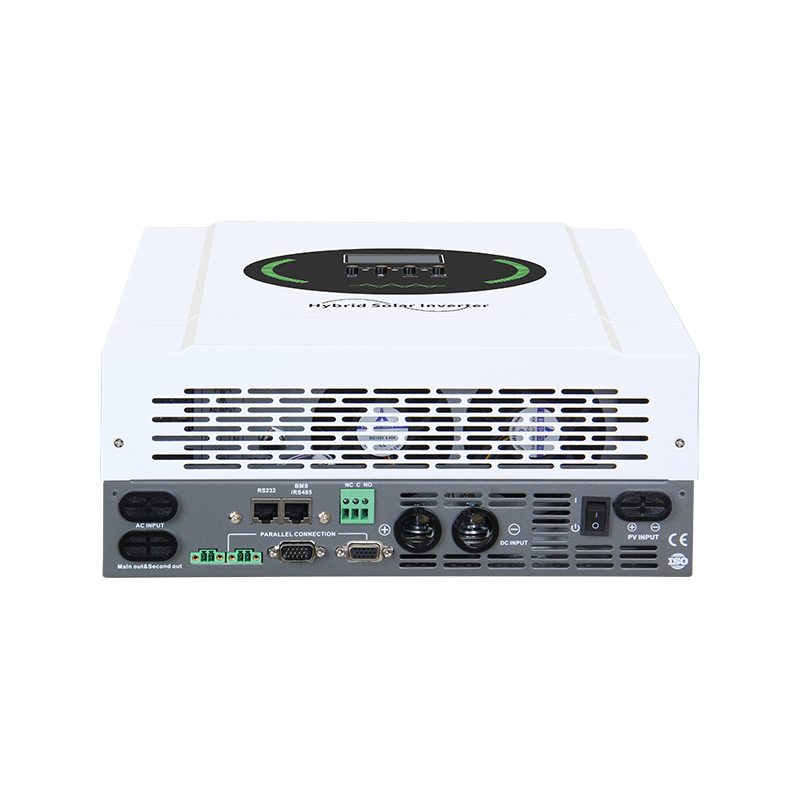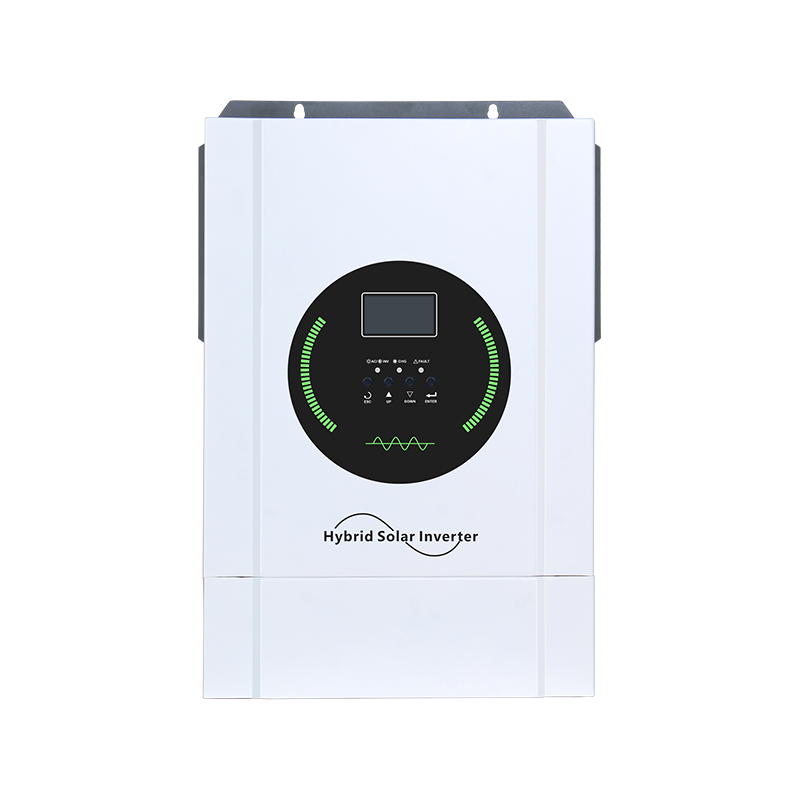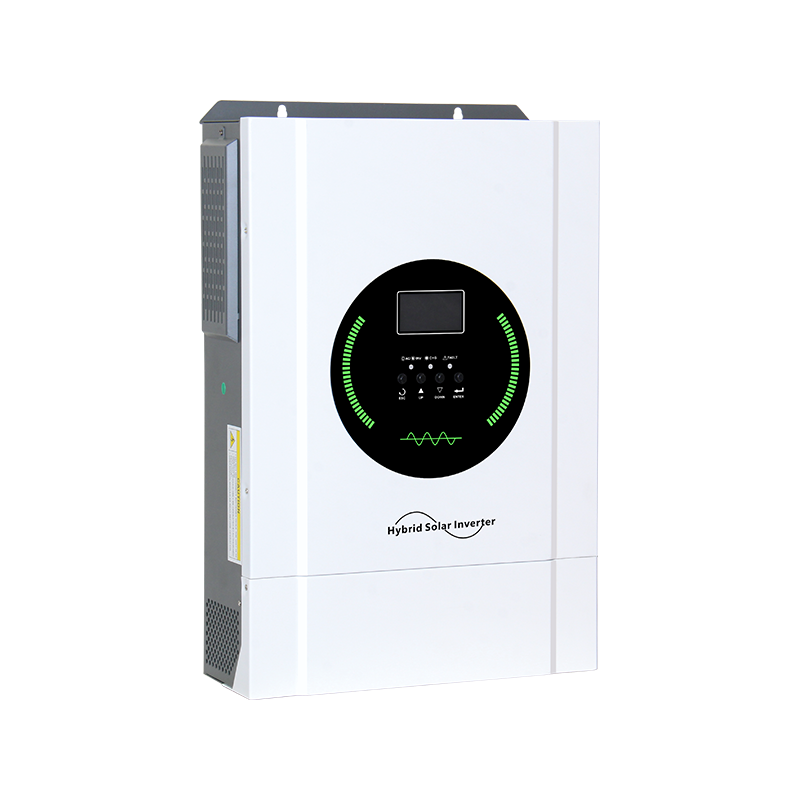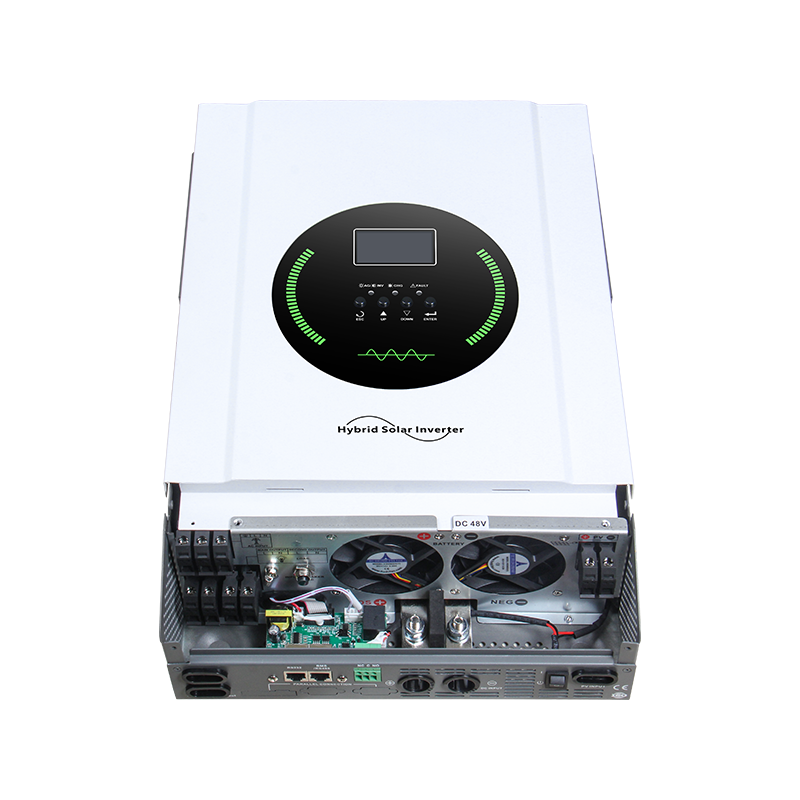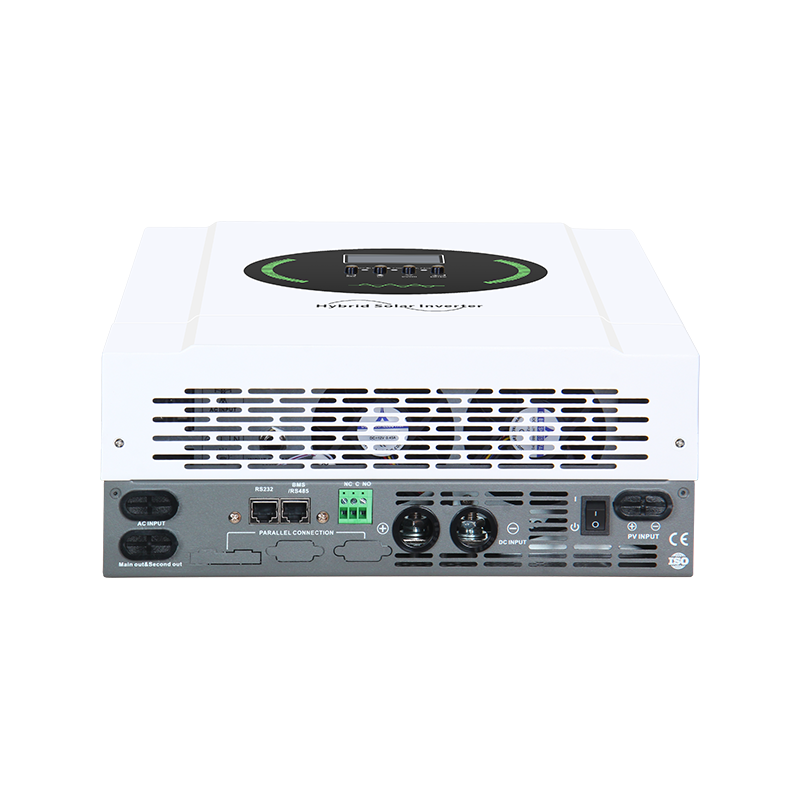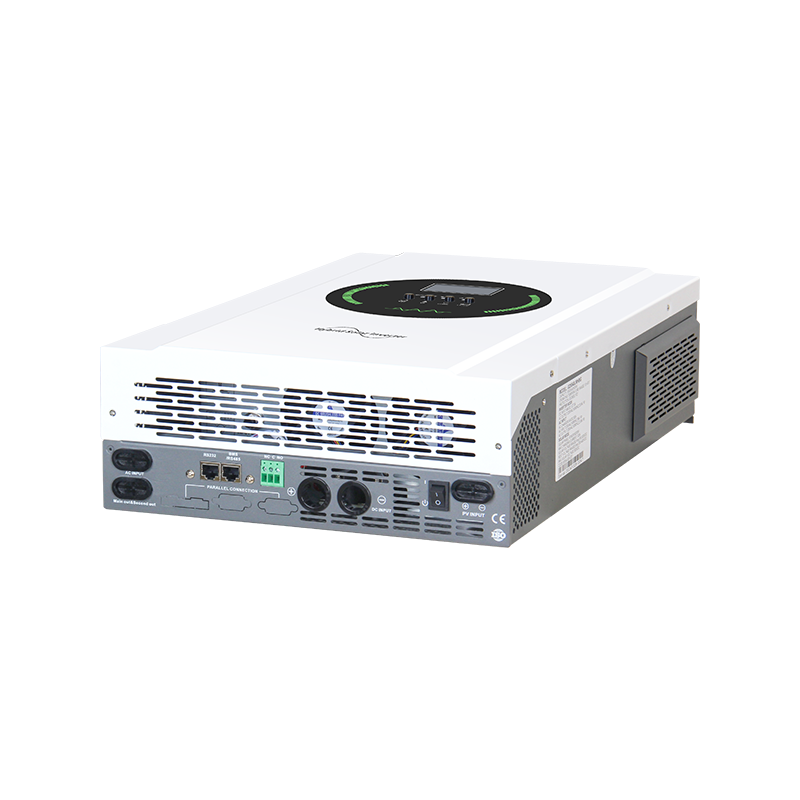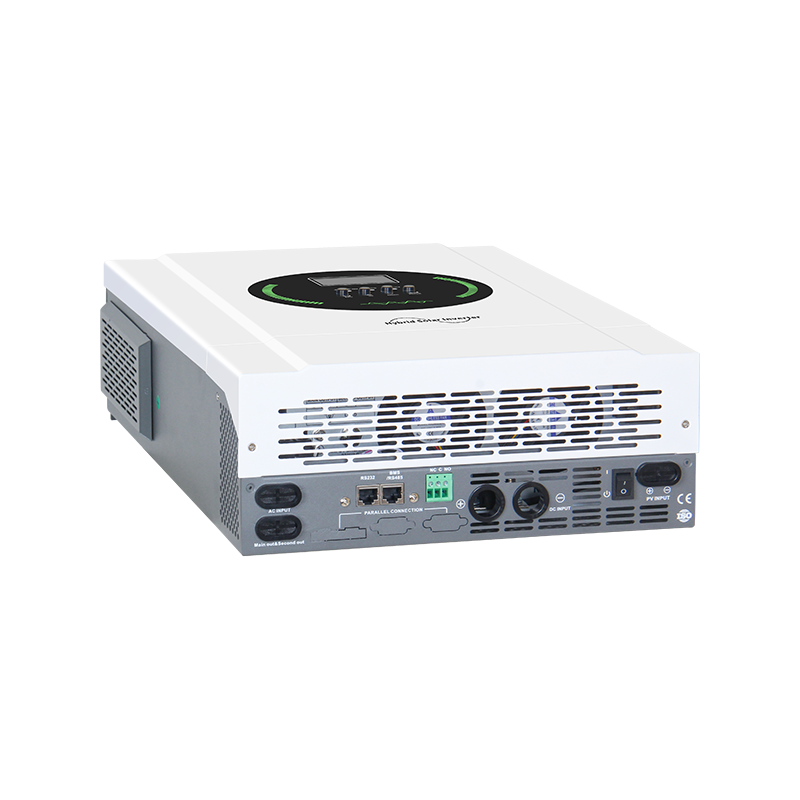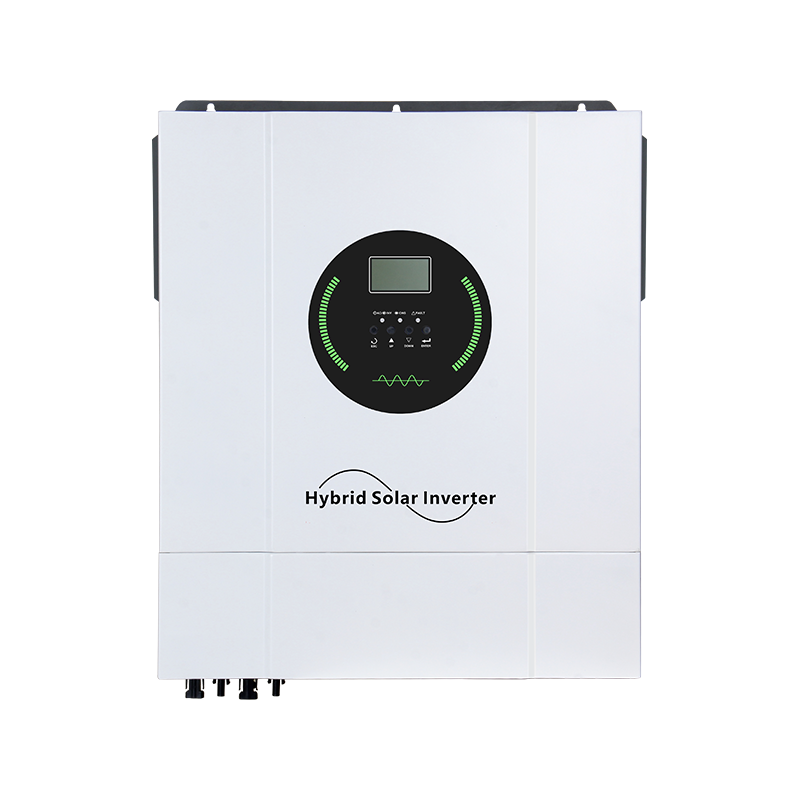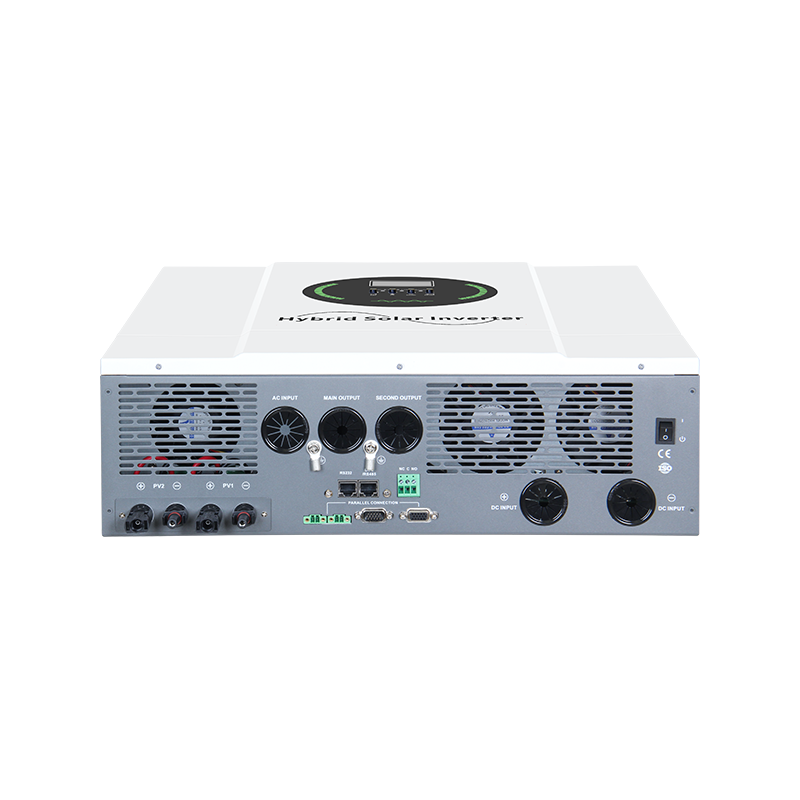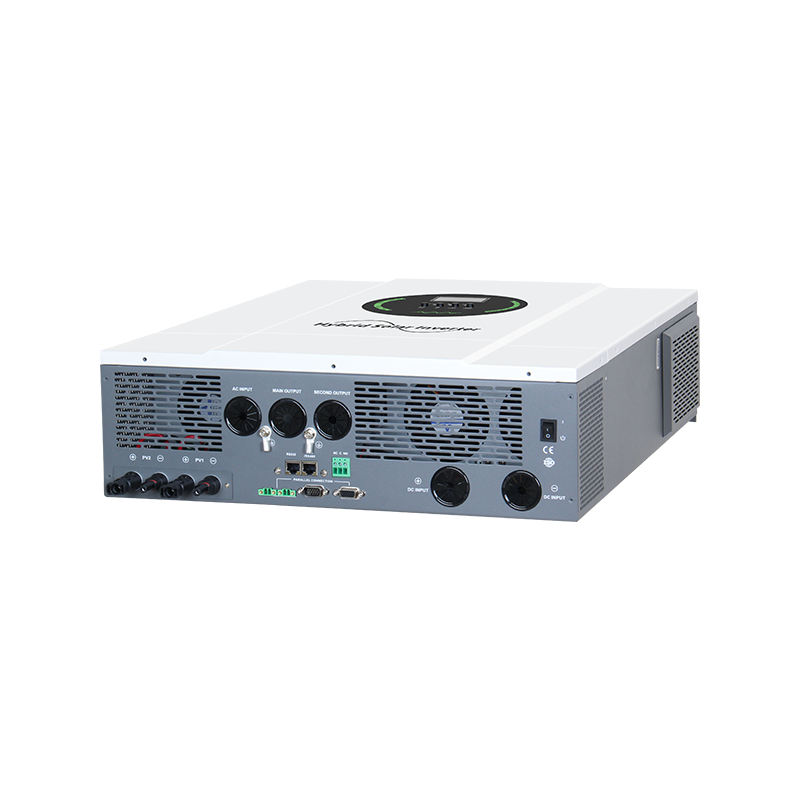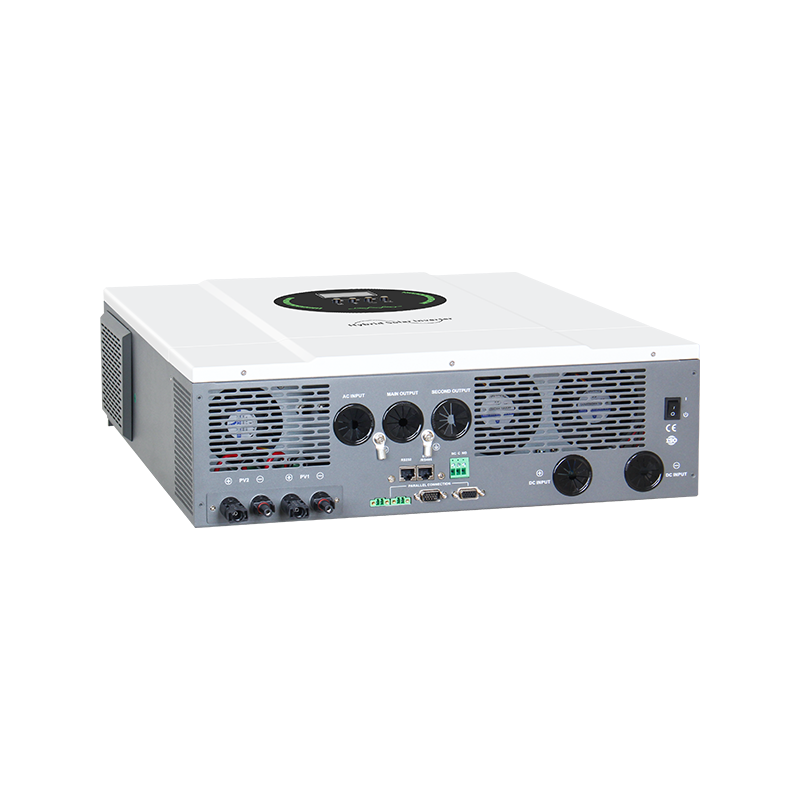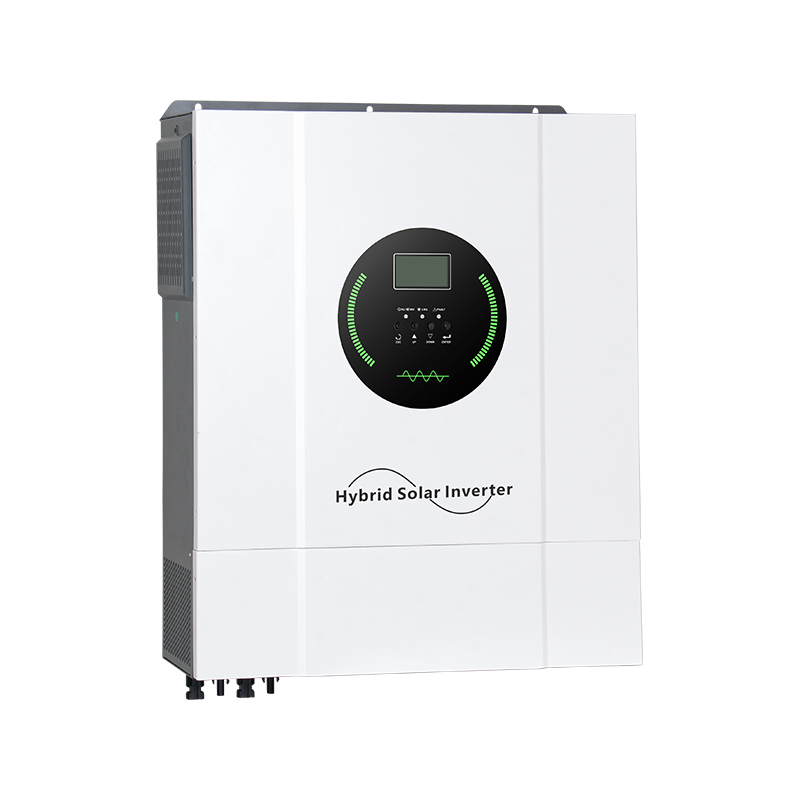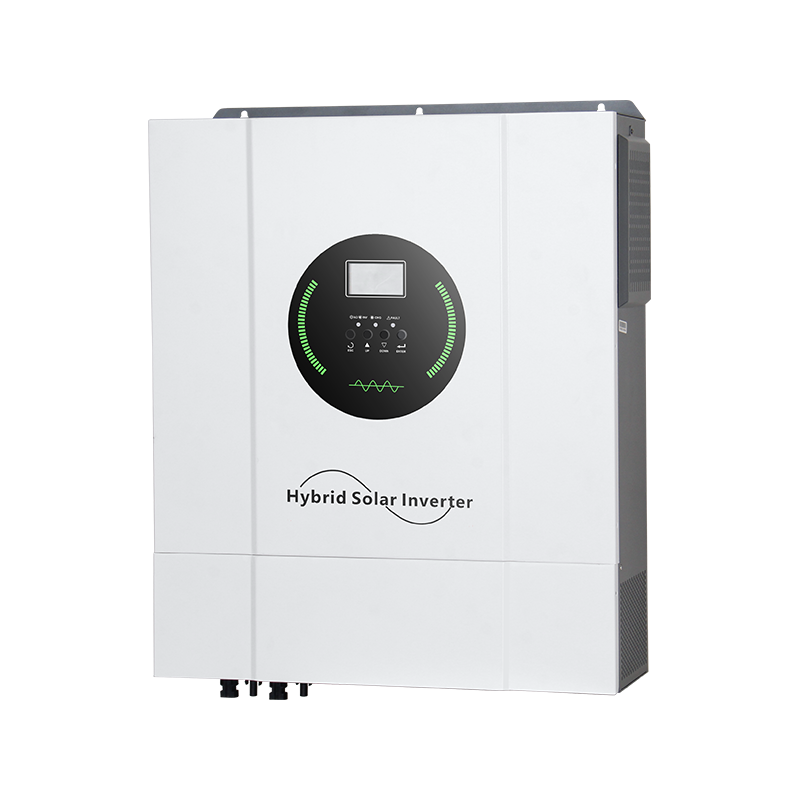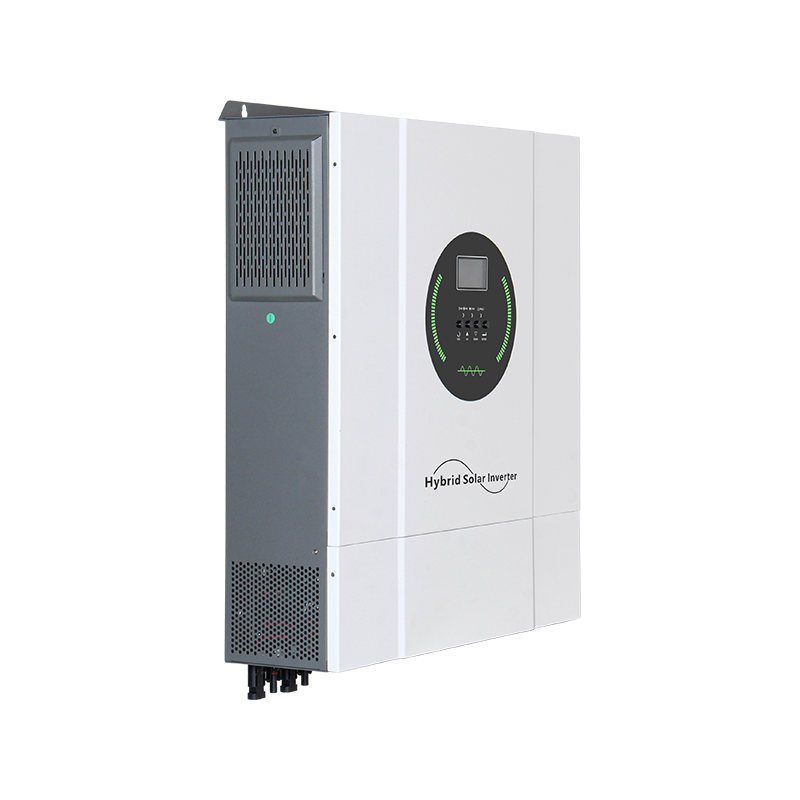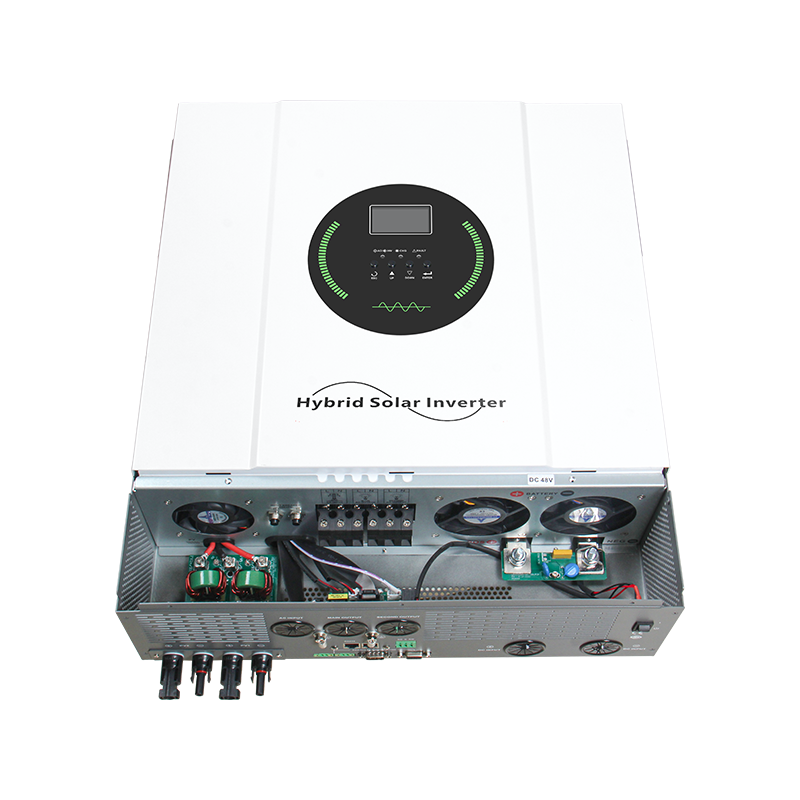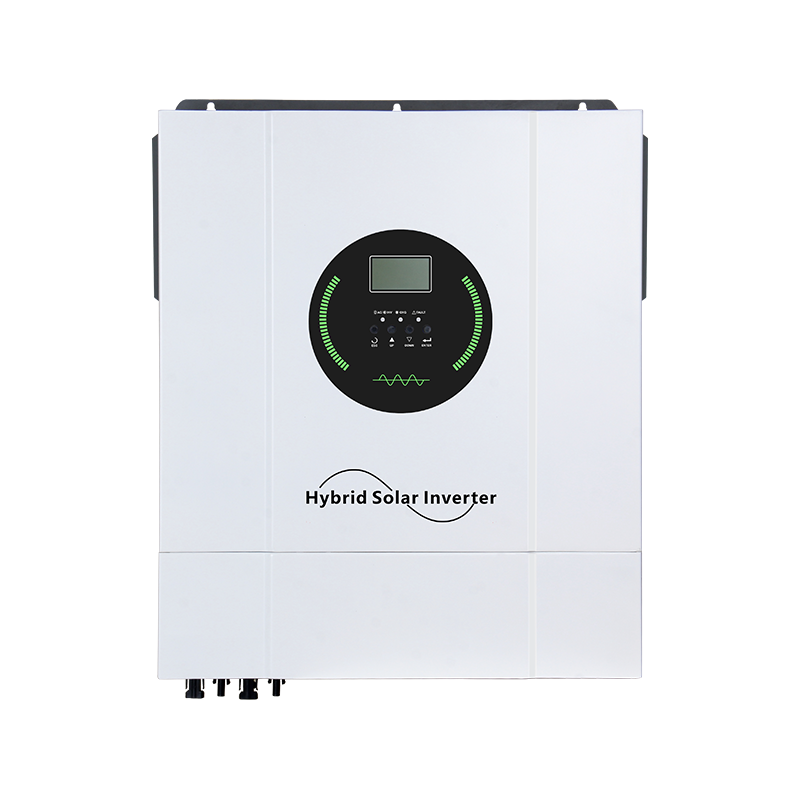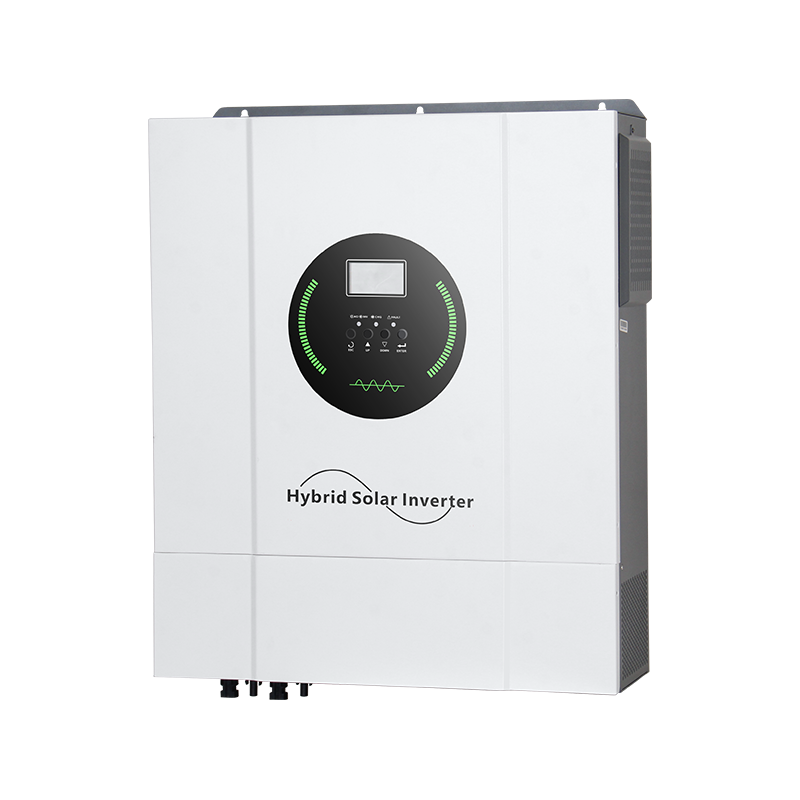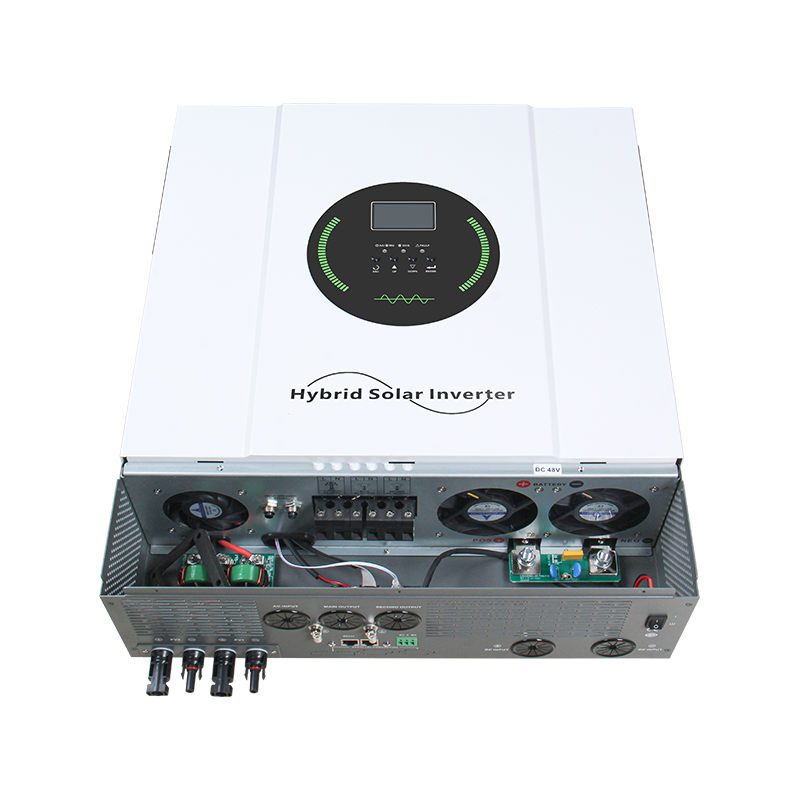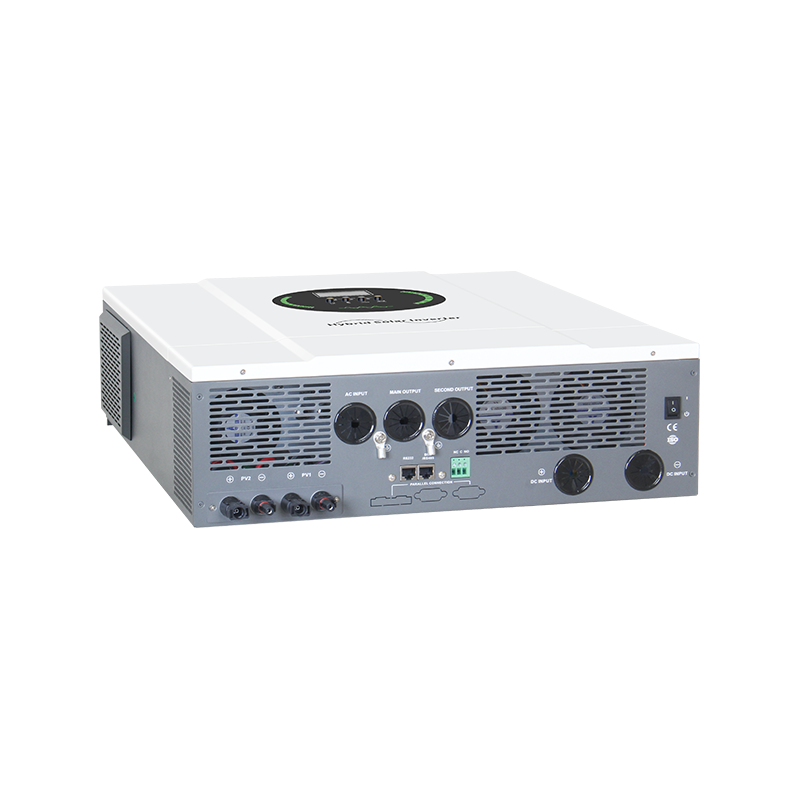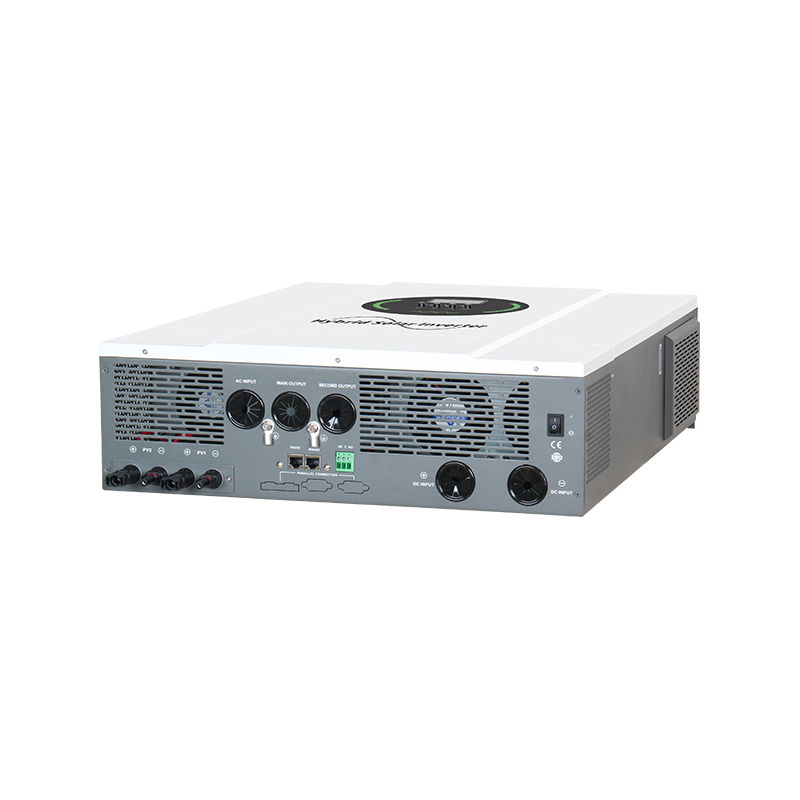
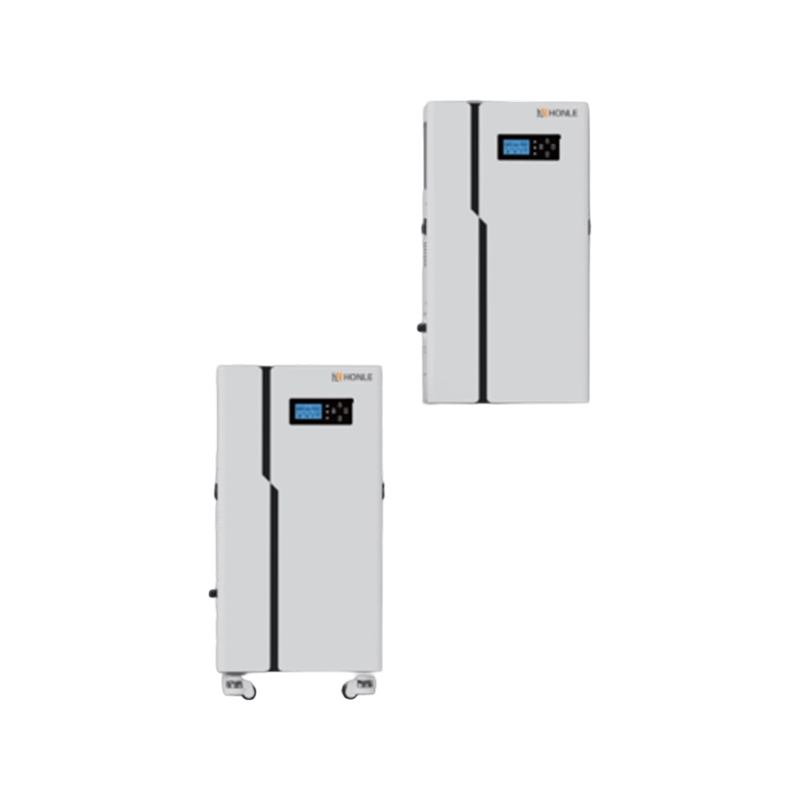
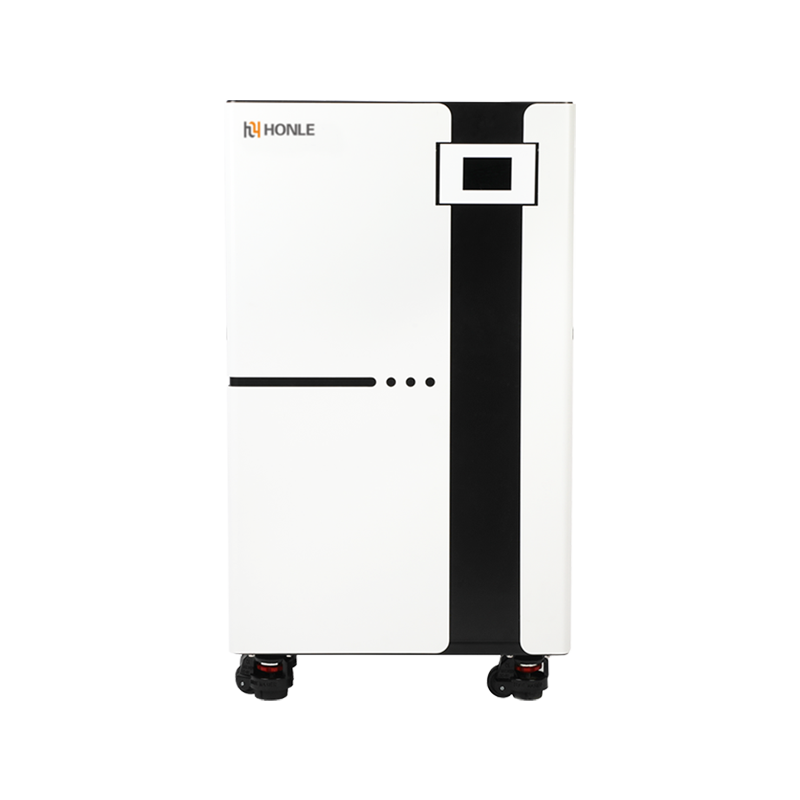
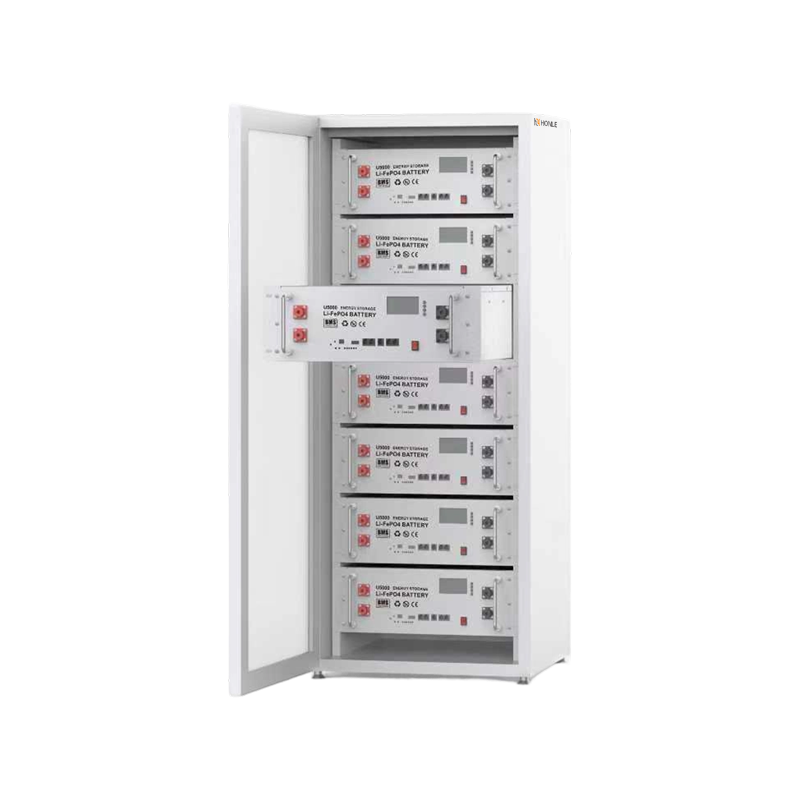
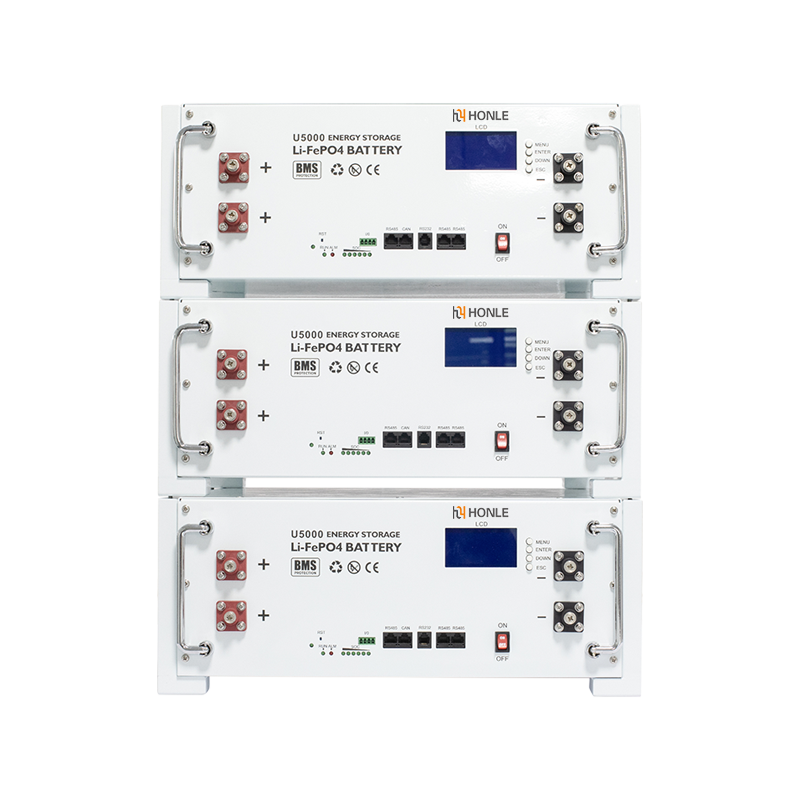
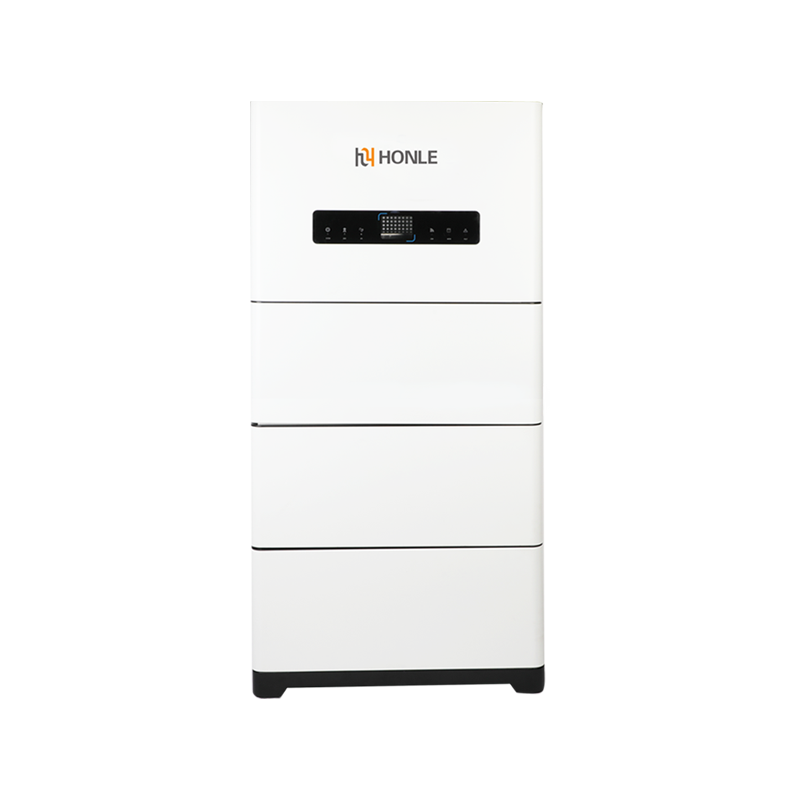
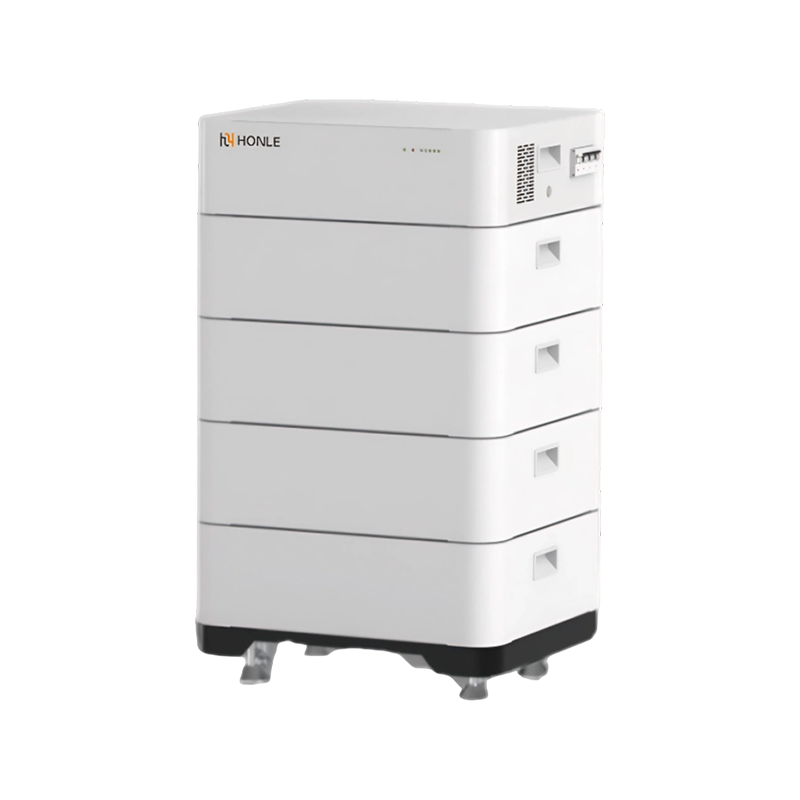
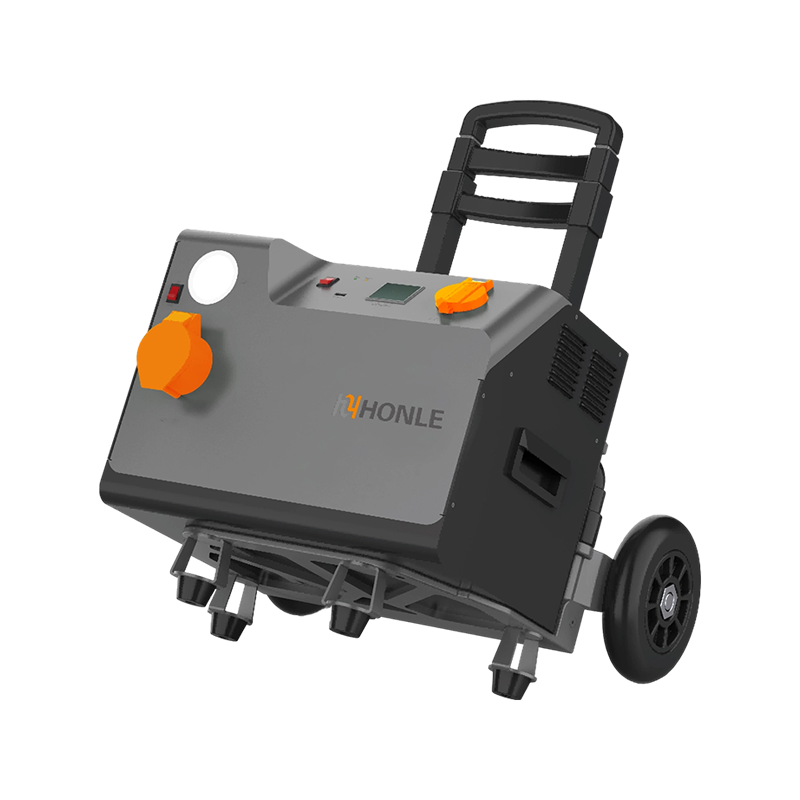
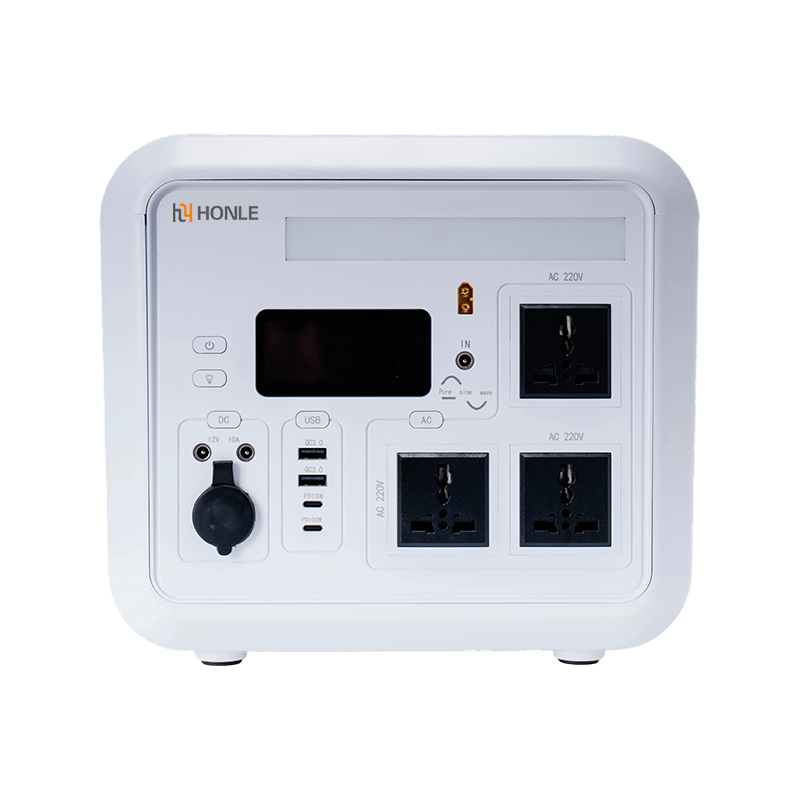
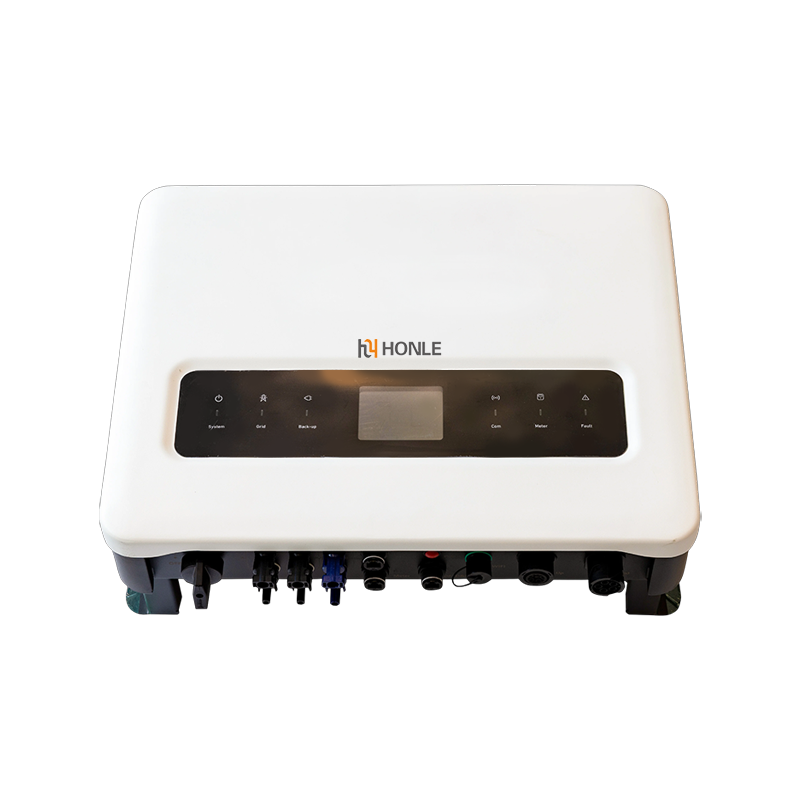
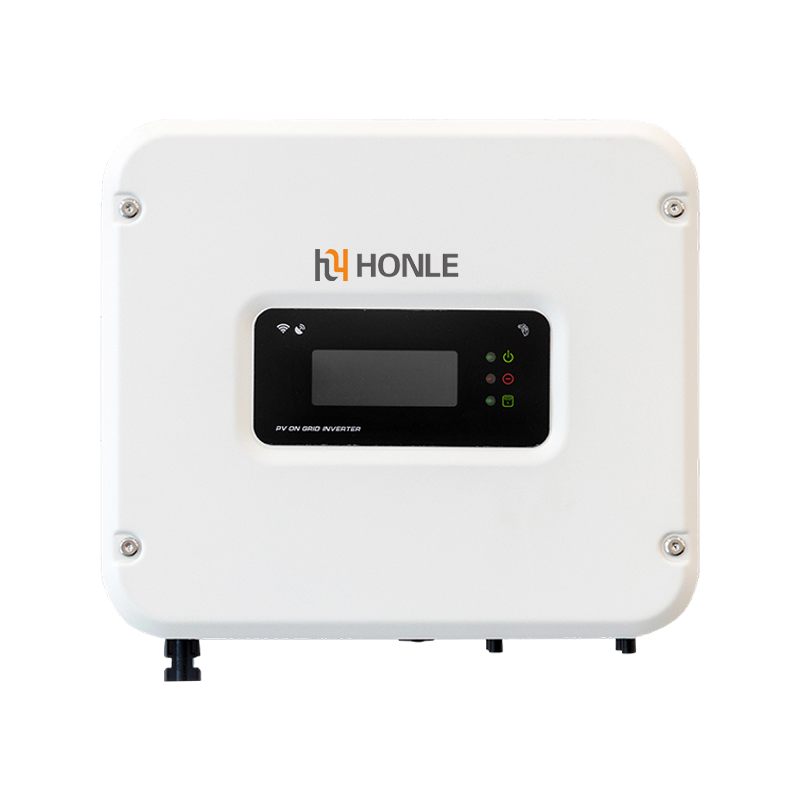
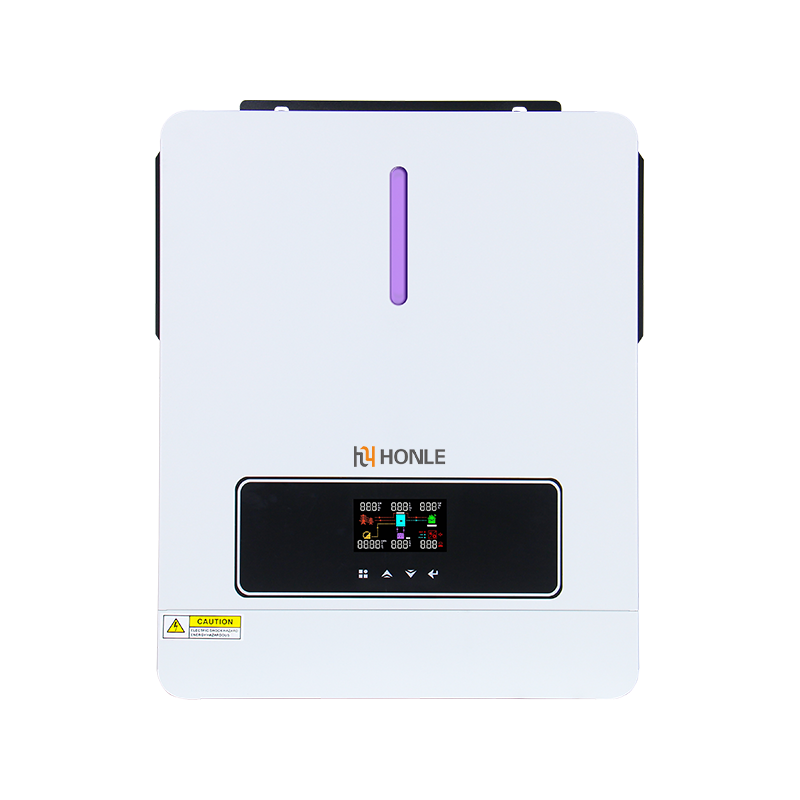



Hybrid Functionality: Supports both on-grid and off-grid operation, enabling seamless transition between solar, battery, and grid power.
High Energy Efficiency: Integrated MPPT controller maximizes solar power utilization, improving overall system performance.
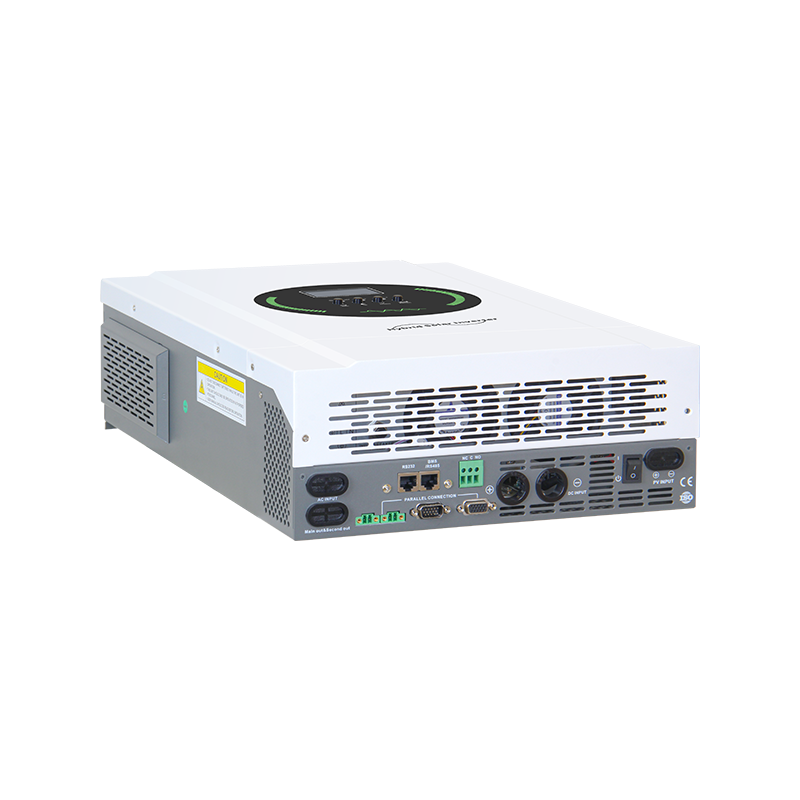
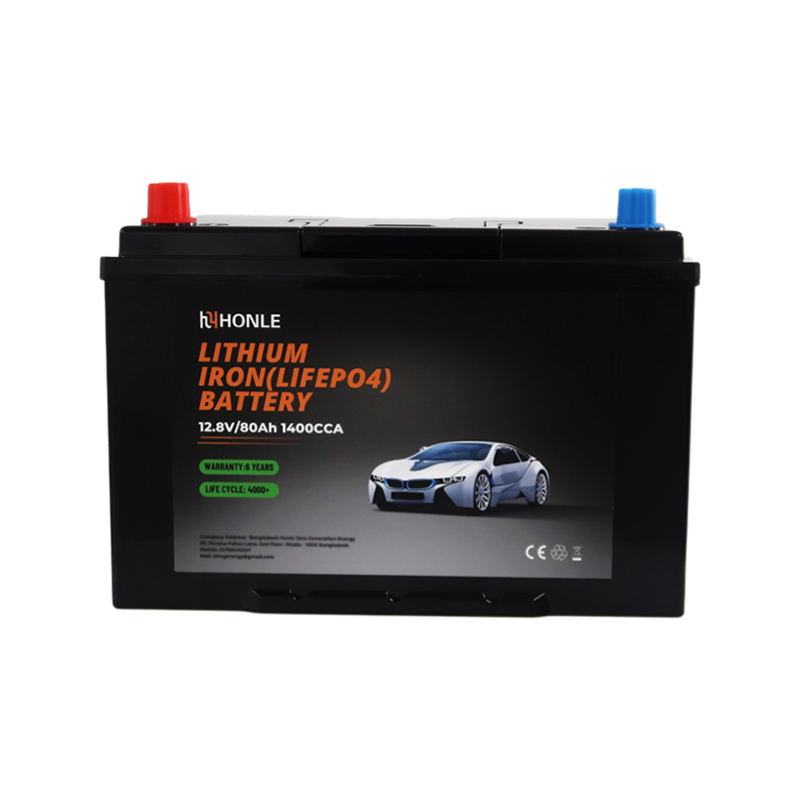
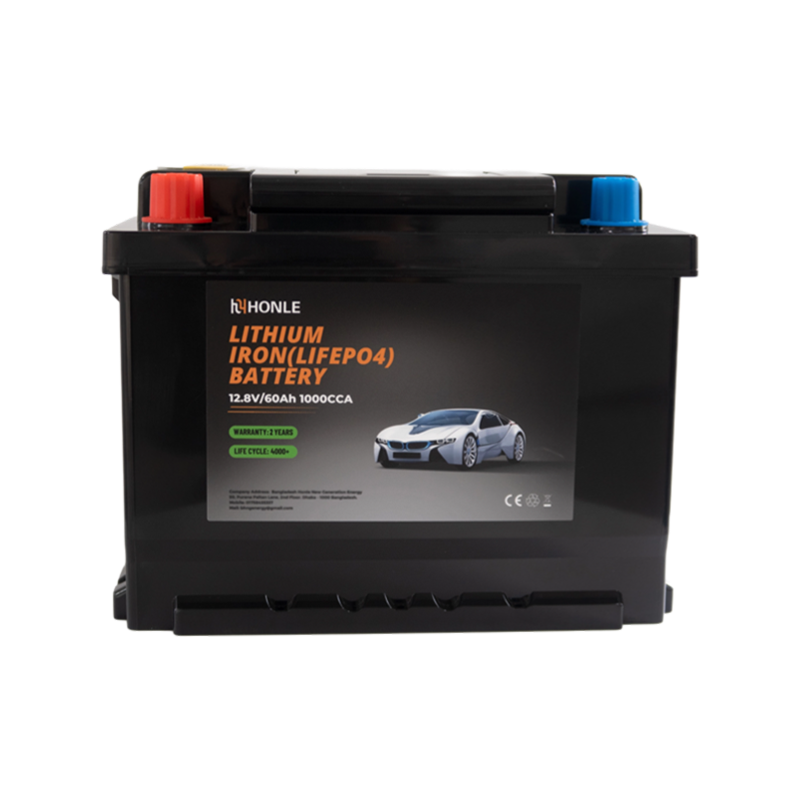
Flexible Battery Support: Compatible with AGM, Gel, and Lithium batteries, supporting various energy storage setups and long-term scalability.
Remote Monitoring: Optional WiFi connectivity allows system monitoring and basic management via iOS and Android devices.
Stable Power Supply: Designed for continuous operation in off-grid or weak-grid conditions, maintaining consistent AC output for critical loads.
Wide PV Input Range: Supports diverse solar panel configurations for both small and large-scale installations.
AC Input Flexibility: Capable of handling unstable generator inputs, ensuring uninterrupted energy supply.
Integrated Energy Management: Combines solar charging, load management, and battery control in a single compact unit.
Scalable Design: System can be expanded with additional battery storage for long-term energy security.
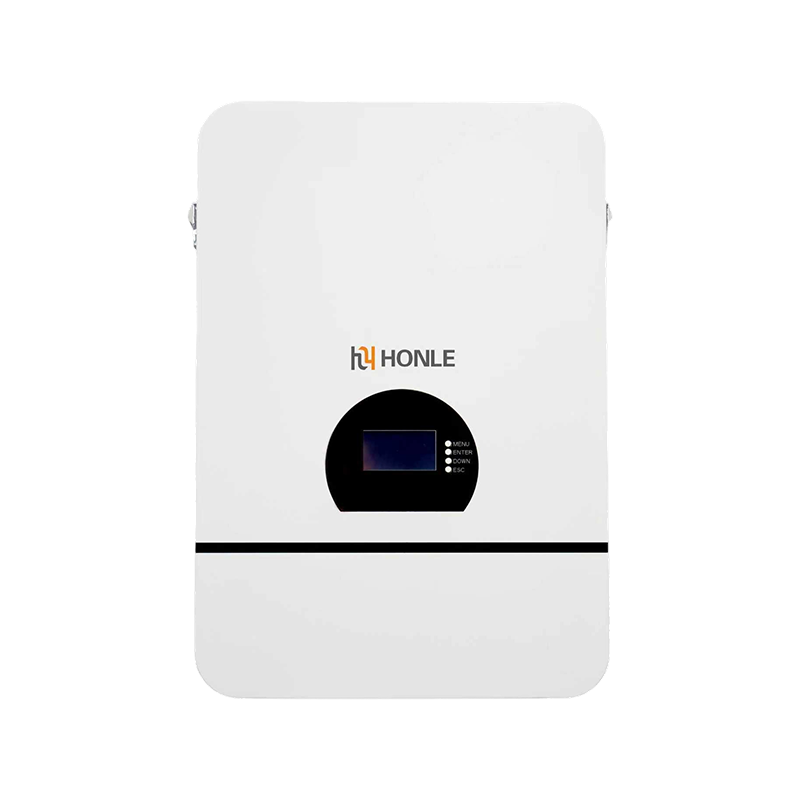
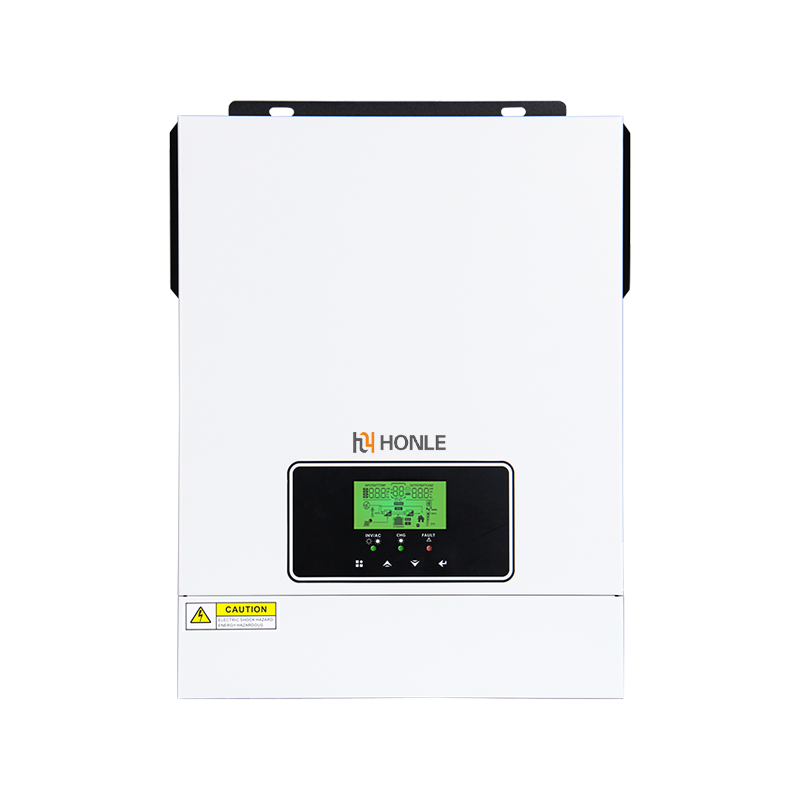
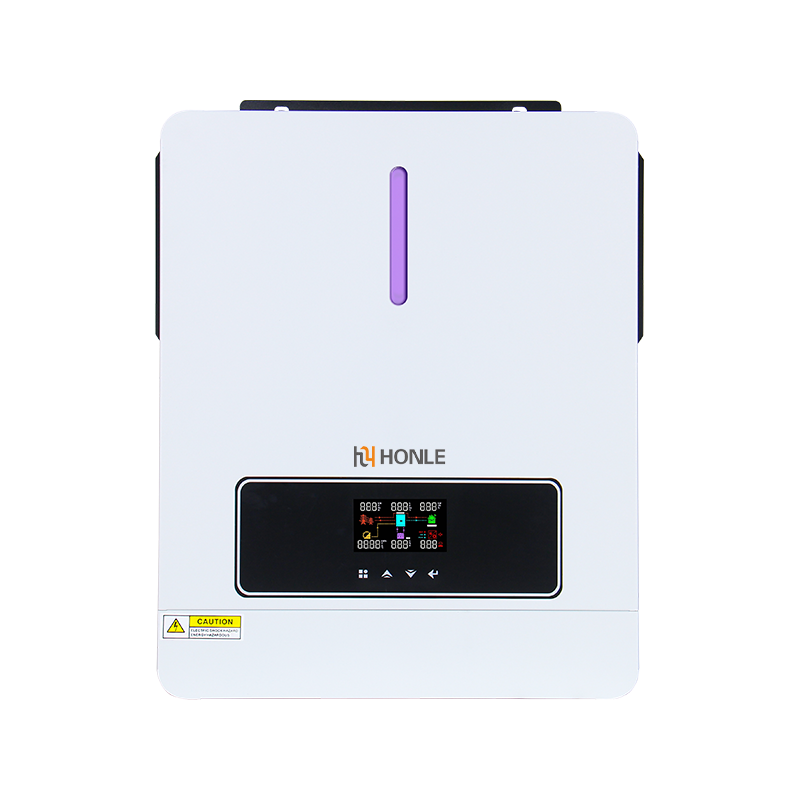
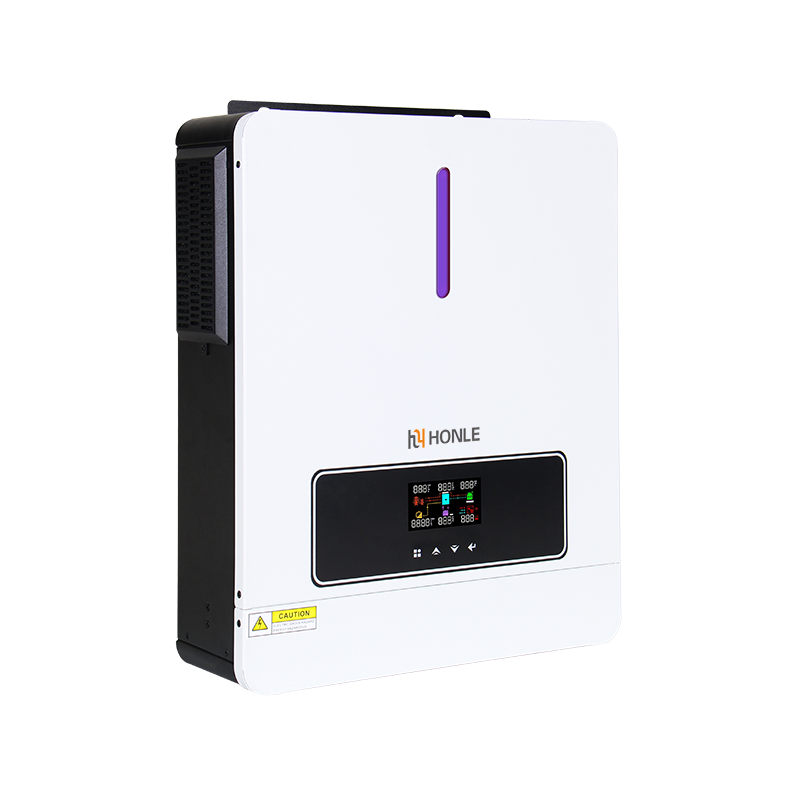
User-Friendly Interface: LCD display provides real-time information on power output, battery status, and system parameters.
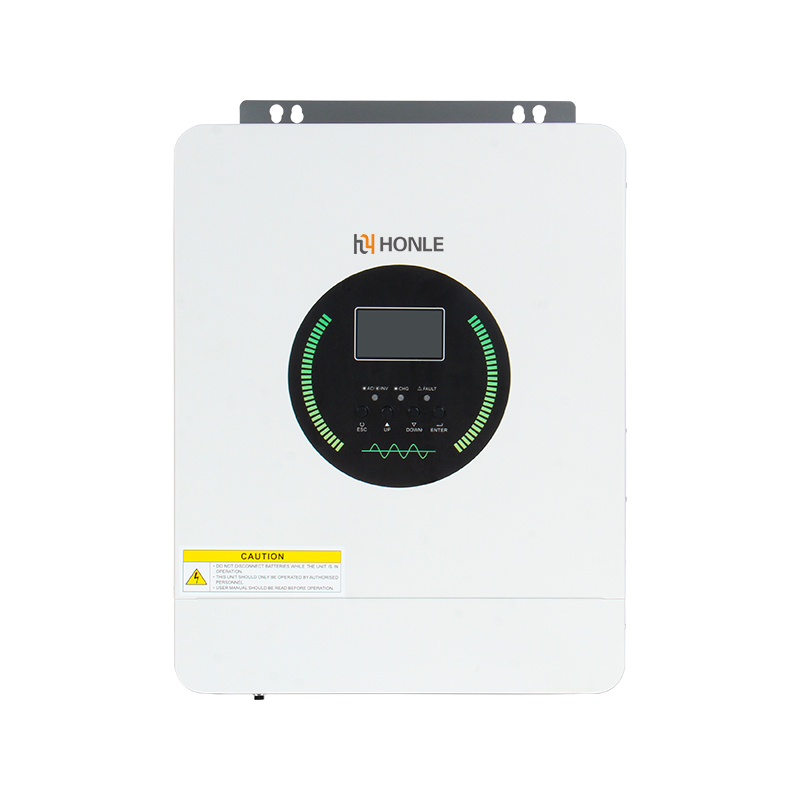
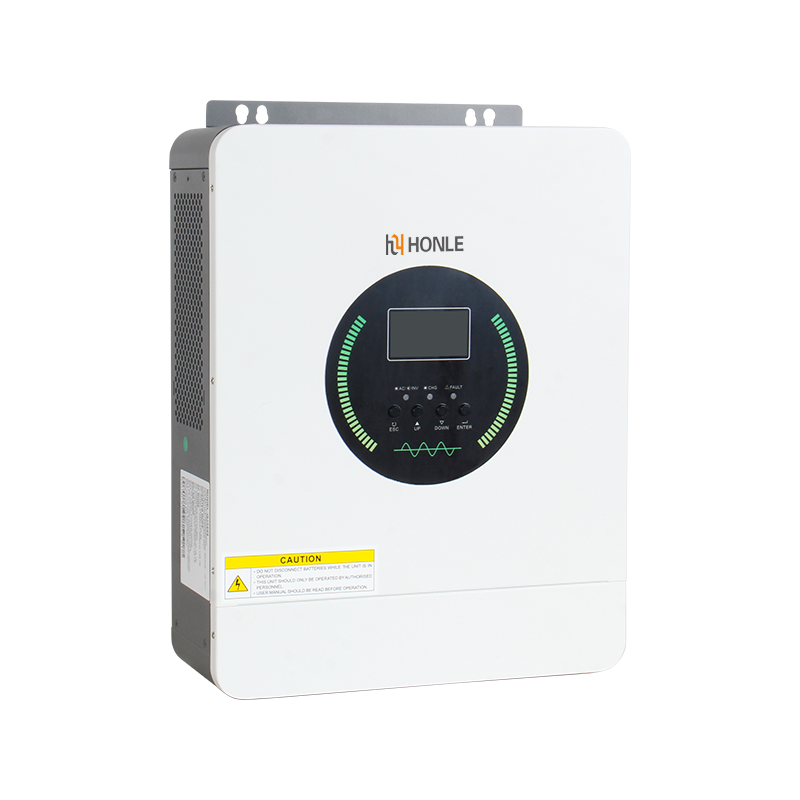
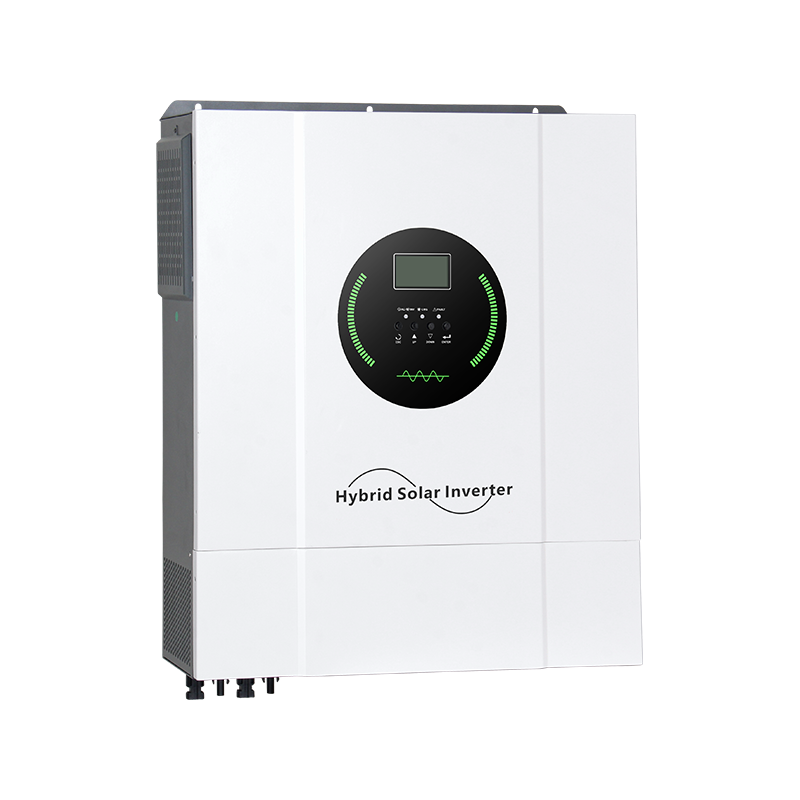
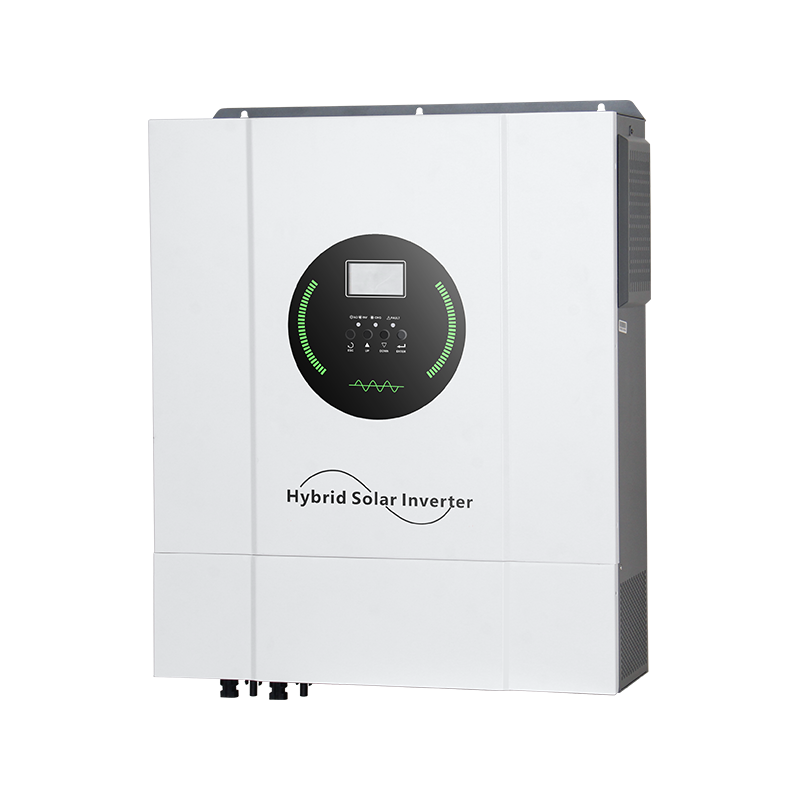
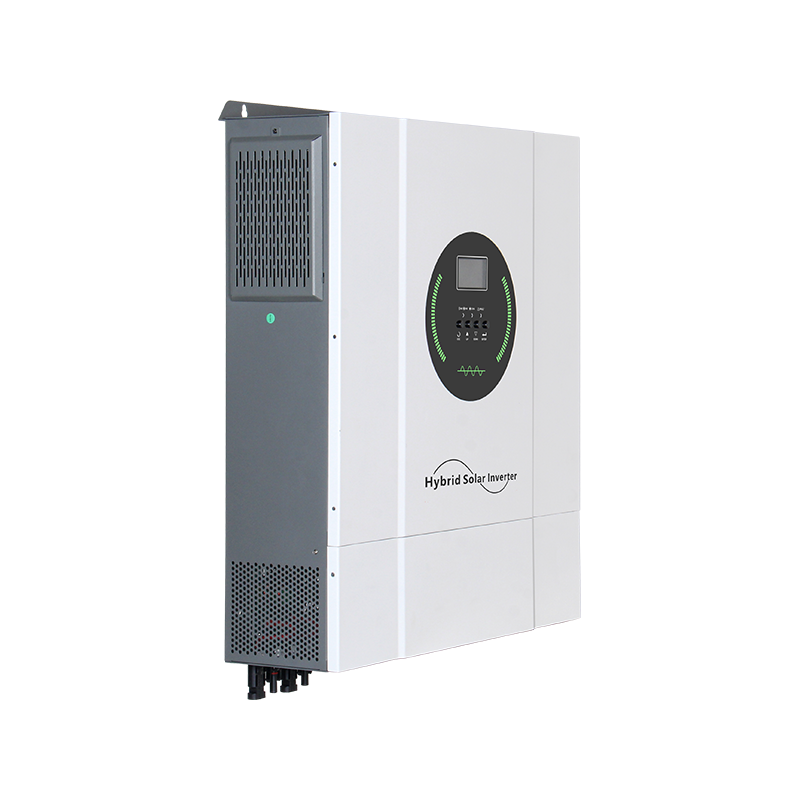
The ECO/MAX/QJ/QJOB Series On/Off-Grid Hybrid Solar Inverter is engineered for flexible solar power applications, capable of functioning independently or in coordination with the utility grid. By integrating solar charging, power conversion, and energy management, this hybrid inverter provides a reliable and stable electricity supply for residential, commercial, and remote installations. It supports battery storage integration, enhancing system efficiency and ensuring energy availability even during periods of low solar irradiation.
Incorporating advanced MPPT technology, the inverter optimizes energy harvest from photovoltaic (PV) modules under variable sunlight conditions, while wide AC and DC input ranges ensure adaptability to diverse solar array configurations and generator inputs. The system is compatible with multiple battery types, including AGM, Gel, and Lithium, allowing scalable and customized energy storage solutions.
|
Technical Datasheet |
||||||
|
Model |
ECO-4.2K |
ECO-6.2K |
MAX-8.2K |
MAX-E-11K |
QJ-6.2K-B |
QJ-11K-B |
|
Rated power |
4200W |
6200W |
8200W |
11000W |
6200W |
11000W |
|
Phase |
1 phase |
|||||
|
Dual output |
Yes |
|||||
|
Parallel |
NO |
NO |
NO |
Yes, Max 6 units |
Yes, Max 9 units |
Yes, Max 9 units |
|
OUTPUT |
||||||
|
Nominal voltage |
220/230/240Vac±5% |
|||||
|
Surge power |
8200VA |
12400VA |
16400VA |
22000VA |
12400VA |
22000VA |
|
Frequency |
50/60Hz |
|||||
|
Waveform |
Pure sine wave |
|||||
|
Peak efficiency(pv to inv) |
98% |
|||||
|
Peak efficiency(batt to inv) |
94% |
|||||
|
Overload protection |
2s@≥150% load; 11s@110%~150% |
|||||
|
Crestfactor |
3:1 |
|||||
|
AC INPUT |
||||||
|
Nominal voltage |
220/230/240Vac(L+N+PE) |
|||||
|
Acceptable Voltage Range |
170~280VAC(For Personal Computers); 90~280 VAC(For Home Appliances) |
|||||
|
Frequency |
50/60HZ(Auto sensing) |
|||||
|
GRID-CONNECTED OPERATION |
||||||
|
Output voltage |
220/230/240Vac±5% |
|||||
|
Feed into the grid voltage range |
195V-253Vac |
|||||
|
Feed into the grid frequency range |
49-51±1Hz/59-61±1Hz |
|||||
|
Power factor range |
>0.99 |
|||||
|
Max conversion efficiency(DC/AC) |
98% |
|||||
|
BATTERY |
||||||
|
Battery voltage |
24Vdc |
48Vdc |
48Vdc |
48Vdc |
48Vdc |
48Vdc |
|
Floating charge voltage |
27Vdc |
54Vdc |
54Vdc |
54Vdc |
54Vdc |
54Vdc |
|
Constant charge voltage |
28.2Vdc |
56.4Vdc |
56.4Vde |
56.4Vdc |
56.4Vdc |
56.4Vdc |
|
Battery type |
AGM/Gel/Lithium |
|||||
|
Can work without battery |
Yes |
|||||
|
SOLAR & AC CHARGER |
||||||
|
PV Charging |
MPPT |
MPPT |
Dual MPPT |
Dual MPPT |
MPPT |
Dual MPPT |
|
Mode MPPT voltage range |
60-500Vdc |
60-500Vdc |
90-500Vdc |
90-500Vdc |
90-500Vdc |
90-500Vdc |
|
Max PV voltage |
500Vdc |
500Vdc |
500Vdc |
500Vdc |
500Vdc |
500Vdc |
|
Max PV input power |
6200W |
6500W |
5500W*2 |
5500W*2 |
8500W |
7500W*2 |
|
PV max input current |
18A |
22A |
27A*2 |
27A*2 |
27A |
27A*2 |
|
Max PV charging current |
120A |
120A |
150A |
150A |
150A |
150A |
|
Max AC charging current |
100A |
100A |
150A |
150A |
120A |
150A |
|
OTHER |
||||||
|
Communicate Interface |
RS232/RS485 |
|||||
|
BMS communication function |
YES |
|||||
|
Optional accessories |
Wifi module |
|||||
|
Operation temperature |
-10℃~50℃ |
|||||
|
Storage Temperature |
-15℃~60℃ |
|||||
|
Humidity |
5% to 95% Relative Humidity(Non-condensing) |
|||||
|
Weight(kg) |
8 |
9 |
17.3 |
18.4 |
11.3 |
18.8 |
|
Dimension(mm)D*W*H |
145*350*420 |
145*350*420 |
148*433*554 |
148*433*554 |
120*330*490 |
150*470*570 |


Roof Load Limits and Ground Clearance Change the Mounting Math Entirely Every solar installation eventually forces the same decision: does the array sit on the roof, or does it sit on the ground. The...
Read MoreWhy Accurate Load Calculation Comes Before Any Solar Purchase Most oversized or undersized solar setups trace back to one mistake: skipping a proper load calculation. Homeowners often size a system b...
Read MoreStorage Chemistry 101 Why Battery Chemistry Shapes Decade-Long Storage Costs A backup power bank, a solar off-grid system, and a commercial peak-shaving installation all live or die on the same underl...
Read MoreSolar Panels Are No Longer the Hard Question, Storage Is Falling panel prices have made rooftop solar a fairly predictable investment for most property owners. Battery storage is a different story. A...
Read More