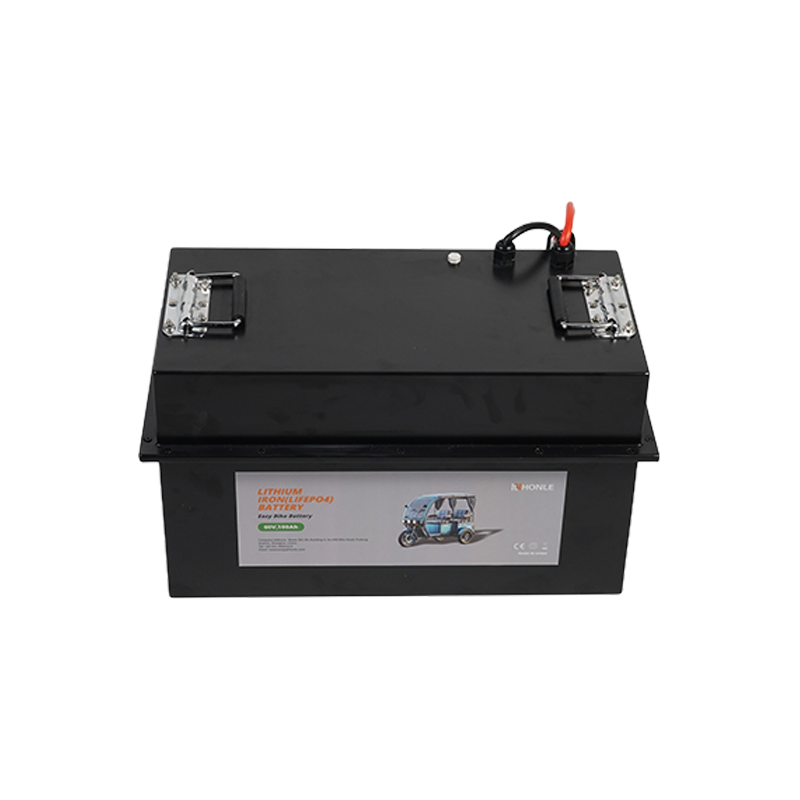
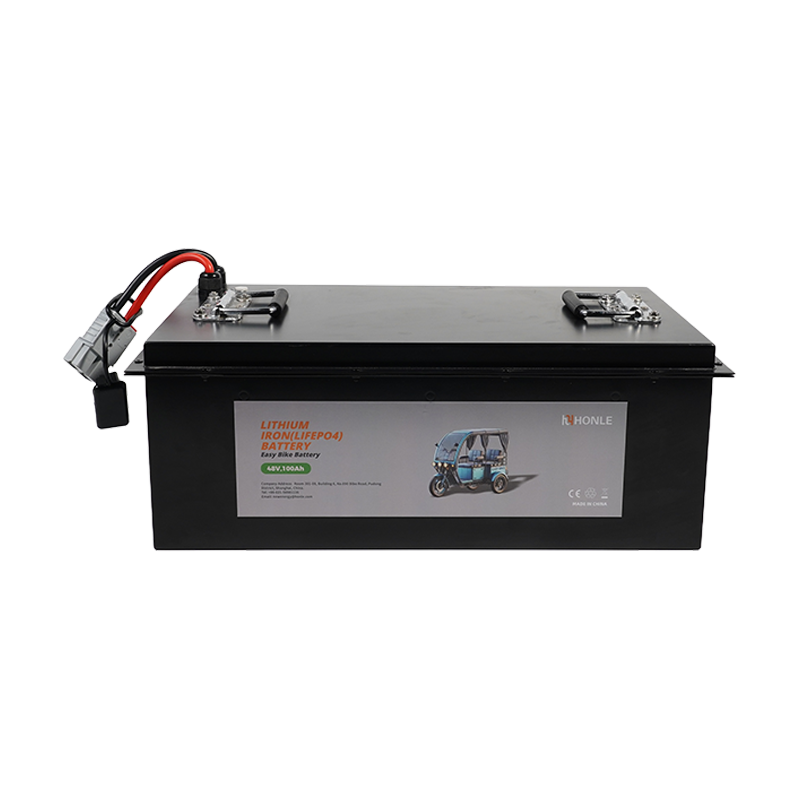
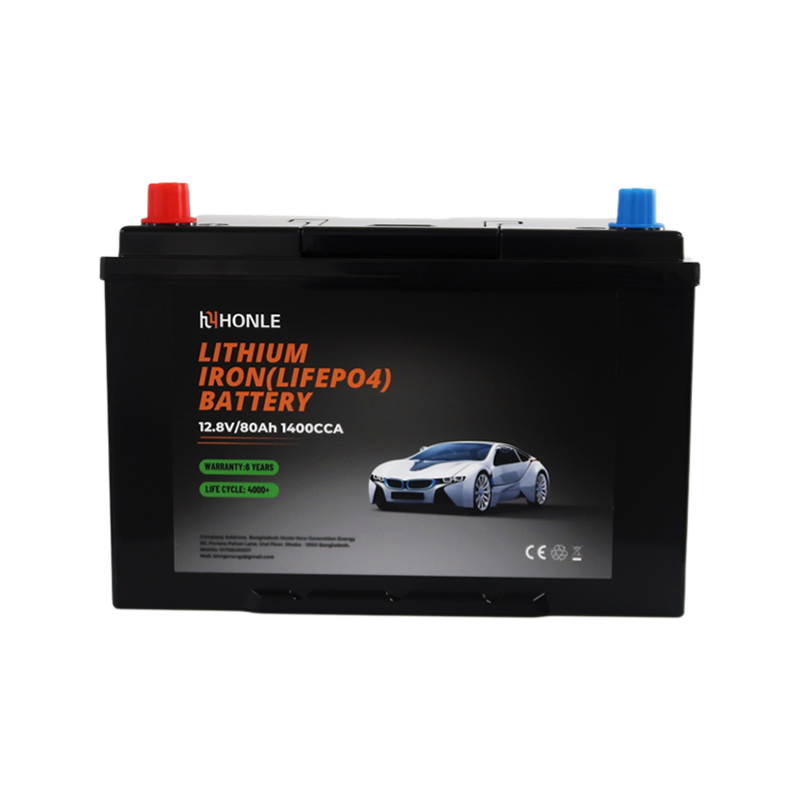
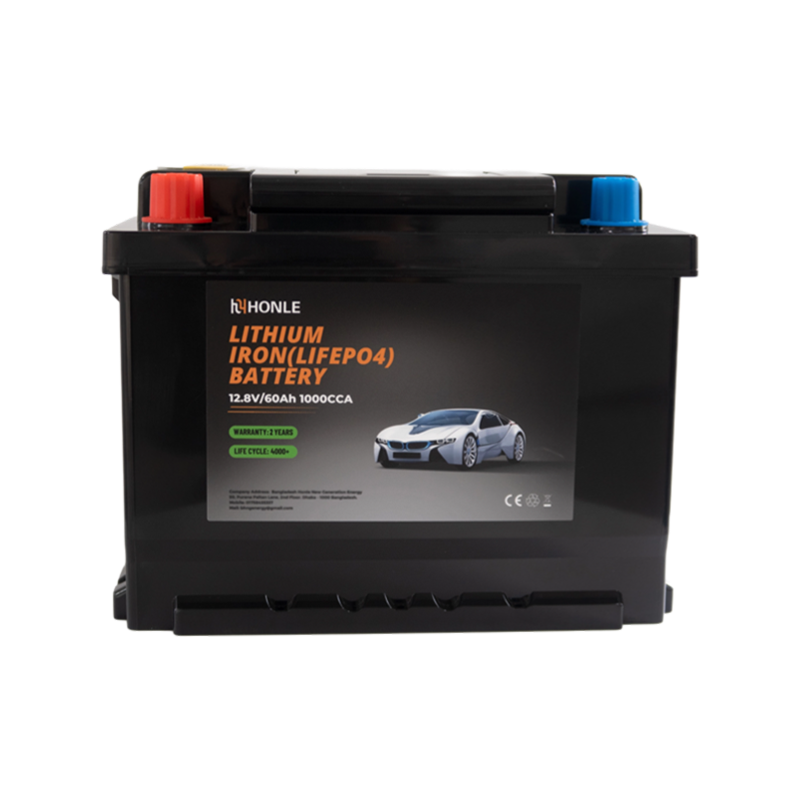
What are the advantages of vehicle lithium batteries, and why are they replacing traditional automotive batteries?
Against the backdrop of a rapidly transforming global energy landscape and the ongoing pursuit of "dual carbon" goals, the transportation sector is undergoing a profound shift. From internal combustion engine vehicles to new energy electric vehicles, and from hybrids to pure electric drives, vehicle lithium batteries have emerged as a core technology driving this transformation.
The Powerhouse of New Energy Vehicles
If the electric motor is the muscle of a new energy vehicle, the lithium battery is its heart. The primary role of the vehicle lithium battery is to provide a stable, efficient, and rechargeable source of power for the entire vehicle.
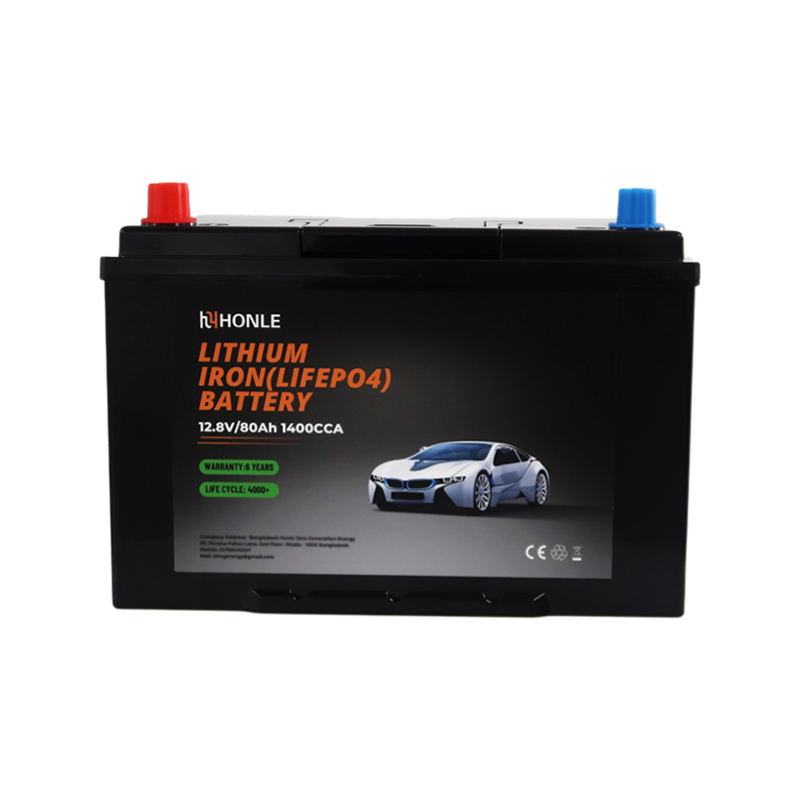
Compared to traditional lead-acid batteries, lithium batteries offer distinct advantages: higher energy density, longer cycle life, and lighter weight. These characteristics directly determine a vehicle's driving range, acceleration performance, and overall energy efficiency. As the demand for both urban commuting and long-distance travel grows, the importance of lithium battery performance has become increasingly critical.
Why Have Vehicle Lithium Batteries Become the Mainstream Choice?
Throughout the rapid development of new energy vehicles, power battery technologies have undergone numerous iterations; it is no coincidence that lithium batteries have emerged as the mainstream choice.
Increased energy density allows for longer driving ranges without significantly adding weight; optimized charging efficiency drastically reduces waiting times for users; and the low self-discharge rate of lithium batteries ensures stable charge retention even during prolonged periods of inactivity.
Advancements in Battery Management System (BMS) technology—including thermal management, overcharge protection, and cell balancing—have significantly enhanced the safety and reliability of vehicle lithium batteries in real-world applications.
Technological Evolution Drives Industry Upgrades
Current developments in vehicle lithium batteries are trending toward greater safety, higher energy density, and longer lifespans. Lithium Iron Phosphate (LFP) and Nickel-Cobalt-Manganese (NCM/ternary) batteries have become the dominant market technologies, each excelling in specific application scenarios.
Different Battery Technologies and Applications
| Battery Type |
Main Advantage |
Typical Applications |
| Lithium Iron Phosphate (LFP) |
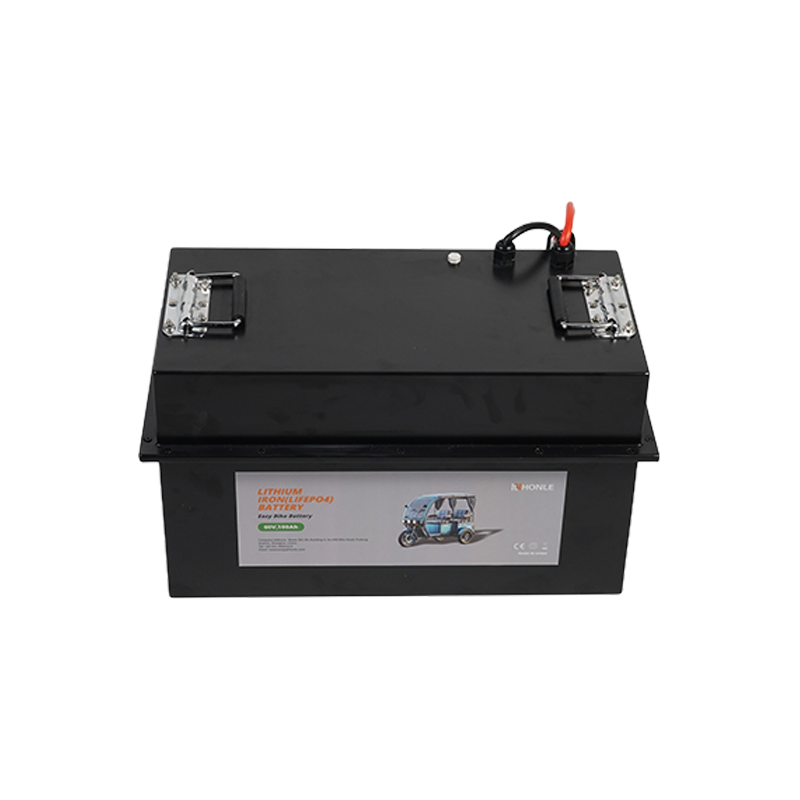
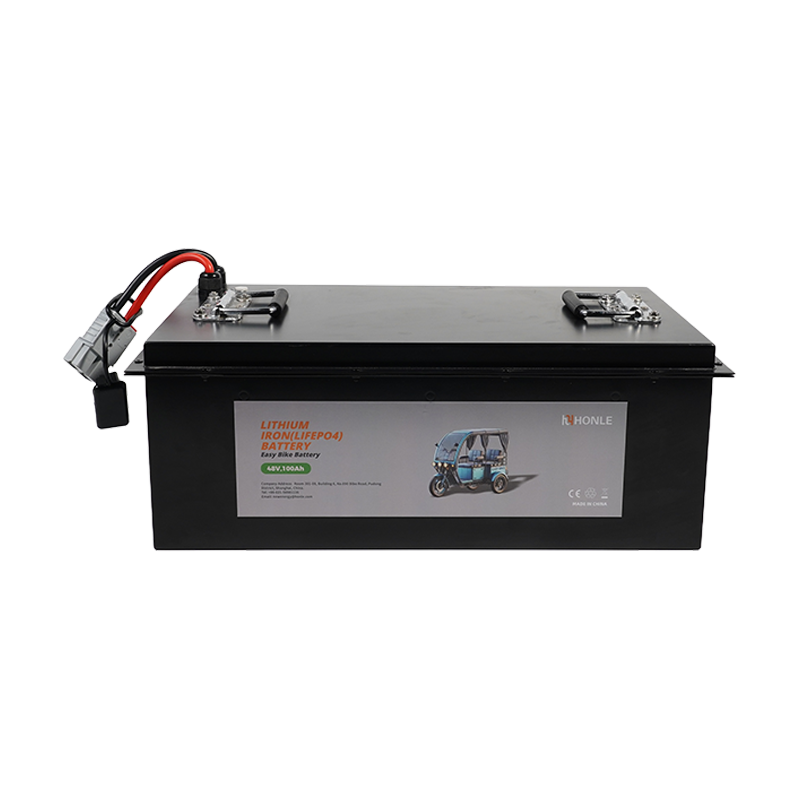
High safety, long cycle life |
Urban buses, logistics vehicles |
| Ternary Lithium (NCM/NCA) |
High energy density |
Passenger electric vehicles |
| Solid-state batteries (emerging) |
Higher safety potential, improved energy density |
Future EV platforms |
Simultaneously, next-generation technologies—such as solid-state and semi-solid-state batteries—are undergoing accelerated development, promising to overcome the existing trade-offs between safety and energy density in the future.
Integration of Vehicle Lithium Batteries into the Global Energy System
The development of vehicle lithium batteries has not only transformed the automotive industry but is also reshaping the structure of energy systems. As the number of new energy vehicles (NEVs) continues to rise, traction batteries are increasingly becoming a vital component of distributed energy storage systems.
Through Vehicle-to-Grid (V2G) technology, vehicle batteries can supply power back to the grid during peak load periods, thereby enhancing energy utilization efficiency. This "vehicle-grid interaction" model allows vehicle lithium batteries to evolve from simple power sources into key nodes within the energy network.
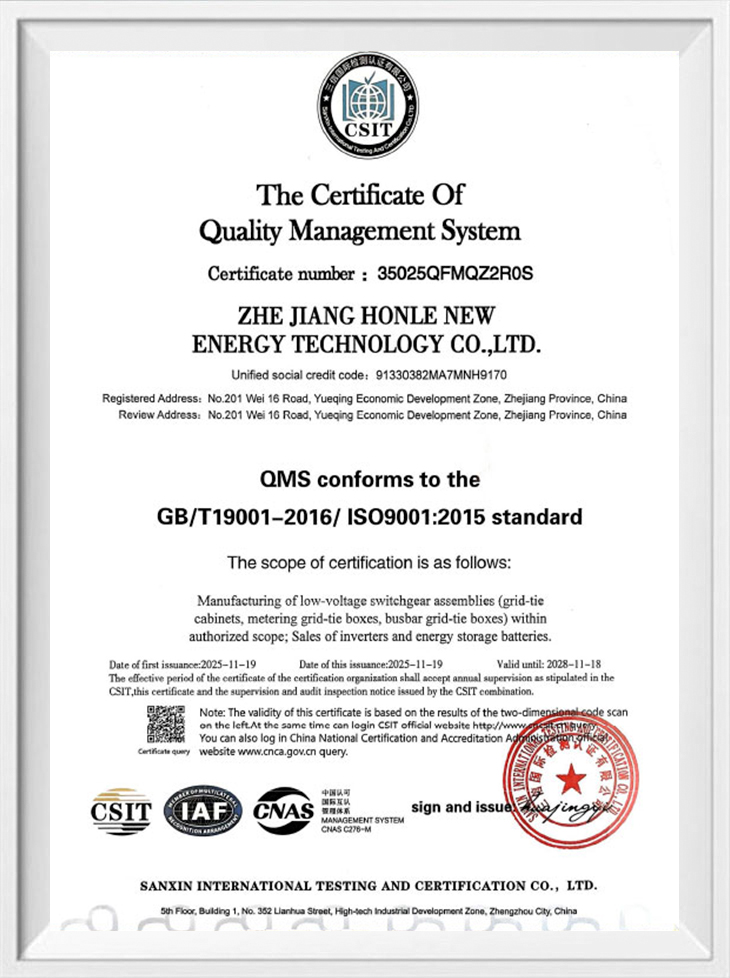
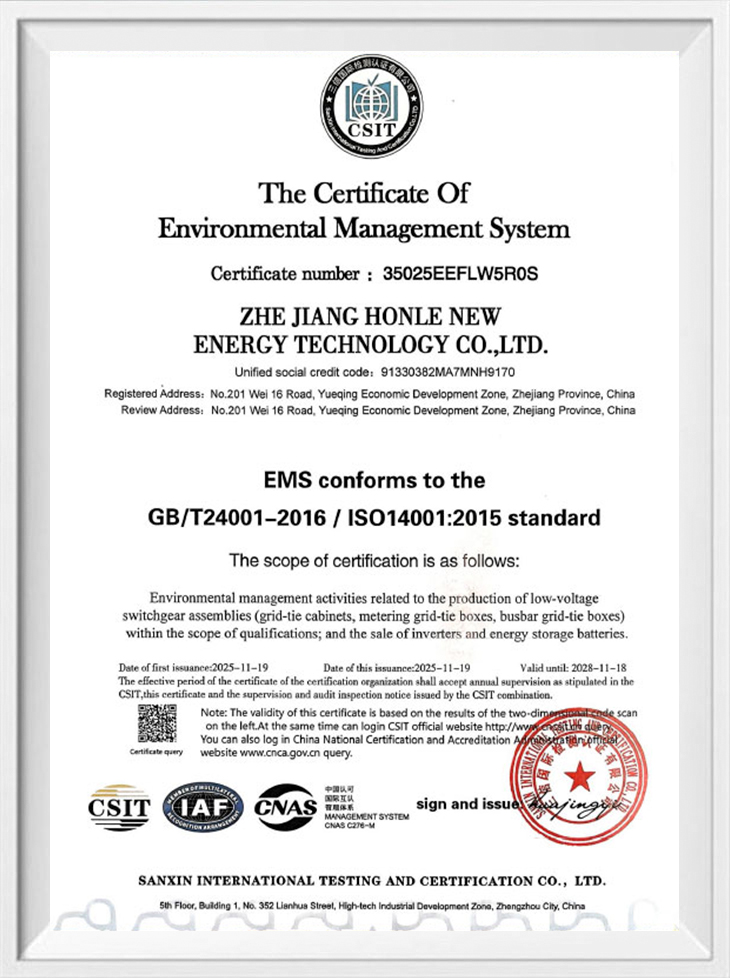
Technological Capabilities and Strengths of Honle New Energy Technology Co., Ltd.
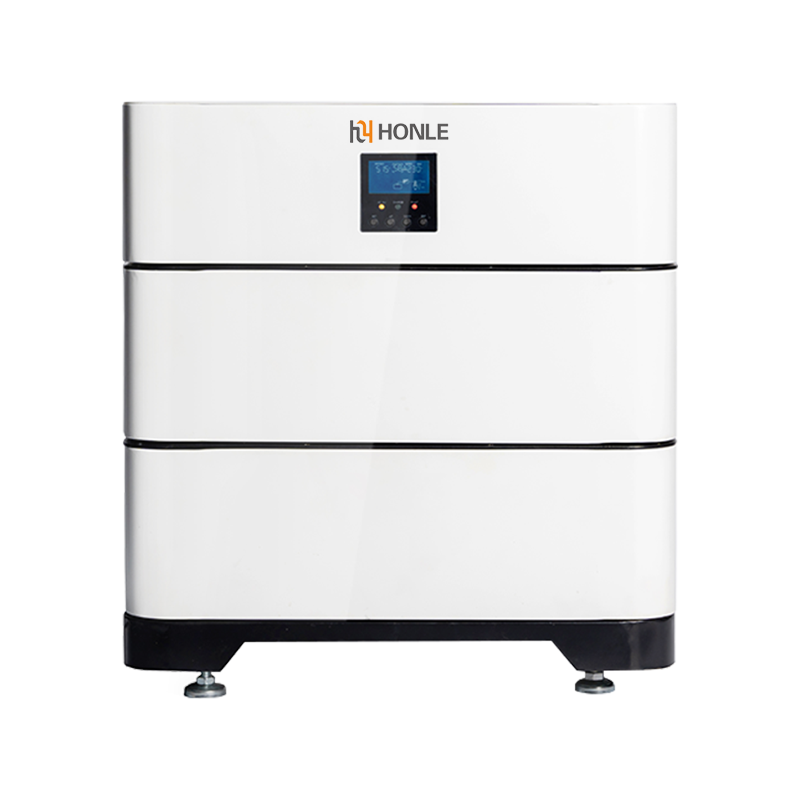
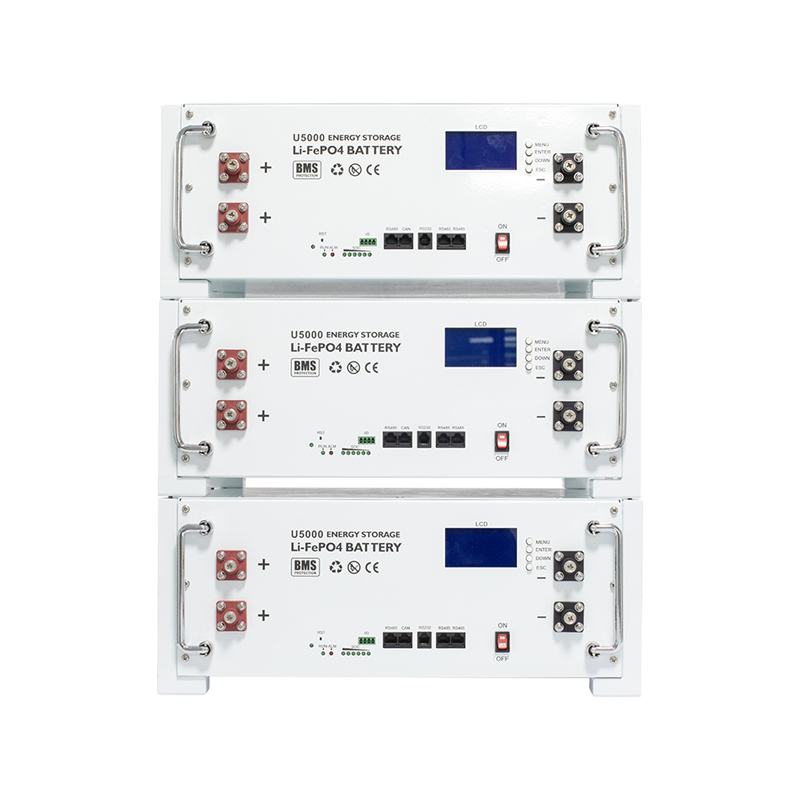
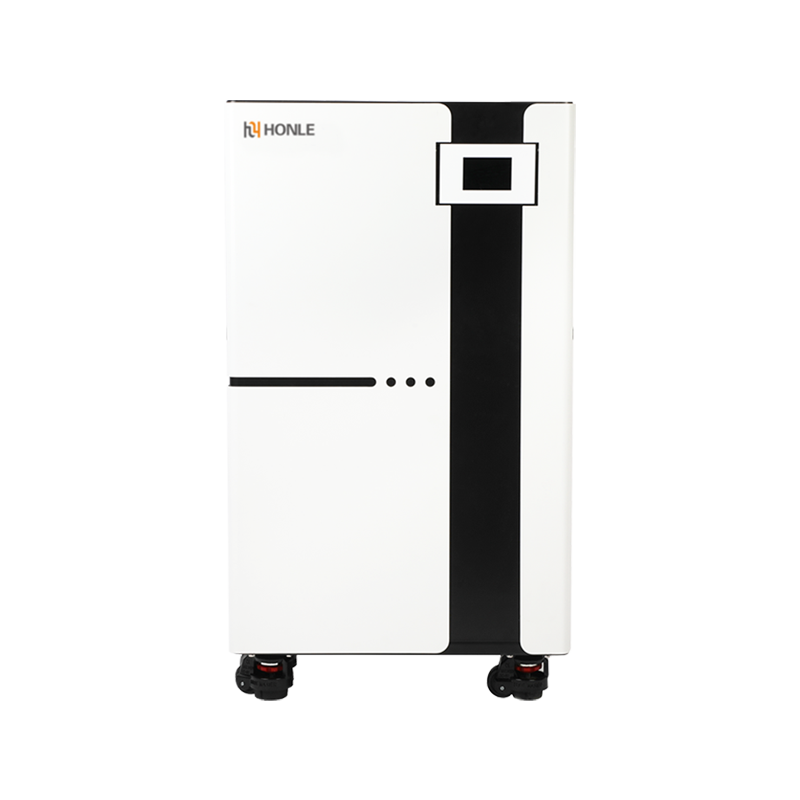
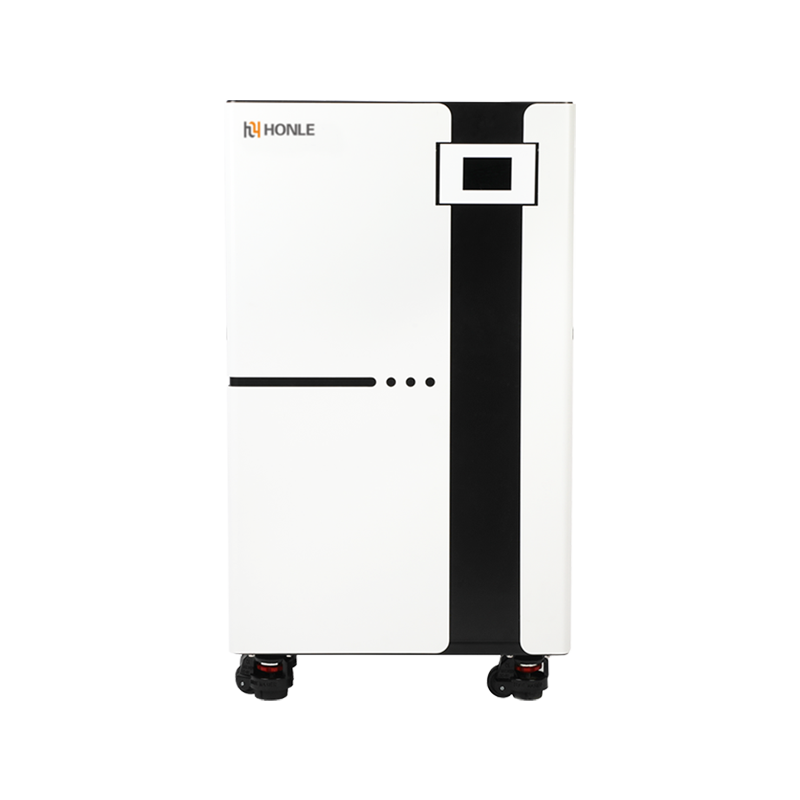
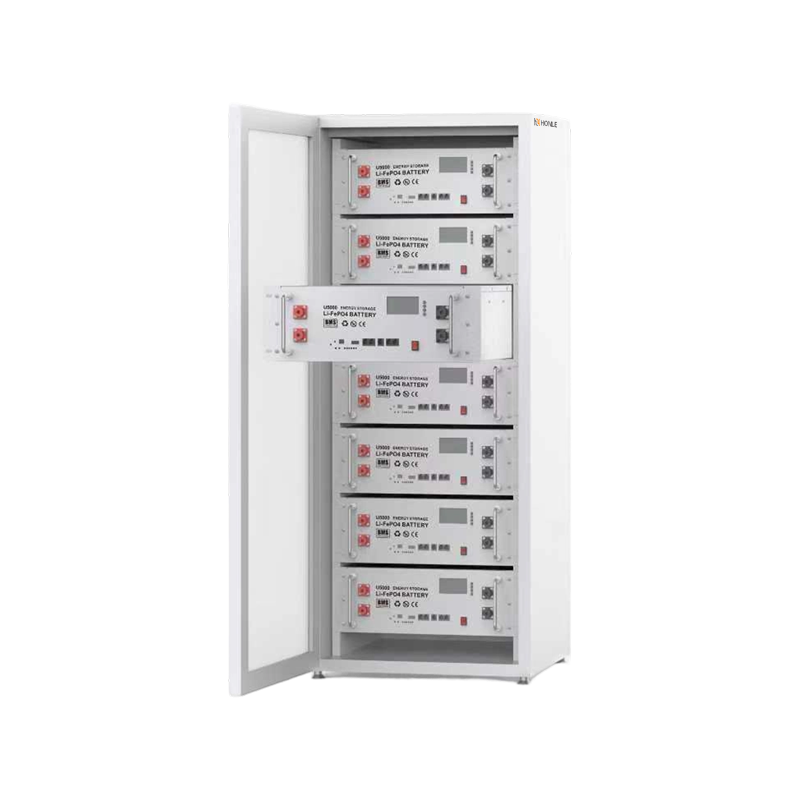
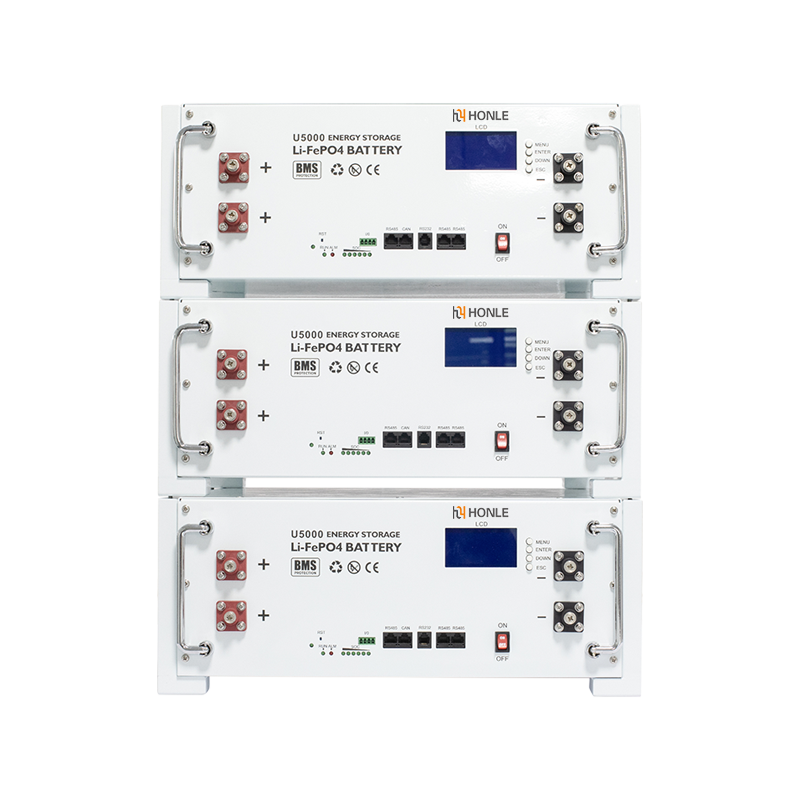
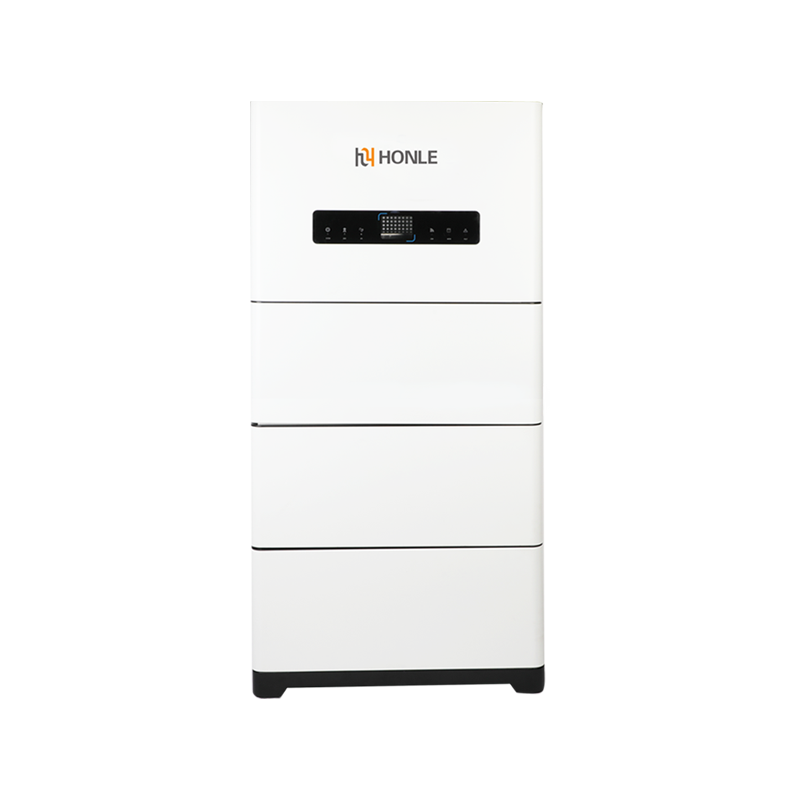
Amidst the rapid global growth of the new energy industry, Honle New Energy Technology Co., Ltd. has leveraged years of industry experience to establish a comprehensive R&D and manufacturing system for vehicle lithium batteries and energy storage systems.
As a Chinese manufacturer specializing in customized lithium energy storage systems and vehicle lithium batteries, Honle New Energy draws upon the global resources and technical foundation of the Honle Group to serve as a trusted supplier in the new energy sector. The company possesses over two decades of experience in power electronics and new energy, maintaining a steadfast focus on sustainable, eco-friendly energy products and solutions.
Currently, Honle New Energy’s products and services are widely utilized in residential energy storage, commercial energy management, and the NEV sector. The company has also established stable partnership networks in various international markets, including Uzbekistan, the UAE, Indonesia, Tanzania, and Côte d'Ivoire.
With production capabilities that combine scalability with customization, the company offers flexible energy solutions tailored to diverse client needs. From battery module design to vehicle-level application integration, Honle New Energy is committed to creating a product ecosystem characterized by superior efficiency, safety, and reliability.
Expanding Application Scenarios
The application of vehicle lithium batteries is no longer confined to passenger vehicles; it is expanding into a broader range of transportation and industrial scenarios.
In urban logistics, electric delivery vehicles rely on batteries with long cycle lives to reduce operating costs; in public transportation, electric buses utilize high-capacity batteries to ensure all-day operation; and in the fields of specialty vehicles and construction machinery, high-power lithium batteries demonstrate exceptional adaptability.
As the trend toward electrification deepens, lithium batteries are becoming an integral part of transportation infrastructure. Automotive lithium batteries are evolving from mere components into core hubs connecting transportation and energy systems. Driven by the widespread adoption of new energy vehicles and the global energy transition, their strategic importance continues to rise.
FAQ
Q1: What are the key advantages of automotive lithium batteries?
Their core advantages include high energy density, long cycle life, lightweight design, and high charging efficiency.
Q2: What are the main types of automotive lithium batteries?
The mainstream types are currently Lithium Iron Phosphate (LFP) batteries and ternary lithium batteries; each offers a different balance between safety and energy density.
Q3: Can automotive lithium batteries be used in energy storage systems?
Yes; after being retired from vehicle use, some power batteries can be repurposed for energy storage applications—a practice known as "cascade utilization."









 English
 Français
 Español