Sizing for Surge Loads and Motor Start-up Behavior
Honle New Energy engineers frequently see undersized systems fail not because continuous wattage was miscalculated, but because surge current was ignored. Induction motors found in well pumps, refrigeration compressors, and air conditioning units can draw 3-7 times their rated running current for a fraction of a second at start-up, and an inverter without adequate surge headroom will trip or shut down the moment that load engages.
Peak surge rating, not continuous rating, is therefore the number installers should scrutinize first when multiple motor-driven appliances might start simultaneously — a well pump and a refrigerator kicking on together, for instance, can momentarily demand several times the sum of their individual running loads.
A general planning margin of 20-30% above calculated peak surge demand gives installers a safety buffer for load growth or imprecise appliance nameplate data, which is especially useful in remote deployments where swapping equipment later is costly and time-consuming.
Wide Input Voltage Range and Multi-Chemistry Battery Support
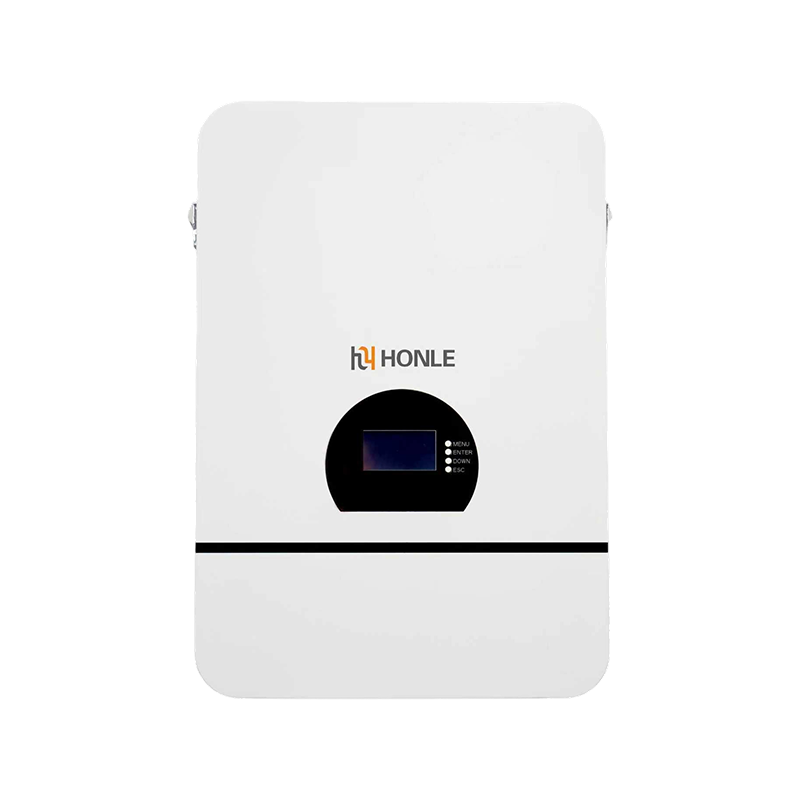
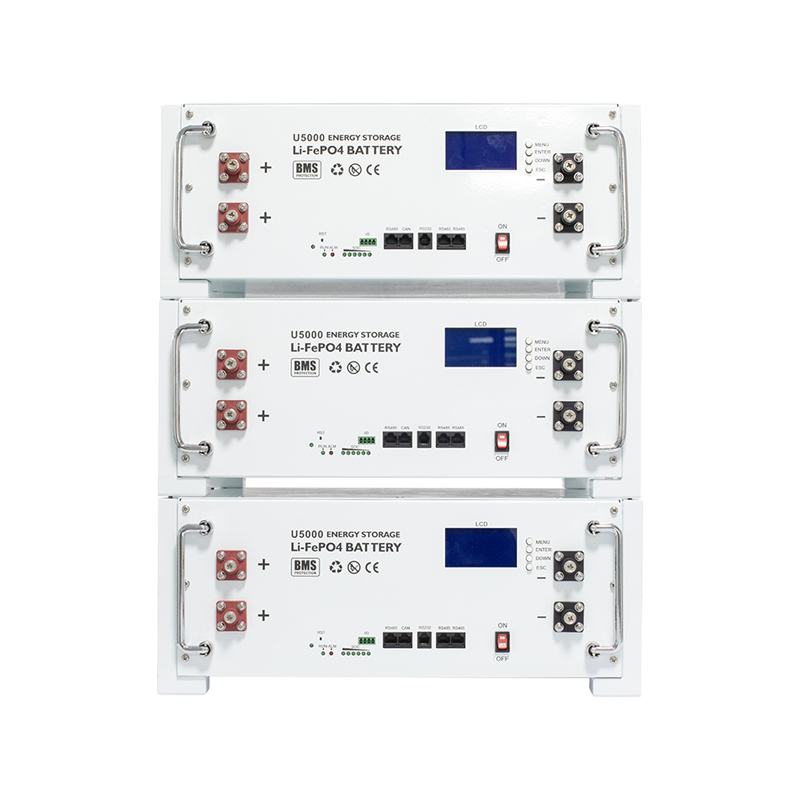
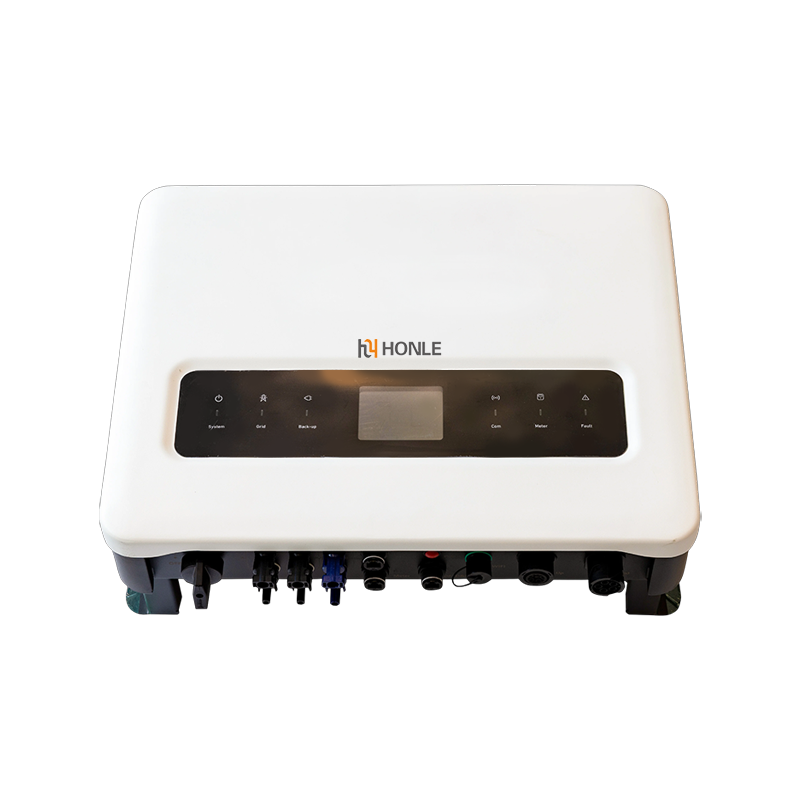
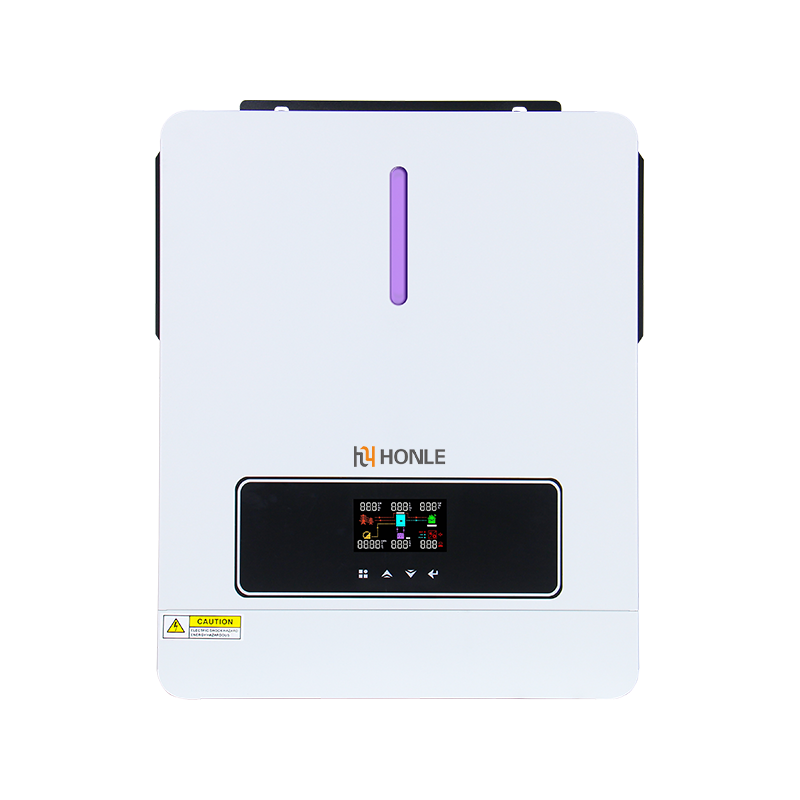
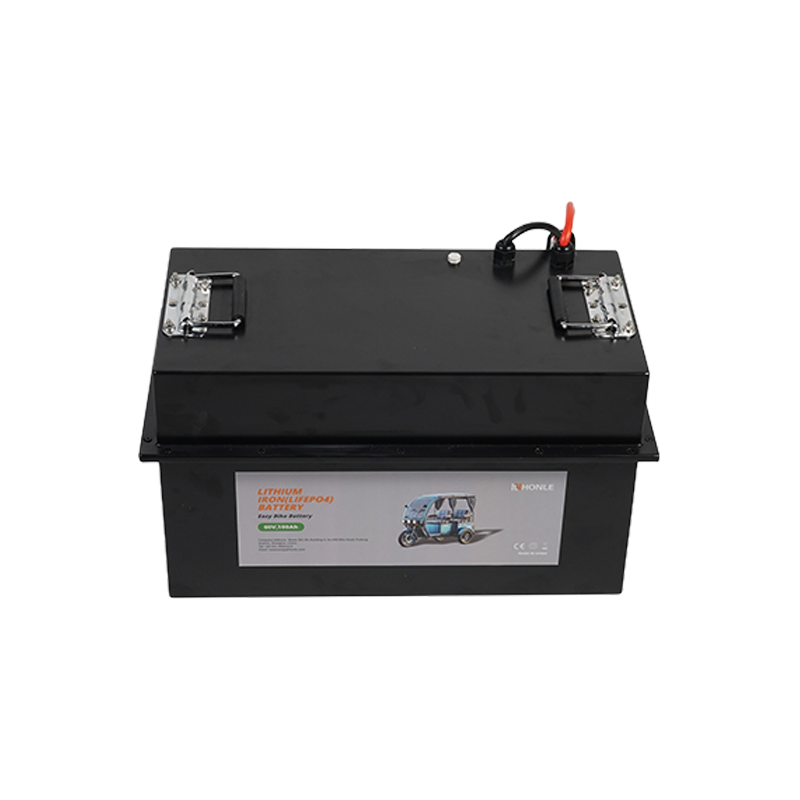
Remote installations rarely have the luxury of a perfectly matched battery bank from day one. A capable Off-Grid Solar Inverter needs a sufficiently wide DC input voltage window to accommodate everything from aging lead-acid banks with sagging voltage under load to newer LiFePO4 packs with tighter, more stable voltage curves, without derating performance or triggering false low-voltage shutdowns.
This flexibility matters most during system upgrades. A site originally built around a 48V flooded lead-acid bank may later transition to lithium storage as costs decline, and equipment that only recognizes one battery profile forces a full inverter replacement rather than a simple firmware or configuration change.
Temperature compensation adds another layer of complexity in this context, since off-grid sites are frequently located in climates with wide daily or seasonal swings, and battery voltage set-points that don't adjust for ambient temperature risk undercharging in cold conditions or overcharging in heat.
Built-in Protections for Harsh and Remote Operating Environments
Standalone systems installed far from technical support need to protect themselves, since a service call in a remote location can take days rather than hours. Overload, short-circuit, over-temperature, and reverse-polarity protections are baseline requirements, but the response behavior after a fault matters just as much as detection — units that require manual reset after every minor trip create unnecessary downtime for a fault that may have already cleared.
Dust and humidity ingress represent a less obvious but equally damaging risk in many of the regions where Honle New Energy has supplied standalone equipment, including parts of East Africa and Central Asia where seasonal dust storms or high humidity can degrade unprotected electronics over a matter of months rather than years.
An enclosure rating appropriate to the installation environment — sealed for dusty conditions, ventilated but shielded for humid coastal climates — should be selected based on actual site conditions rather than a generic default, since the cost of a properly rated enclosure is minor compared to the cost of premature equipment failure.
Energy Management Without a Grid Safety Net
Without grid backup to fall back on, a standalone system's internal energy management logic carries the full weight of keeping power available around the clock. Low state-of-charge load shedding, where non-essential circuits are automatically disconnected as battery reserves drop toward a critical threshold, protects both the battery bank from over-discharge damage and ensures priority loads such as lighting or refrigeration keep running through low-generation periods.
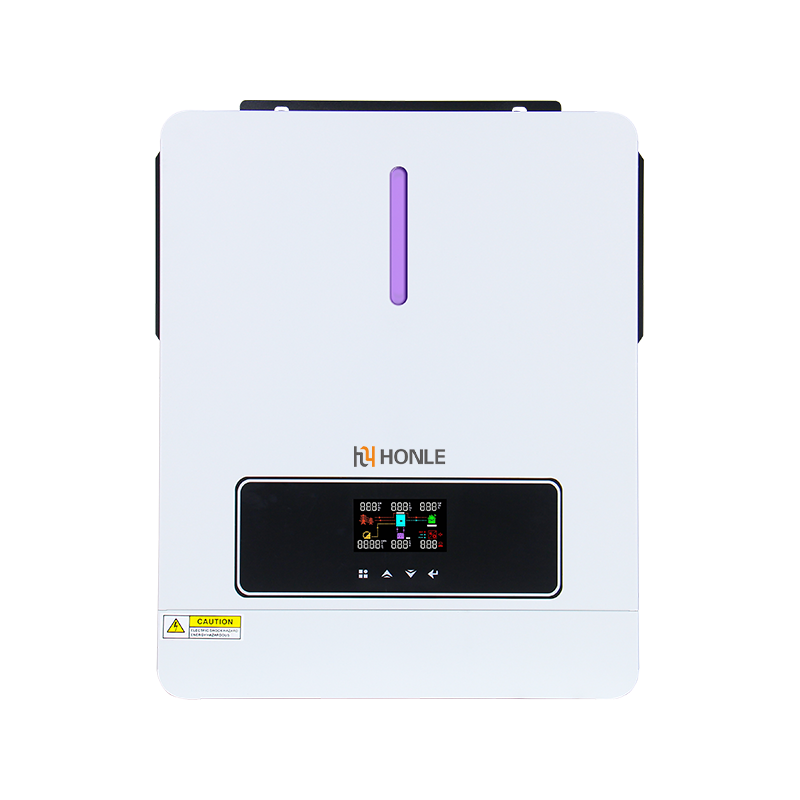
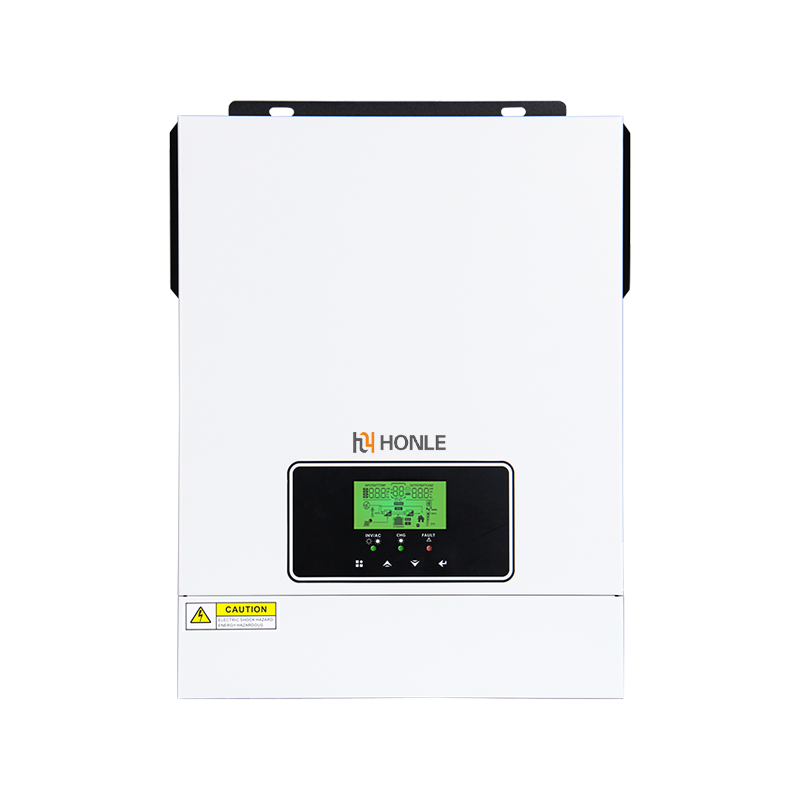
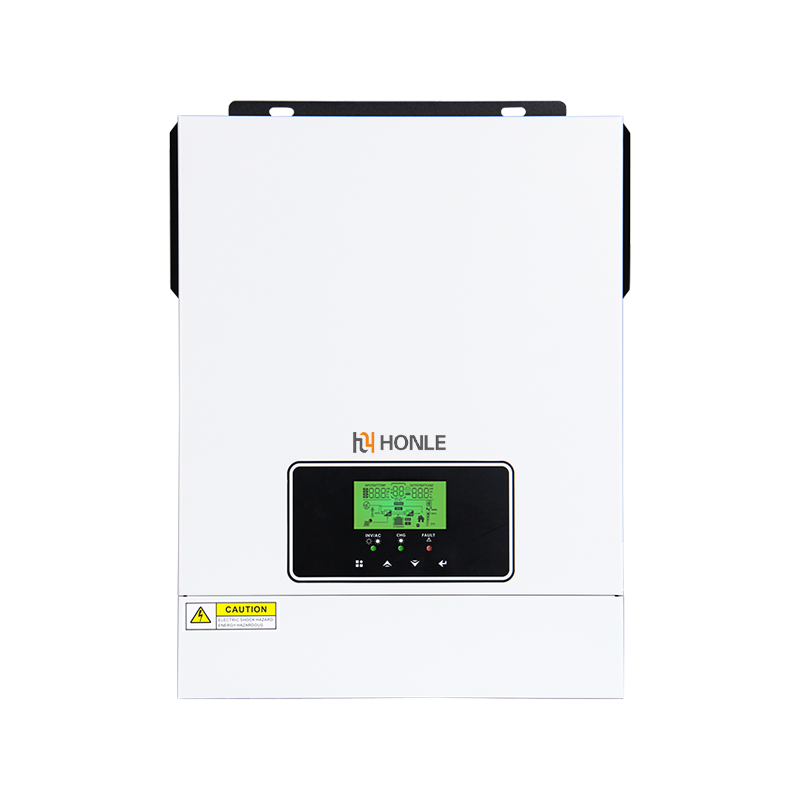
Generator integration remains common in many off-grid deployments as a supplemental charging source during extended low-irradiance stretches, and a well-designed Standalone Inverter should be able to auto-start a compatible generator, manage charge current intelligently, and shut it down automatically once batteries reach a target state of charge, minimizing fuel consumption and running hours.
Multi-day cloud cover forecasting, while a more advanced feature, allows some systems to proactively adjust load-shedding thresholds ahead of an anticipated low-generation stretch rather than reacting only once reserves are already critically low, giving site operators a meaningful buffer in genuinely remote applications.





 English
 Français
 Español