




 English
 Français
 Español
See Details
- Residential Energy Storage

- C&I BESS

- Large-Scale Centralized Energy storage

- Solar Panel

- Power Inverters

- Vehicle Lithium Battery


Industry News
Home / News / Industry News / How to Design a Home Solar and Battery Storage System That Actually Fits Your Household
How to Design a Home Solar and Battery Storage System That Actually Fits Your Household
Content
- 1 Understanding Why Homeowners Are Turning to Residential Energy Storage
- 2 How to Calculate Your Home's Real Energy Storage Needs
- 3 Comparing Battery Chemistries for a Home Energy Storage System
- 4 Sizing Your Solar Array to Match Battery Capacity
- 5 Powerwall Energy Storage and Whole-Home Backup Design
- 6 Lithium Energy Storage System Options for Different Household Profiles
- 7 Integration Planning: Solar and Battery Storage Working Together
- 8 Cost, Incentives, and ROI Timeline for Residential BESS
- 9 Installation Checklist and Common Design Mistakes
- 10 Frequently Asked Questions
- 10.0.1 Q1: How much storage capacity does an average household actually need?
- 10.0.2 Q2: Can a battery bank be added to an existing solar array without upgrading the panels?
- 10.0.3 Q3: How long does a home energy storage system typically last before replacement?
- 10.0.4 Q4: Is whole-home backup necessary, or is partial backup usually sufficient?
- 10.0.5 Q5: Does storage capacity need to match solar array size exactly?

Understanding Why Homeowners Are Turning to Residential Energy Storage
Grid electricity rates have climbed in most regions over the past several years, and outage frequency has increased in areas prone to storms, heat waves, and wildfire-related shutoffs. These two pressures are pushing homeowners toward residential energy storage as a practical way to reduce dependence on the utility grid while keeping critical circuits running during interruptions.
A well-designed home battery setup does more than sit in a garage waiting for a blackout. When paired correctly with a rooftop solar array, it shifts self-generated electricity from midday production hours into evening and overnight use, which is exactly when most households consume the most power for cooking, lighting, and climate control.
There is also a growing recognition that a home battery is an infrastructure decision, not a single appliance purchase. Once installed, it interacts with the electrical panel, the solar inverter, the utility meter, and in many cases a home energy management application. Getting the sizing and configuration right the first time avoids costly retrofits later, which is why a deliberate planning process matters more for this category of equipment than for most other home upgrades.
68 percent
of surveyed homeowners cited backup power as their primary motivation for adding storage
4 to 8 hours
typical daily discharge window for a mid-size residential battery bank
10 to 15 years
expected service life for a well-maintained lithium-based home system
The sections below walk through the practical design process: sizing, chemistry selection, array matching, integration planning, and cost expectations, so you can approach a project with realistic numbers rather than guesswork.
How to Calculate Your Home's Real Energy Storage Needs
Before comparing equipment, start with your own consumption pattern. A solar battery sizing calculator is only useful when the inputs reflect your actual household, not a generic average. Pull twelve months of utility bills if possible, since seasonal swings in heating and cooling load can shift storage needs by a wide margin.
Step-by-Step Sizing Approach
- Identify your average daily consumption in kilowatt-hours by dividing your monthly total from the utility bill by the number of days in that billing cycle.
- List the circuits you consider essential during an outage, such as refrigeration, well pumps, medical equipment, and a portion of lighting, then estimate their combined hourly draw.
- Decide on a backup duration goal. Many households target 8 to 24 hours of essential-circuit coverage rather than whole-home coverage, since whole-home backup for multiple days usually requires a much larger and costlier bank.
- Apply a usable depth of discharge assumption. Lithium iron phosphate chemistry typically allows a higher usable percentage of rated capacity than older chemistries, so factor that into how much rated capacity you actually need to purchase.
- Add a buffer of roughly 15 to 20 percent to account for temperature-related capacity loss and battery aging over the warranty period.
Homeowners searching for a solar system sizing calculator often assume storage and solar array size scale together automatically. They do not. A large solar array with a small battery bank will export excess power to the grid rather than storing it, while an oversized battery paired with a small array may rarely reach full charge, especially during winter months with shorter daylight hours.
It also helps to separate two distinct goals that sometimes get merged into a single number: the capacity needed for routine daily cycling, and the capacity needed for emergency backup during an extended outage. A household that primarily wants to shift solar production into the evening may only need a modest bank sized around one day of essential use, while a household in a wildfire-prone or hurricane-prone region may deliberately oversize the bank to cover several days without sunlight, accepting the added cost as insurance rather than as a daily-use feature.
The most common sizing mistake is designing storage capacity around a worst-case blackout scenario while ignoring how the battery will actually be used on the other 360 days of the year.
Comparing Battery Chemistries for a Home Energy Storage System
Chemistry choice affects usable capacity, cycle life, thermal stability, and footprint. The table below summarizes the practical differences homeowners should weigh when evaluating a home energy storage system.
| Chemistry | Typical Usable Depth of Discharge | Approximate Cycle Life | Thermal Stability | Common Household Fit |
|---|---|---|---|---|
| LiFePO4 (Lithium Iron Phosphate) | 90 to 100 percent | 4,000 to 6,000 cycles | High | Daily cycling, backup, long-term ownership |
| NMC Lithium | 80 to 90 percent | 2,000 to 3,500 cycles | Moderate | Compact installations with space constraints |
| Lead Acid (Flooded or AGM) | 40 to 50 percent | 300 to 700 cycles | Low to moderate | Off-grid budget setups, infrequent cycling |
| Saltwater Electrolyte | 85 to 95 percent | 3,000 to 5,000 cycles | High | Households prioritizing non-flammable materials |
LiFePO4 chemistry has become the default recommendation for most residential projects because it combines a long service life with a wide usable capacity range, meaning less rated capacity sits unused compared to older lead-based designs. This is one reason a LiFePO4 battery bank sizing exercise usually produces a smaller physical footprint than an equivalent lead-acid design for the same usable energy target.
Questions to Ask Before Committing to a Chemistry
- What operating temperature range will the battery enclosure experience across the year?
- Is the installation indoors, in a garage, or in an outdoor enclosure exposed to direct sun?
- Does the household plan to add electric vehicle charging or additional appliances that would increase future load?
- What warranty terms apply to cycle count versus calendar years, and which limit is likely to be reached first?
Beyond the chemistry itself, the battery management system built into a residential unit plays a significant role in real-world performance. This electronic layer monitors individual cell voltages, balances charge across cells, and manages thermal limits during both charging and discharging. A well-engineered battery management system can meaningfully extend usable life even within the same chemistry family, which is why two products built on the same basic cell type can still perform quite differently over a decade of ownership.
Sizing Your Solar Array to Match Battery Capacity
Once storage needs are defined, the solar array should be sized to reliably recharge the battery bank on an average day, not just on the sunniest day of summer. A common approach to answering how big of a solar system do i need is to work backward from daily usage plus battery replenishment needs, then adjust for your local peak sun hours.
Practical Array Sizing Factors
| Factor | Why It Matters |
|---|---|
| Local peak sun hours | Determines how much energy a given array size can realistically produce each day across seasons |
| Roof orientation and shading | Panels facing away from true south or under partial shade can lose 15 to 30 percent of theoretical output |
| Panel degradation rate | Most panels lose a small percentage of output annually, which should be factored into long-term planning |
| Inverter and charge controller efficiency | Conversion losses between panel output and stored energy typically range from 5 to 12 percent |
A useful rule of thumb: design the array to produce roughly 1.2 to 1.4 times your average daily consumption during shoulder-season months, which builds in enough margin for cloudy stretches without wildly oversizing the system for peak summer output.
Roof space and structural limitations also play a practical role that pure math cannot solve. A roof with limited usable area, multiple obstructions such as vents and skylights, or a complex multi-plane layout may cap the realistic array size regardless of what the ideal sizing calculation suggests. In these cases, homeowners often prioritize battery capacity and usage habits over trying to force additional panels onto a constrained roof, since a well-managed smaller array paired with disciplined evening load shifting can still deliver strong practical results.
Peak sun hours Panel orientation Seasonal derating Inverter efficiency Shading analysis
Powerwall Energy Storage and Whole-Home Backup Design
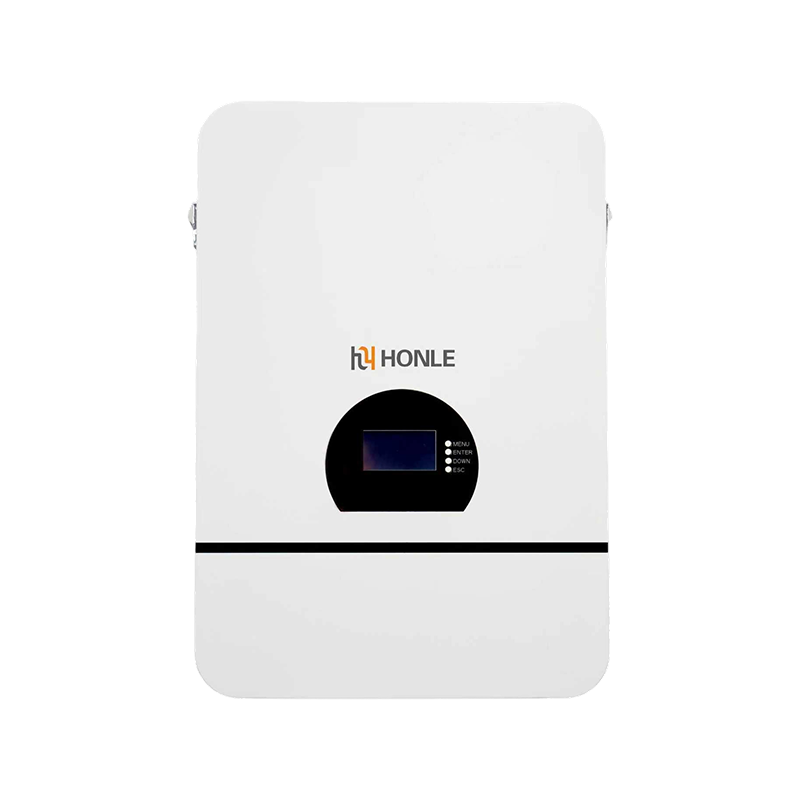
Powerwall energy storage style units are typically wall-mounted, sealed enclosures designed for indoor or covered outdoor installation. Their compact form factor makes them a popular choice for homeowners who want backup capability without dedicating floor space in a garage or utility room.
Whole-Home Versus Partial-Home Backup
Whole-home backup covers every circuit in the panel, including large loads like central air conditioning and electric ranges, which demands a much larger battery bank and often multiple units wired together. Partial-home backup routes only selected circuits through a dedicated subpanel, which is far more achievable for most budgets and still covers the essentials that matter during an outage.
- Whole-home backup: higher upfront cost, seamless transition with no need to manage circuits manually, best suited to households with critical medical or business needs.
- Partial-home backup: lower cost, requires deciding in advance which circuits are essential, well suited to households mainly concerned with food safety, lighting, and connectivity during outages.
An electrician should evaluate your existing panel before installation to confirm whether it can accept a backup gateway or transfer switch without a full panel upgrade, since older panels sometimes require additional electrical work that affects overall project cost.
Lithium Energy Storage System Options for Different Household Profiles
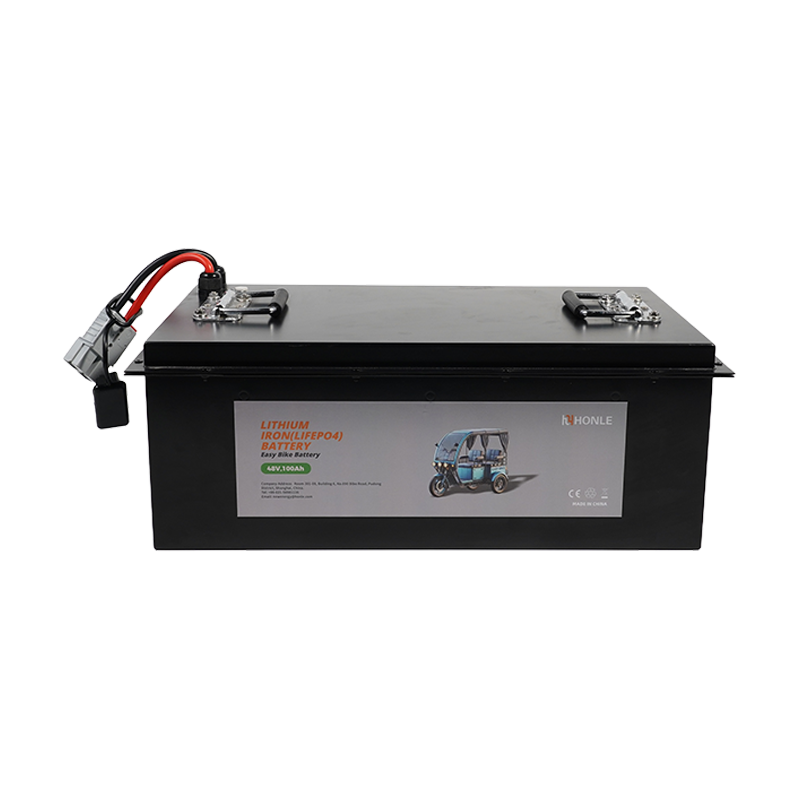
Not every household needs the same configuration. A lithium energy storage system can be scaled from a single small-capacity unit up to a stacked, modular bank depending on the load profile and backup goals of the property.
Common Household Profiles
| Household Profile | Typical Storage Range | Design Priority |
|---|---|---|
| Apartment or small home, low usage | 5 to 10 kWh | Cost efficiency, basic outage coverage |
| Mid-size family home | 10 to 20 kWh | Balanced daily cycling and overnight backup |
| Large home with electric vehicle charging | 20 to 40 kWh | Load shifting, EV charging support, extended backup |
| Off-grid or remote property | 40 kWh and above | Multi-day autonomy, seasonal load variation |
Modular lithium systems allow homeowners to start with a smaller bank and add capacity later as needs grow, which is particularly useful for households planning a future electric vehicle purchase or a home addition that will increase electrical load.
Integration Planning: Solar and Battery Storage Working Together
Solar and battery storage integration depends on how the inverter, charge controller, and monitoring system communicate. A poorly integrated system may fail to prioritize battery charging during production hours, sending excess solar to the grid instead of storing it for evening use.
The diagram above illustrates the basic flow: the array produces direct current power, the charge controller routes it either into the battery bank or toward the inverter, the inverter converts stored or live solar power into usable alternating current, and home loads draw from whichever source is available at that moment.
Monitoring and Automation
A monitoring platform that tracks production, consumption, and state of charge in real time allows the system to make smarter decisions, such as reserving a portion of battery capacity for anticipated evening peak pricing periods or upcoming forecasted storms. Without monitoring, homeowners are often left guessing whether the system is actually performing as designed.
Cost, Incentives, and ROI Timeline for Residential BESS
Residential BESS capacity planning should include a realistic cost and payback timeline, not just the equipment price tag. Total installed cost varies widely based on capacity, backup scope, and site-specific electrical work.
7 to 12 years
typical payback period when paired with existing solar and moderate incentive support
20 to 40 percent
portion of total project cost often offset through combined federal, state, or utility incentives where available
2 to 5 percent
estimated annual capacity degradation for a well-managed lithium bank
Homeowners pursuing an energy storage system ROI for homeowners calculation should account for both direct utility bill savings and the harder-to-quantify value of outage resilience. In regions with time-of-use rate structures, storage can also generate savings by shifting consumption away from expensive peak pricing windows, independent of any backup function.
It is worth building a simple annual model rather than relying on a single payback number. Track expected savings from shifted peak usage, any export compensation forfeited by storing rather than exporting solar production, incentive value received in the installation year, and a modest allowance for eventual inverter or component replacement partway through the system's service life. This more complete picture tends to be more conservative than marketing estimates, but it holds up better against actual utility bills over time.
Factors That Extend or Shorten Payback
- Local utility rate structure, particularly the spread between peak and off-peak pricing.
- Availability of net metering or export compensation for excess solar production.
- Frequency and duration of grid outages in your area, which affects the value assigned to backup capability.
- Financing terms, since a cash purchase and a financed system produce very different effective payback timelines.
Installation Checklist and Common Design Mistakes
A smooth installation depends on planning decisions made well before equipment arrives on site. The checklist below covers the areas most frequently overlooked during residential projects.
Pre-Installation Checklist
- Confirm main panel capacity and whether a subpanel or panel upgrade is required for backup circuits.
- Verify local permitting and inspection requirements, which vary significantly by jurisdiction.
- Select a battery enclosure location that meets clearance, ventilation, and temperature requirements.
- Coordinate solar array size with battery capacity so neither component is significantly oversized relative to the other.
- Plan for future expansion if household load is expected to grow within the next several years.
Common Design Mistakes to Avoid
- Sizing storage purely around emergency backup while ignoring daily cycling value.
- Choosing a battery chemistry without considering the installation environment's temperature range.
- Underestimating inverter and conversion losses when calculating usable energy.
- Skipping a load audit and instead relying on rough estimates for essential circuit demand.
- Failing to confirm warranty terms cover both cycle count and calendar duration.
Frequently Asked Questions
Q1: How much storage capacity does an average household actually need?
Most mid-size households land between 10 and 20 kilowatt-hours of usable capacity when balancing daily cycling with a reasonable backup duration, though households with electric vehicle charging or larger homes often require more.
Q2: Can a battery bank be added to an existing solar array without upgrading the panels?
In many cases yes, since storage can be added as a retrofit, but the existing inverter and array output should be evaluated first to confirm compatibility with the battery system's charging requirements.
Q3: How long does a home energy storage system typically last before replacement?
A quality lithium-based system generally lasts 10 to 15 years, though actual lifespan depends on cycling frequency, temperature exposure, and how closely usage stays within the manufacturer's recommended depth of discharge.
Q4: Is whole-home backup necessary, or is partial backup usually sufficient?
Partial backup covering essential circuits is sufficient for the large majority of households, since it addresses the core concerns of food safety, lighting, and connectivity at a fraction of the cost of whole-home coverage.
Q5: Does storage capacity need to match solar array size exactly?
No, but the two should be roughly proportioned so the array can reliably recharge the battery bank on an average day without producing far more or far less energy than the battery can absorb and the household can use.
Related products
News
-
Your commercial electricity bill may look like it is driven by total kWh, but an increasing portion is determined by how fast you use that ...
READ MORE -
A textile plant in Yangon keeps sensitive production lines running through unstable grid supply. A warehouse in Singapore uses battery stor...
READ MORE -
Honle New Energy Technology Participates in Industry Exhibition From September 8 to 10, 2026, Honle New Energy Technology Co., Ltd. partic...
READ MORE -
You have mounted solar panels, wired a battery bank, and installed an inverter. Yet your batteries never seem to reach full charge, or they...
READ MORE -
You have just received a higher electricity bill, and the sun is still shining outside. Can you actually use that free energy? Yes, but no...
READ MORE

PRODUCTS
LINKS
CONTACT
- Landline: +86-021-56981116
- TEL: +86-13795289200
- Email: [email protected]
- Address: 301-09, Building 6, Zhangjiang Microelectronics Port, No.690 Bibo Road, Pudong District, Shanghai
Copyright © Honle New Energy Technology Co., Ltd.
All Rights Reserved.
Wholesale Solar Energy Equipment Suppliers

This site uses cookies. By continuing to browse the site you are agreeing to our use of cookies. For more details about cookies and how to manage them see our 《Privacy Policy》
Accept