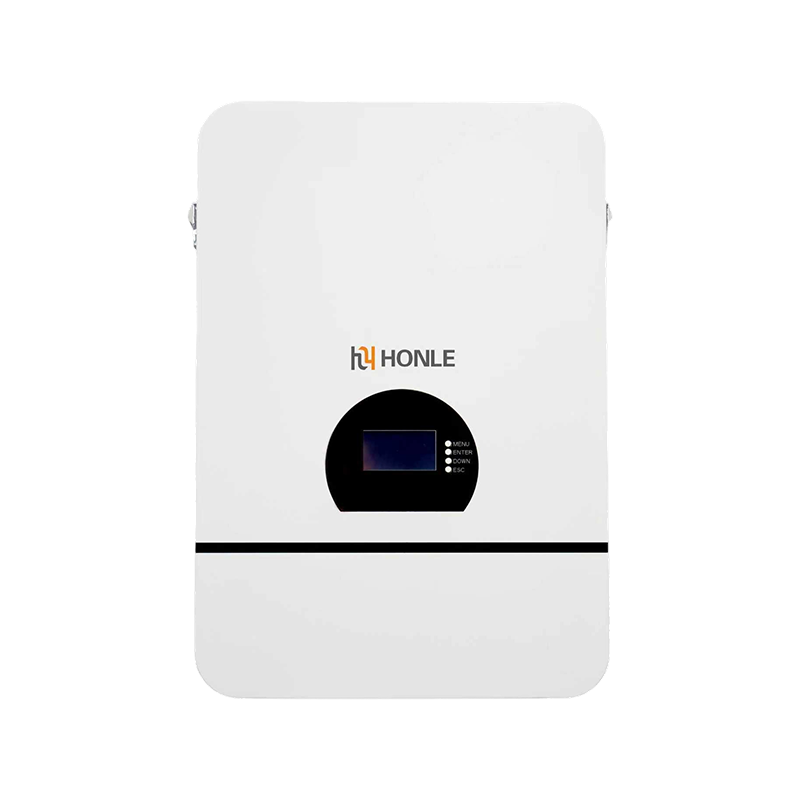
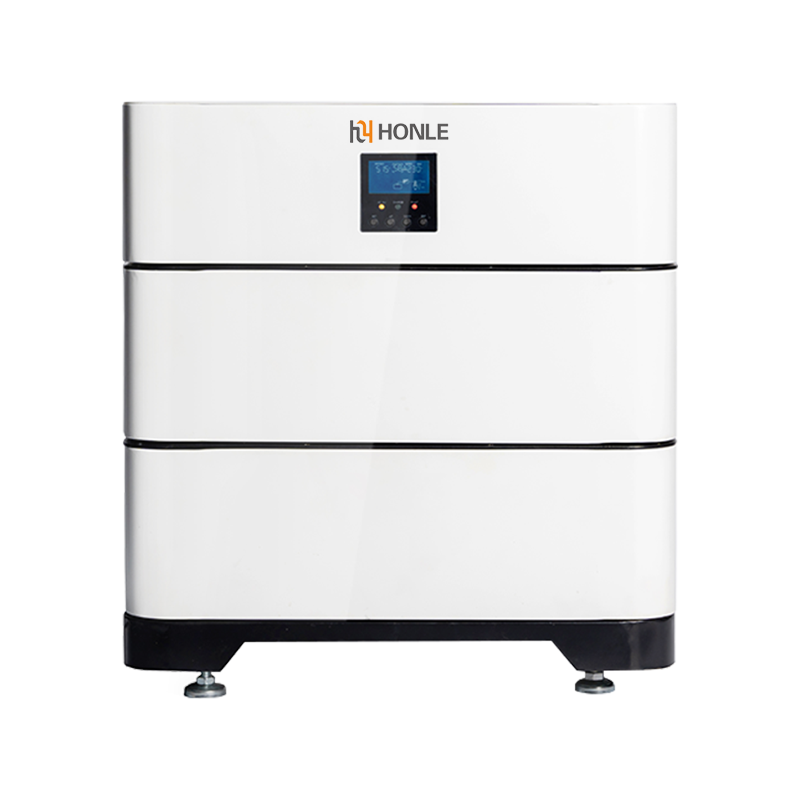
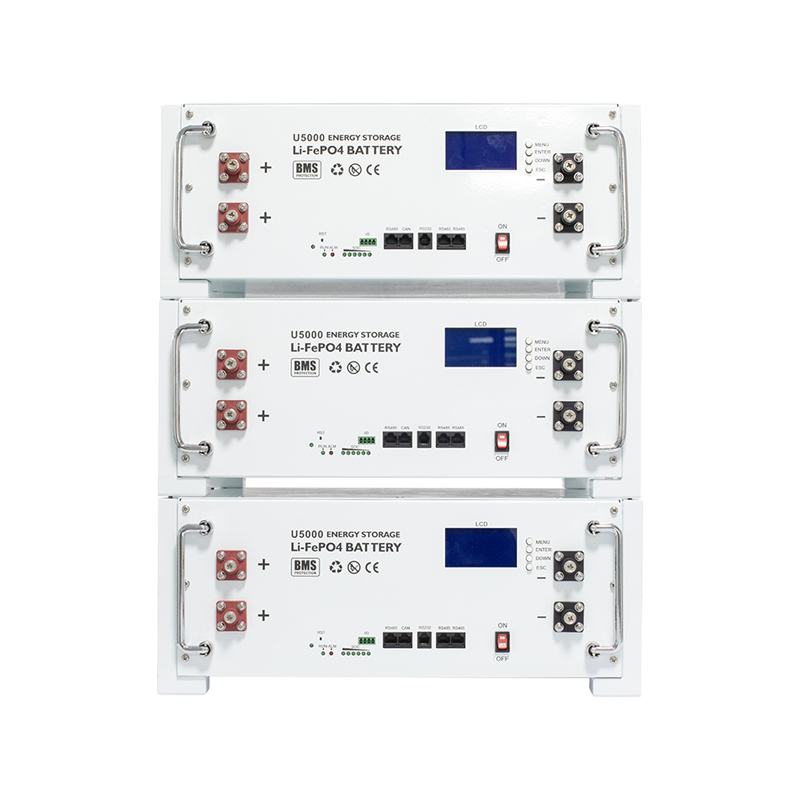
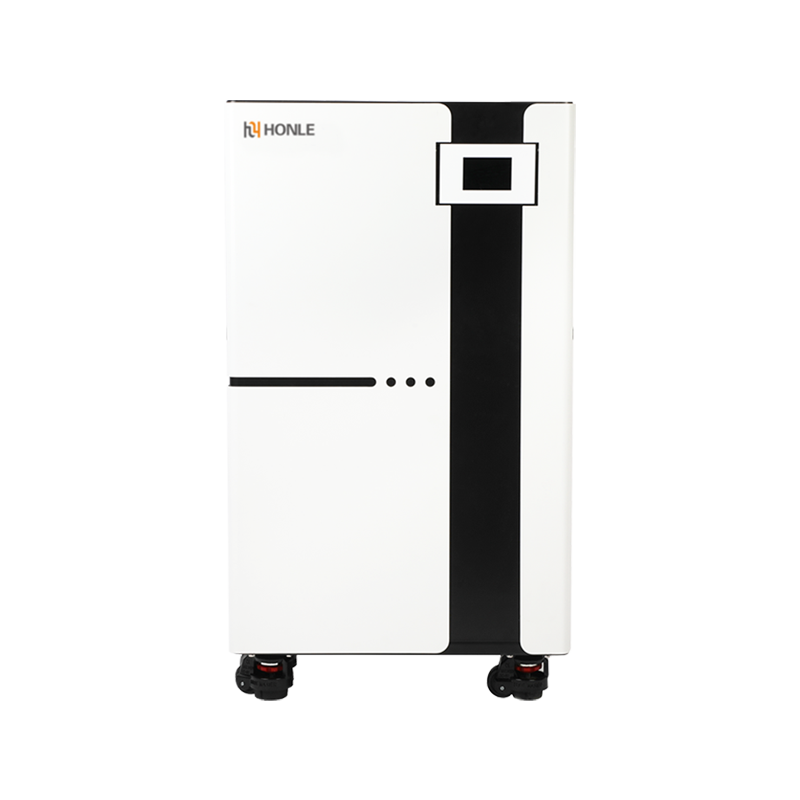
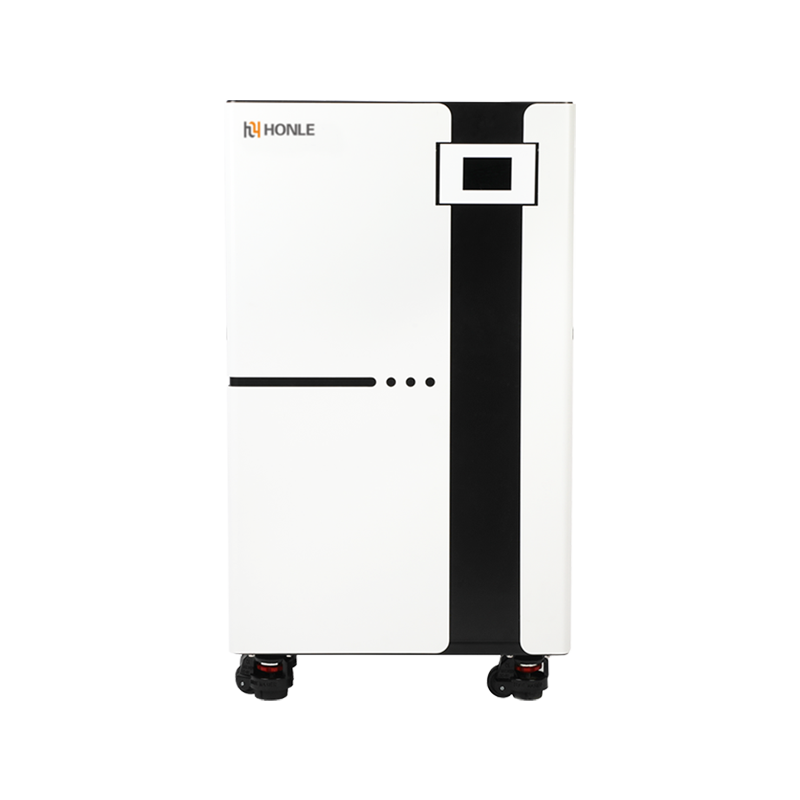
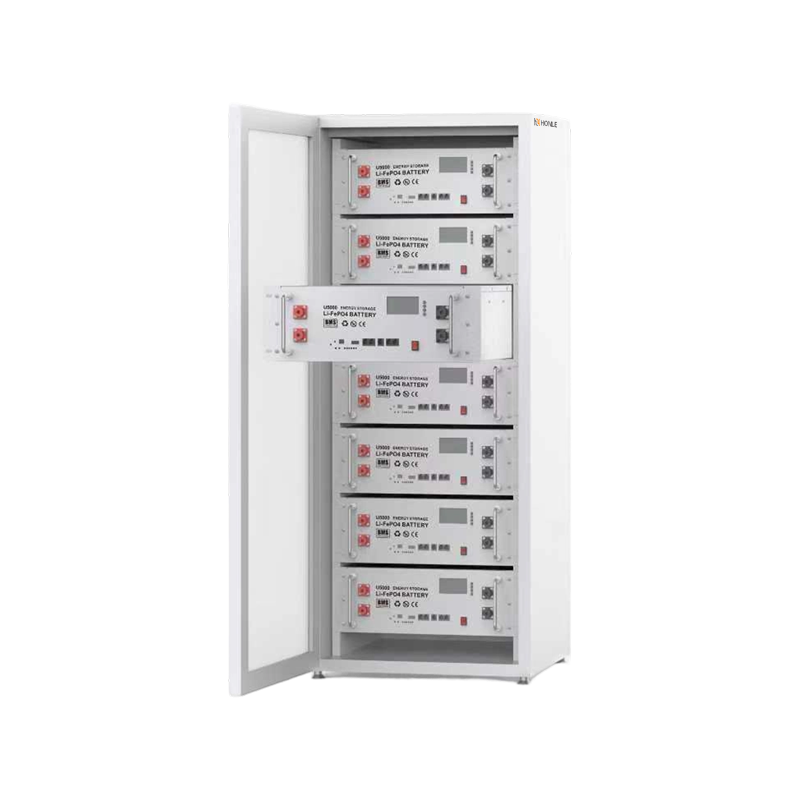
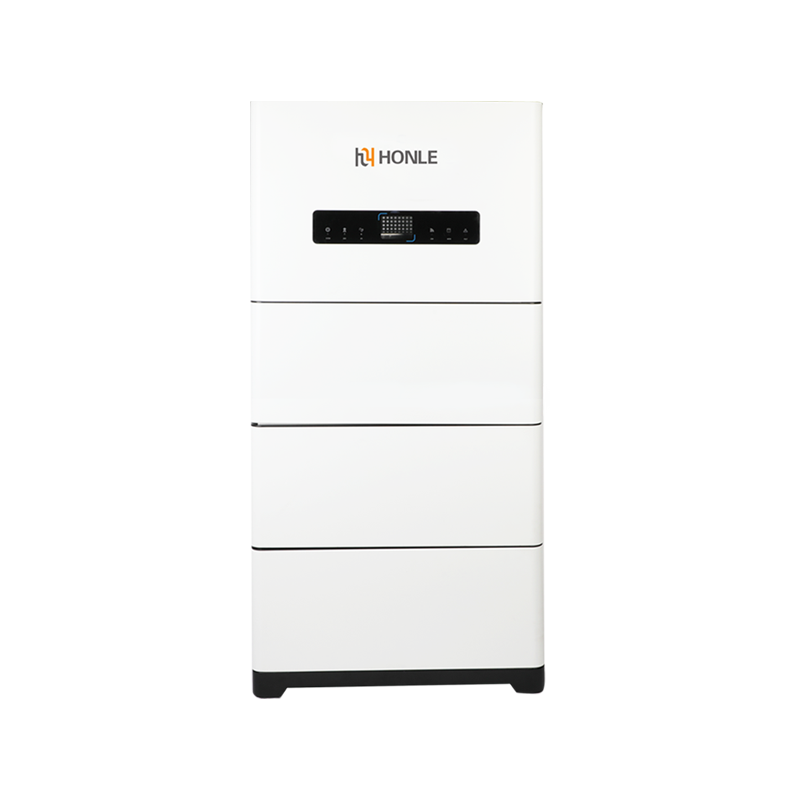
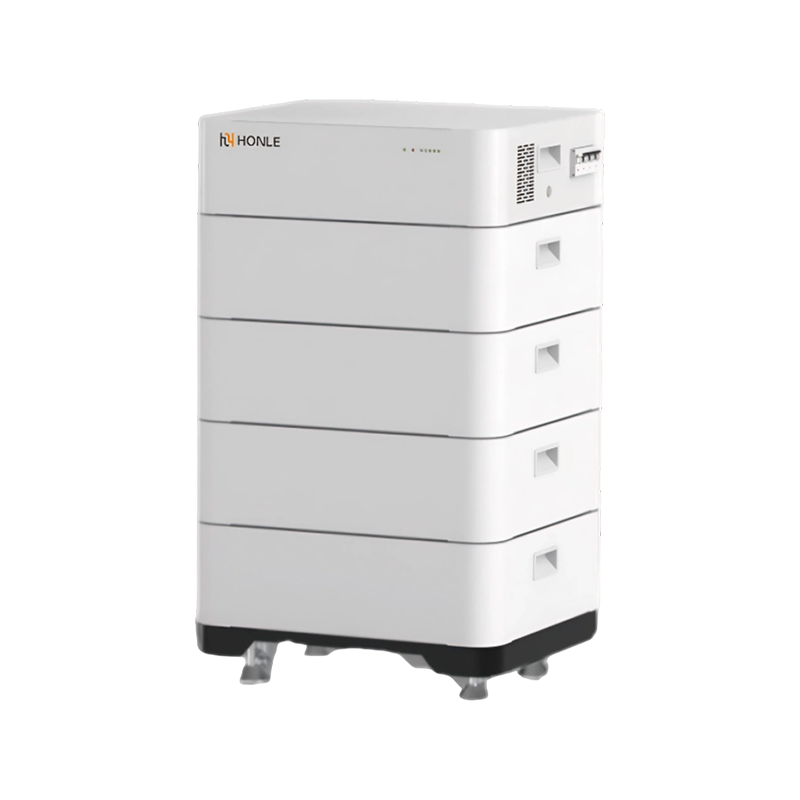
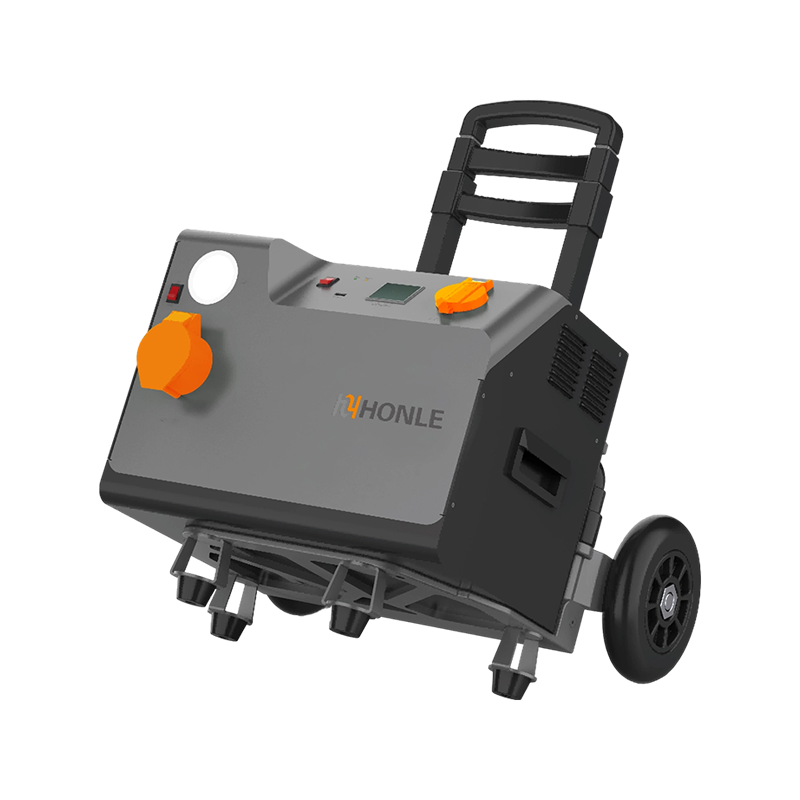
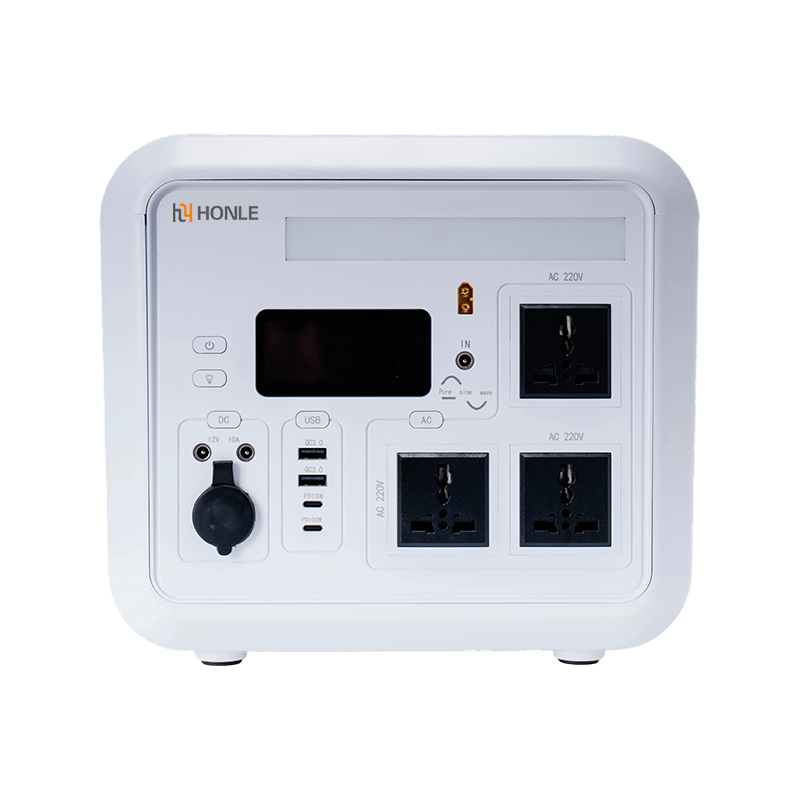
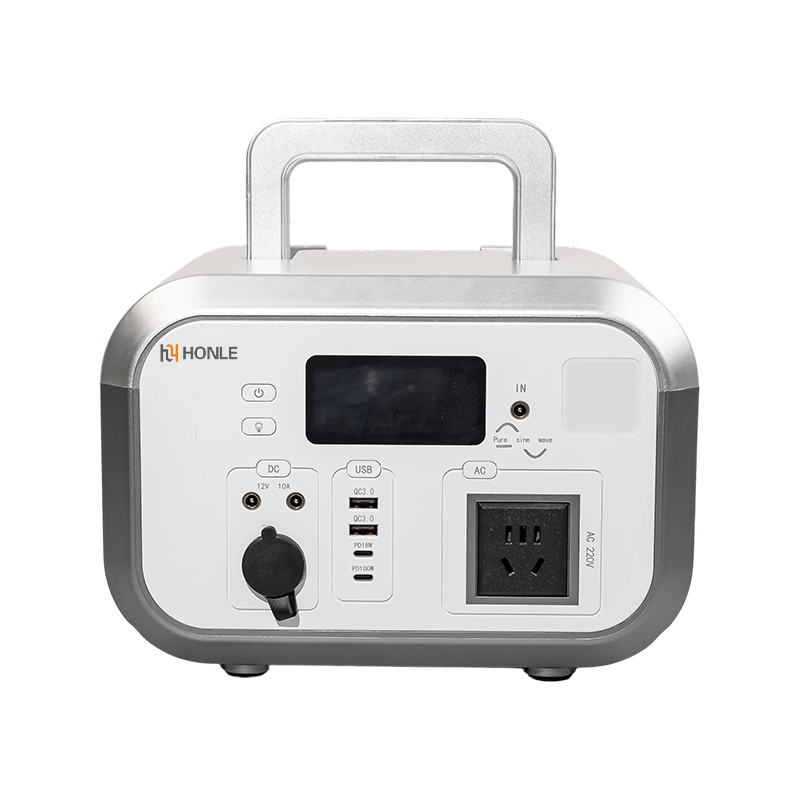
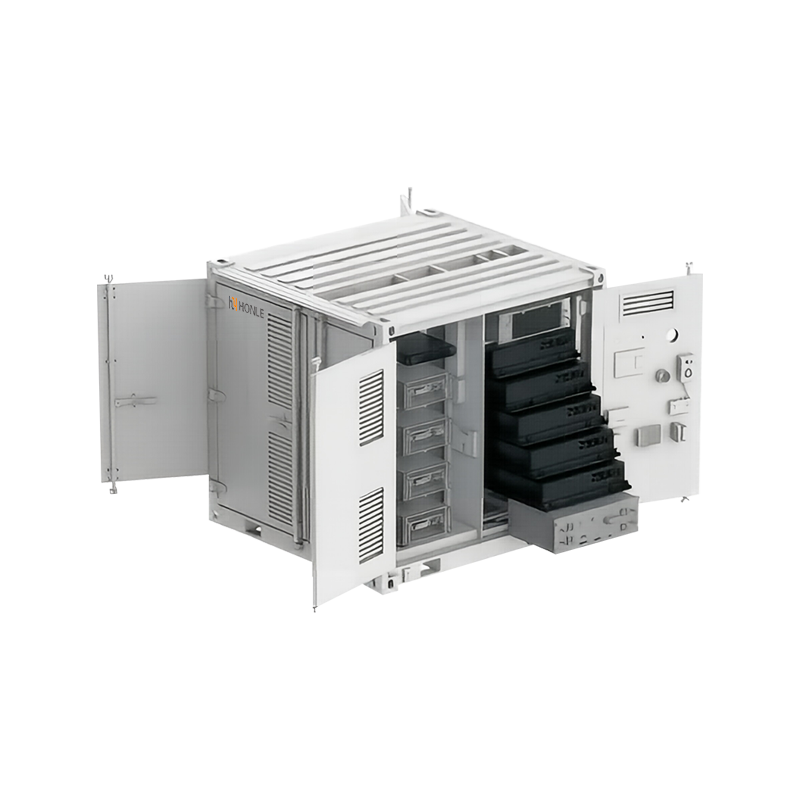
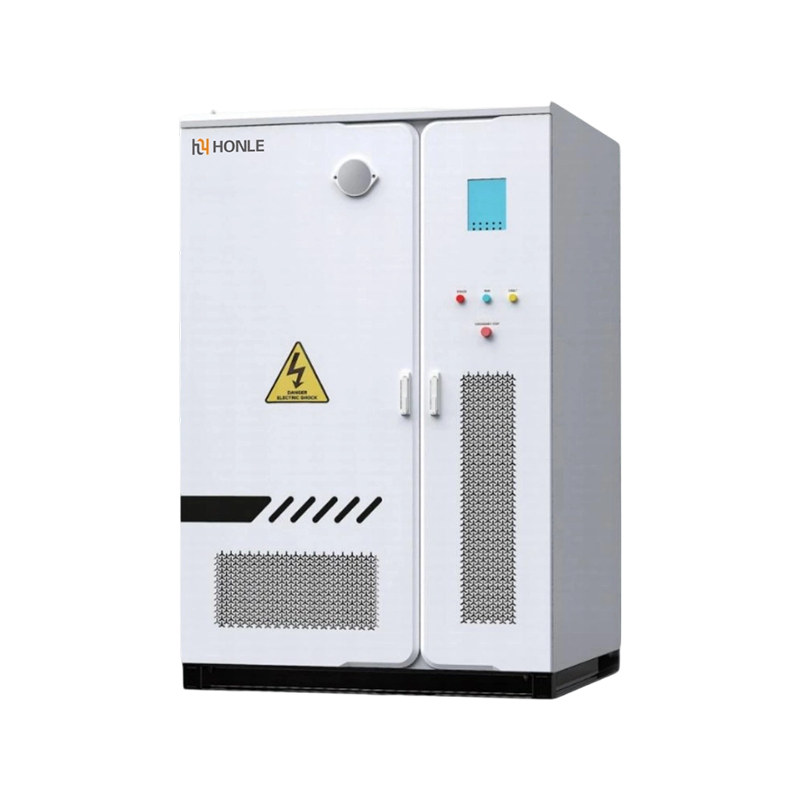
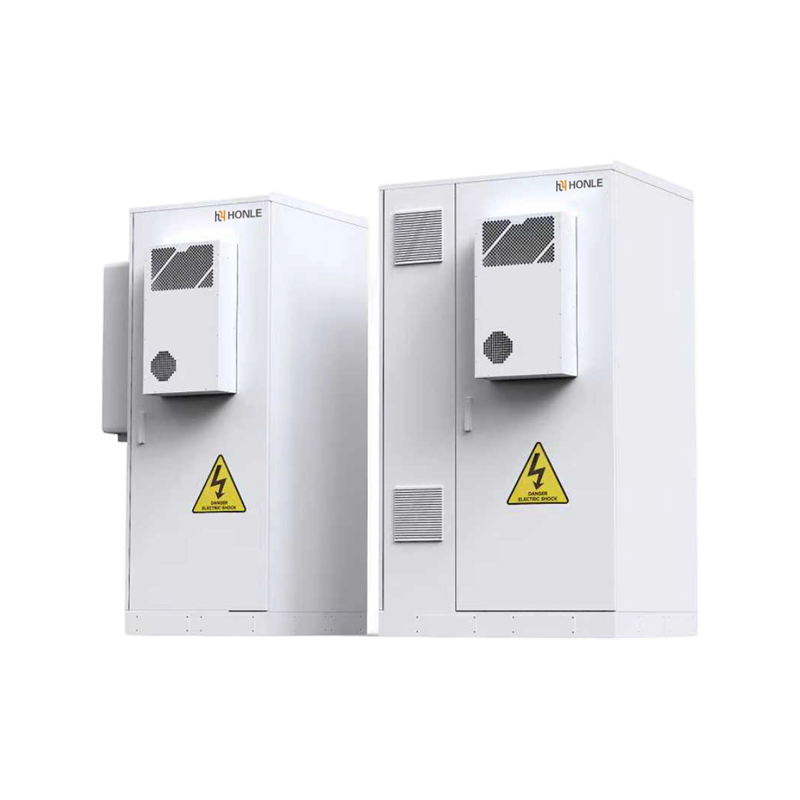
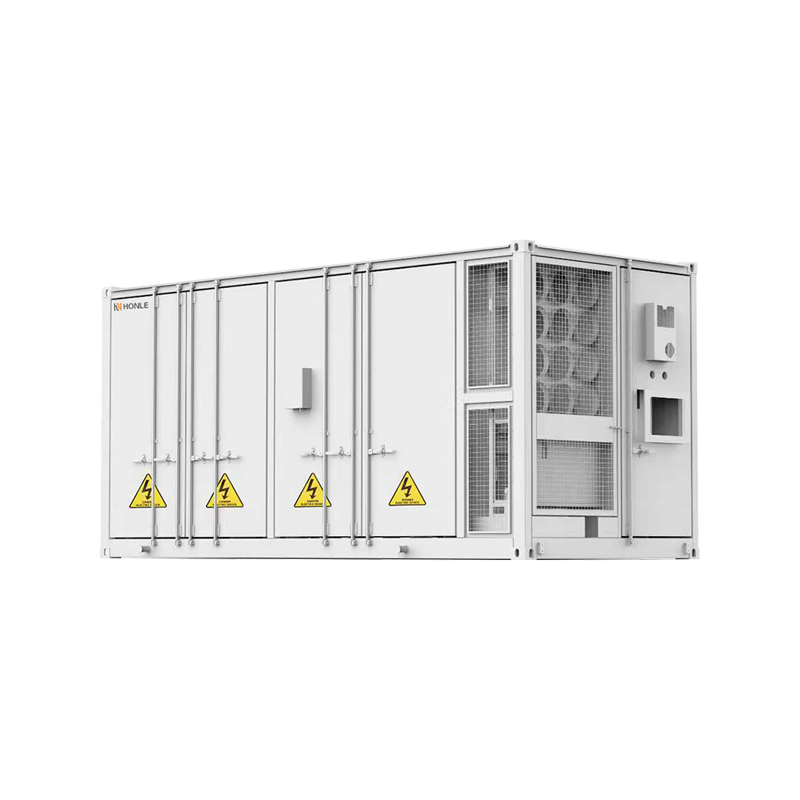
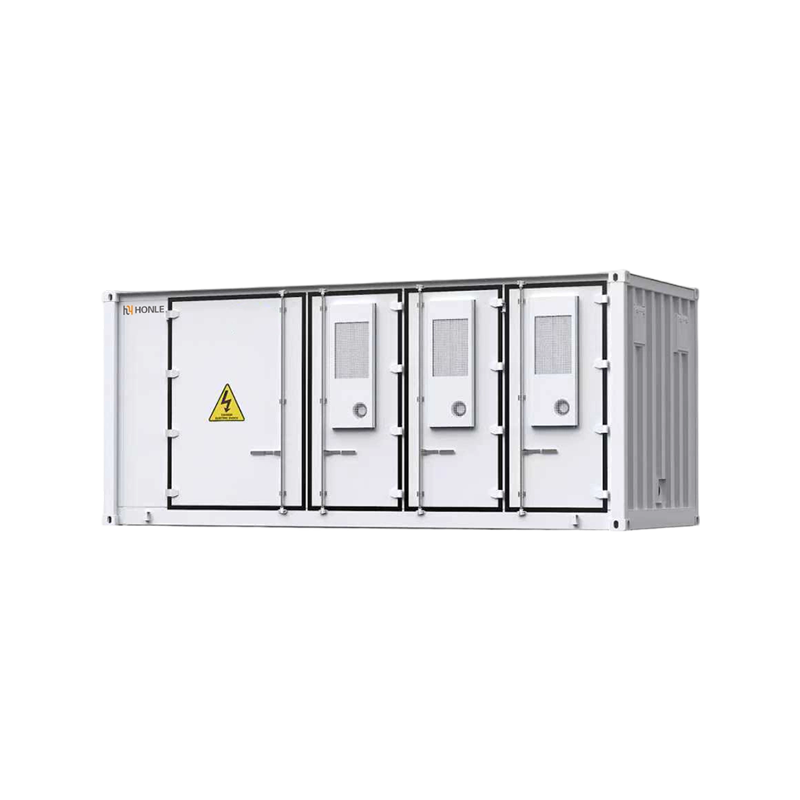
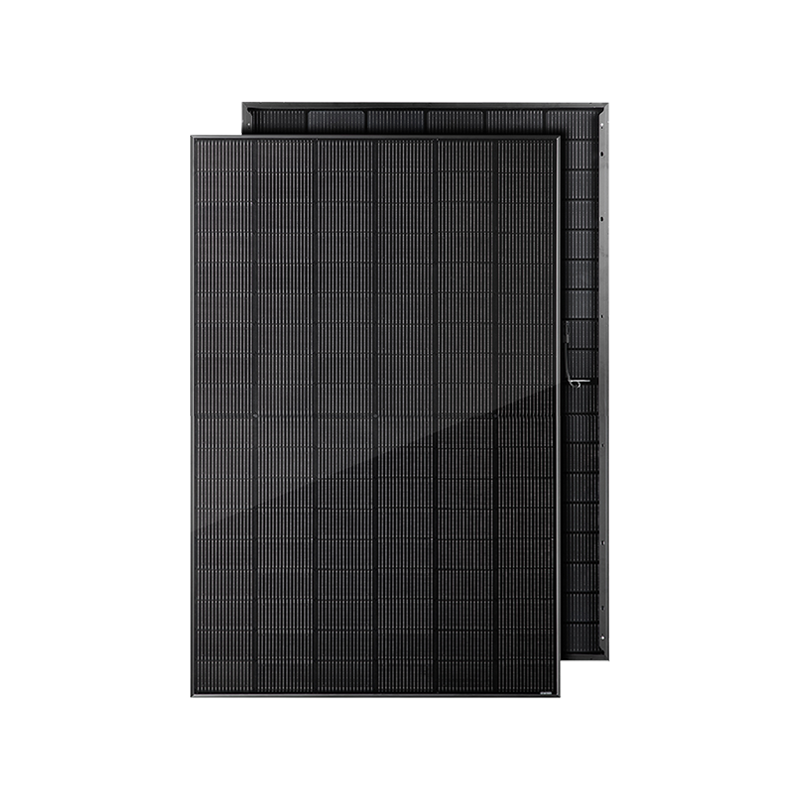
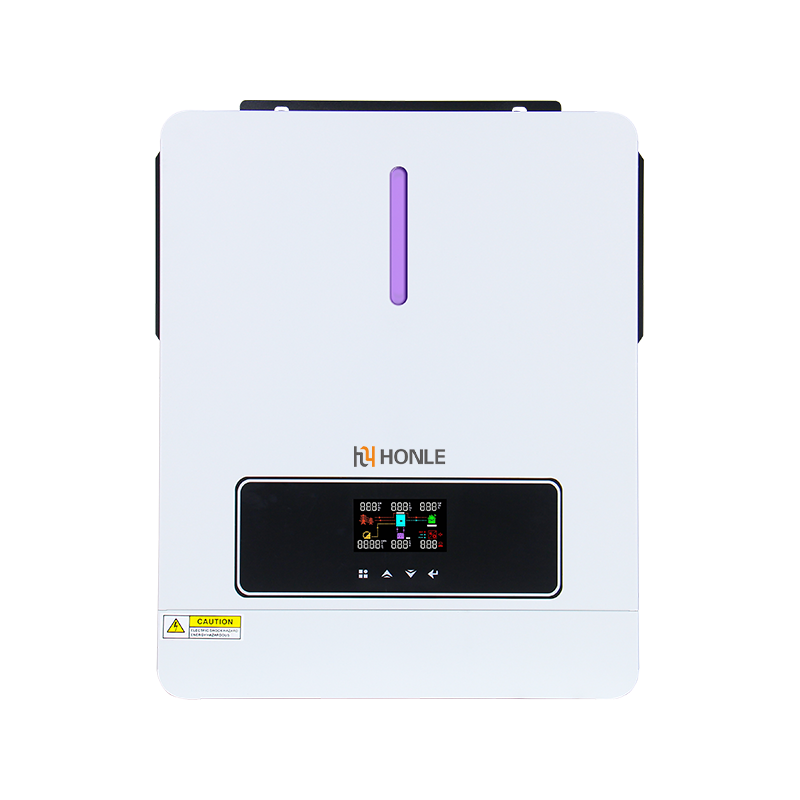
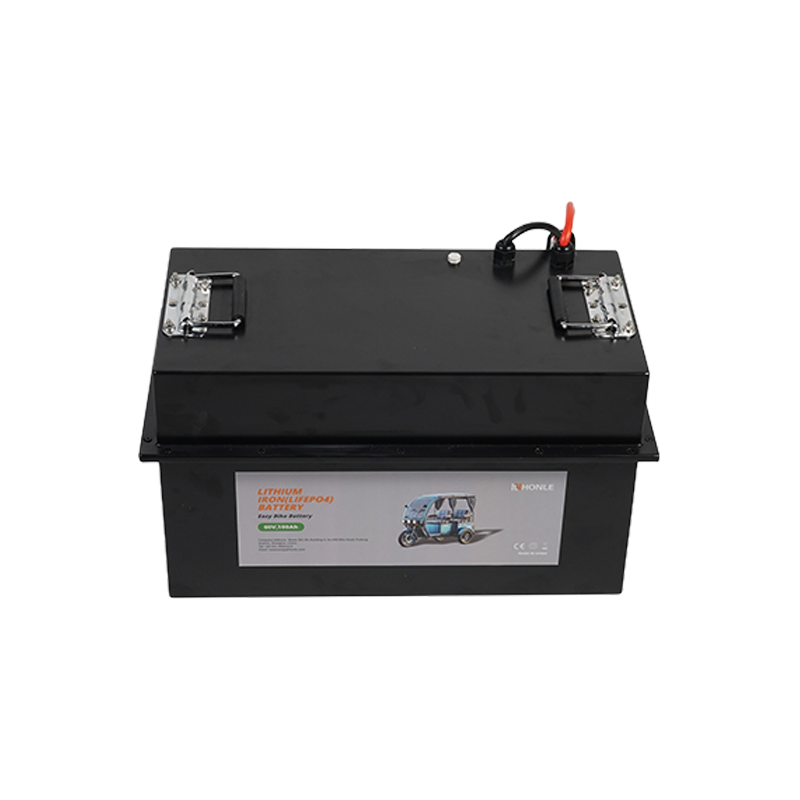
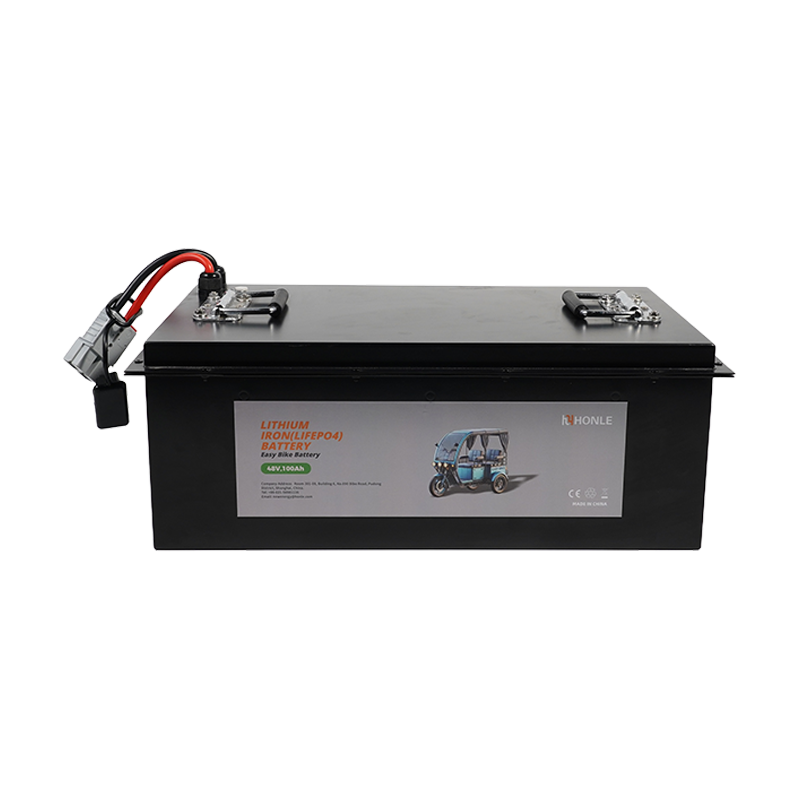
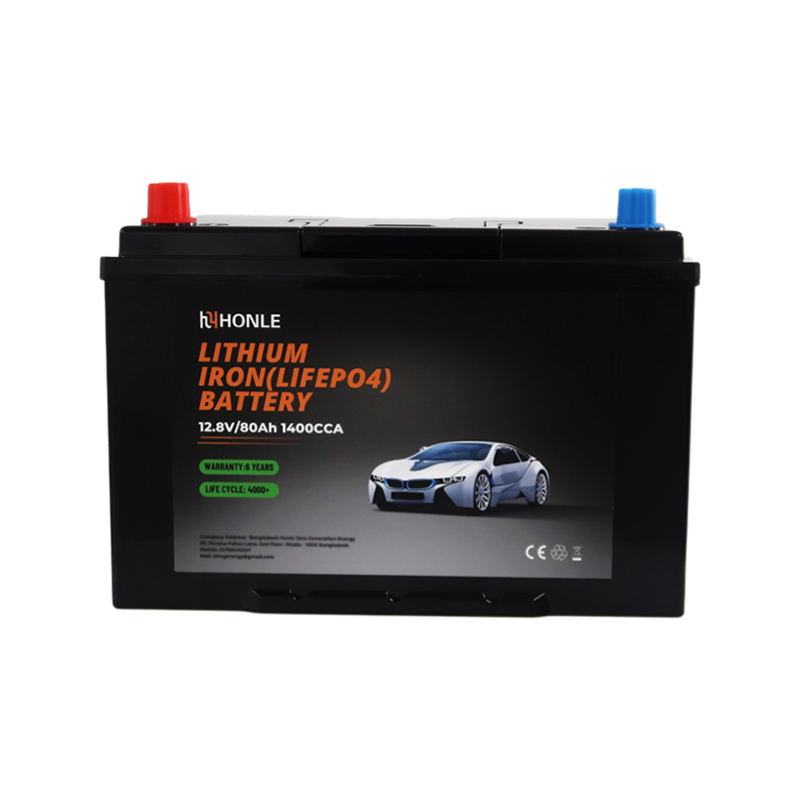



The Energy Storage Integrated Cabinet Series (40.96kWh–81.92kWh) is a compact commercial and industrial battery energy storage solution designed to support stable power supply, efficient energy scheduling, and flexible grid interaction.
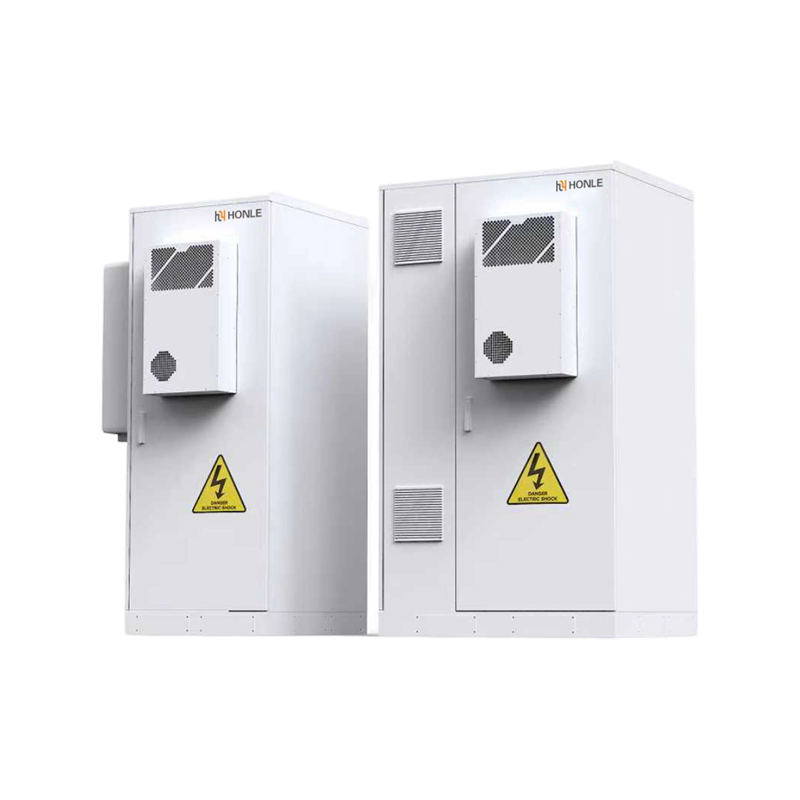
As a core product within C&I BESS solutions, this integrated cabinet combines battery modules, system control, and protection mechanisms into a single enclosure, enabling streamlined deployment for distributed energy Key.
The integrated cabinet structure significantly reduces system complexity by consolidating energy storage components, control units, and safety protection within a unified design. This approach improves system stability, simplifies installation, and supports efficient operation throughout the project lifecycle. The use of LFP battery technology enhances thermal stability and reduces risks associated with long-term energy storage operation.
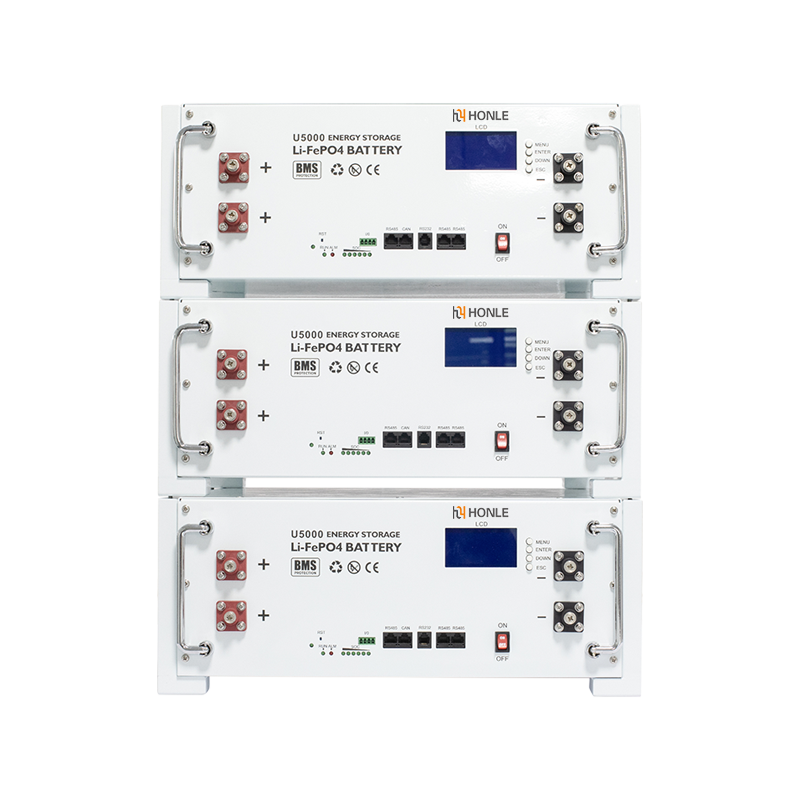
An advanced Battery Management System (BMS) continuously monitors voltage, current, temperature, and operating status. It coordinates protection strategies against overcharge, over-discharge, overheating, and electrical faults, ensuring consistent system performance under variable load conditions. The system architecture supports scalable capacity options from 40.96kWh to 81.92kWh, allowing users to match storage capacity with actual energy demand.
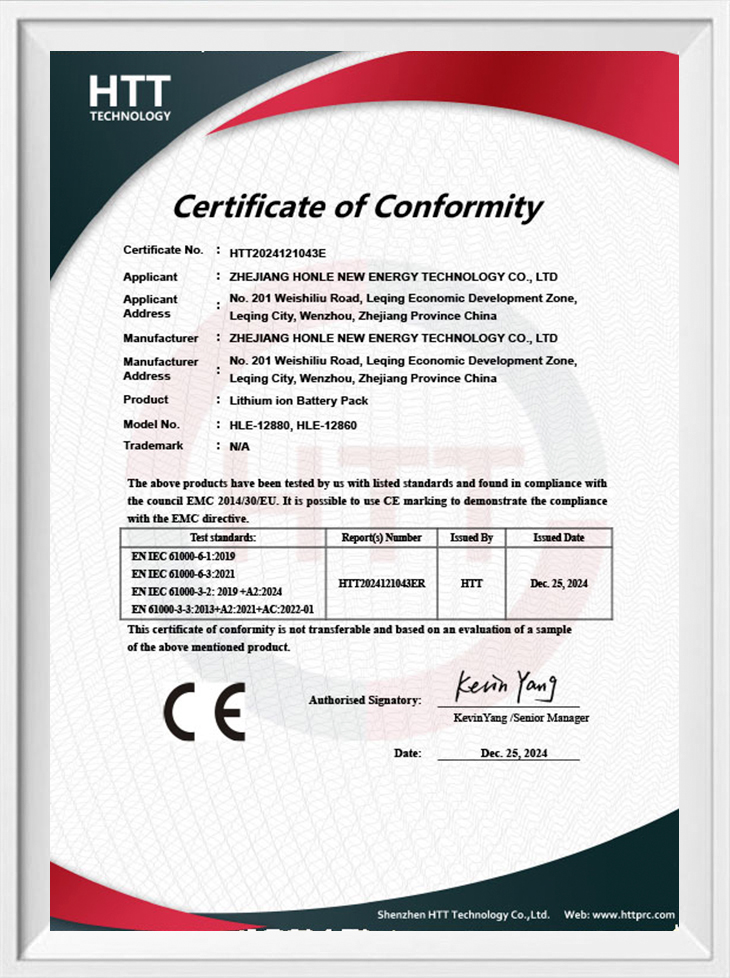
The ability to operate in both on-grid and off-grid modes provides operational flexibility for commercial energy storage projects. This enables optimized energy utilization, improved power reliability, and enhanced resilience against grid instability. Compliance with multiple international certifications further supports safe transportation, installation, and operation in diverse markets.
Built with all-new Grade A LFP battery cells, the system provides stable electrochemical performance and long-term operational consistency. With a cycle life of up to 6000 cycles, it is well suited for daily charge and discharge scenarios such as peak shaving, load shifting, and renewable energy integration. The cabinet supports both on-grid and off-grid operation, allowing it to participate in grid-connected energy management while also maintaining independent power supply during grid interruptions.
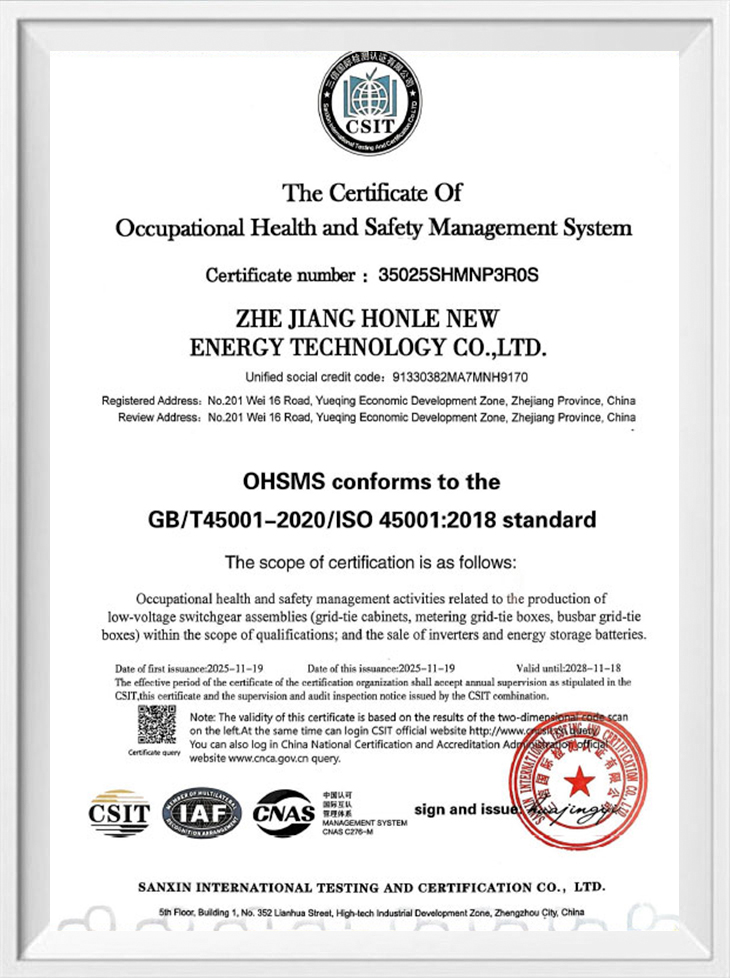
The enclosure is designed with an IP54 protection level, allowing installation in outdoor environments with exposure to dust and moisture. This design supports flexible site selection and reduces infrastructure constraints for commercial and industrial energy storage deployments. The system complies with international standards including FCC, CE, UN38.3, and MSDS, supporting broader application across different regulatory markets.
|
Model |
HLH-LV-NU001 |
HLH-LV-NU002 |
HLH-LV-NU003 |
||
|
Battery |
|||||
|
Nominal Voltage |
51.2V |
||||
|
Nominal capacity |
200Ah |
||||
|
Nominal Capacity |
10.24kWh |
||||
|
Max.Charge Current |
100A |
||||
|
Product dimensions |
773*560*165mm |
||||
|
battery weight |
78kg |
||||
|
Cycle Life |
>6000(25℃), 80% DOD |
||||
|
Inverter parameters |
|||||
|
Inverter power |
20kW |
30kW |
40kW |
||
|
Max. DC Input Power |
26000W |
48000W |
64000W |
||
|
Max. DC Input Voltage |
1000V |
||||
|
Start-up Voltage |
180V |
||||
|
MPPT Voltage |
150-850V |
||||
|
PV Input Current |
26+26A |
36+36+36A |
36+36+36+36A |
||
|
Max. PV Input Current |
39+39A |
55+55+55A |
55+55+55+55A |
||
|
Stacking parameters |
|||||
|
Maximum stacking quantity |
4PCS |
5PCS |
6PCS |
7PCS |
8PCS |
|
Rated voltage |
204.8V |
256V |
307.2V |
358.4V |
409.6V |
|
Working Voltage |
172.8~230.4V |
216~288V |
259.2-345.6V |
302.4~403.2V |
345.6~460.8V |
|
rated energy |
40.96kWh |
51.2kWh |
61.44kWh |
71.68kWh |
81.92KWh |
|
Communication |
RS485, CAN, WiFi |
||||
|
Storage Temperature |
-20℃~55℃ (Recommended) |
||||
|
Working Humidity |
≤95% (RH) No Condensation |
||||
|
Working Temperature |
Charge: 0℃~55℃ Discharge: -20℃~55℃ |
||||
|
Working Altitude |
≤2000m |
||||
|
Cooling method |
Forced air cooling/Natural cooling |
||||
|
Protective Class |
IP54 |
||||
|
Dimension |
800×1000x2000mm |
||||


Storage Chemistry 101 Why Battery Chemistry Shapes Decade-Long Storage Costs A backup power bank, a solar off-grid system, and a commercial peak-shaving installation all live or die on the same underl...
Read MoreSolar Panels Are No Longer the Hard Question, Storage Is Falling panel prices have made rooftop solar a fairly predictable investment for most property owners. Battery storage is a different story. A...
Read MoreWhy Scaling Energy Storage Has Become a Business Priority Electricity costs for commercial and industrial facilities are no longer predictable line items. Demand charges, time-of-use rate structures...
Read MoreSystem Architecture Rethinking Power Conversion Architecture in Distributed Solar Arrays Every photovoltaic system produces direct current at the module, but the point where that current is converted ...
Read More