


 English
 Français
 Español
See Details
- Residential Energy Storage

- C&I BESS

- Large-Scale Centralized Energy storage

- Solar Panel

- Power Inverters

- Vehicle Lithium Battery


Industry News
Home / News / Industry News / Commercial Battery Storage System Guide: Sizing, Costs, and Payback in 2026
Commercial Battery Storage System Guide: Sizing, Costs, and Payback in 2026
Content

Your commercial electricity bill may look like it is driven by total kWh, but an increasing portion is determined by how fast you use that power. Demand charges can account for 30 percent or more of an industrial electricity bill, and a grid outage can stop a production line in seconds. A commercial battery storage system addresses both problems directly: it shaves peak demand, shifts energy from low-price to high-price periods, and keeps critical loads running when the grid fails. The purpose of this guide is to explain the common system types, sizing logic, procurement considerations and payback expectations so you can evaluate storage with a clear set of criteria.
What Is a Commercial Battery Storage System?
A commercial battery energy storage system (commercial BESS) is an integrated package that typically includes lithium-ion battery modules, a power conversion system (PCS), a battery management system (BMS) and an energy management system (EMS). The PCS converts DC battery power to AC for building loads. The BMS monitors cell voltage and temperature and provides protection. The EMS reads load and tariff data to decide when to charge and discharge.
The product range is usually divided by capacity and enclosure type: low-voltage integrated cabinets for small commercial sites, modular rack cabinets for medium-sized loads, and containerized or industrial cabinets for heavy and utility-facing applications. Honle's commercial storage product range covers all three categories, so a buyer can evaluate a single supply base instead of mixing vendors.
Why Invest in a Commercial BESS?
Storage earns its keep through four business cases. The fastest payback usually comes from demand charge reduction, because the saving starts in the same billing month. A battery discharges during your 15-minute peak window, lowering the highest measured kW and therefore the demand charge. Energy arbitrage is the second case: charge during off-peak hours and discharge during on-peak hours when the tariff is higher.
Backup power is the third case. A commercial BESS can support lighting, servers, freezers or a single critical production line during outages, with transfer times short enough to avoid equipment damage. The fourth case is PV self-consumption. If solar already produces a mid-day surplus, the battery stores that energy for evening loads, increasing the percentage of solar electricity actually used on site.
The strongest commercial returns combine demand reduction with arbitrage, and both benefits can be measured in the same meter data.
Commercial BESS Options by Project Size
Not every business needs the same hardware. The decision often comes down to usable capacity, available floor area, voltage and expansion plans. Table 1 shows the typical configuration ranges.
| Project Tier | Typical Capacity | Common Applications | Equipment Form |
|---|---|---|---|
| Small commercial | 40.96-81.92 kWh | Shops, restaurants, small workshops, EV charging stations | Low-voltage integrated cabinet |
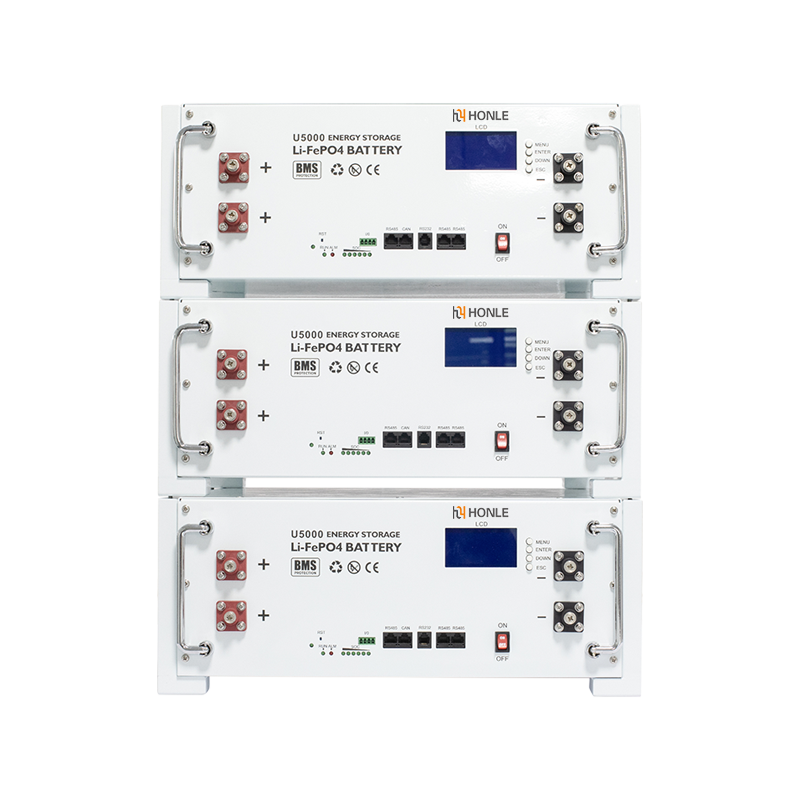
| Medium commercial | 112-261 kWh | Factories, warehouses, hotels, cold storage | Modular rack cabinet |
| Large industrial | 230-460 kWh or MWh container | Mining, textile plants, industrial parks | PowerCube, containerized system |
Small Commercial Package (40.96-81.92 kWh)
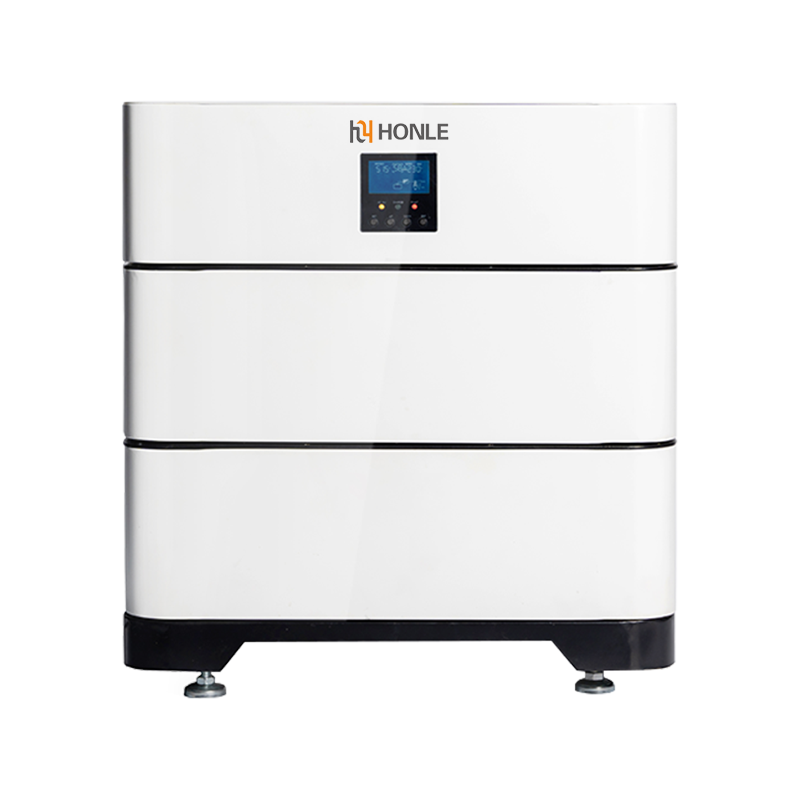
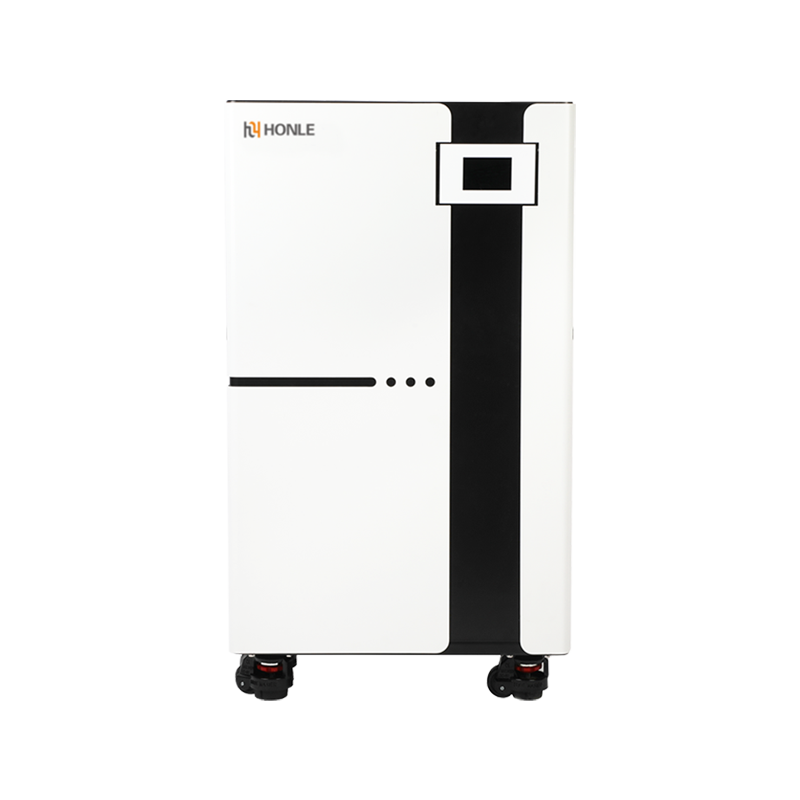
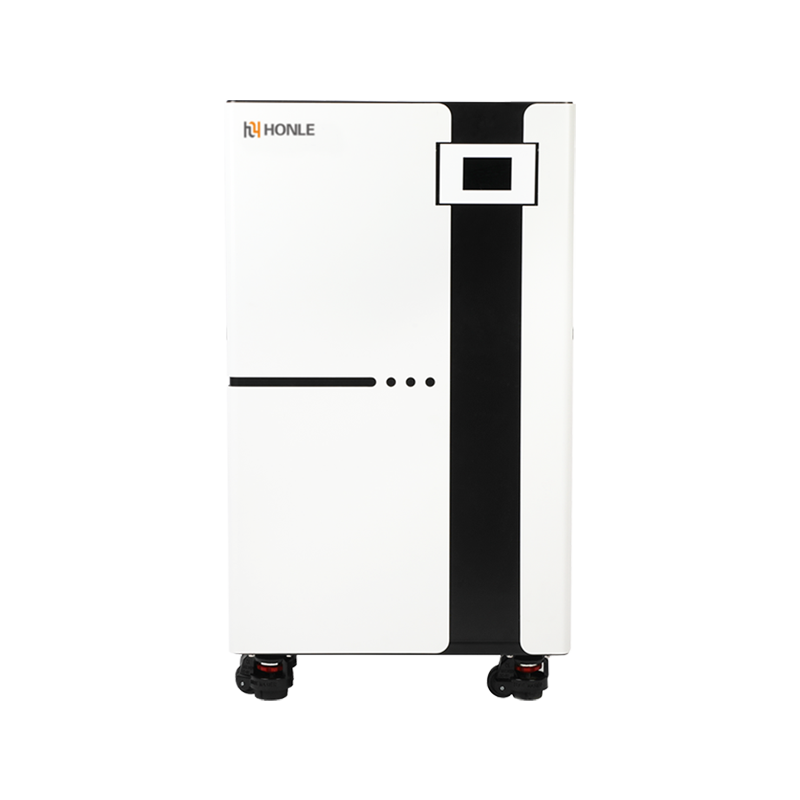
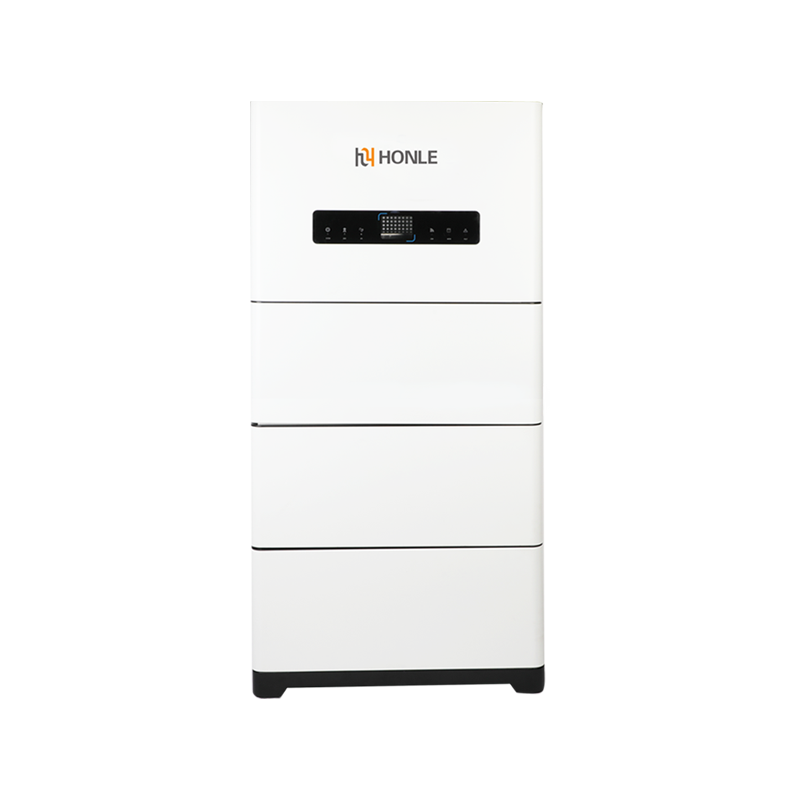
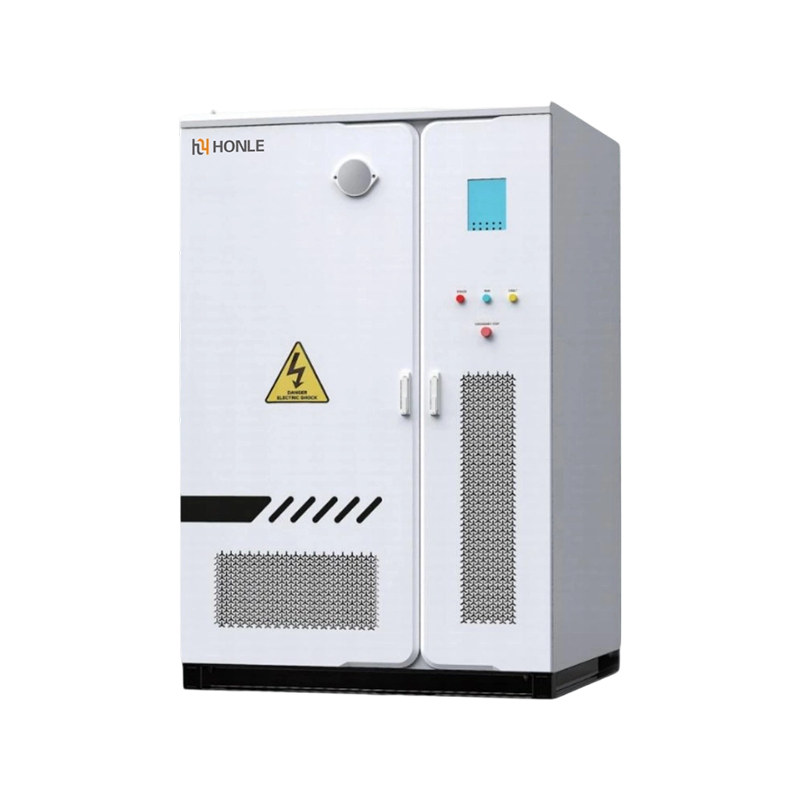
Shops, small factories and charging stations usually need 40.96 to 81.92 kWh of usable capacity. A low-voltage integrated cabinet combines the battery, inverter and controller in one enclosure, which reduces installation time and floor space. Honle's 40.96-81.92 kWh low-voltage cabinet is designed for this size range.
 HLH 40.96kWh~81.92kWh Low Voltage Energy Storage Cabinet All-in-One C&I Battery System forThe Energy Storage Integrated Cabinet Series (40.96kWh–81.92kWh) is a compact commercial and industrial battery energy storage solution designed to support stable powe...View Product →
Medium Commercial Package (112-261 kWh)
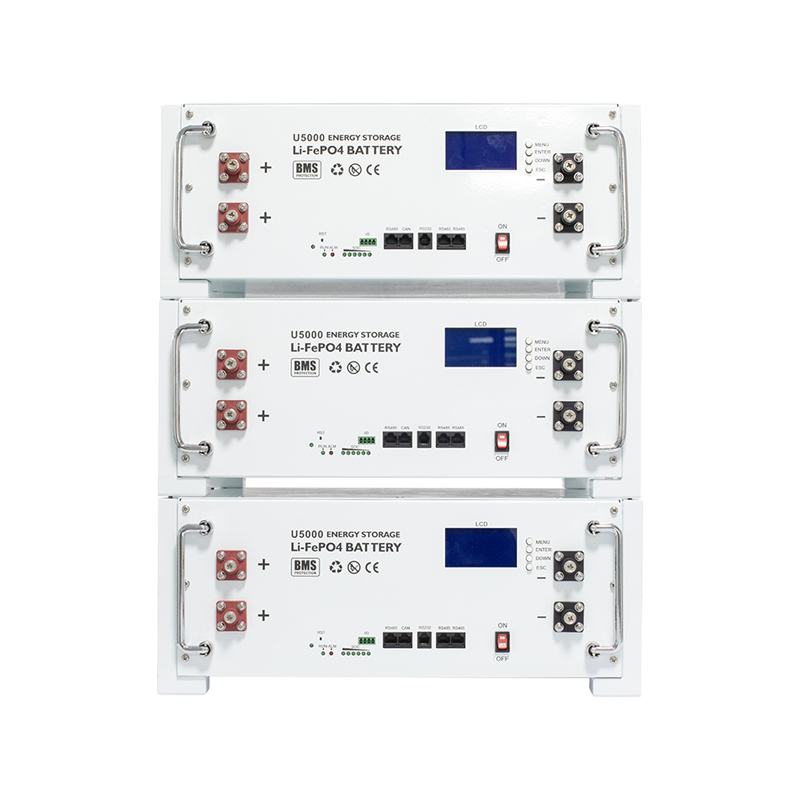
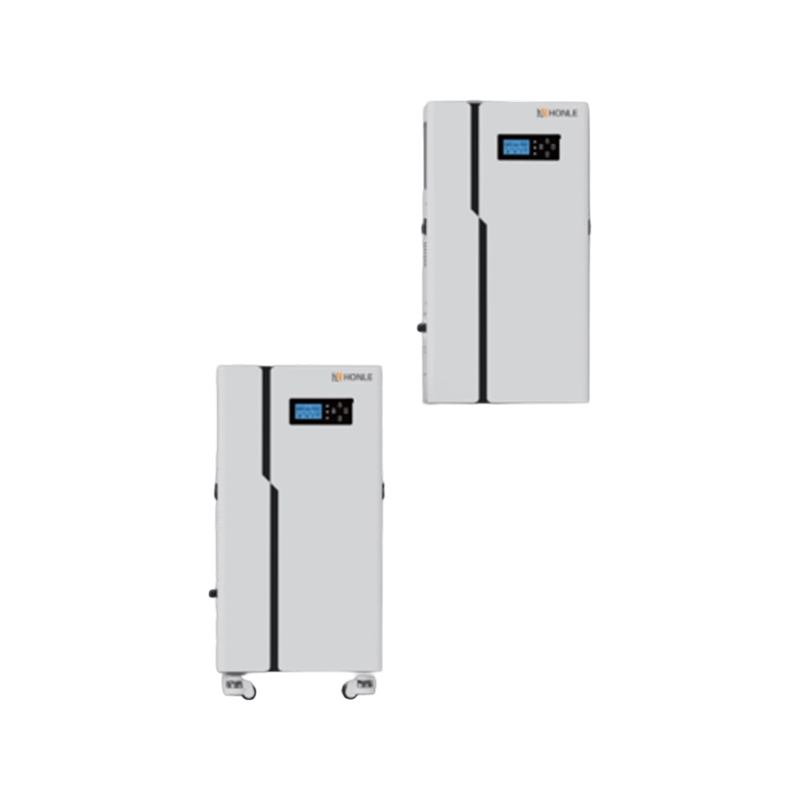
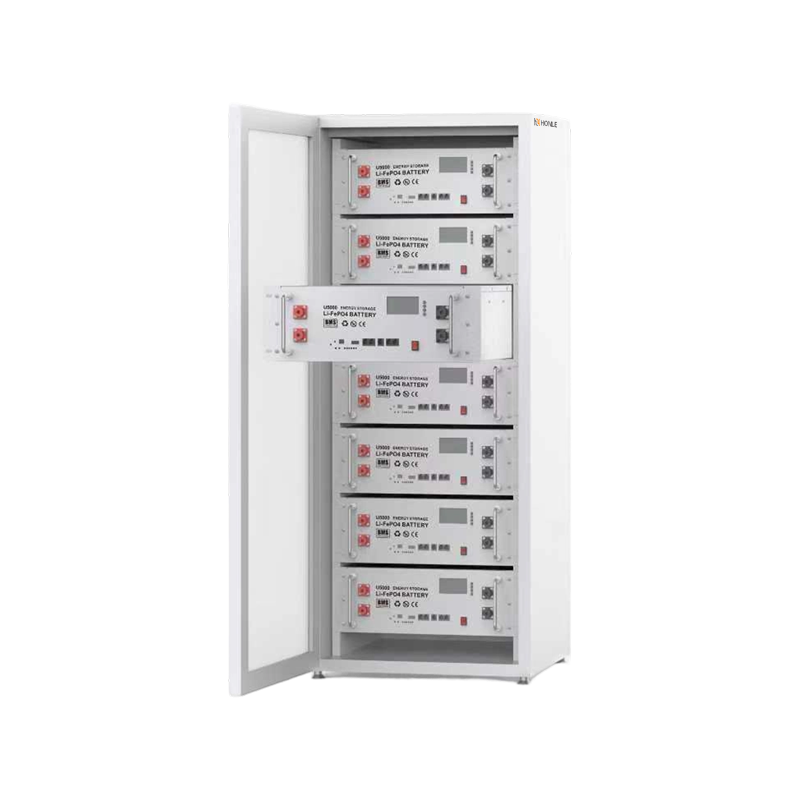
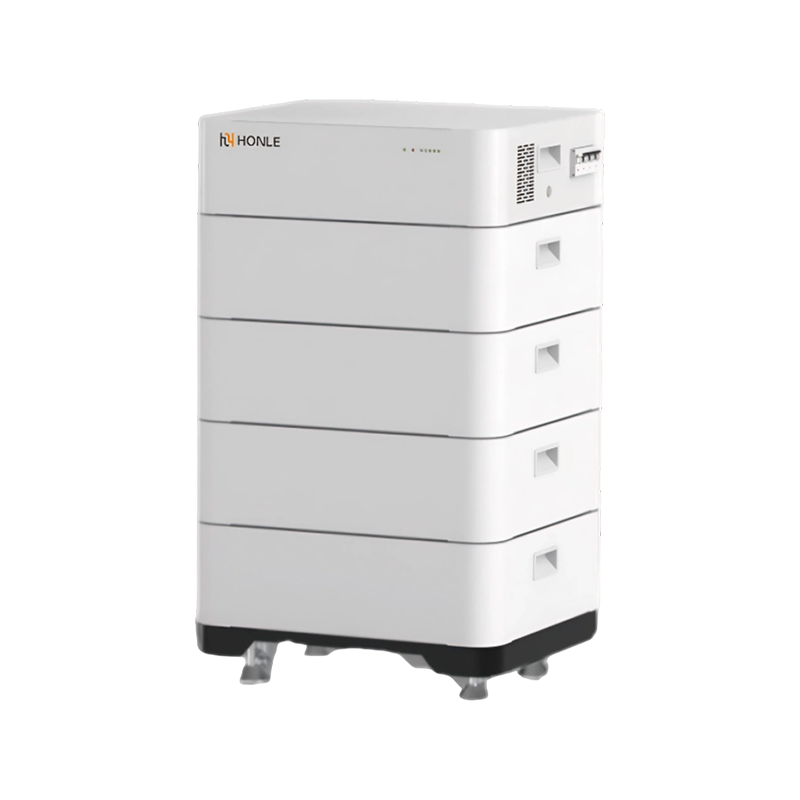
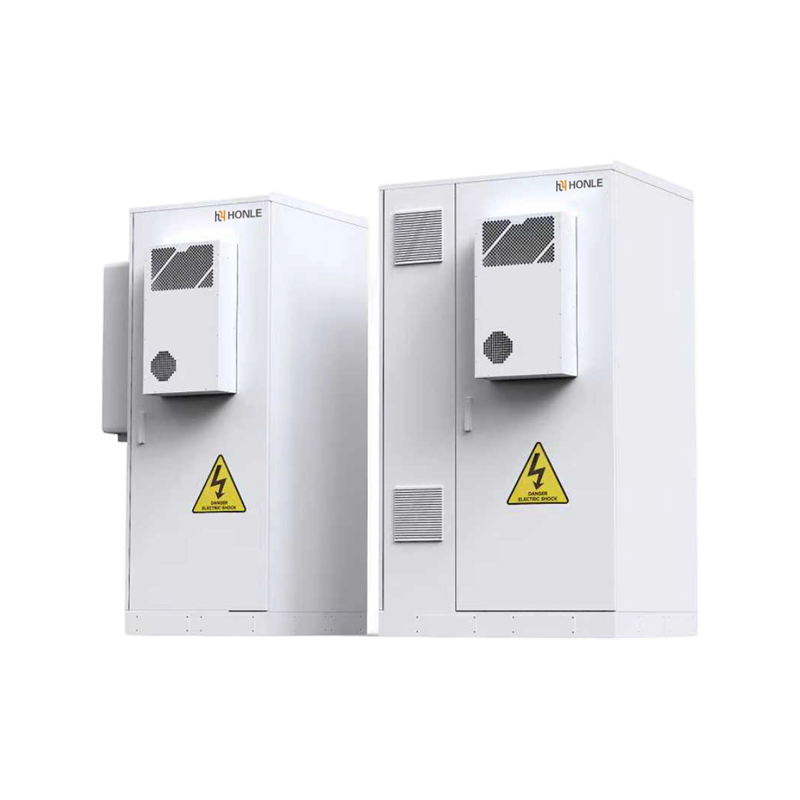
Medium factories, warehouses and hotels often prefer a modular rack cabinet because it allows stepwise capacity expansion. You can start with one rack and add another as production grows, without replacing the PCS. Honle's 112-261 kWh modular integrated cabinet follows this logic.
 HLH-NU 112kWh~261kWh High-Capacity Energy Storage Cabinet Professional LiFePO4 BESS for CoThis integrated cabinet series combines battery modules, power control, and system protection within a unified architecture, reducing external wiring complexity and im...View Product →
Large Industrial Package (230 kWh to MWh Scale)
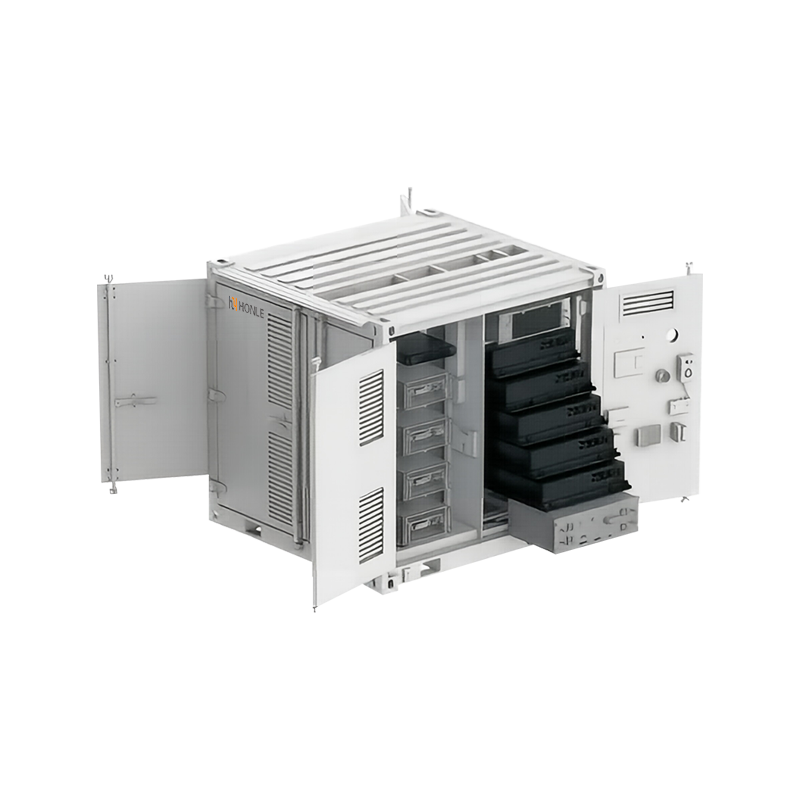
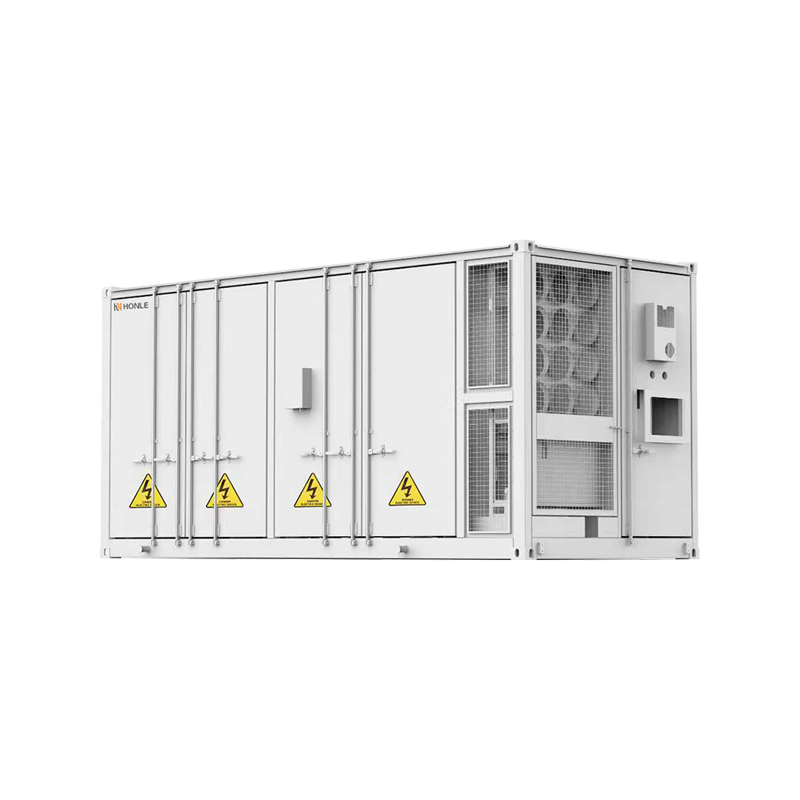
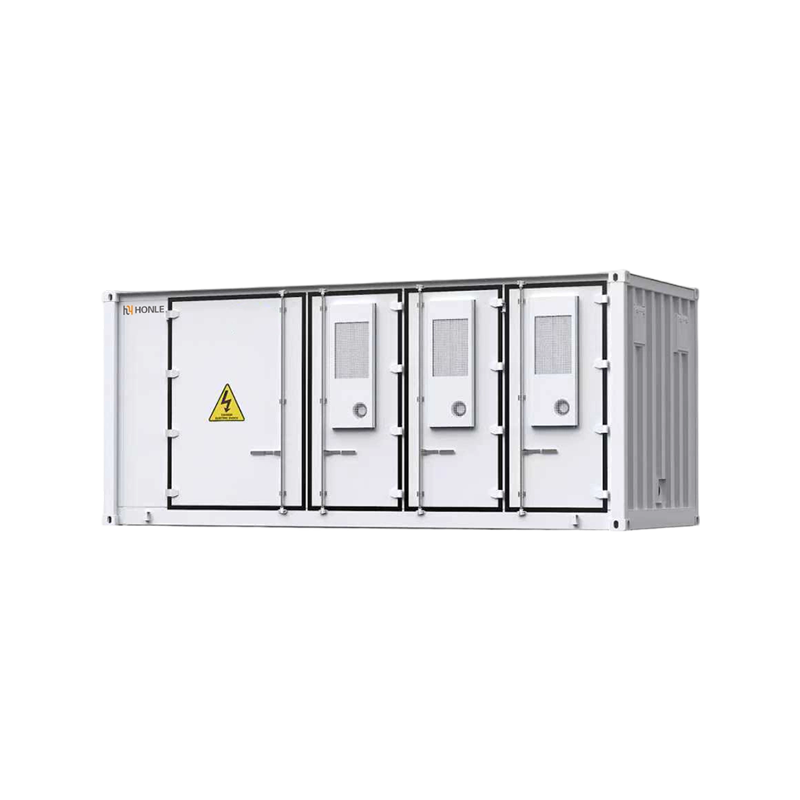
Mining sites, textile plants and large industrial parks have multi-MW peaks and often operate continuously. In this segment a centralized PowerCube or containerized system consolidates the battery, cooling, fire suppression and management into a single asset. These larger systems can also participate in microgrid control or frequency support applications. Honle's PowerCube industrial energy storage system belongs to this category.
 HLH 230~460 kWh PowerCube Industrial Energy Storage & Power Stabilization SystemPowerCube is engineered to handle extreme load conditions with outstanding dynamic response capability. The system supports load startup power exceeding five times the...View Product →
How to Size a Commercial Battery Storage System
Correct sizing starts with the objective, not with the battery. If the goal is demand charge reduction, you need 15-minute interval load data for at least one month. If the goal is backup, you need a list of critical loads and their start-up surge. If the goal is arbitrage, you need the tariff intervals and a battery control strategy that responds accordingly.
The next step is separating power from energy. Rated power, measured in kW, determines how fast the battery can charge or discharge. Usable capacity, measured in kWh, determines how long it can sustain that power. Table 2 lists the key parameters you should request from every supplier.
| Parameter | What It Tells You |
|---|---|
| Rated power (kW) | Maximum continuous charge/discharge rate |
| Usable capacity (kWh) | Energy available under normal operating limits |
| Round-trip efficiency | System efficiency, typically 90-95 percent |
| Depth of discharge | Recommended usable window for the battery |
| Cycle life | Expected lifetime at a defined discharge depth |
| Operating temperature | Safe limits for charging and discharging |
The final step is applying margins. Batteries degrade over time, so most projects assume 80 percent of rated capacity at the end of warranty and add 10-20 percent capacity for load growth. A site with a 150 kW peak reduction target should therefore quote a system that can deliver at least 150 kW at the end of its design life.
Procurement Checklist
Before you sign a purchase agreement, confirm the following items with the supplier:
- Cell chemistry: lithium iron phosphate (LFP) is the current commercial standard for thermal stability and cycle life.
- BMS depth: cell-level monitoring and protection is preferred over pack-level monitoring.
- Thermal management: active cooling becomes more important as capacity exceeds 100 kWh.
- Compliance: verify that the equipment meets the local grid code, electrical safety standard and transportation regulations.
- Warranty: check both calendar years and cycle-based throughput.
- Remote monitoring: a reliable EMS dashboard reduces maintenance cost and failure response time.
Also ask for industrial and commercial case studies that are similar in size and industry. Past installations in textile plants, warehouses and mining sites reveal more about the supplier than any datasheet.
Cost, Payback and Financing
Installed price for a commercial battery storage system varies widely by market, voltage, enclosure type and auxiliary equipment such as transformers and fire suppression. In many regions complete systems in the 40-300 kWh range have fallen to the point that the main cost driver is now labor and project engineering.
Payback should be calculated locally, but a reasonable planning range is four to seven years for projects that combine demand reduction and arbitrage. If the system is installed mainly for backup, the payback will be longer, because the availability value is harder to monetize. Some countries offer subsidies, capacity procurement revenue or low-interest efficiency loans that can shorten the payback by one to two years.
Commercial BESS FAQ
Q1. How long do commercial battery storage systems last?
LFP-based commercial systems are typically designed for 6,000 to 8,000 cycles or 10 to 15 years of calendar life, depending on temperature settings and discharge depth. The warranty usually covers a defined end-of-life capacity, commonly 80 percent.
Q2. Can I add battery storage to an existing solar PV system?
Yes. AC-coupled retrofits connect the battery to the existing AC output, which is the simplest path for most existing installations. DC-coupled designs combine the PV and battery behind a single inverter and suit new builds or systems where round-trip efficiency is the priority.
Q3. Does a commercial BESS need a transformer?
Most 40-300 kWh units do not, because the internal PCS handles the low-voltage AC interface at 380/400 V. Larger MWh-scale container systems may require a transformer when connecting to medium-voltage networks.
Q4. What does "50 kW/100 kWh" mean?
The first number is the maximum continuous output of the power conversion system. The second number is the total energy storage capacity. A 50 kW/100 kWh system can deliver 50 kW for two hours, while a 50 kW/150 kWh system can deliver 50 kW for three hours.
Start with the Right Steps
Before requesting quotes, complete three steps. First, audit your electricity bill at the 15-minute interval level to identify the true peak window. Second, define the primary objective: demand shaving, arbitrage, backup, or PV self-consumption. Third, compare at least two suppliers that can show verified commercial installations and provide a warranty matched to your expected cycle count.
A commercial battery storage system is not a commodity purchase, but it should not be a speculative one either. When the sizing logic is grounded in meter data and the supplier has proven project references, the decision becomes a risk-controlled investment.
Related products
News
-
Your commercial electricity bill may look like it is driven by total kWh, but an increasing portion is determined by how fast you use that ...
READ MORE -
A textile plant in Yangon keeps sensitive production lines running through unstable grid supply. A warehouse in Singapore uses battery stor...
READ MORE -
Honle New Energy Technology Participates in Industry Exhibition From September 8 to 10, 2026, Honle New Energy Technology Co., Ltd. partic...
READ MORE -
You have mounted solar panels, wired a battery bank, and installed an inverter. Yet your batteries never seem to reach full charge, or they...
READ MORE -
You have just received a higher electricity bill, and the sun is still shining outside. Can you actually use that free energy? Yes, but no...
READ MORE

PRODUCTS
LINKS
CONTACT
- Landline: +86-021-56981116
- TEL: +86-13795289200
- Email: [email protected]
- Address: 301-09, Building 6, Zhangjiang Microelectronics Port, No.690 Bibo Road, Pudong District, Shanghai
Copyright © Honle New Energy Technology Co., Ltd.
All Rights Reserved.
Wholesale Solar Energy Equipment Suppliers

This site uses cookies. By continuing to browse the site you are agreeing to our use of cookies. For more details about cookies and how to manage them see our 《Privacy Policy》
Accept