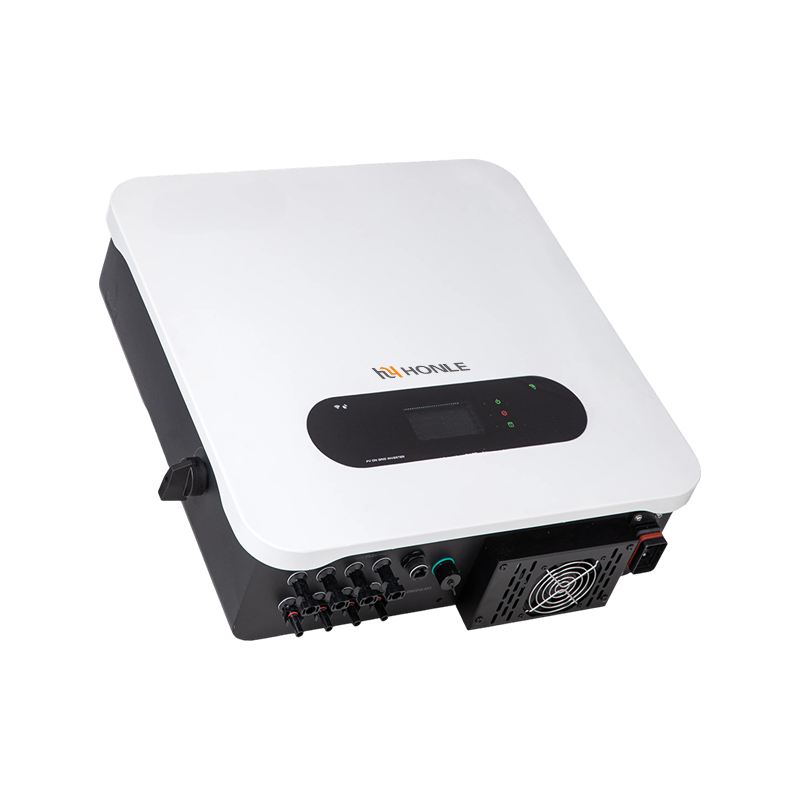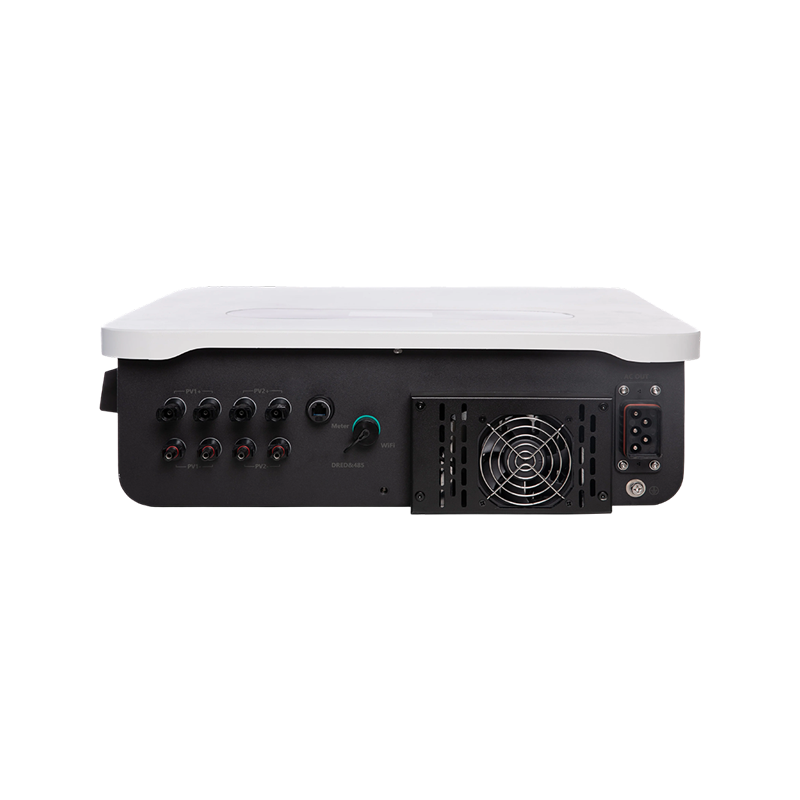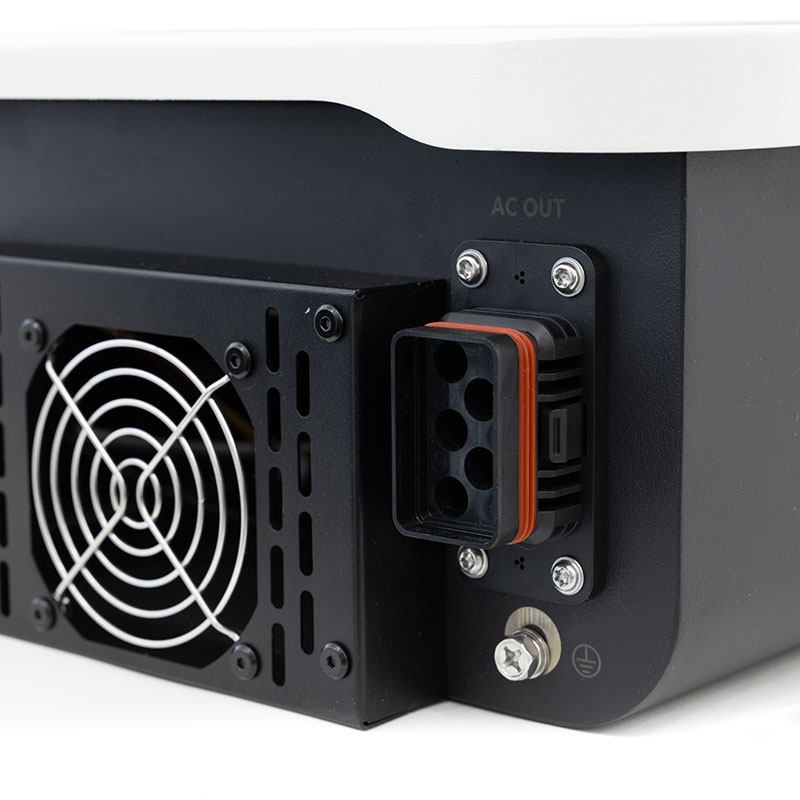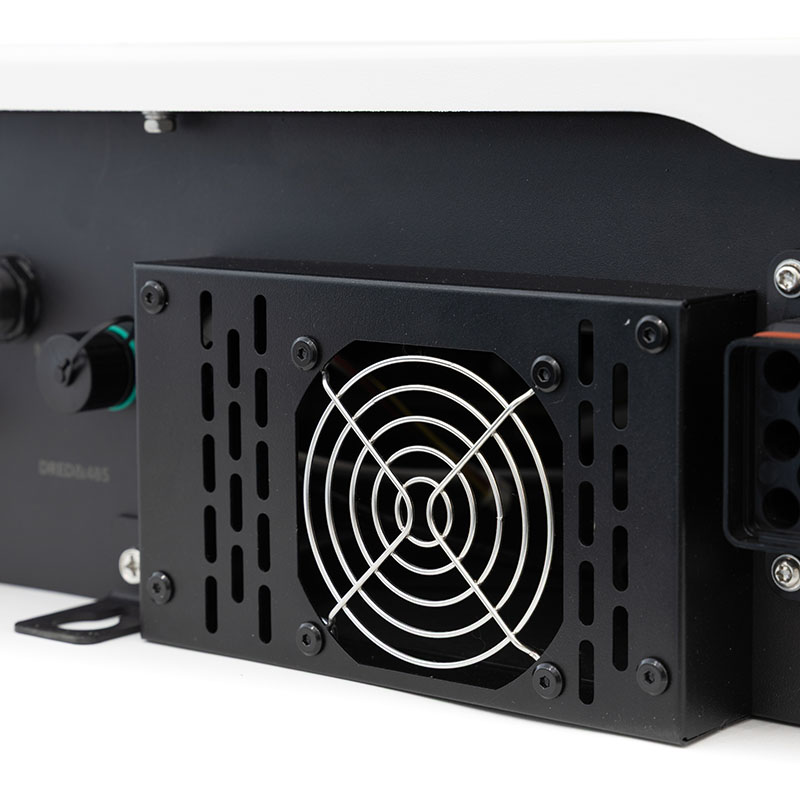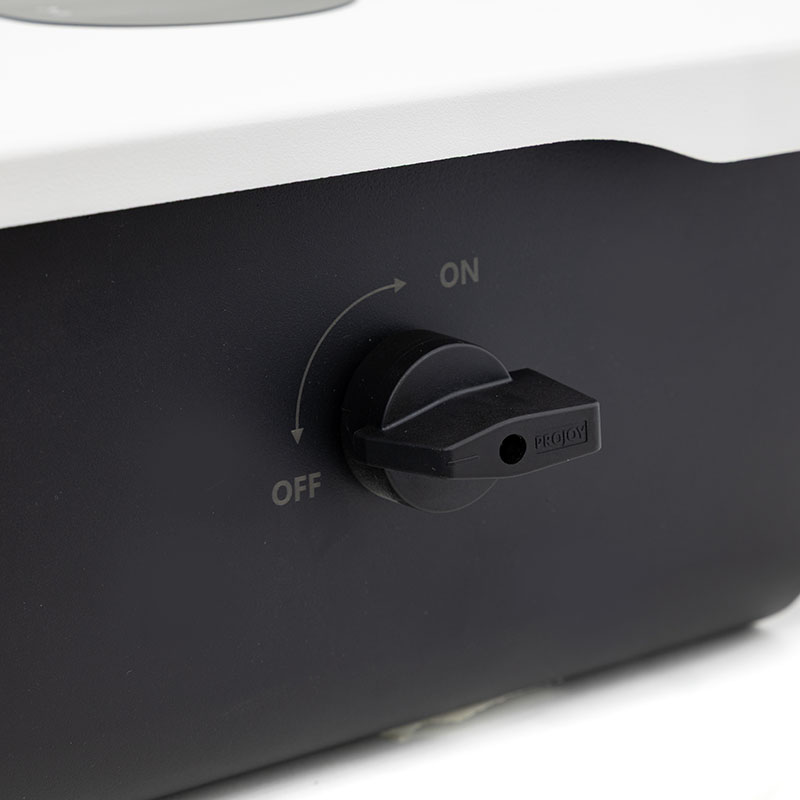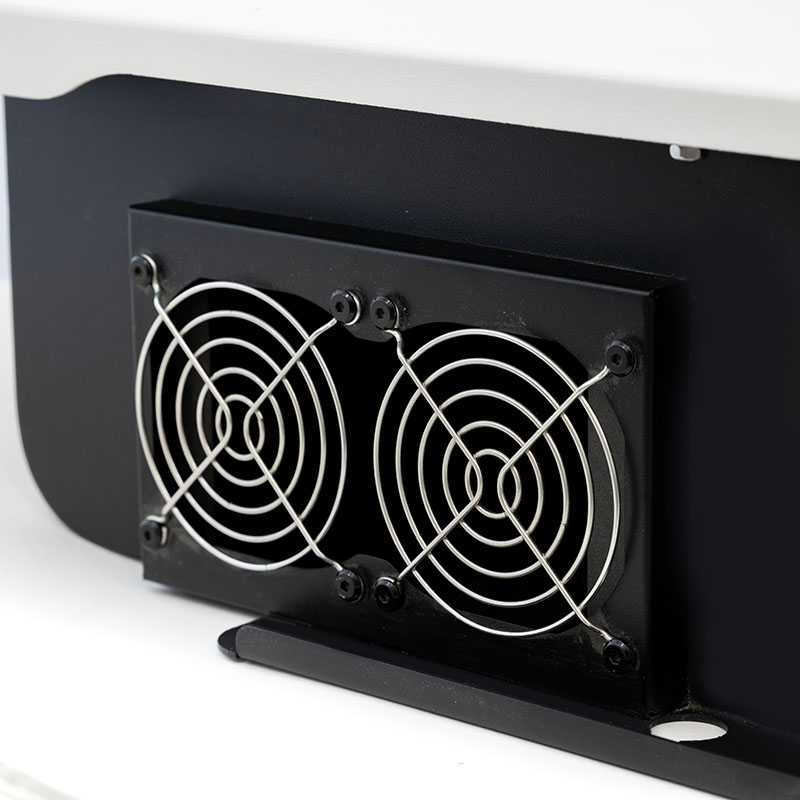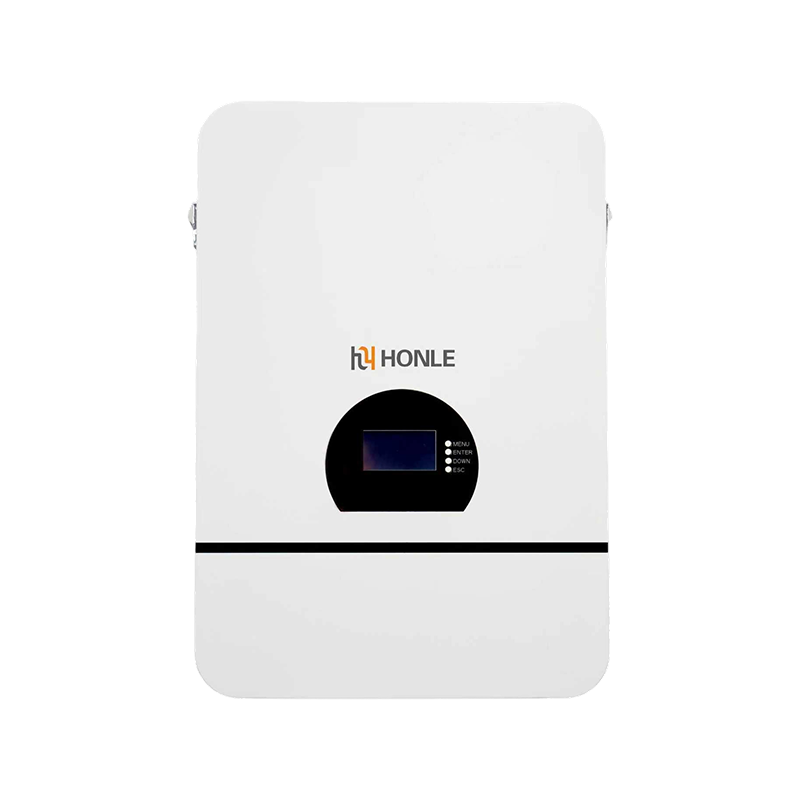
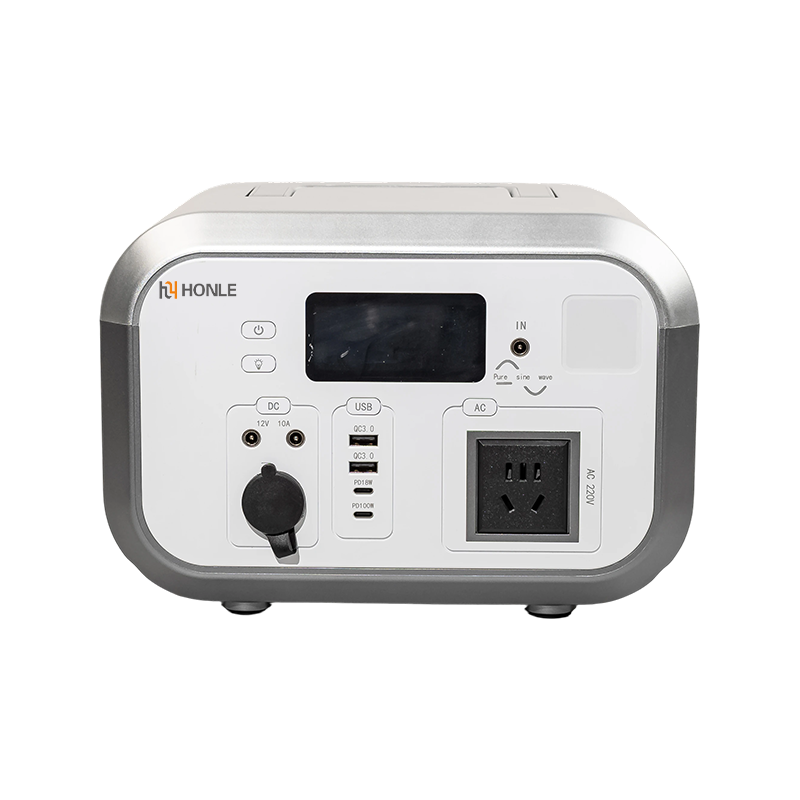
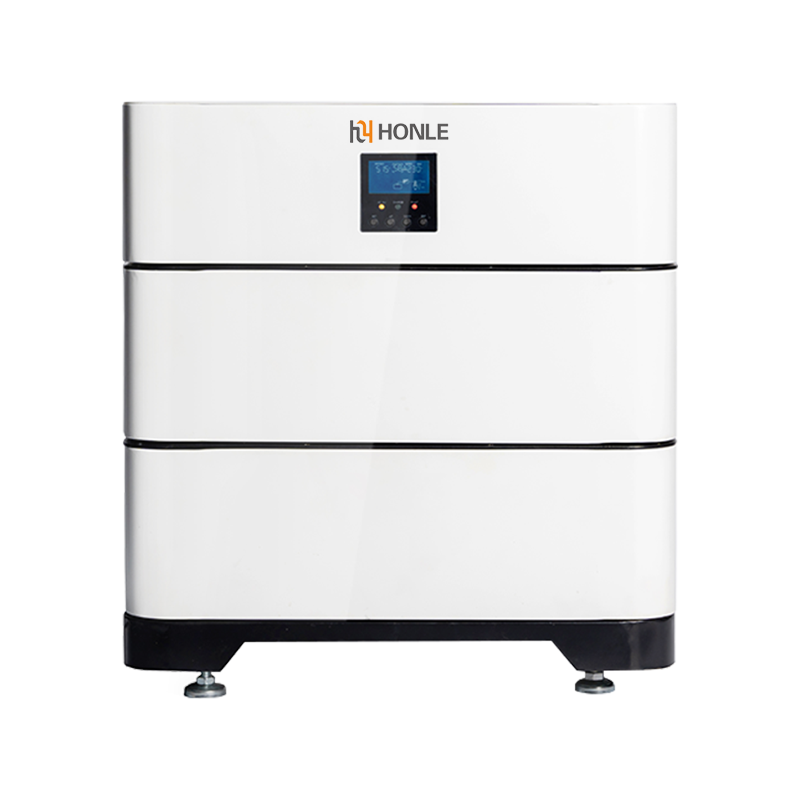
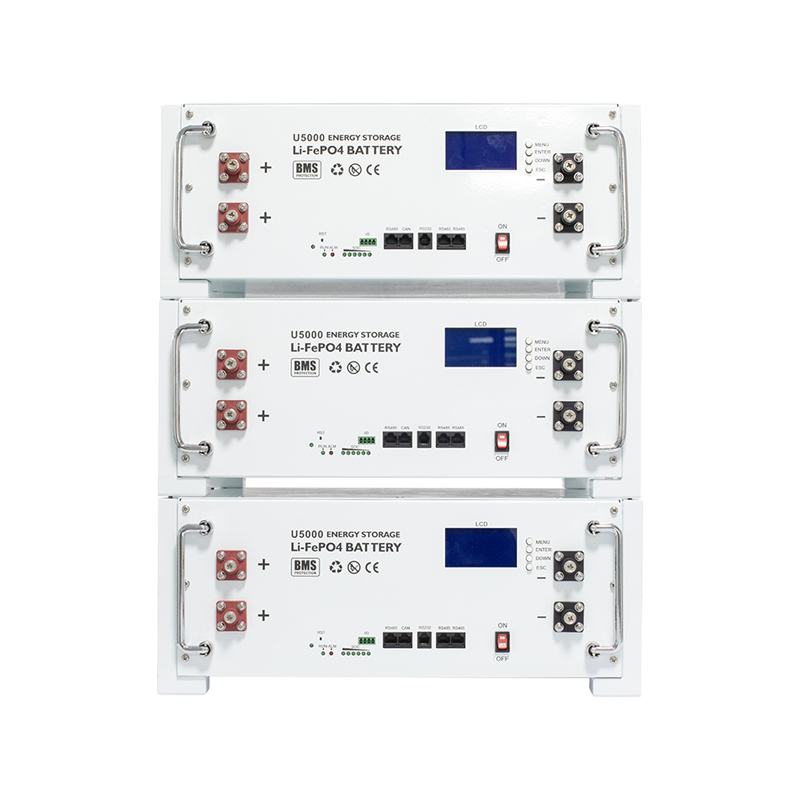
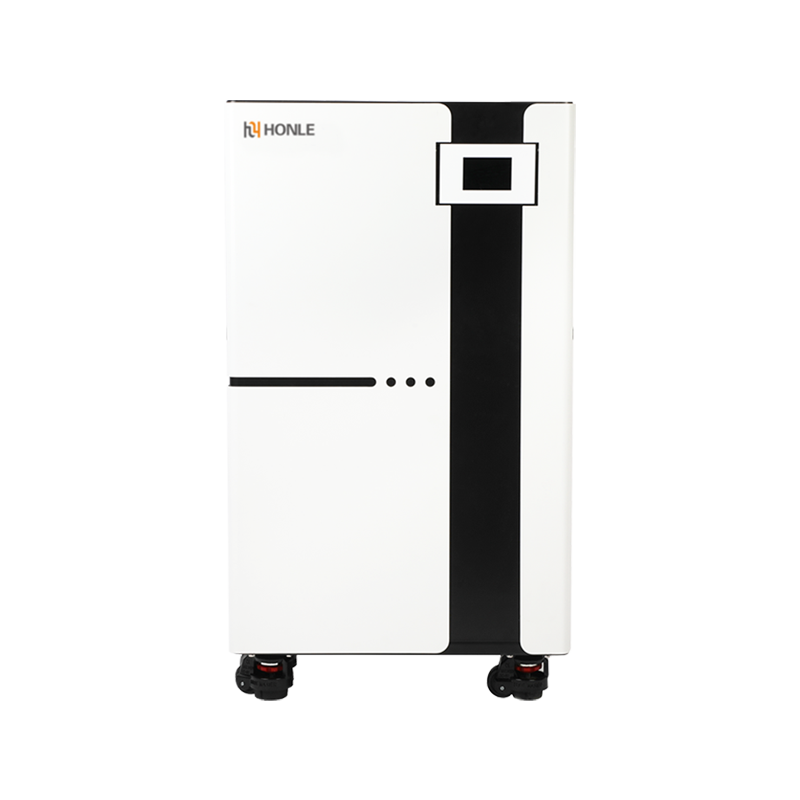
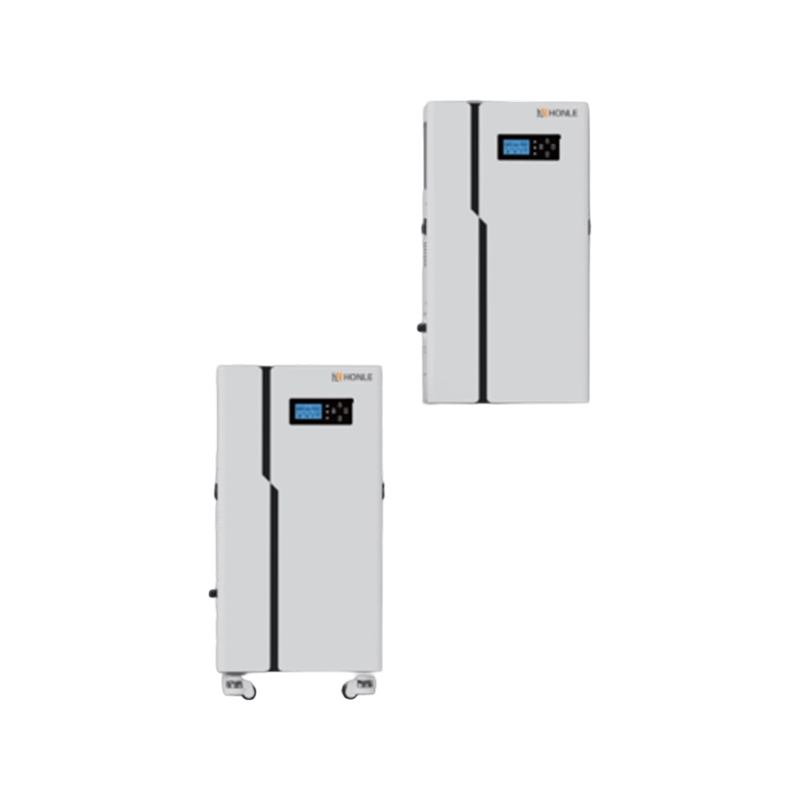
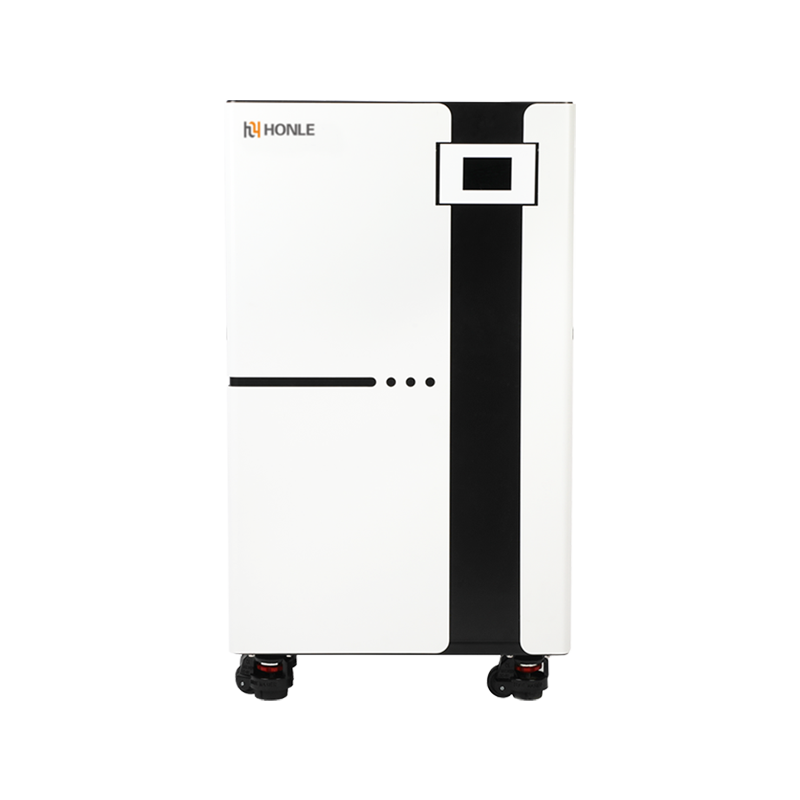
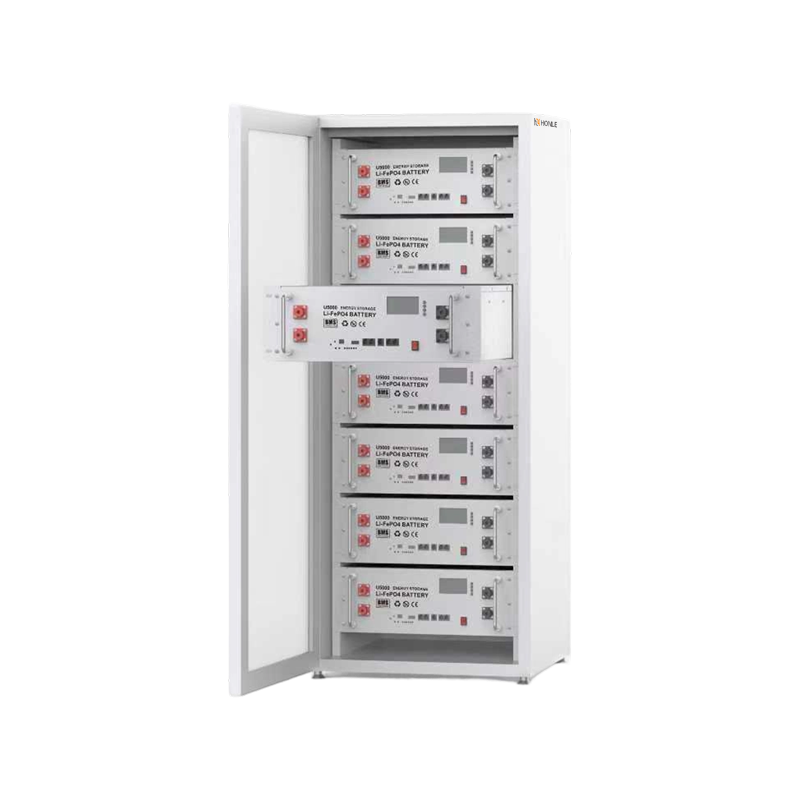
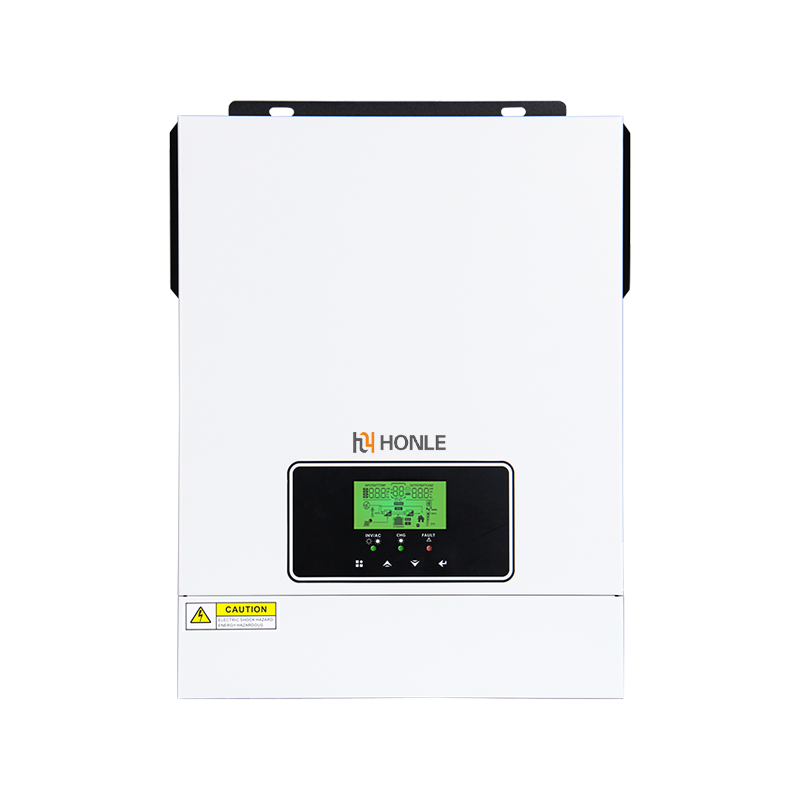
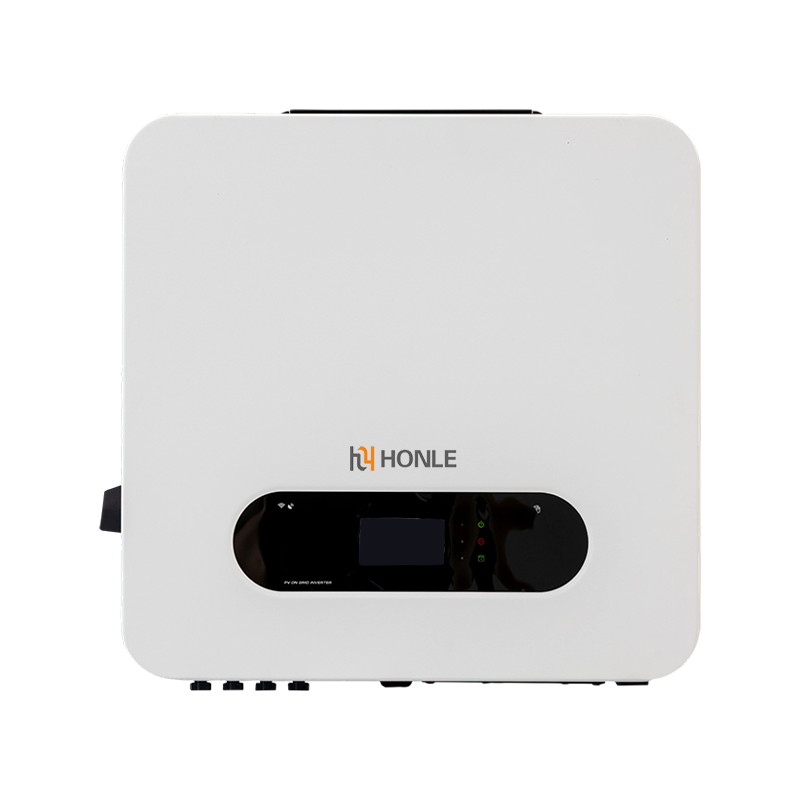
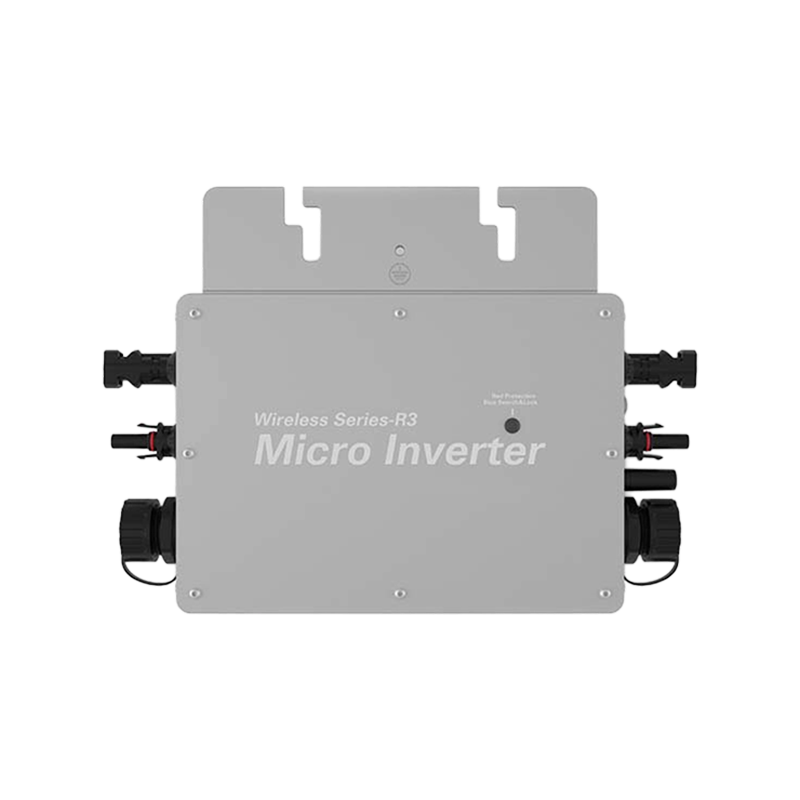
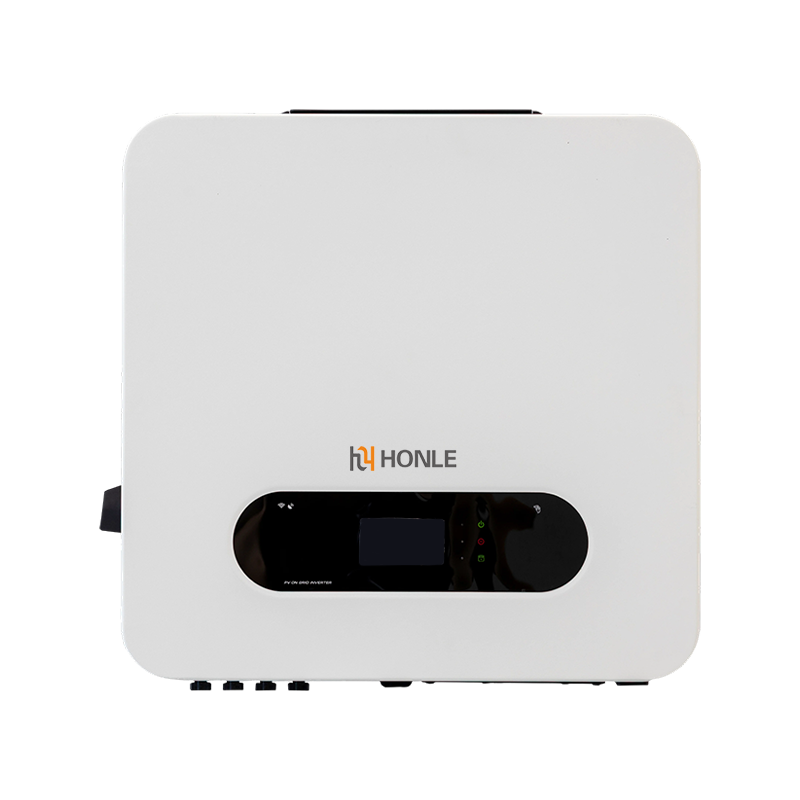
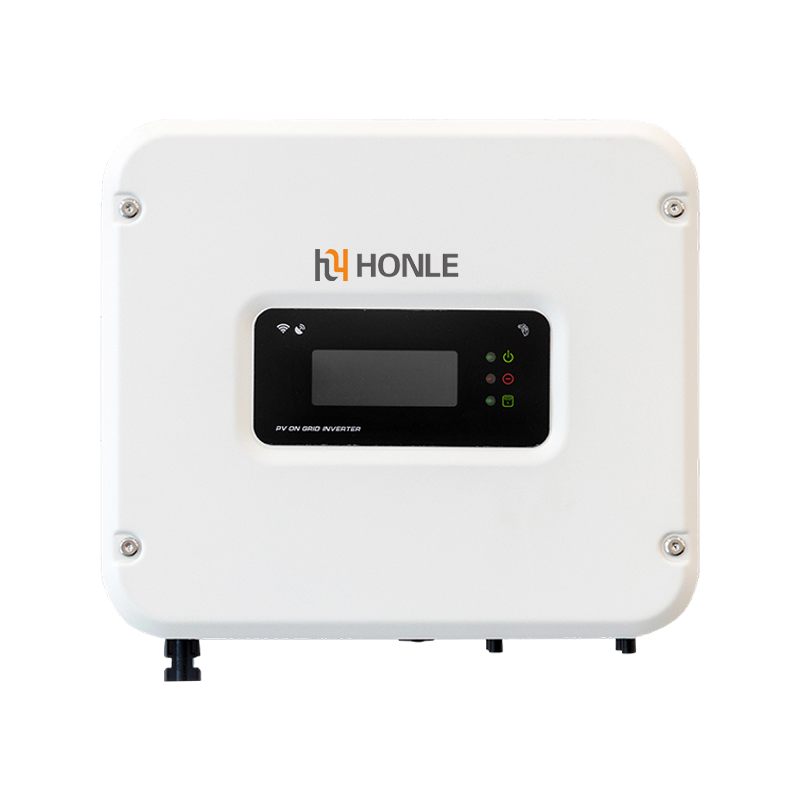



Compact and lightweight design reduces installation space and facilitates fast deployment.
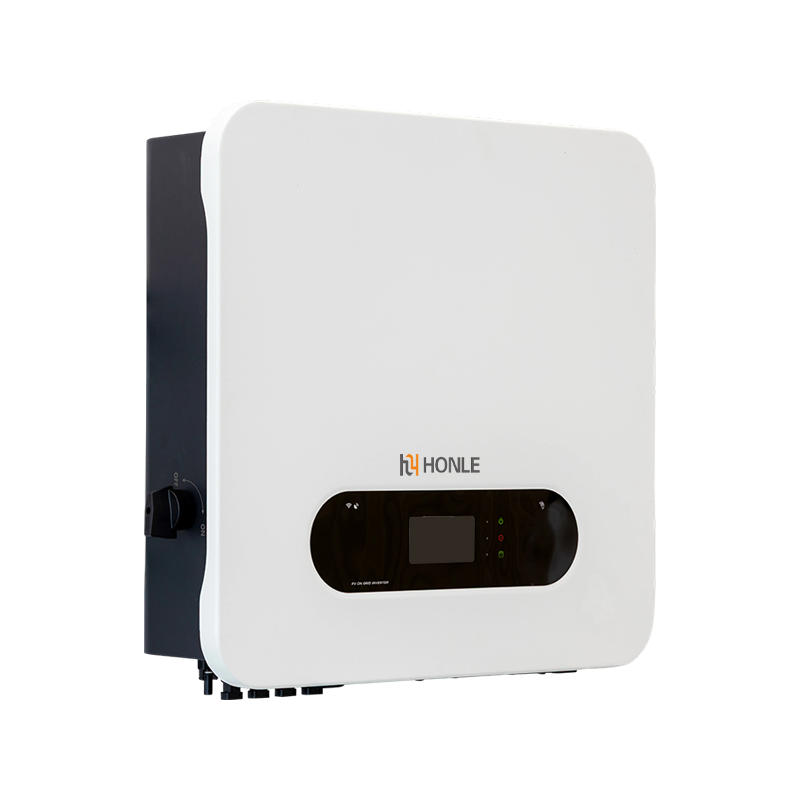
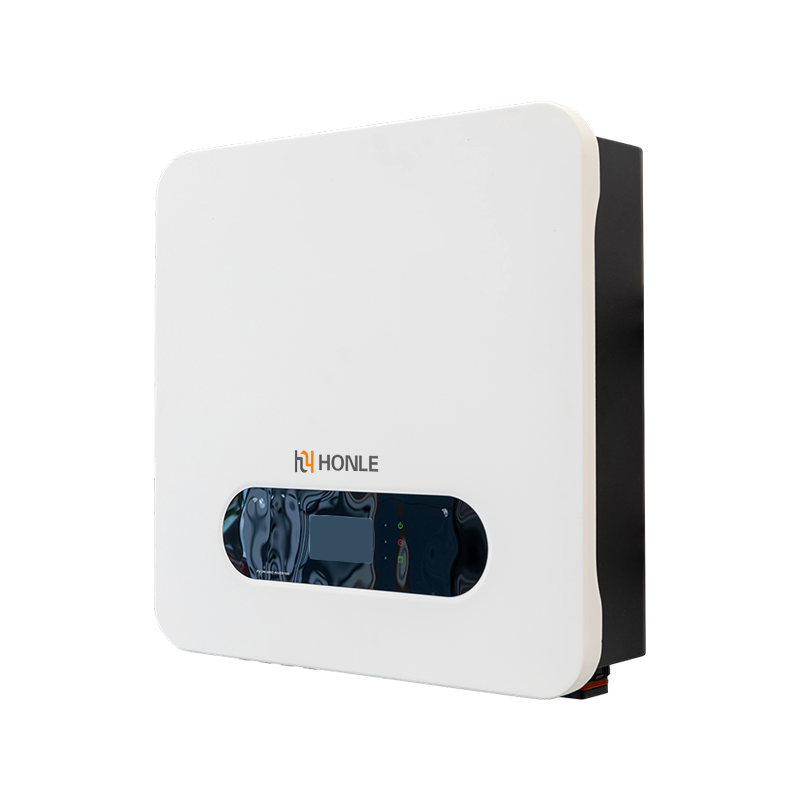
Supports three-phase output with unbalanced load handling, ensuring consistent energy delivery.
Incorporates mature control algorithms and grid-interactive features for reliable and long-term operation.
Optional built-in power limiter to control energy export, meeting local grid requirements.
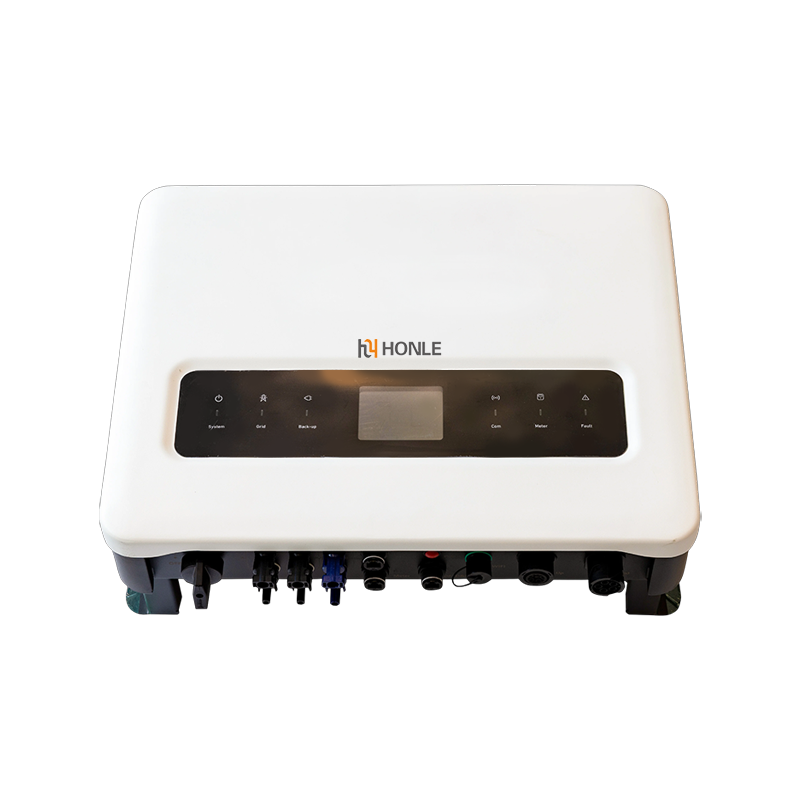
LCD display for real-time monitoring: Shows power output, system status, and fault codes.
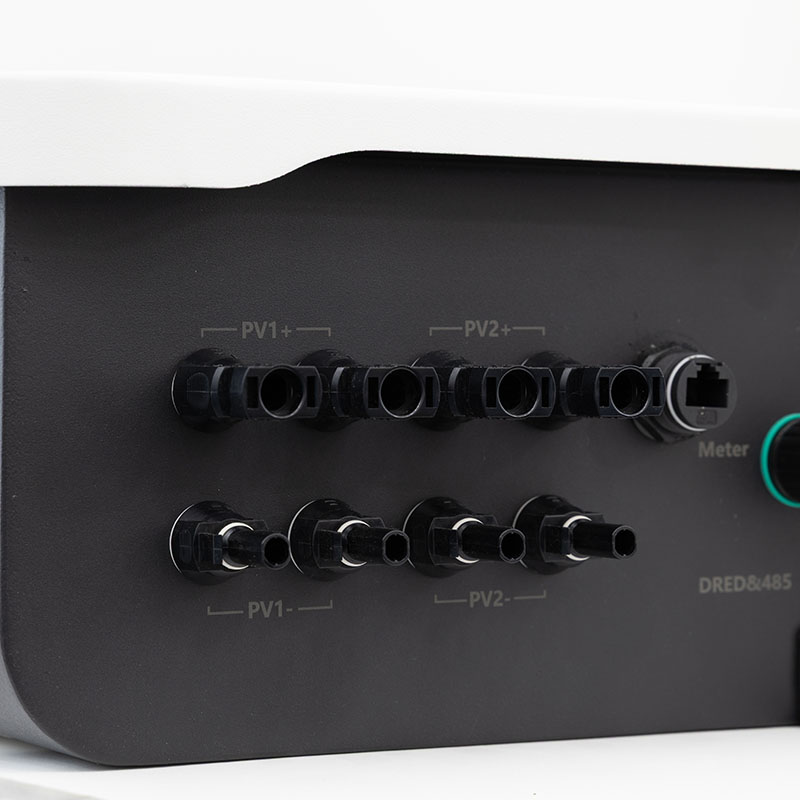
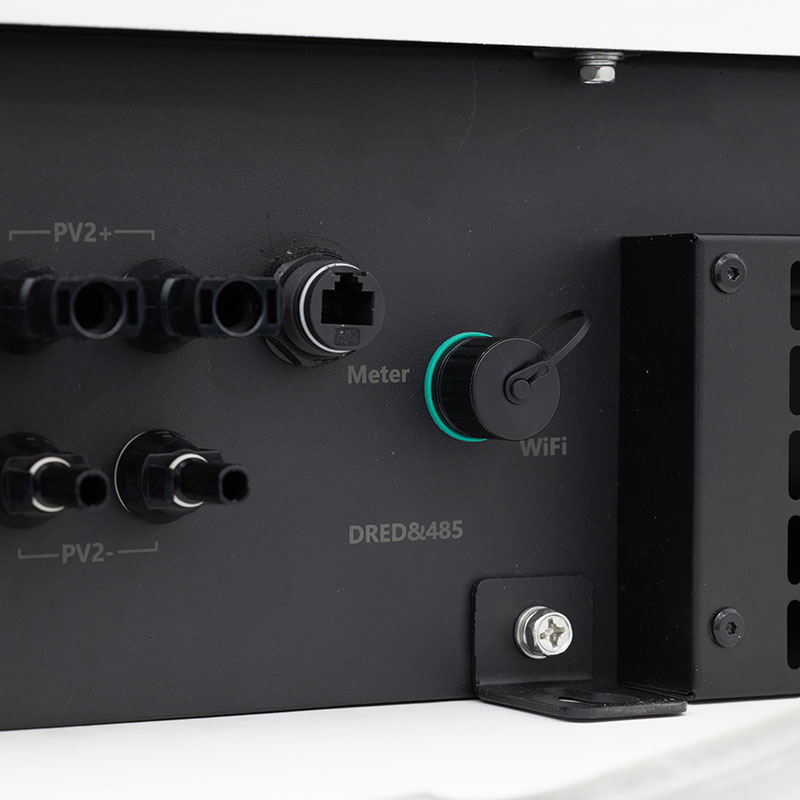
Multiple communication protocols: WiFi, GPRS, and LAN options for remote system management.
Quick installation: Single-person mountable design for rooftop or ground-mounted PV setups.
Durable outdoor operation: IP65 protection ensures resistance to dust, water, and extreme conditions.
Enhanced efficiency: Maintains stable energy conversion in various environmental conditions.
The Compact Three-Phase 220V Grid-Tied Solar Inverter is designed for medium-capacity solar PV installations, converting DC power from solar panels into reliable grid-compatible AC electricity. Its compact design combines efficiency with flexibility, enabling seamless integration into residential, commercial, and light industrial solar systems. The inverter includes a clear LCD interface for monitoring output, system metrics, and fault information. With IP65-rated housing, it can operate outdoors under varied climatic conditions and complies with international quality standards, verified by TUV, BV, and Dekra certifications.
|
Parameter |
TP17KTL |
TP20KTL |
TP25KTL |
|
Input (DC) |
|||
|
Max DC Power (W) |
25500W |
30000W |
30000W |
|
Max DC Voltage (VDC) |
1000 V d.c. |
||
|
Min Working Voltage (VDC) |
250 V d.c. |
||
|
MPPT Voltage Range (VDC) |
200~850 V d.c. |
||
|
Max Input Current per String (A) |
26A/26A |
26A/26A |
36A/26A |
|
Max Input Short Circuit per MPPT (A) |
34A/34A |
34A/34A |
46A/34A |
|
Number of MPPT Trackers |
2 |
||
|
Strings per MPPT Tracker |
2 |
||
|
Output (AC) |
|||
|
AC Nominal Power (W) |
17000 |
20000 |
26000 |
|
Max AC Apparent Power (VA) |
18700 |
22000 |
27500 |
|
Max Output Current (A) |
25 |
30 |
36 |
|
Nominal AC Output |
50/60 Hz, 400 V AC |
|
AC Output Range |
45–55 Hz, 280–490 VAC (Adjustable) |
||
|
Power Factor |
0.8 leading ~ 0.8 lagging |
||
|
Harmonics |
<1.5% |
<1.5% |
<1.5% |
|
Grid Type |
3P W/N/PE |
||
|
Efficiency |
|||
|
Max Efficiency |
98.50% |
98.50% |
98.50% |
|
Euro Efficiency |
98.10% |
98.10% |
98.20% |
|
MPPT Efficiency |
99.90% |
99.90% |
99.90% |
|
Safety and Protection |
|||
|
DC Reverse Polarity Protection |
yes |
||
|
DC Breaker |
yes |
||
|
DC/AC SPD |
yes |
||
|
Leakage Control Protection |
yes |
||
|
Insulation Impedance Detection |
yes |
||
|
Residual Current Protection |
yes |
||
|
General Parameters |
|||
|
Dimension (W/H/D) (mm) |
520*510*160 |
||
|
Weight (kg) |
23 |
||
|
Operating Temperature Range (℃) |
-25~+60 |
||
|
Degree of Protection |
IP65 |
||
|
Cooling Concept |
Smart Cooling |
||
|
Topology |
Transformerless |
||
|
Display |
LCD |
||
|
Humidity |
0-95%, no condensation |
||
|
Communication |
RS485/WF/GPRS |
||
|
Warranty |
Standard 5 years; 7/10 years optional |
||
|
Certificates and Approvals |
|||
|
CQC, VDE-AR-N4105, VDE0128-1-1, AS4777, IEC61727, IEC62116 |
|||


Storage Chemistry 101 Why Battery Chemistry Shapes Decade-Long Storage Costs A backup power bank, a solar off-grid system, and a commercial peak-shaving installation all live or die on the same underl...
Read MoreSolar Panels Are No Longer the Hard Question, Storage Is Falling panel prices have made rooftop solar a fairly predictable investment for most property owners. Battery storage is a different story. A...
Read MoreWhy Scaling Energy Storage Has Become a Business Priority Electricity costs for commercial and industrial facilities are no longer predictable line items. Demand charges, time-of-use rate structures...
Read MoreSystem Architecture Rethinking Power Conversion Architecture in Distributed Solar Arrays Every photovoltaic system produces direct current at the module, but the point where that current is converted ...
Read More