How Do Solar Microinverters Boost Power Generation Efficiency in Distributed PV Systems?
As the global energy mix rapidly shifts toward clean energy, photovoltaic (PV) power generation is transitioning quickly from centralized power plants to distributed application scenarios. With the widespread adoption of rooftop PV, commercial and industrial (C&I) distributed plants, and residential energy systems, a key question has emerged: how can the power generation efficiency of each individual PV module be maximized within complex environments? Against this backdrop, solar microinverters are becoming a crucial technological pathway for driving industry upgrades.
What Is a Solar Microinverter, and Why Has It Become the New Core of Distributed PV?
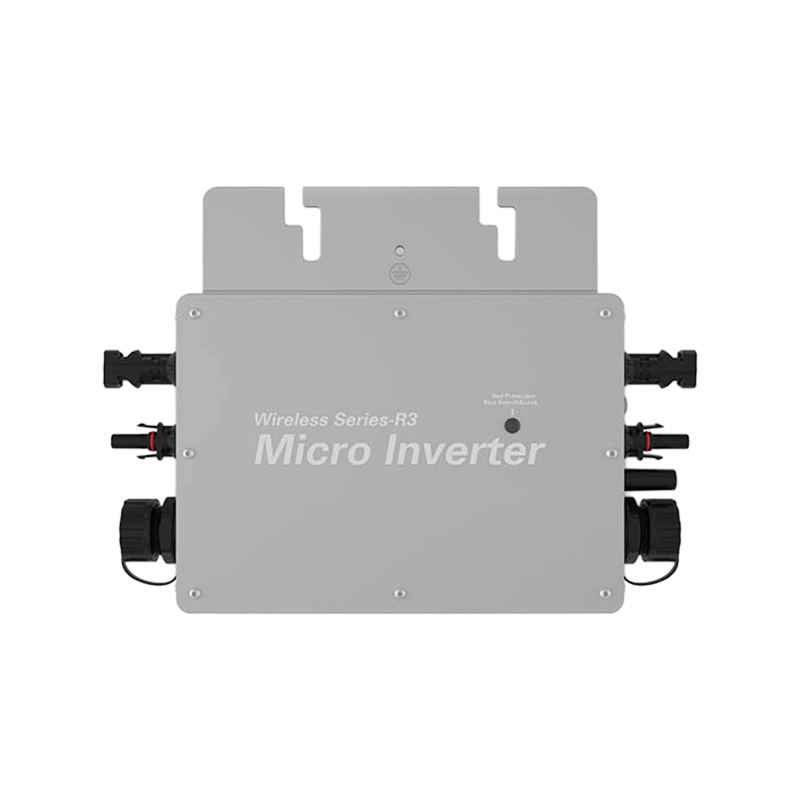
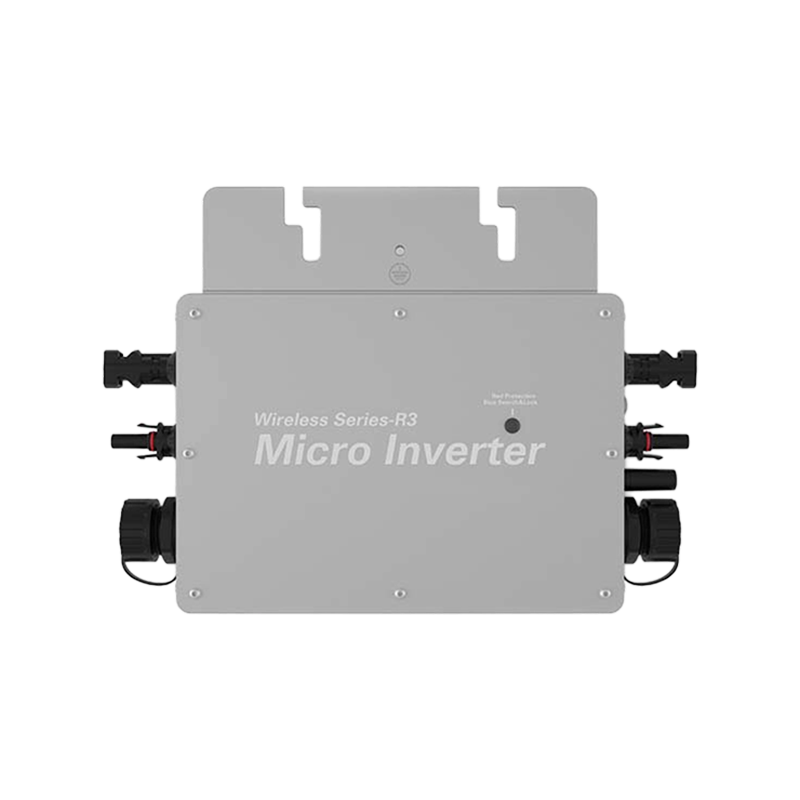
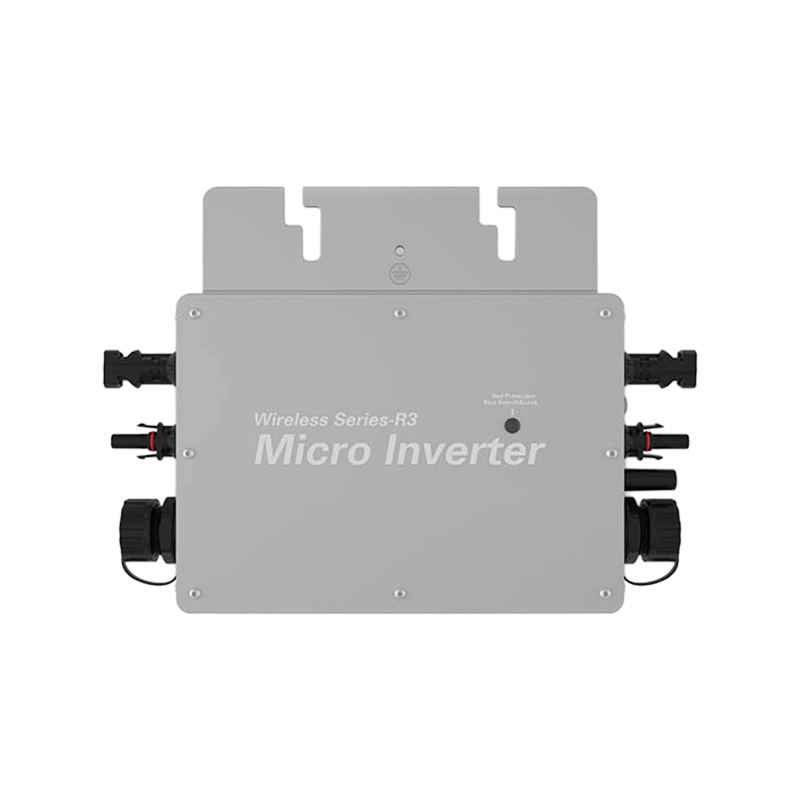
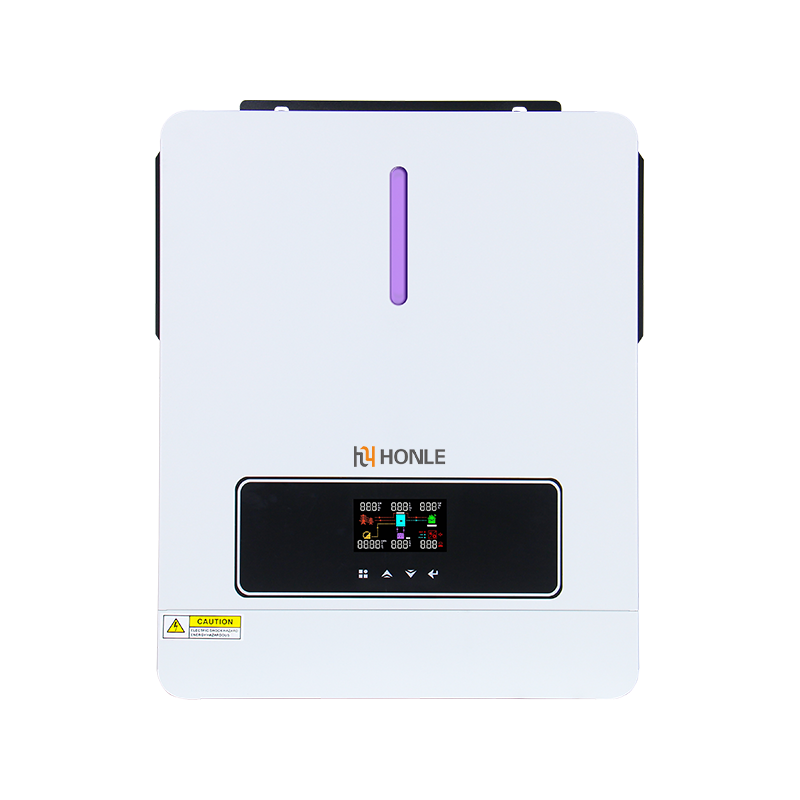
A solar microinverter is a power conversion device installed on a single PV module or a small group of modules. It directly converts direct current (DC) into alternating current (AC) and enables independent operational control at the module level.
Compared to traditional centralized or string inverters, the defining characteristic of microinverters is their modular nature. Each PV panel features independent Maximum Power Point Tracking (MPPT), meaning that even if some modules suffer from shading, soiling, or performance degradation, the output of the entire system remains unaffected. This architecture makes solar microinverters particularly well-suited for scenarios involving complex roof layouts, frequent shading, or constrained installation conditions.
From System Efficiency to Generation Yield: Fundamental Improvements Driven by Structural Change
In traditional PV systems, all modules operate in series, meaning overall efficiency is often limited by the weakest panel. For instance, a single module shaded by a tree can cause the output of the entire string to drop.
Solar microinverters fundamentally alter this logic. They allow each module to think independently and operate at its optimal state. This module-level optimization not only boosts total power generation but also significantly enhances system stability and the predictability of returns.
For investors, this improvement is not merely theoretical; it translates directly into increased generation hours and reduced operations and maintenance (O&M) costs.
Real-World Value in Complex Application Scenarios
As PV application scenarios expand, installation environments are becoming increasingly complex—ranging from the diverse roof structures of urban buildings and frequently changing shading patterns in agrivoltaic projects to the equipment-dense rooftops of commercial and industrial facilities.
In these environments, the advantages of solar microinverters are particularly evident. They enable the system to maintain high overall efficiency even in the presence of localized shading or performance variations between modules. Furthermore, the lower system voltage significantly enhances safety, making these systems particularly suitable for residential and commercial applications with stringent safety requirements.
Microinverter systems are generally easier to scale; users can incrementally increase installed capacity based on their budget and needs. This flexibility further boosts their market appeal.
Upgrading Energy Management in the Era of Smart Technology
Modern solar microinverters are more than just power conversion devices; they are integral components of smart energy management systems. Through built-in communication modules, users can monitor the operating status of each photovoltaic (PV) module in real-time, tracking metrics such as power output, temperature fluctuations, and operational efficiency.
This visualized power plant model shifts operations and maintenance (O&M) from traditional manual inspections to data-driven analysis, drastically improving the efficiency of fault localization. If a specific module malfunctions, the system can quickly identify and pinpoint the issue, preventing the entire system from operating inefficiently over the long term.
Amid the trend toward energy digitalization, this capability for granular management is becoming a standard feature of distributed PV systems.
Technical and Manufacturing Strengths of Honle New Energy Technology Co., Ltd.
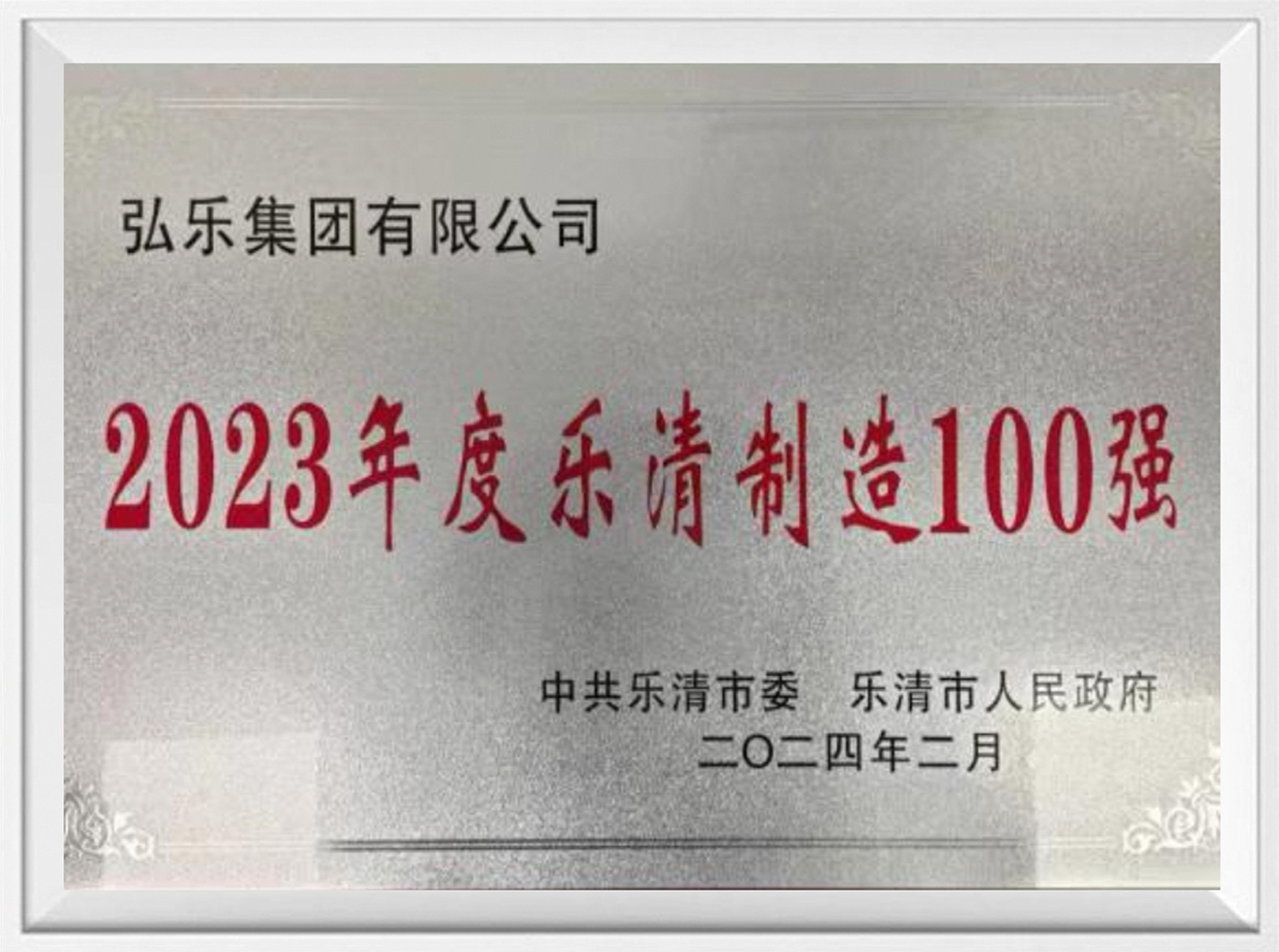
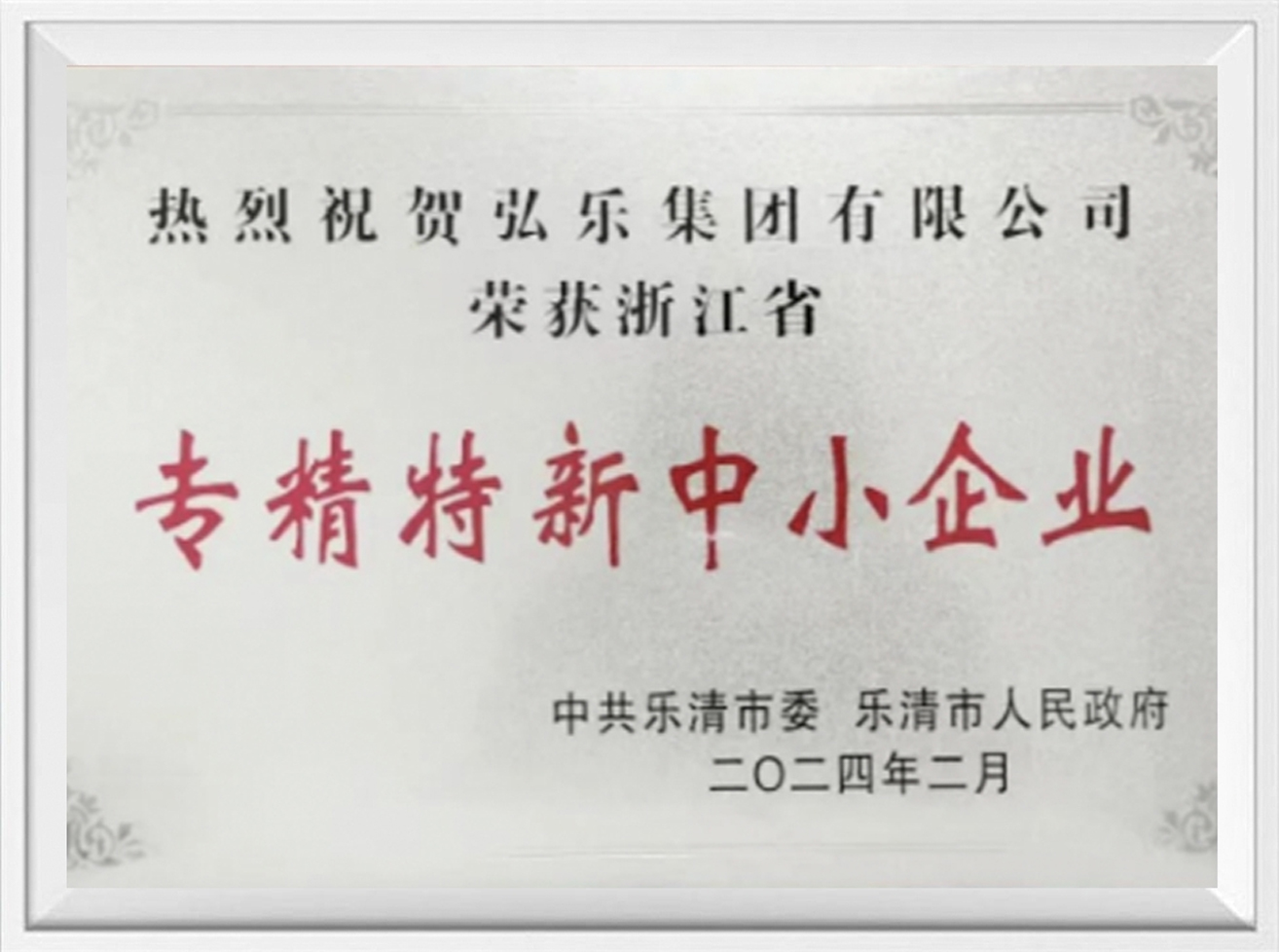
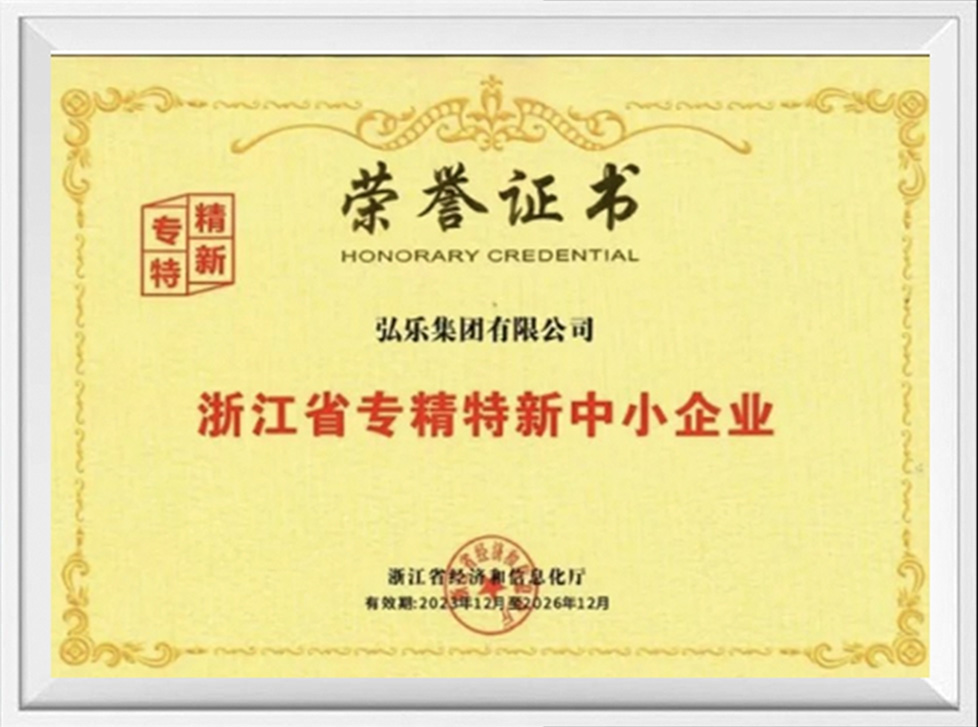
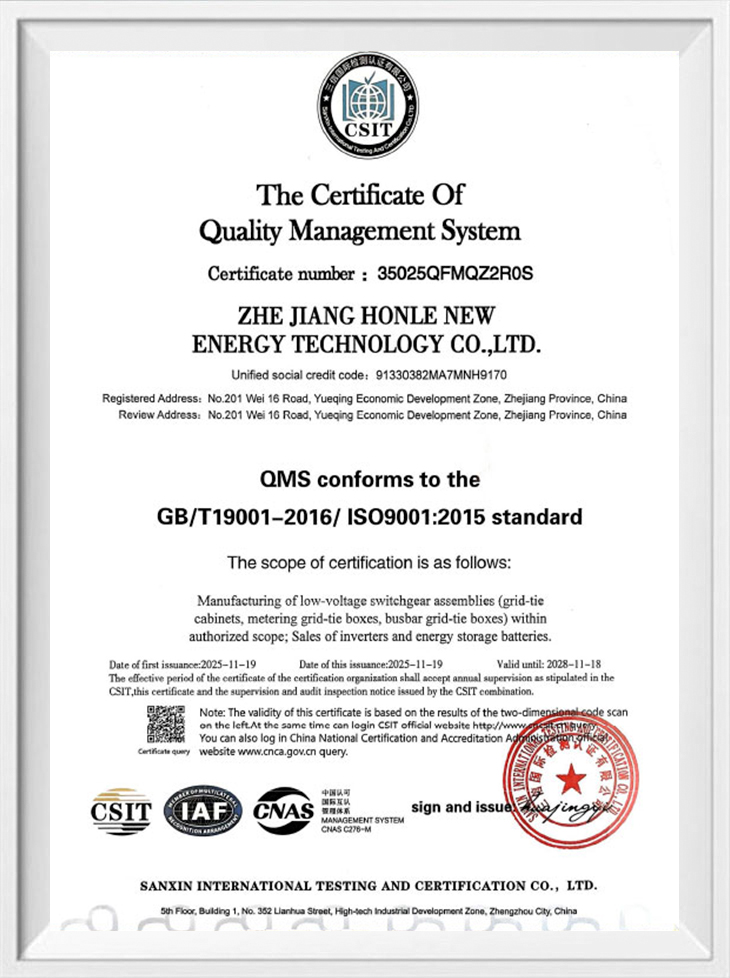
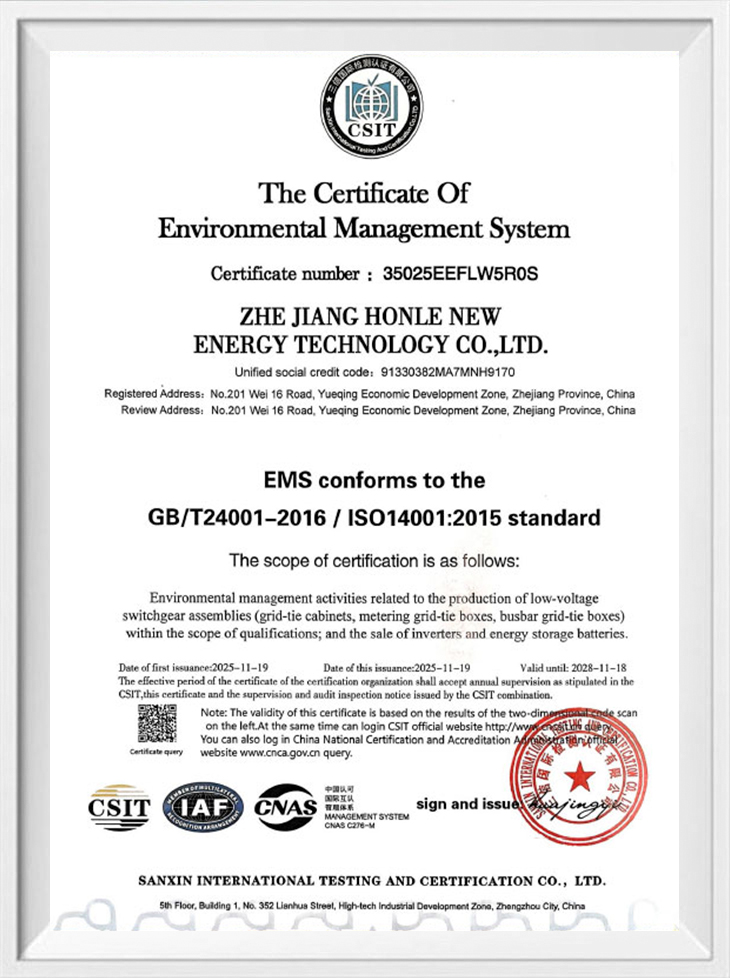
In the solar microinverter sector, stable, reliable manufacturing capabilities are just as crucial as the ability to provide system-level solutions. As a key subsidiary of the Honle Group, Honle New Energy Technology Co., Ltd. draws on over two decades of experience in the power and new energy industries, establishing itself as a globally recognized supplier of new energy products and solutions.
The company focuses on delivering sustainable, eco-friendly energy systems. Its business spans key markets—including Uzbekistan, the UAE, Indonesia, Tanzania, and Côte d'Ivoire—resulting in extensive experience with international projects.
Leveraging advanced international production facilities and an annual production capacity base of approximately 66,000 square meters, Honle New Energy provides stable, high-efficiency solar microinverters and related PV system solutions to customers worldwide. Its products serve a wide range of applications, from residential home systems and small-scale commercial projects to large-scale distributed energy installations.
The company goes beyond supplying individual devices, building comprehensive energy solution ecosystems tailored to customer needs. These include PV system design, integration with energy storage products, and customized energy management strategies, all aimed at helping customers achieve higher investment returns and superior energy utilization efficiency.
FAQ
Q1: Are solar microinverters suitable for home use?
Yes, they are highly suitable—especially for residential systems with complex roof structures or shading issues—as they can significantly improve power generation efficiency and safety.
Q2: Are microinverters more expensive than traditional inverters?
While the initial cost is typically slightly higher, the overall lifecycle return is often superior due to increased power generation and reduced maintenance costs.
Q3: Is it easy to pinpoint system faults?
Yes, solar microinverter systems feature module-level monitoring capabilities, allowing for the rapid identification of problematic modules.
Q4: Can the PV system be expanded later?
Yes, microinverter systems support modular expansion, making them ideal for phased investment.
Q5: Can Honle New Energy provide customized solutions?
Yes, the company possesses robust R&D and manufacturing capabilities, enabling the provision of customized solar microinverters and system solutions tailored to specific market and project requirements.





 English
 Français
 Español