Battery Chemistry Compatibility and Charge Curve Management
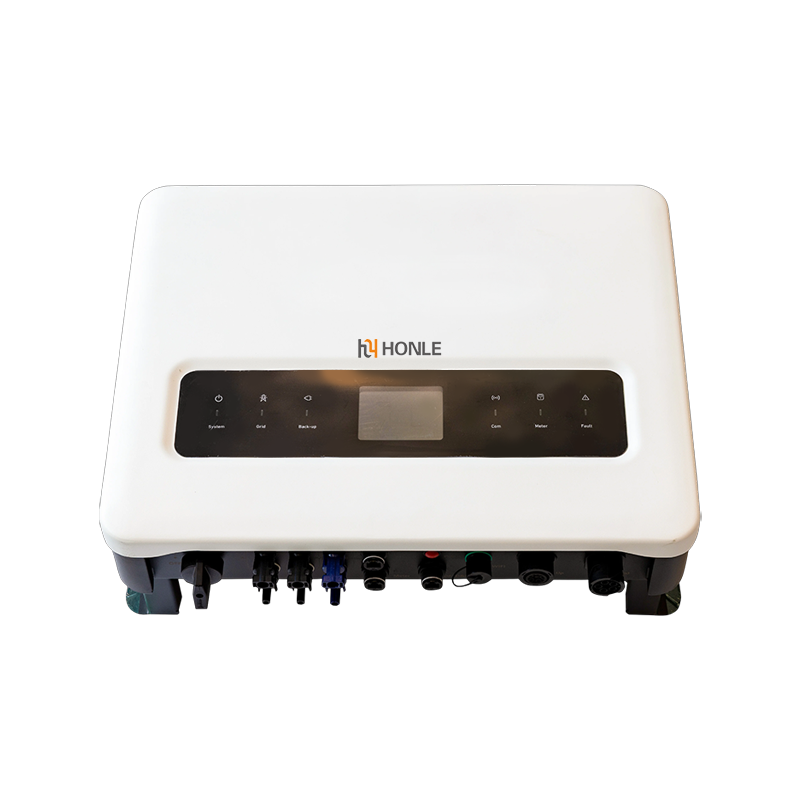
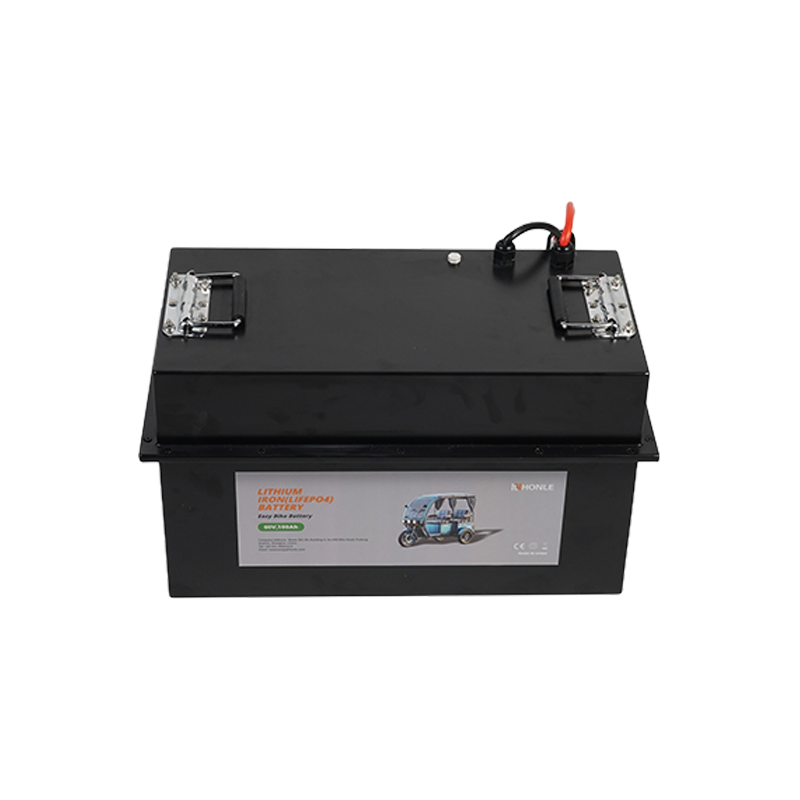
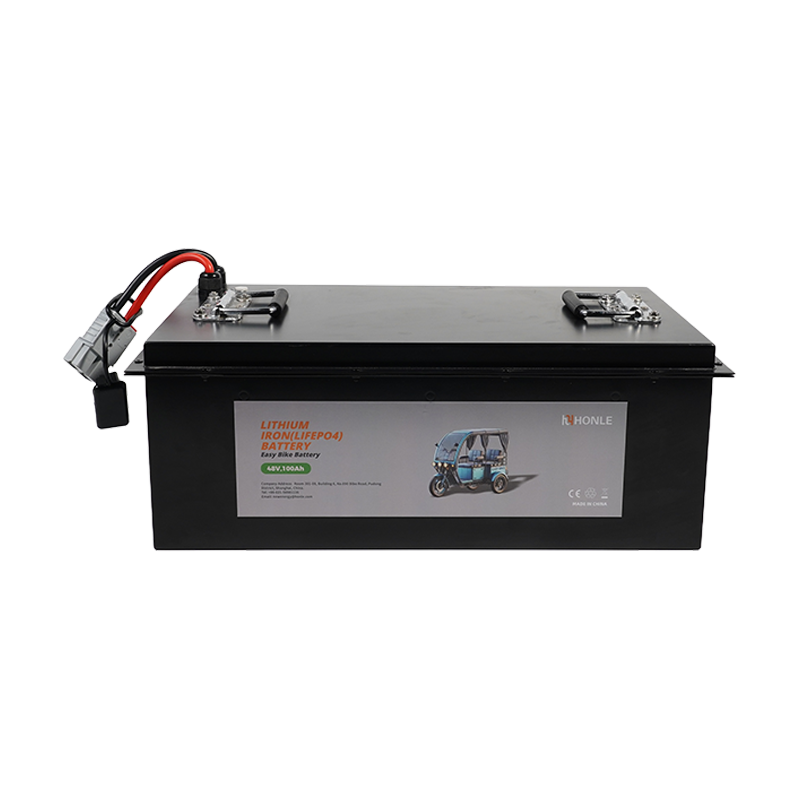
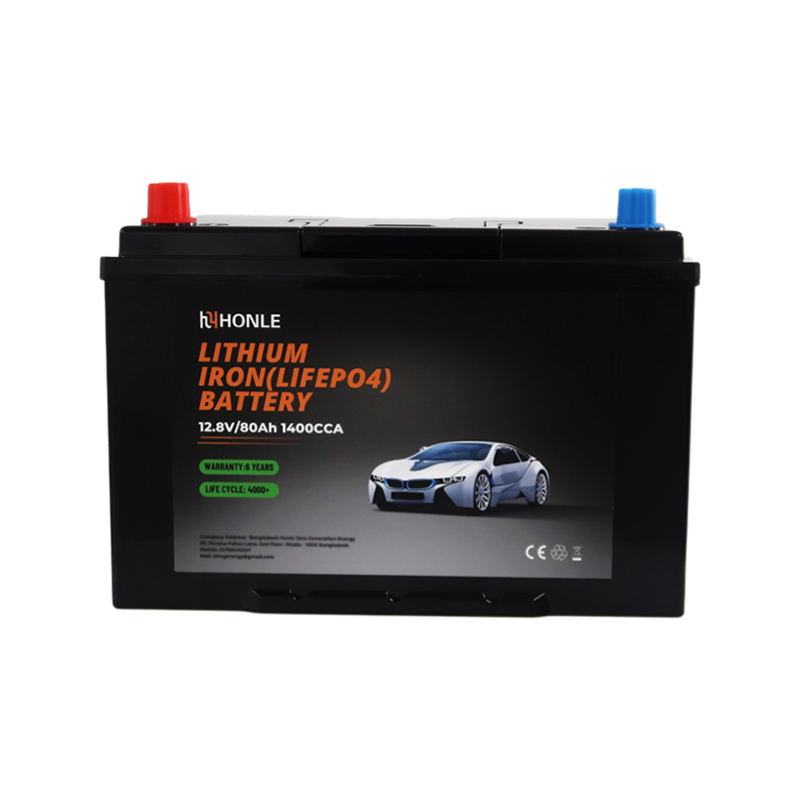
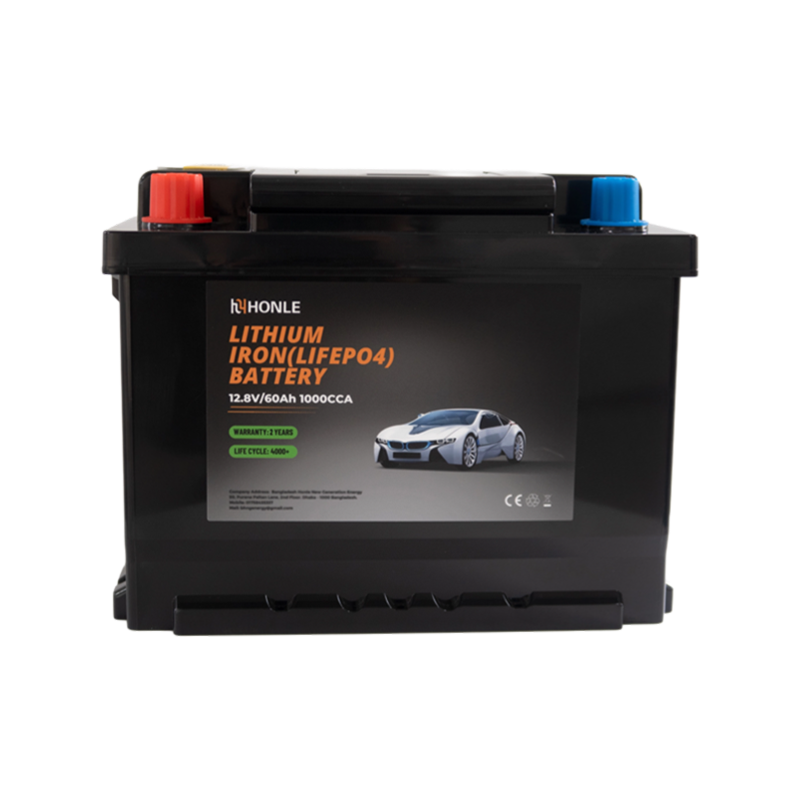
At Honle New Energy, one of the most common technical questions we field from installers concerns battery compatibility. A capable Storage Hybrid Inverter cannot simply push a fixed charge profile into any battery bank — lithium iron phosphate (LiFePO4), lead-acid, and older lithium-ion NMC packs each demand distinct voltage thresholds, absorption stages, and temperature compensation curves to charge safely and reach full cycle life.
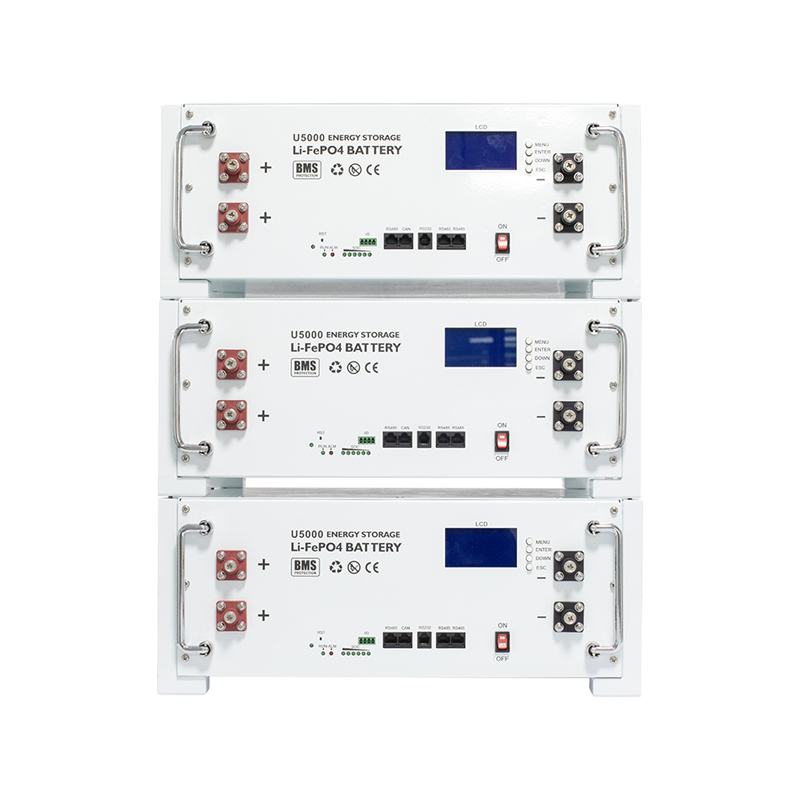
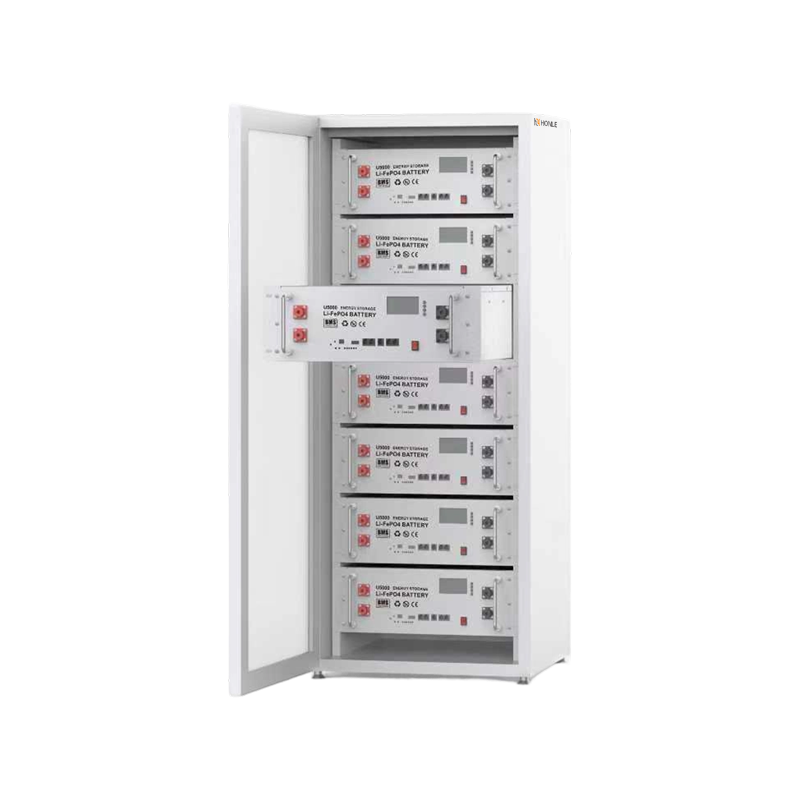
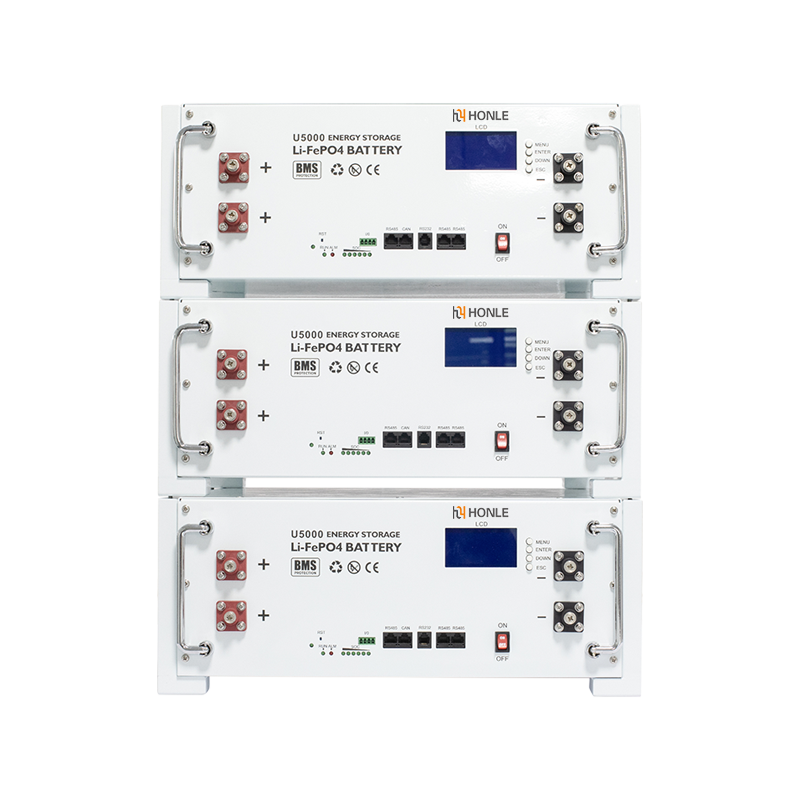
LiFePO4 batteries, now dominant in new installations, tolerate a narrower voltage window but deliver over 6,000 cycles at 80% depth of discharge when charged correctly, compared to roughly 500-1,000 cycles for flooded lead-acid under similar conditions. Getting the charge algorithm wrong — overshooting absorption voltage or skipping equalization stages — can shave years off a battery bank's usable life regardless of how well the panels themselves perform.
This is why battery management system (BMS) communication matters as much as the charge curve itself. CAN bus or RS485 handshaking between inverter and battery pack allows real-time exchange of state-of-charge, temperature, and cell-balancing data, letting the inverter throttle charge current dynamically rather than relying on a static assumption that may not match actual pack conditions.
Self-Consumption Logic and Load Prioritization Algorithms
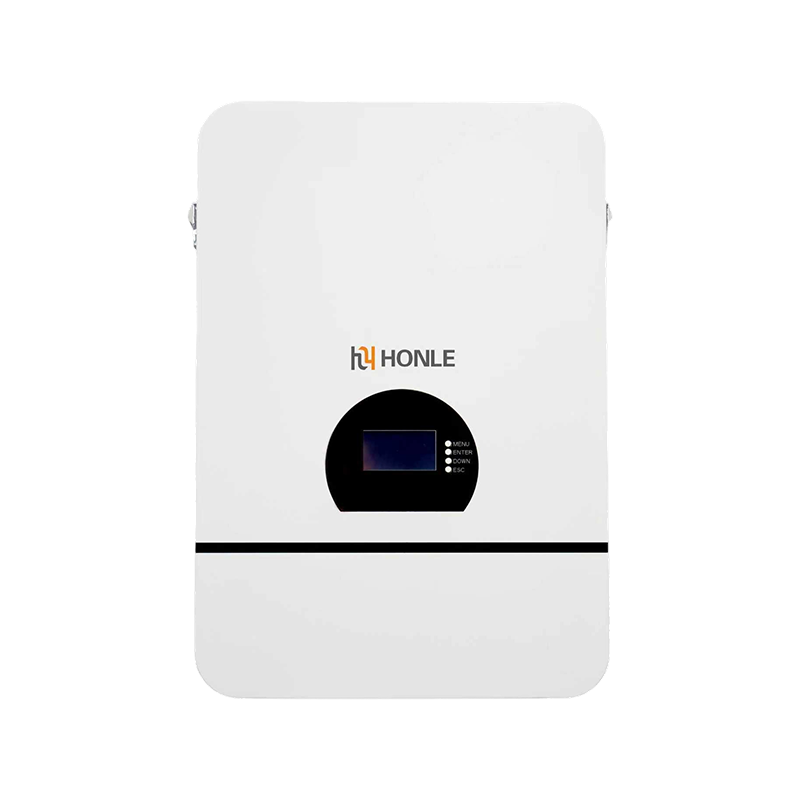
Maximizing self-consumption is rarely as simple as "use solar first." A well-tuned Smart Solar Hybrid Inverter runs continuous forecasting logic, weighing current PV generation against battery state of charge, historical load patterns, and in more advanced setups, time-of-use electricity tariffs to decide whether surplus power should charge the battery, export to grid, or divert to a controllable load such as a water heater.
Engineers working with Honle New Energy design these decision trees to prioritize critical loads first during grid outages, an approach that matters most in regions with frequent load-shedding, before allocating remaining capacity to secondary circuits. Systems configured with proper load prioritization typically reduce grid dependency by 40-60% in residential settings, depending on local irradiance and consumption habits.
Seasonal variation complicates this further. A load-prioritization scheme tuned for summer generation surplus may leave batteries under-charged during shorter winter days, so adaptive algorithms that recalculate thresholds on a rolling basis tend to outperform fixed seasonal presets over a full annual cycle.
Grid Support Functions and Islanding Behavior
Beyond simple power conversion, modern hybrid units increasingly take on grid-support duties once reserved for utility-scale equipment. Reactive power injection, frequency-watt response, and voltage-ride-through capability allow a single residential or commercial unit to help stabilize local grid segments during minor disturbances rather than tripping offline at the first sign of instability.
Anti-islanding protection remains a mandatory safety function in nearly every grid code worldwide, requiring the inverter to detect a grid outage within a few hundred milliseconds and cease export to protect utility line workers. The technical challenge lies in distinguishing a genuine outage from a brief voltage sag, since overly sensitive detection causes nuisance trips that frustrate system owners and undermine confidence in the equipment.
Seamless transfer to backup mode during an actual outage — typically within 10-20 milliseconds for units built for this purpose — is what distinguishes true hybrid architecture from grid-tied equipment retrofitted with a battery, a distinction Honle New Energy factors into every specification for backup-critical deployments such as clinics, cold storage, and telecom sites.
Monitoring, Communication Protocols, and System Scalability
Long-term system health depends heavily on visibility. Real-time monitoring platforms that log power flow, battery cycling, and fault codes give installers a diagnostic trail that shortens troubleshooting time considerably compared to systems offering only a basic status light.
Communication standards also determine how easily a project can grow. Units supporting open protocols such as Modbus TCP or common cloud APIs integrate more readily into building management systems and third-party energy platforms, whereas closed proprietary ecosystems can limit future expansion or complicate multi-brand installations.
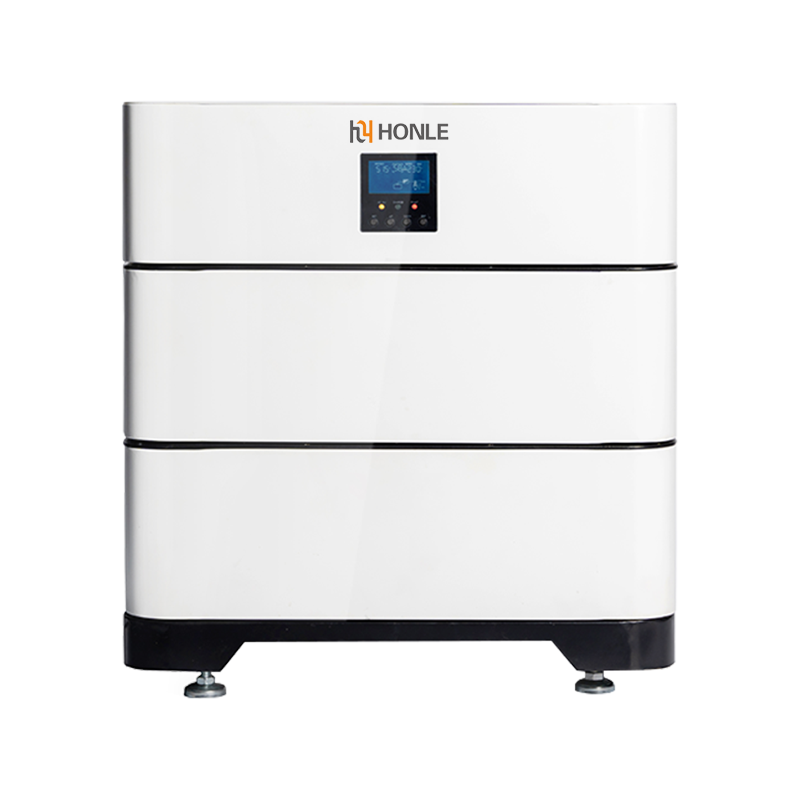
Scalability planning matters most at the design stage of a larger Hybrid Solar Energy System, where a project may start with a single residential-scale unit and later expand into a multi-inverter commercial array. Choosing equipment with parallel-stacking support and consistent firmware compatibility from the outset avoids costly replacement cycles as capacity requirements grow over a facility's lifetime.





 English
 Français
 Español