How Do On-Grid Solar Inverters Drive the Energy Transition and Enable Efficient Power Generation?
Amidst the accelerating global shift in energy structures, solar power is emerging as one of the most promising sources of clean energy. Within a photovoltaic (PV) system, the on-grid solar inverter serves as the critical link between solar power generation and the public grid; it directly determines generation efficiency, system stability, and the investment payback period.
What Is an On-Grid Solar Inverter?
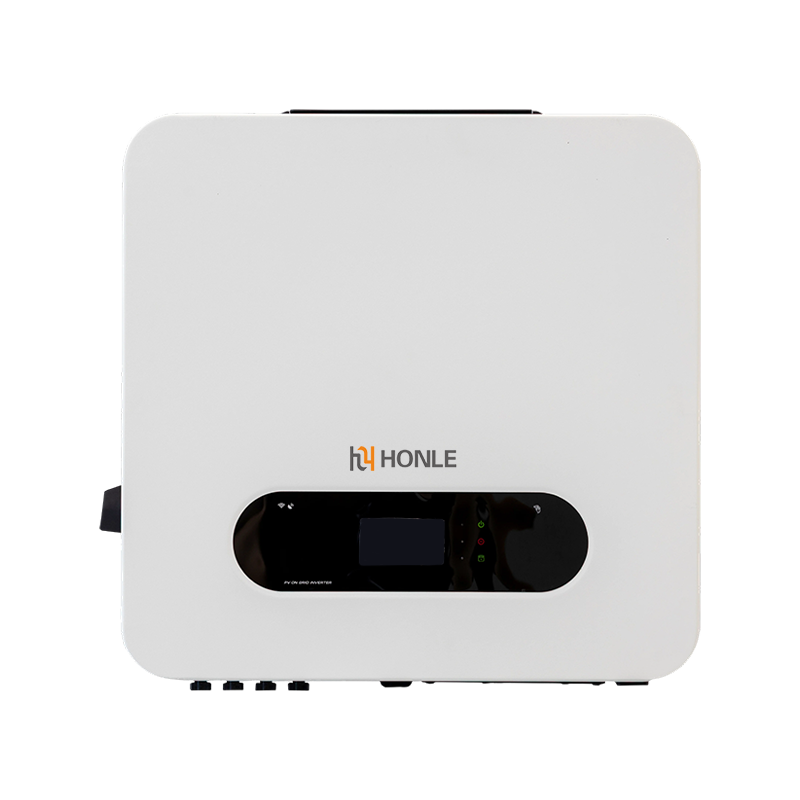
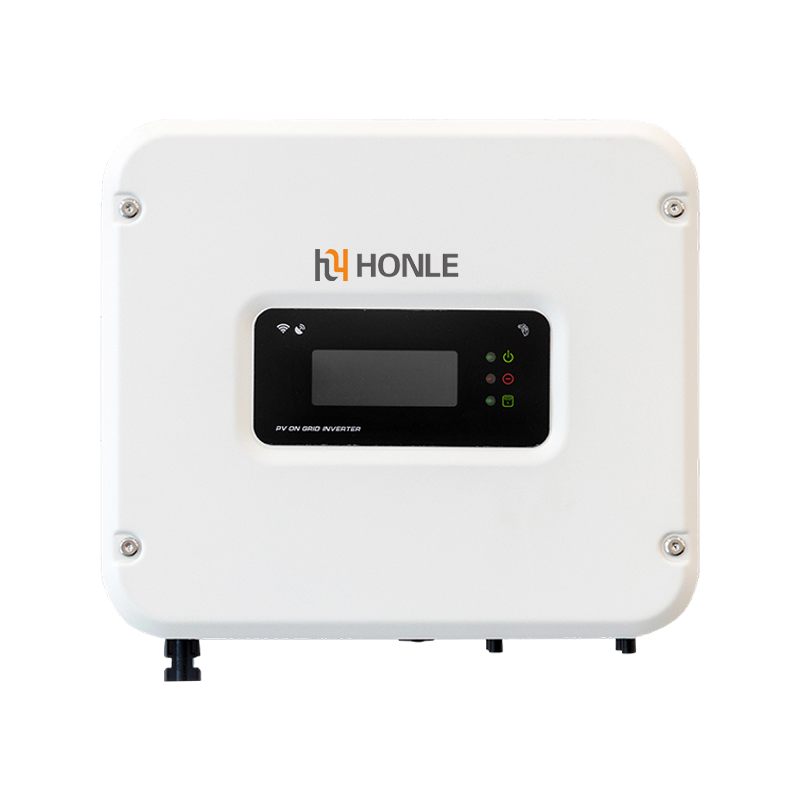
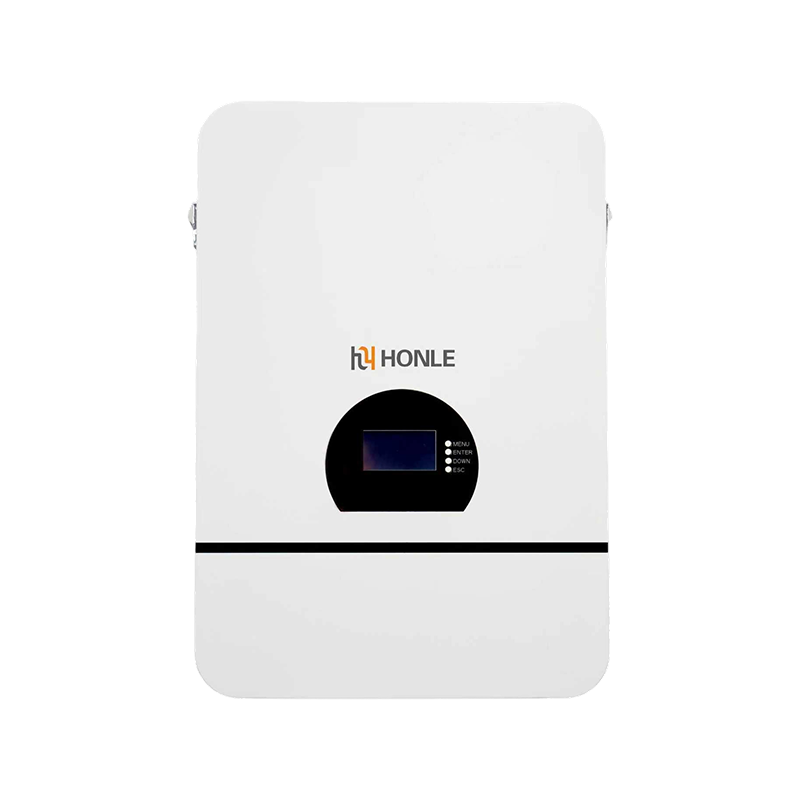
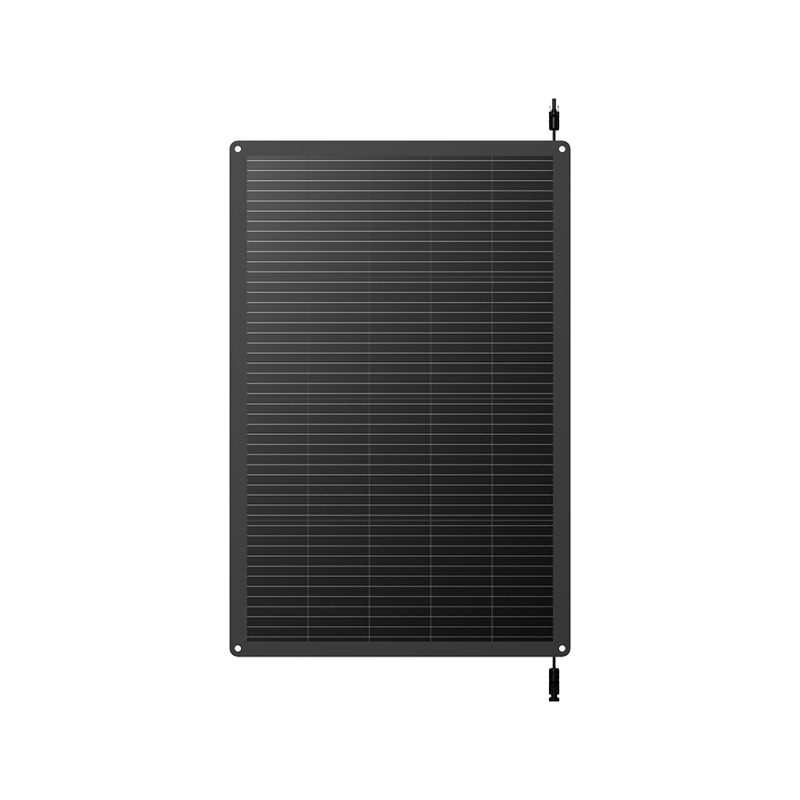
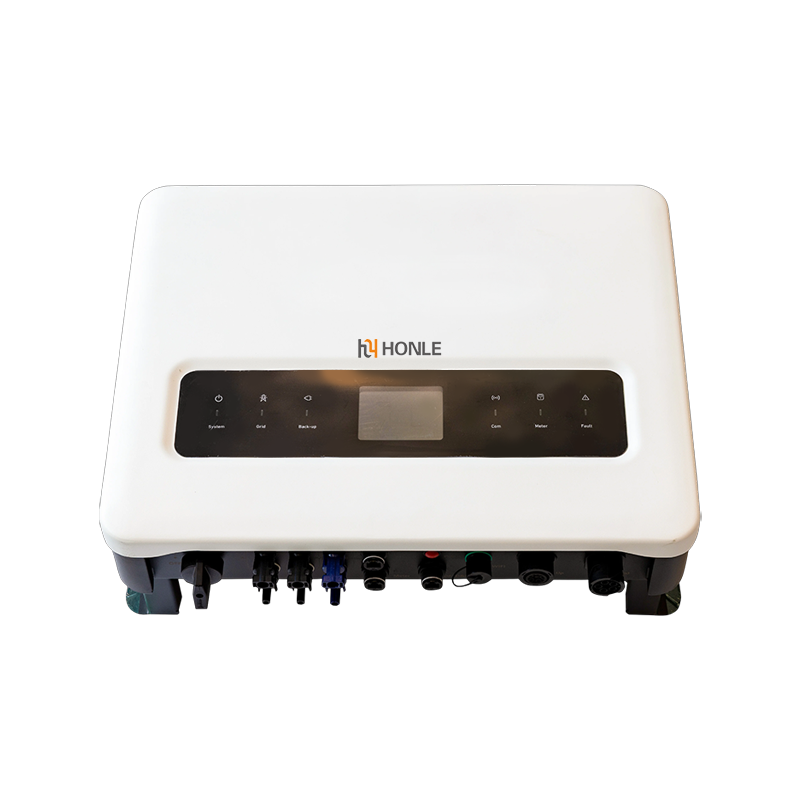
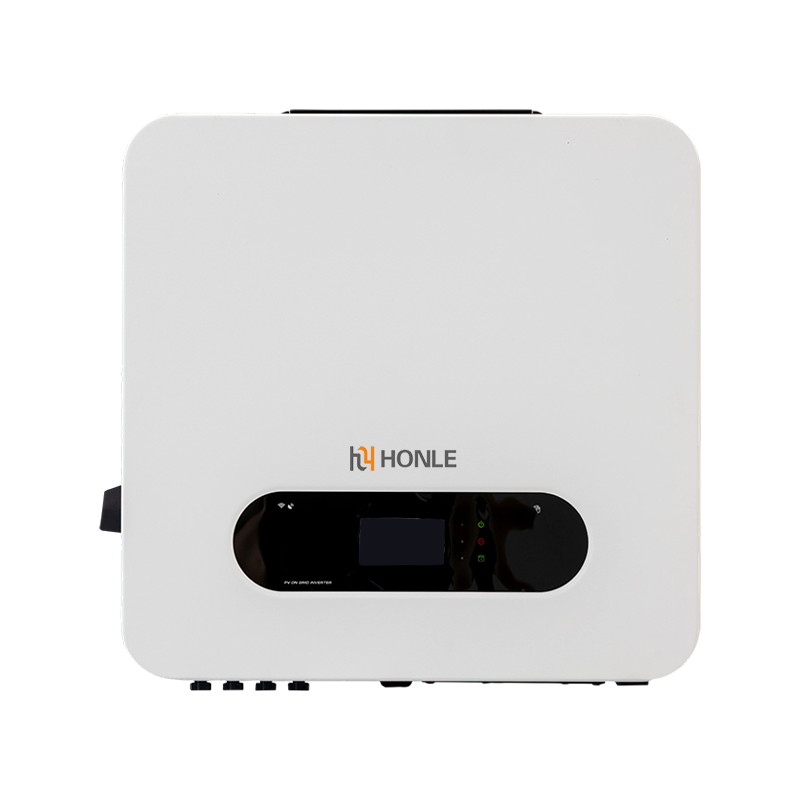
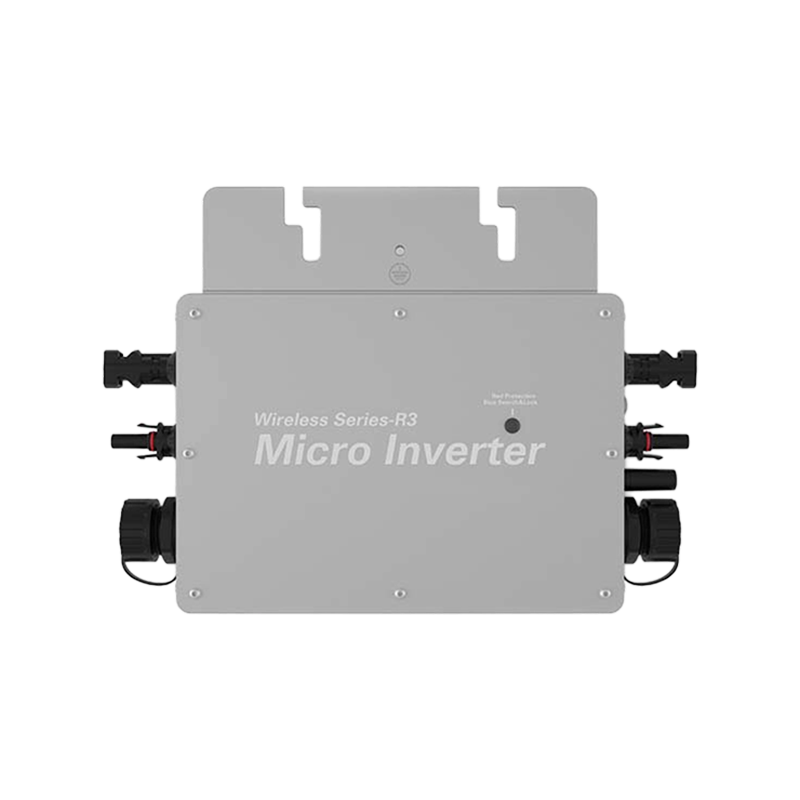
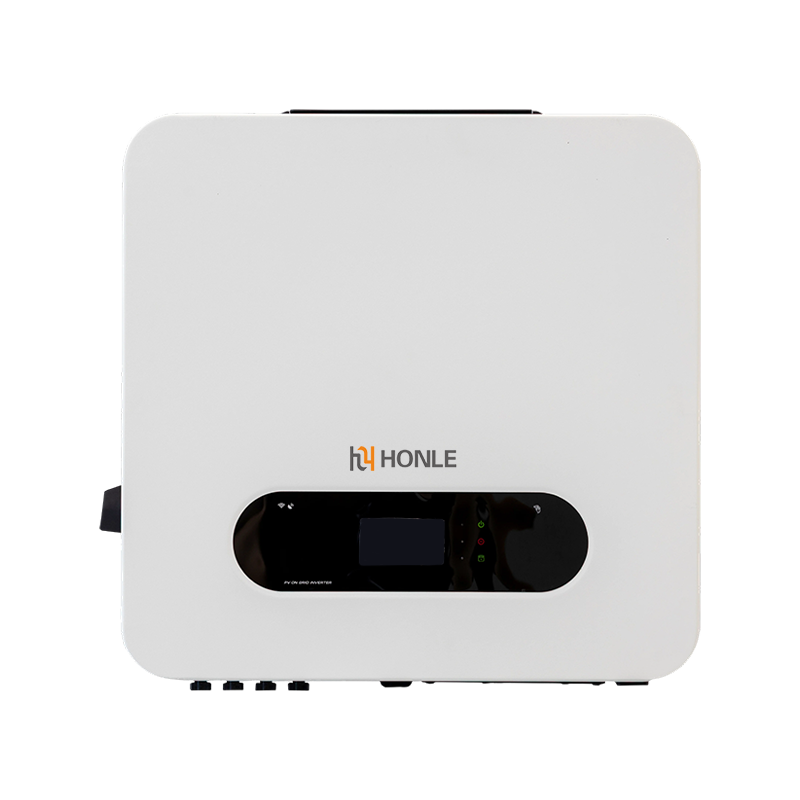
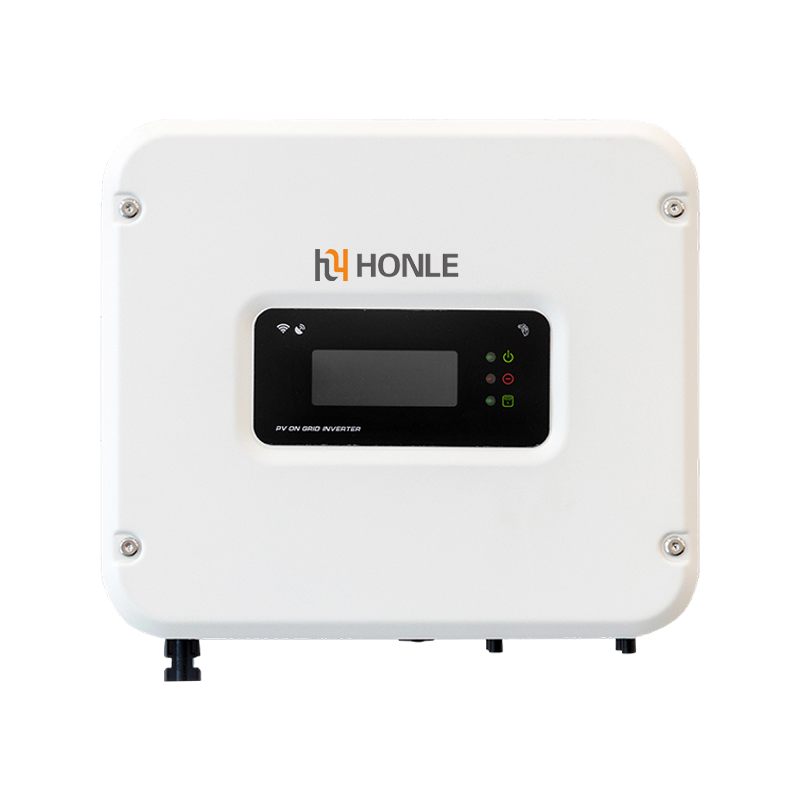
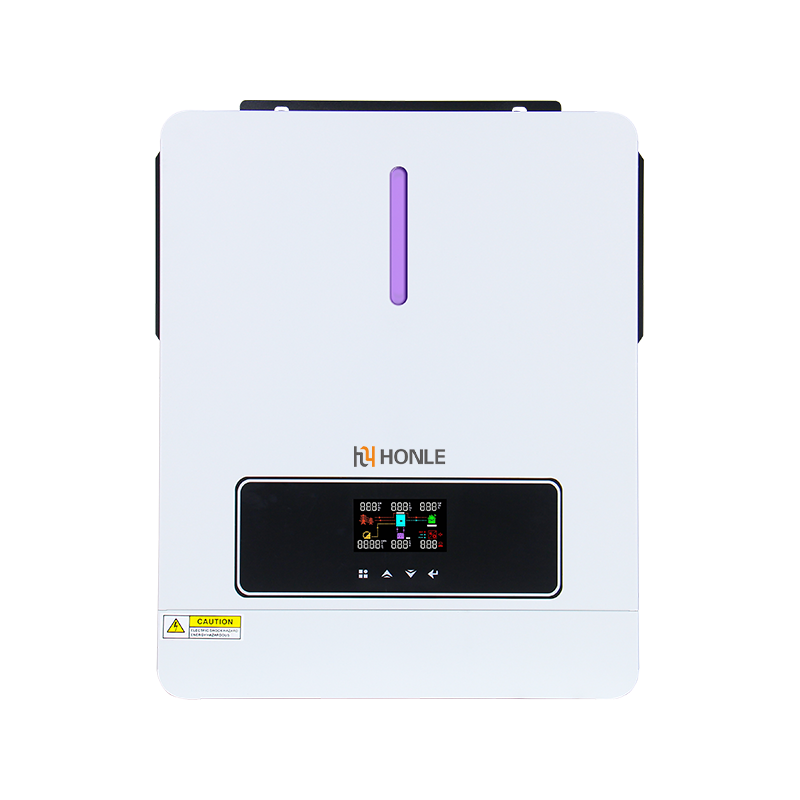
An on-grid solar inverter is a device that converts the direct current (DC) generated by solar panels into alternating current (AC) and feeds it directly into the public grid. Unlike off-grid systems, it does not rely on battery storage; instead, it utilizes intelligent controls to feed generated power immediately into the grid.
This configuration offers advantages such as system simplicity and reduced energy loss, while maximizing the economic returns of solar power generation. Consequently, it is widely used in industrial power plants, commercial rooftop installations, and large-scale ground-mounted PV projects.
Core Operating Principles of On-Grid Solar Inverters
From a technical standpoint, the primary function of an on-grid inverter extends beyond mere current conversion to encompass complex intelligent control capabilities.
Maximum Power Point Tracking (MPPT)
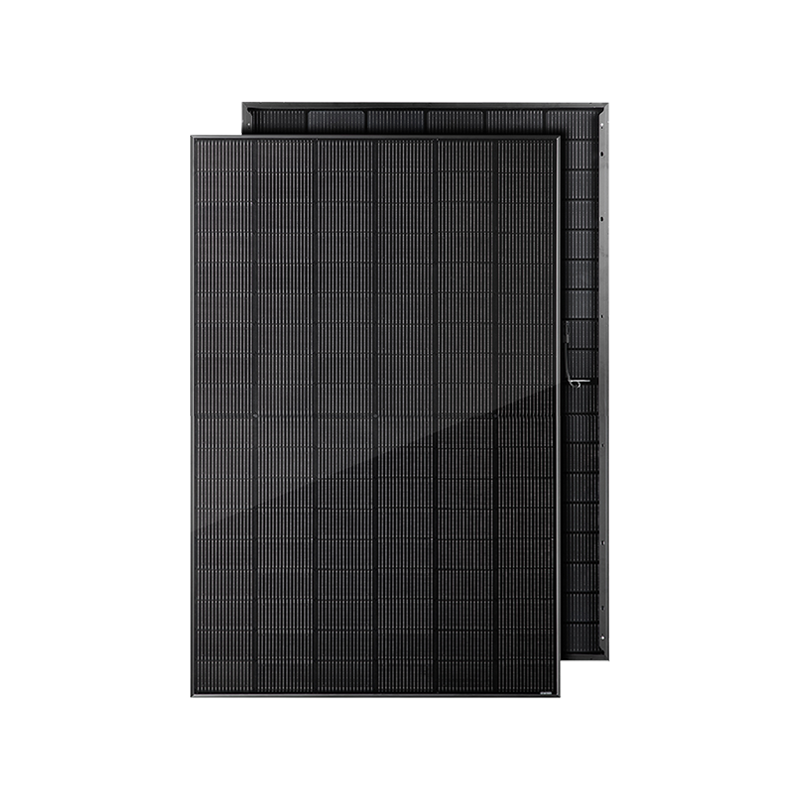
Once PV modules generate DC electricity under sunlight, the inverter performs Maximum Power Point Tracking (MPPT) to ensure the system consistently operates at peak efficiency.
Grid Synchronization and Power Conversion
Subsequently, the inverter converts the energy into AC electricity that is synchronized in frequency and phase with the grid, utilizing filtering and control systems to maintain stable power quality.
While this process may appear straightforward, it actually involves the sophisticated integration of power electronics, control algorithms, and grid synchronization technologies. Any deviation at any stage can impact the overall system efficiency.
Why Have On-Grid Solar Inverters Become the Mainstream Choice?
As global demand for clean energy rises, on-grid PV systems are becoming increasingly widespread. Compared to traditional energy sources or off-grid systems, on-grid solar inverters offer distinct advantages.
They enable a self-consumption with grid feed-in model, allowing users to reduce electricity costs while feeding surplus power back into the grid to maximize financial returns.
The absence of large-scale battery storage systems results in lower initial investment costs and simplified maintenance, significantly shortening the payback period for PV projects.
Modern on-grid inverters typically feature intelligent monitoring and remote management capabilities, making the operation and maintenance of power plants more efficient and transparent.
Technological Upgrades Reshaping the Industry Landscape
In recent years, on-grid solar inverters have evolved towards higher efficiency, intelligence, and modularity. Particularly in complex grid environments, inverters must not only ensure stable output but also possess grid-support capabilities—such as reactive power compensation, voltage regulation, and fault ride-through capabilities.
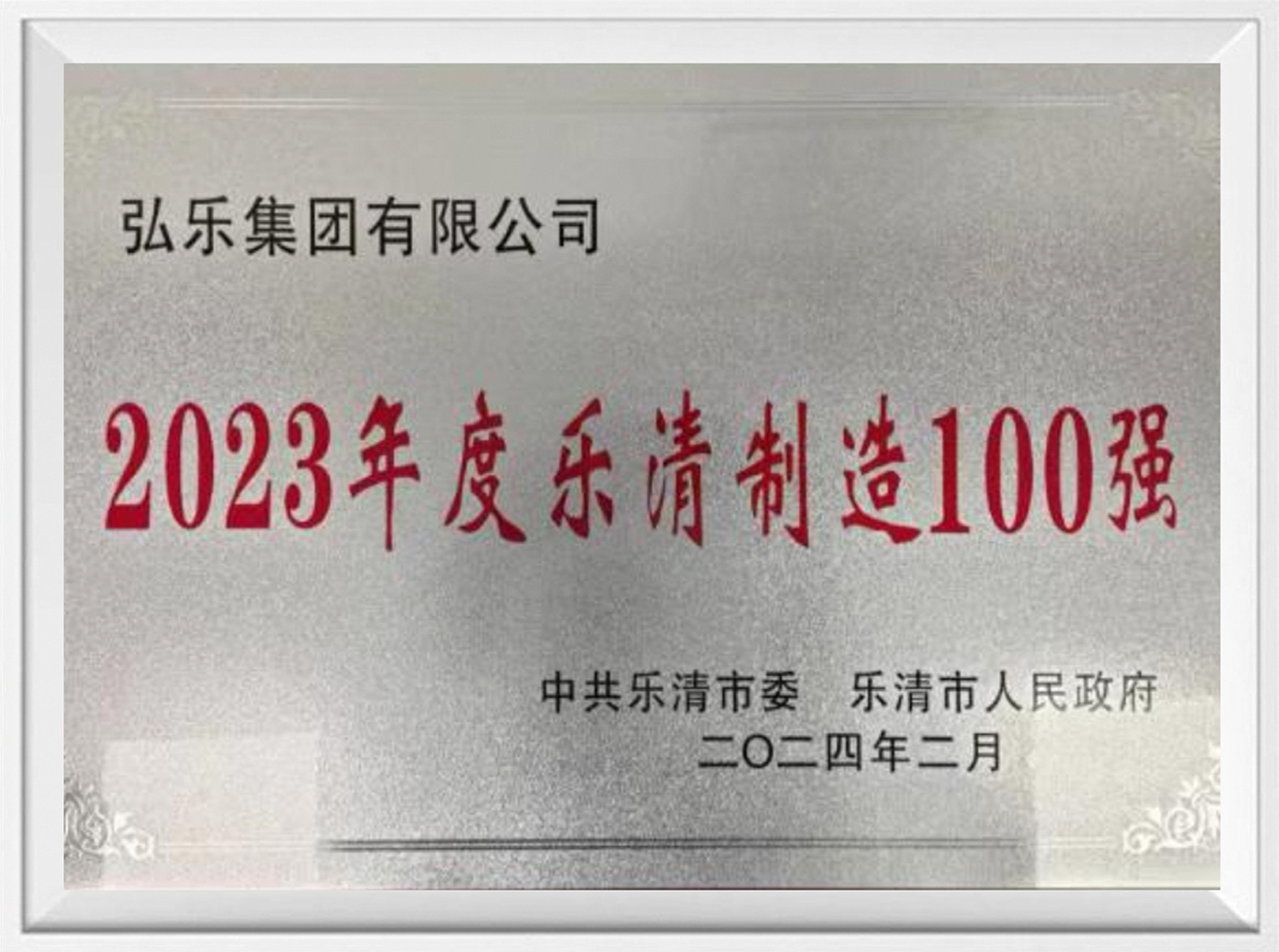
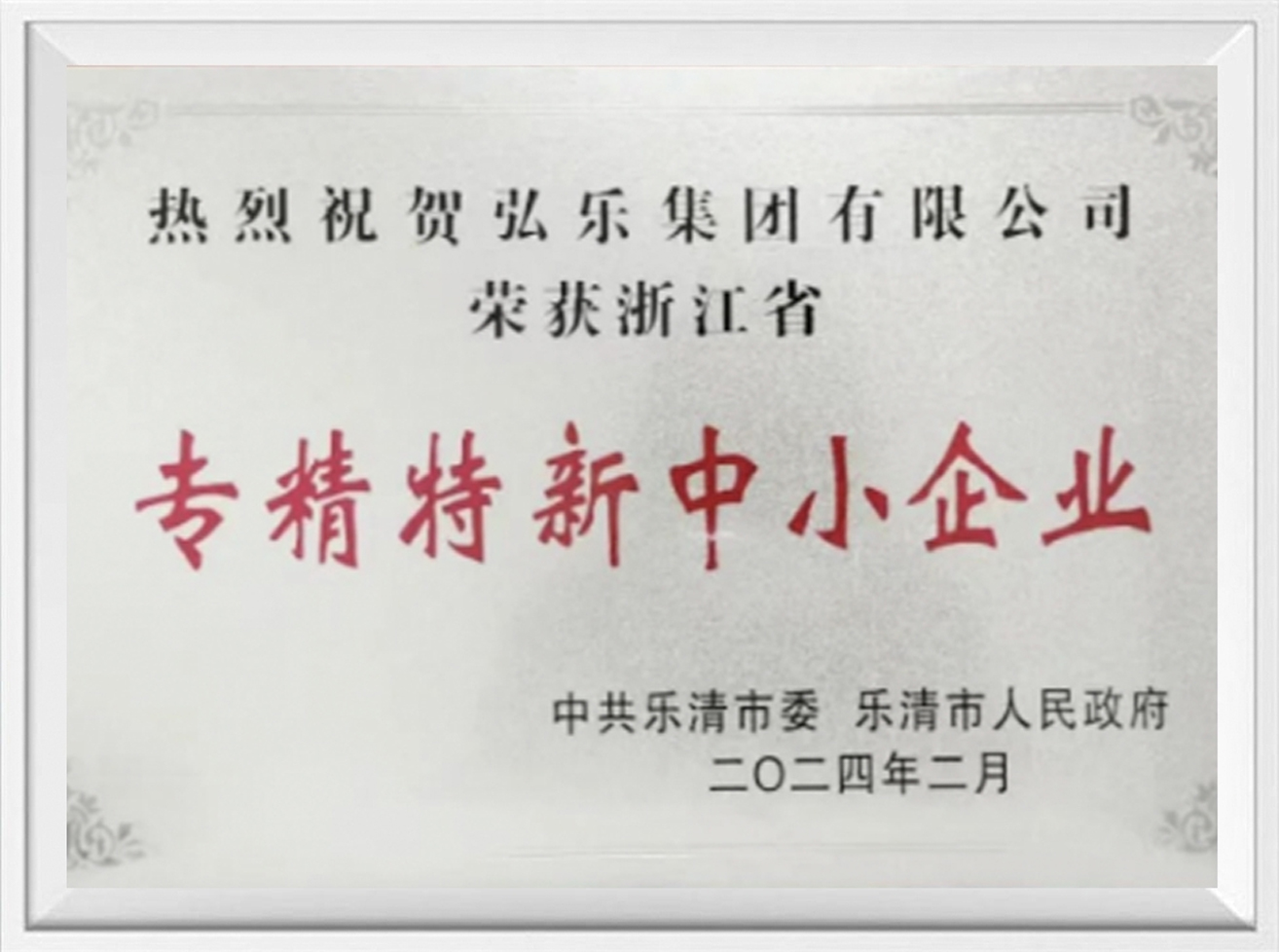
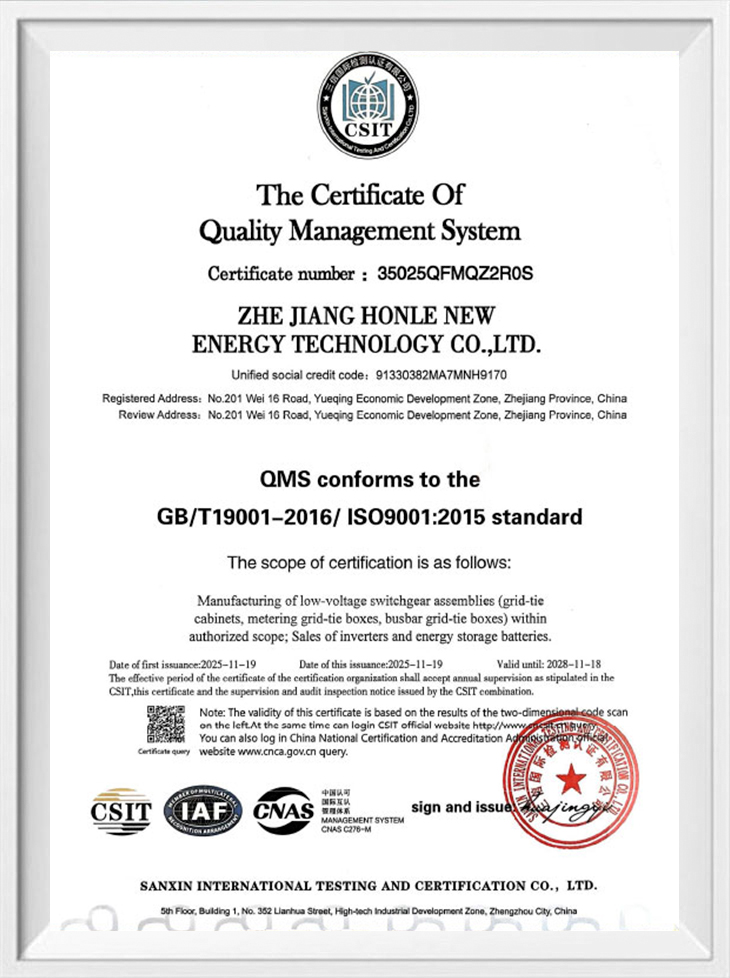
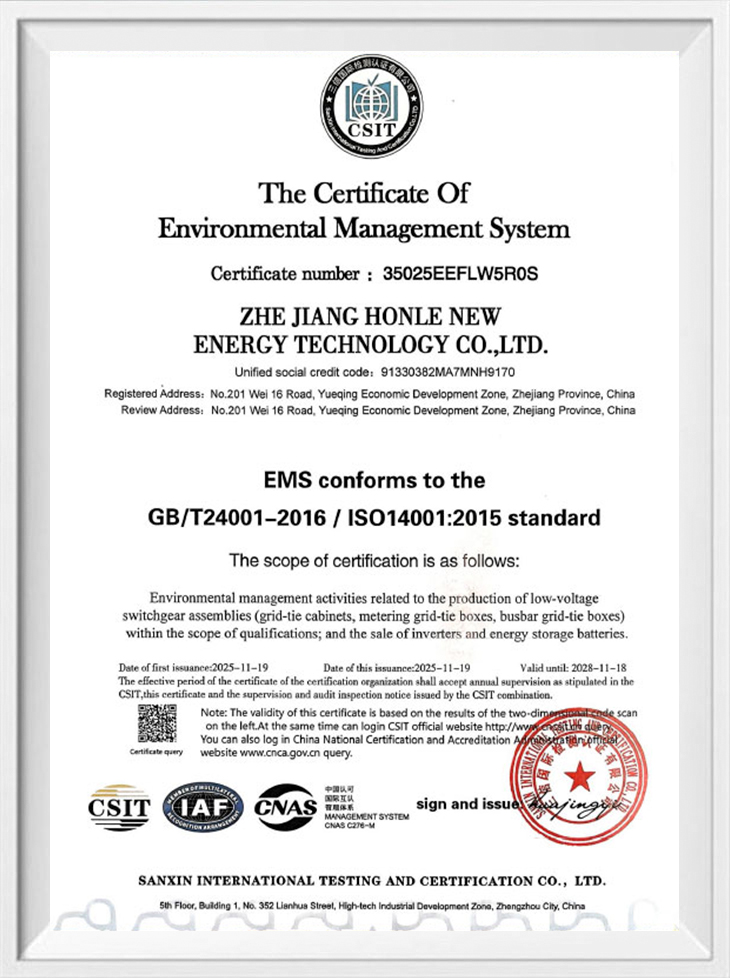
Amidst this trend, system integration capability has become a key benchmark for corporate competitiveness. Through continuous technological upgrades, Honle New Energy Technology Co., Ltd. is delivering increasingly reliable solutions to the global market.
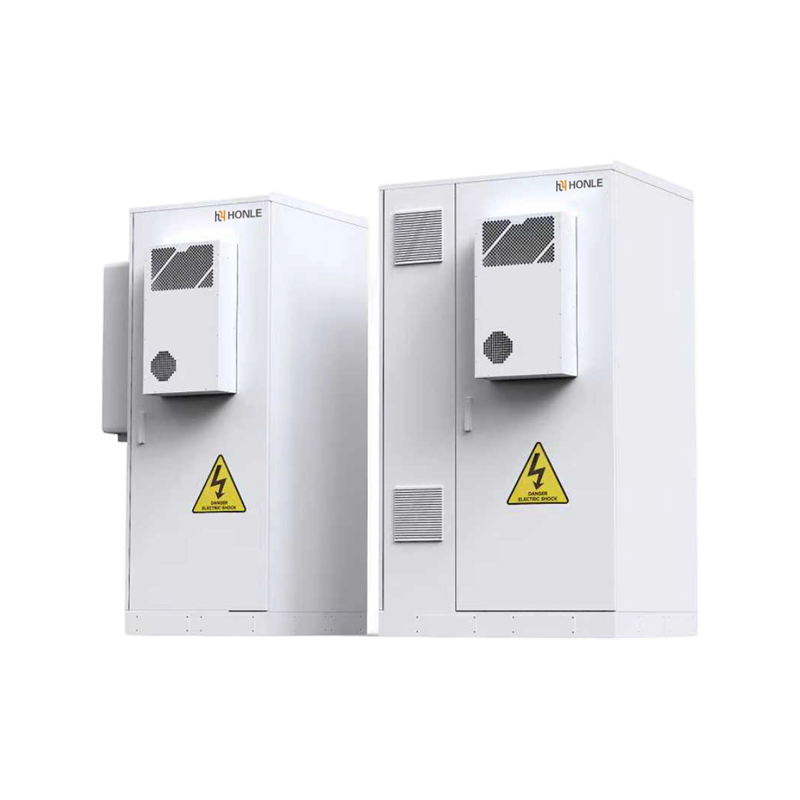
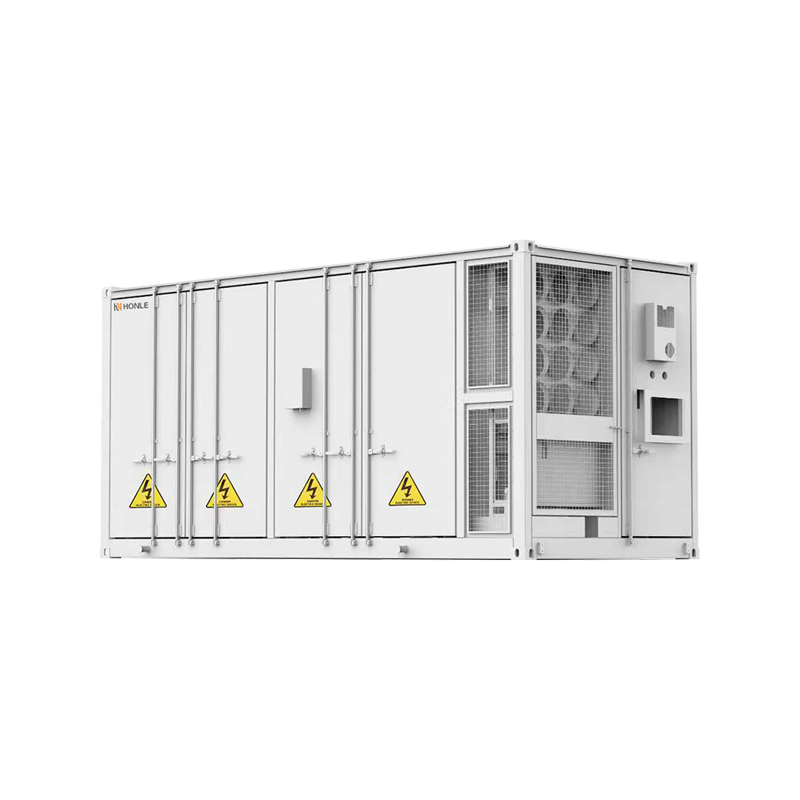
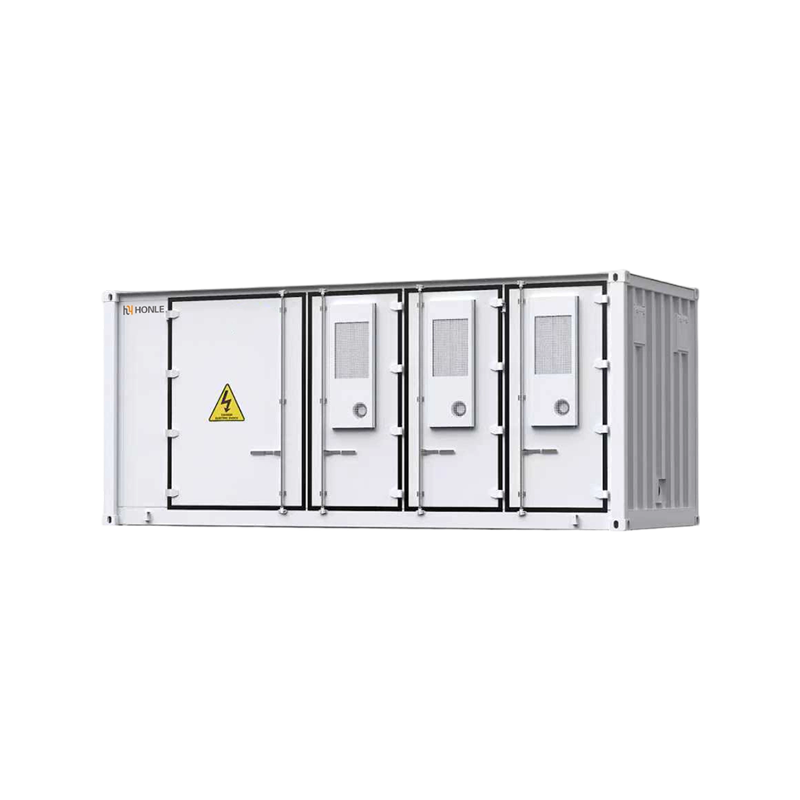
Leveraging advanced international-standard production facilities and an annual production capacity spanning 66,000 square meters, Honle New Energy continuously optimizes the synergistic design of solar and energy storage products, ensuring stable and efficient operation of grid-tied systems across diverse application scenarios.
Rapid Expansion of Global Application Scenarios
The application of on-grid solar inverters has expanded beyond traditional large-scale photovoltaic (PV) power plants into a much broader range of sectors.
In the residential sector, an increasing number of households are opting for rooftop PV systems; by utilizing grid-tied inverters, they achieve energy self-sufficiency while alleviating the burden of long-term electricity costs.
In the commercial sector, factories, shopping malls, and office buildings are actively deploying distributed PV systems to meet green operation goals.
In overseas markets—particularly in regions such as Uzbekistan, the UAE, Indonesia, Tanzania, and Côte d'Ivoire—abundant solar resources are driving the rapid growth of grid-tied PV systems. Leveraging its global footprint and extensive project experience, Honle New Energy provides customized energy solutions to these regions, helping customers harness renewable energy more efficiently.
The Importance of System Integration Capabilities and Customized Services
Grid standards, climatic conditions, and electricity consumption patterns vary significantly across different regions, necessitating a high degree of adaptability and flexibility in on-grid solar inverter systems.
In real-world projects, standardized products alone often fail to meet complex requirements. Consequently, engineering design and system integration capabilities are of paramount importance.
Honle New Energy emphasizes a project-oriented service model, providing customers with comprehensive solutions—from initial design to equipment delivery—through engineering technical support and flexible product configurations.
This approach not only enhances system compatibility but also ensures that project implementation is more efficient and controllable. The company also maintains an open approach to collaboration, flexibly adjusting solutions based on project scale and requirements to achieve optimal energy utilization.
FAQ
Q1: What is the difference between an on-grid solar inverter and an off-grid inverter?
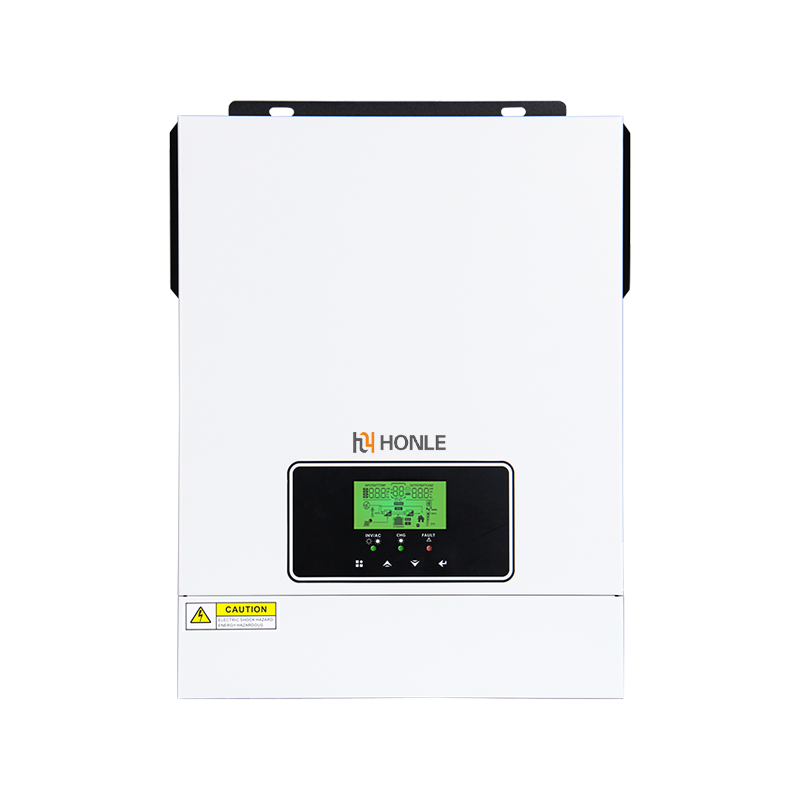
An on-grid inverter connects directly to the public grid and does not require battery storage, whereas an off-grid inverter relies on battery systems and is suitable for areas without grid access or with unstable power supply.
Q2: Can an on-grid system still store energy?
Yes. By adding an energy storage system, a hybrid PV + storage + grid-tied model can be implemented, enhancing flexibility in electricity usage.
Q3: What scenarios are on-grid solar inverters suitable for?
They are suitable for residential rooftops, commercial buildings, large-scale PV power plants, and industrial power projects.
Q4: What are the strengths of Honle New Energy Technology Co., Ltd.?
The company possesses an international production system, global market experience, and customized engineering service capabilities, enabling it to provide efficient and reliable new energy solutions to customers across different regions.





 English
 Français
 Español