How Can Floor Standing Energy Storage Reduce Electricity Costs?
As electricity prices continue to fluctuate and energy demand becomes increasingly unpredictable, reducing operating costs has become a priority for residential, commercial, and industrial users. One of the most effective solutions is floor standing energy storage, which enables users to store electricity when prices are low and use it when energy costs are higher.
Whether integrated with renewable energy sources or connected directly to the utility grid, a floor-type ESS cabinet provides intelligent energy management that improves power utilization, enhances energy independence, and reduces long-term electricity expenses. At the same time, a floor mounted energy storage battery offers flexible installation, scalable capacity, and reliable backup power, making it an increasingly popular choice across multiple applications.
What Is Floor Standing Energy Storage?
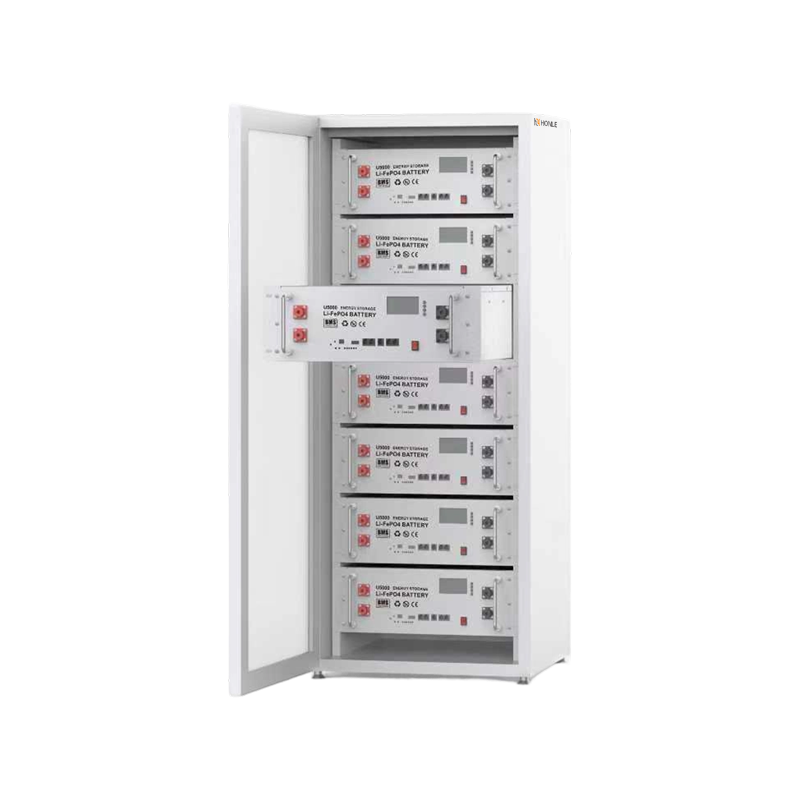
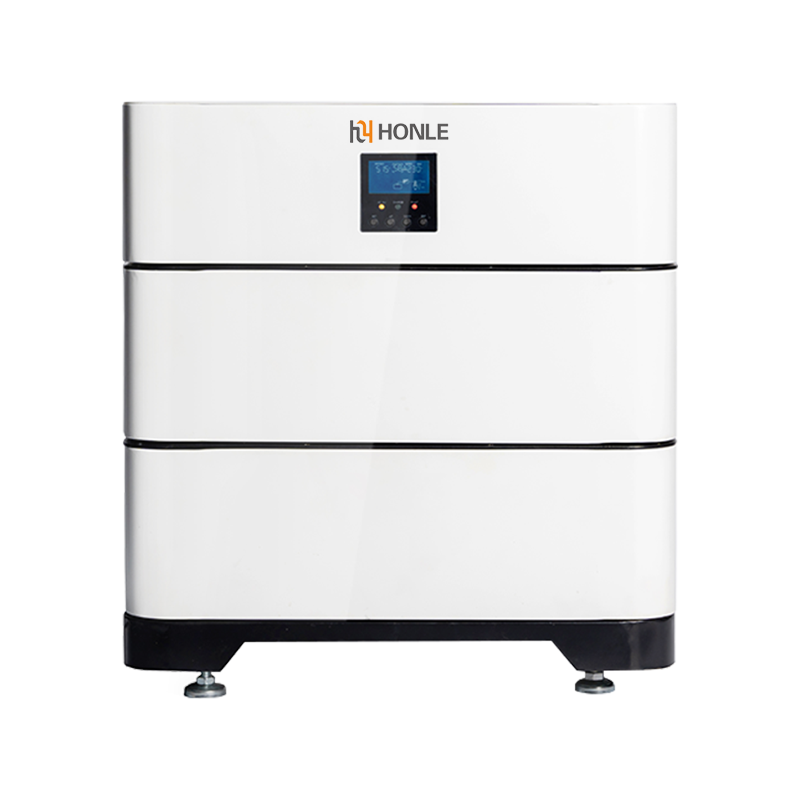
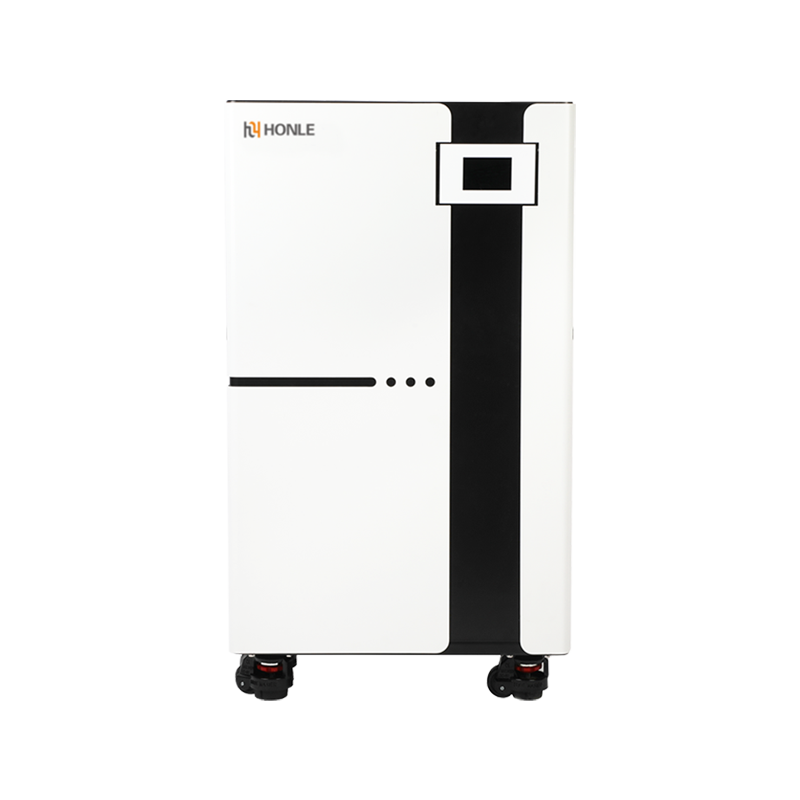
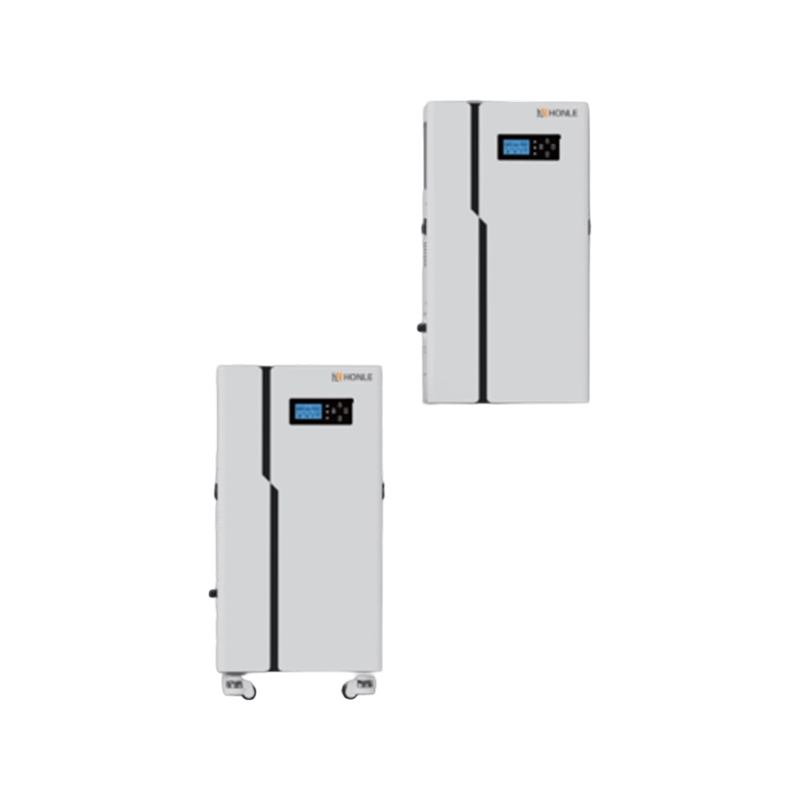
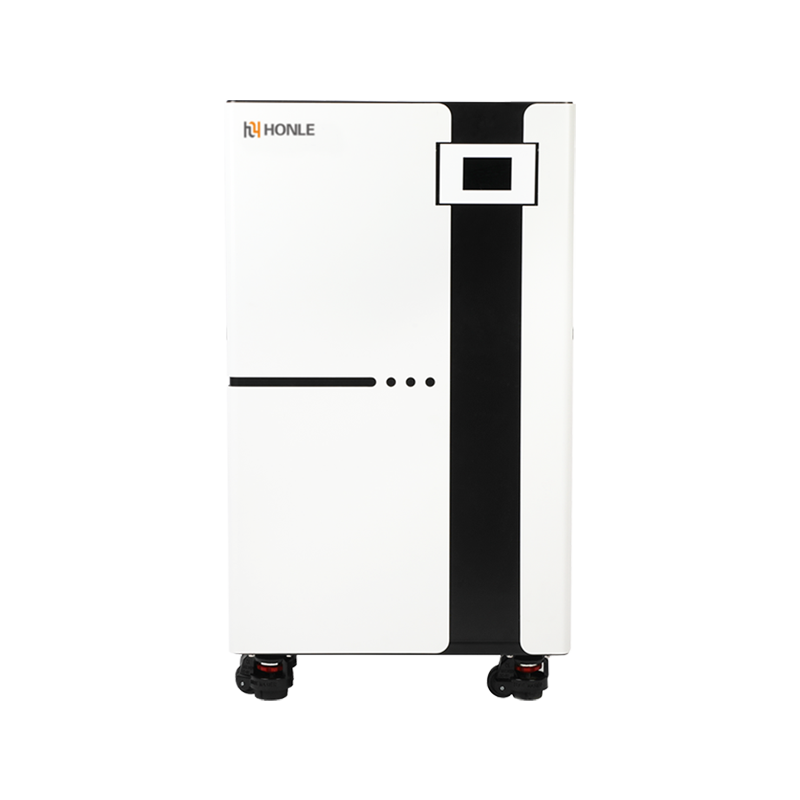
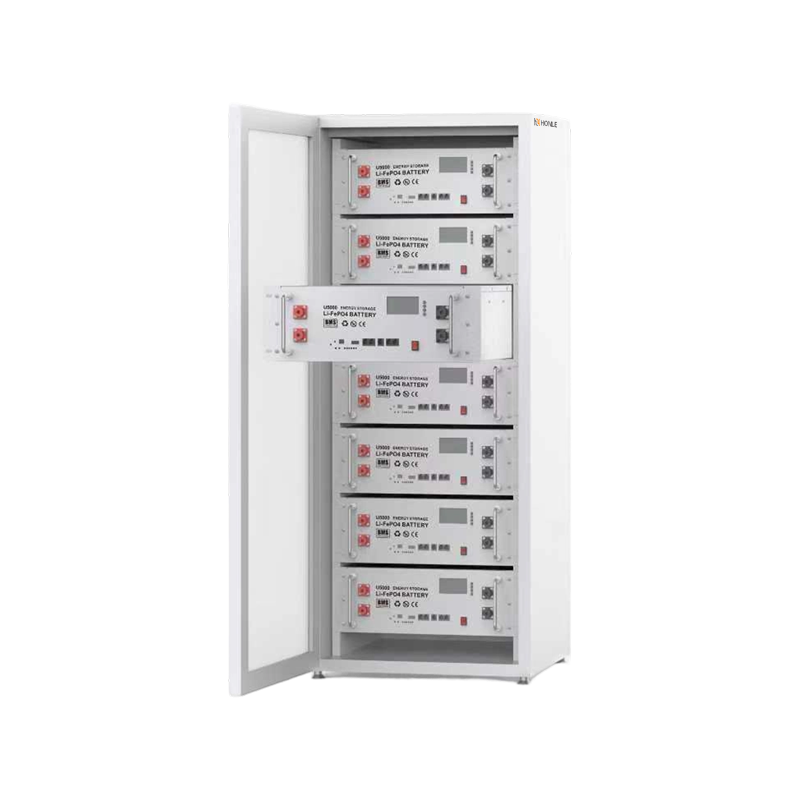
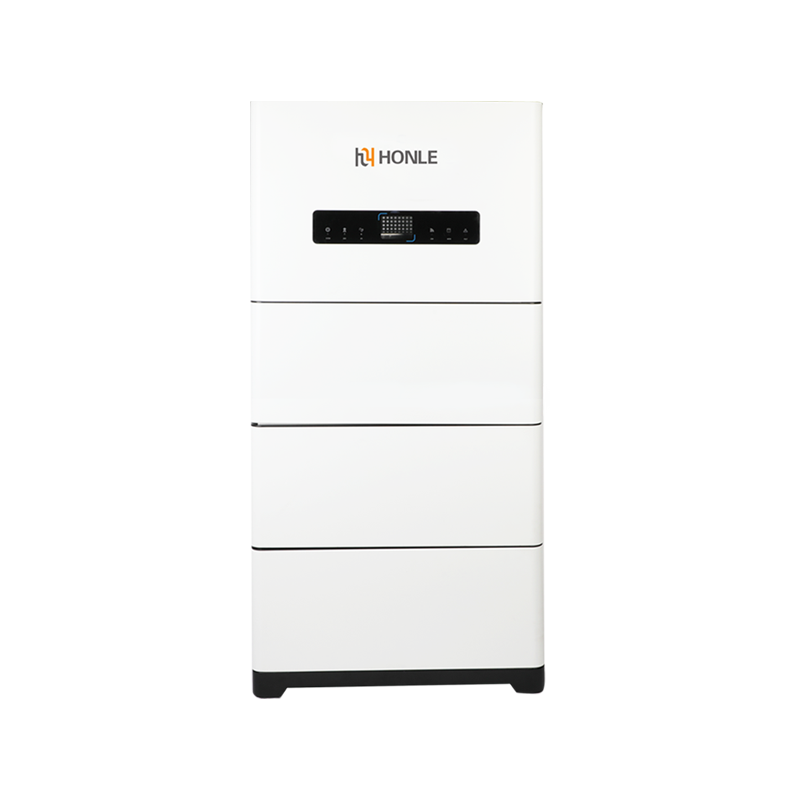
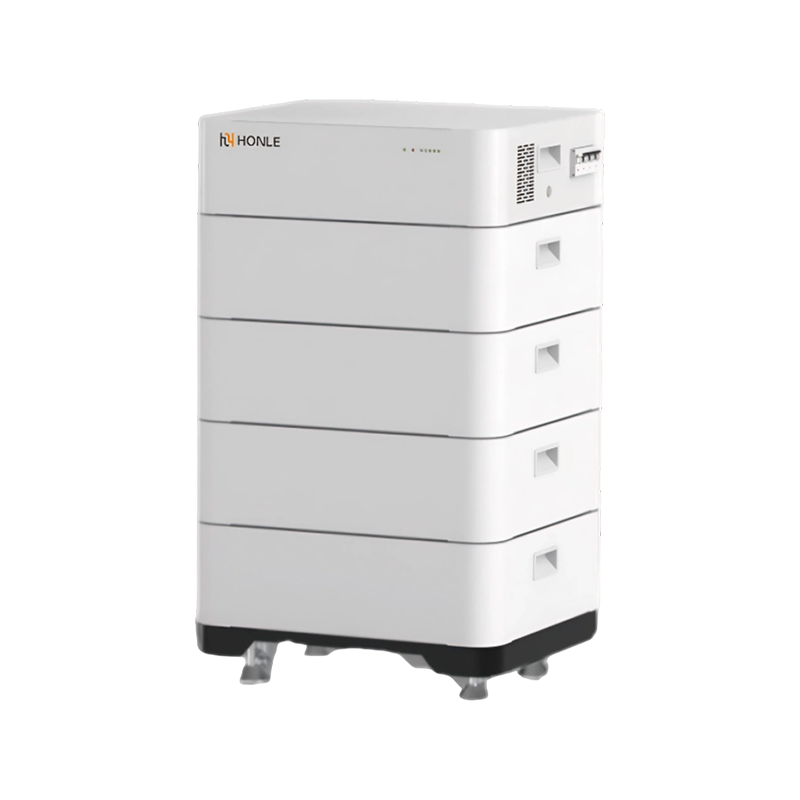
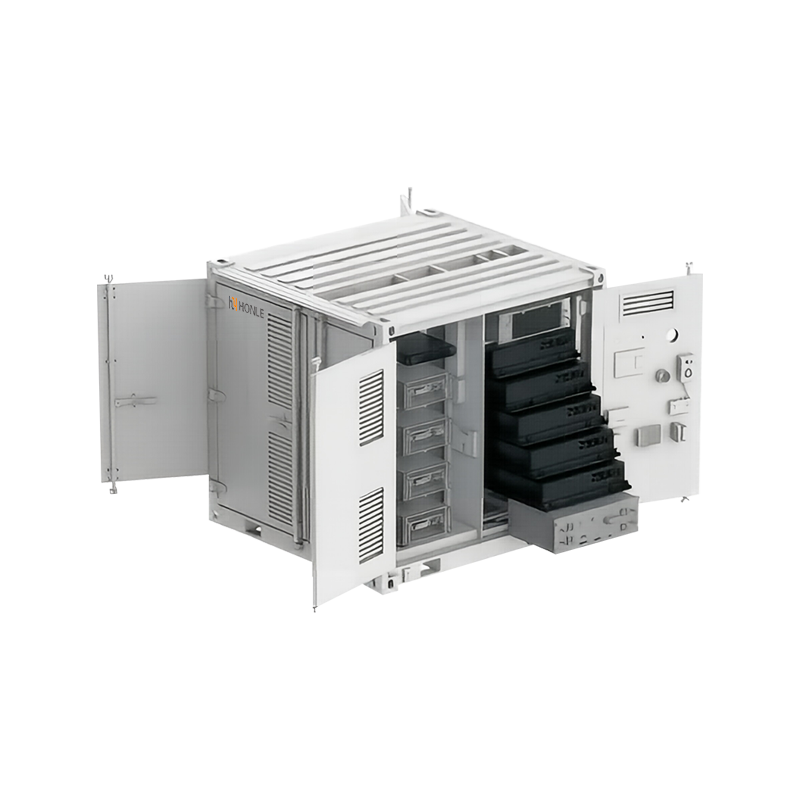
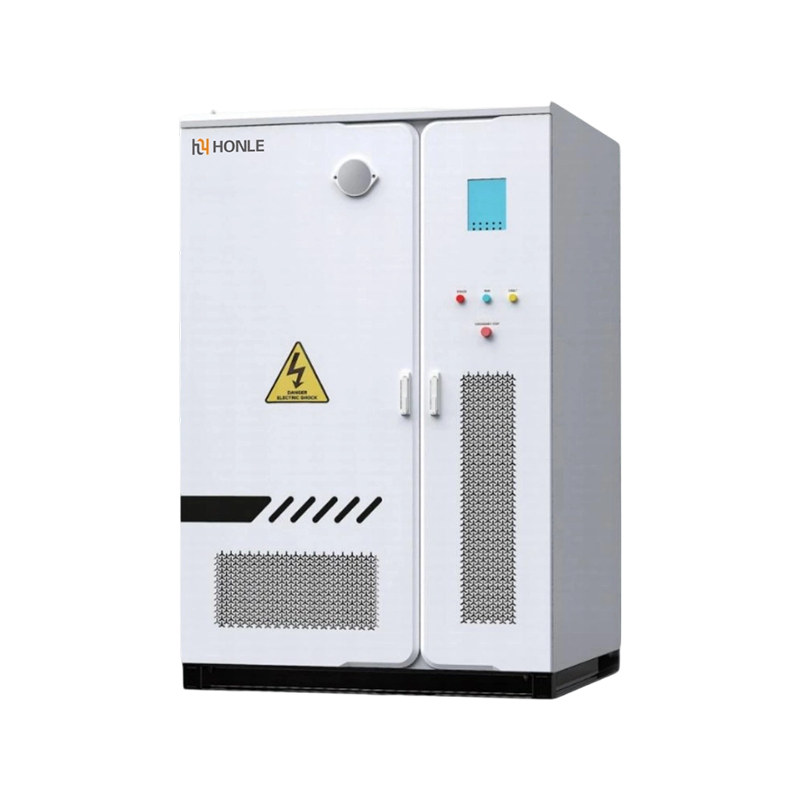
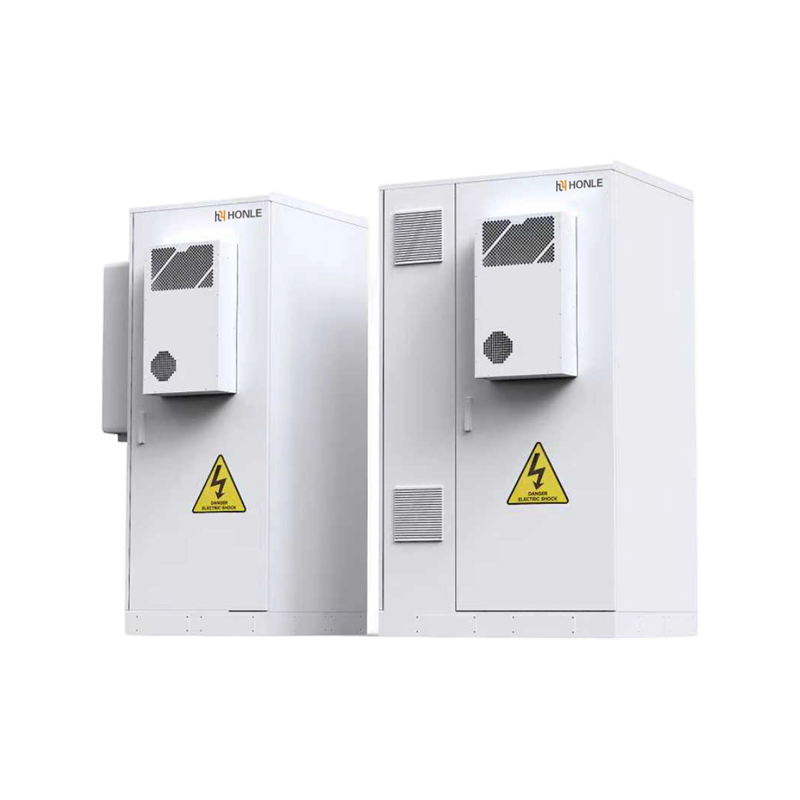
Floor standing energy storage refers to battery energy storage systems designed as freestanding cabinets installed on the ground rather than mounted on walls or integrated into equipment racks. These systems typically combine battery modules, Battery Management System (BMS), Power Conversion System (PCS), thermal management, safety protection, and intelligent monitoring into a single integrated cabinet.
Compared with traditional battery installations, a floor-type ESS cabinet offers higher storage capacity, better expandability, and easier maintenance while occupying relatively little installation space.
Typical system components include:
| Component |
Primary Function |
| Battery Modules |
Store electrical energy |
| Battery Management System (BMS) |
Protects batteries and balances cell performance |
| Power Conversion System (PCS) |
Converts AC and DC electricity |
| Energy Management System (EMS) |
Optimizes charging and discharging schedules |
| Cooling System |
Maintains optimal operating temperature |
| Safety Protection |
Prevents overload, overheating, and short circuits |
These integrated systems simplify installation while improving operational reliability.
How Does Floor Standing Energy Storage Reduce Electricity Costs?
The primary objective of a floor mounted energy storage battery is to optimize when electricity is purchased and consumed.
Instead of relying entirely on grid power during expensive peak periods, stored electricity can be discharged when energy prices are highest.
Several cost-saving mechanisms work together.
Peak Shaving
Many commercial electricity tariffs charge higher prices during periods of maximum demand.
A floor standing energy storage system charges during off-peak hours when electricity is cheaper and supplies stored energy during peak demand periods.
Benefits include:
- Lower peak demand charges
- Reduced monthly electricity bills
- Improved energy utilization
- More predictable operating expenses
Time-of-Use (TOU) Optimization
Utilities increasingly implement Time-of-Use pricing.
Electricity costs vary throughout the day.
With intelligent scheduling, the system automatically:
- Charges batteries overnight or during low-price periods
- Discharges during expensive daytime hours
- Minimizes purchasing electricity at premium rates
This automatic energy shifting creates measurable long-term savings.
Solar Energy Self-Consumption
When paired with photovoltaic systems, floor standing energy storage significantly improves solar utilization.
Instead of exporting excess solar electricity back to the grid, surplus energy is stored for later use.
This enables users to:
- Increase solar self-consumption
- Reduce grid dependence
- Maximize renewable energy investment
- Lower annual electricity expenses
Backup Power Reduces Operational Losses
Unexpected power interruptions can lead to production downtime, equipment damage, and business losses.
A floor-type ESS cabinet automatically supplies backup power during outages, helping maintain critical operations while avoiding interruption-related costs.
Improved Energy Management
Modern energy storage systems continuously monitor:
- Electricity prices
- Load demand
- Battery condition
- Renewable generation
- Grid availability
Intelligent Energy Management Systems automatically determine the most economical charging and discharging strategy.
Key Benefits of Floor Standing Energy Storage
Besides reducing electricity costs, floor standing energy storage delivers numerous operational advantages.
| Benefit |
Description |
| Lower Energy Bills |
Optimizes electricity purchasing strategy |
| Energy Independence |
Reduces reliance on utility power |
| Renewable Energy Integration |
Stores excess solar or wind energy |
| Backup Power |
Maintains operation during outages |
| Grid Stability |
Smooths load fluctuations |
| Flexible Expansion |
Additional battery modules can be added |
| Intelligent Monitoring |
Supports remote management and diagnostics |
These benefits make energy storage valuable across residential, commercial, and industrial environments.
Why Is the Floor-Type ESS Cabinet Becoming More Popular?
Traditional battery systems often require separate equipment installation, complicated wiring, and additional protective devices.
A floor-type ESS cabinet integrates multiple subsystems into one compact enclosure.
Its advantages include:
- Simplified installation
- Reduced engineering complexity
- Easier maintenance
- Higher safety standards
- Better environmental protection
- Modular expansion capability
Because all major components are factory-integrated, commissioning time is significantly reduced while system reliability improves.
Typical Applications of Floor Mounted Energy Storage Battery Systems
The flexibility of floor mounted energy storage battery solutions allows deployment in many environments.
Common applications include:
Residential Buildings
- Solar energy storage
- Backup household electricity
- Reduced utility bills
Commercial Buildings
- Office buildings
- Shopping centers
- Hotels
- Hospitals
Industrial Facilities
Manufacturing plants benefit from:
- Peak demand reduction
- Stable production power
- Improved energy efficiency
Renewable Energy Projects
Energy storage complements:
- Solar farms
- Wind farms
- Hybrid microgrids
By balancing intermittent renewable generation, storage systems improve overall power reliability.
Battery Technologies Used in Floor Standing Energy Storage
Different battery chemistries influence safety, lifespan, and efficiency.
| Battery Type |
Advantages |
Suitable Applications |
| Lithium Iron Phosphate (LiFePO4) |
High safety, long cycle life, stable performance |
Residential, commercial, industrial ESS |
| Lithium-ion |
High energy density |
Space-limited installations |
| Advanced Battery Modules |
Modular expansion and simplified maintenance |
Large-scale energy storage projects |
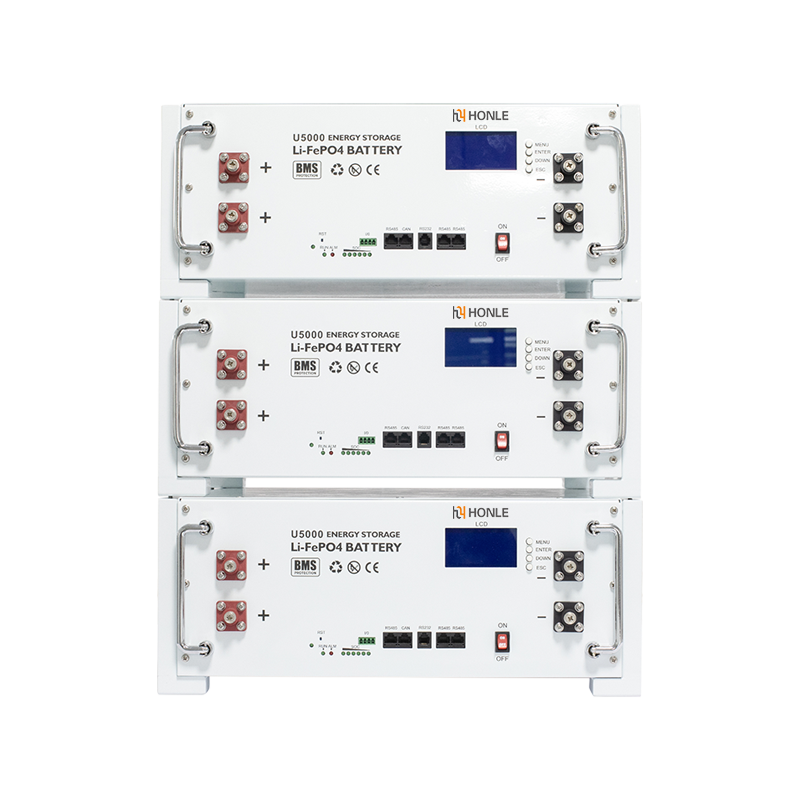
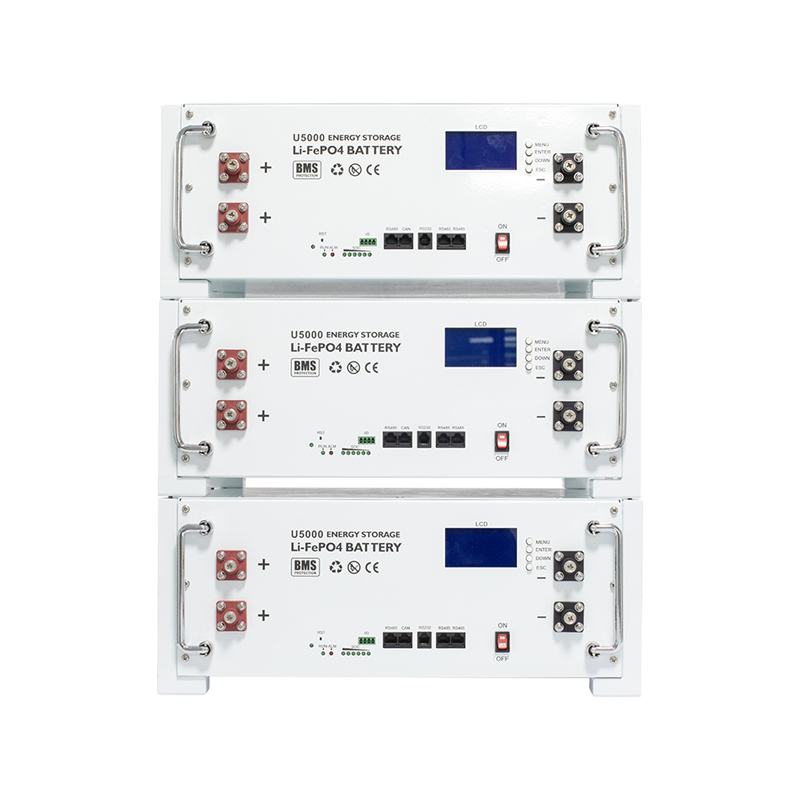
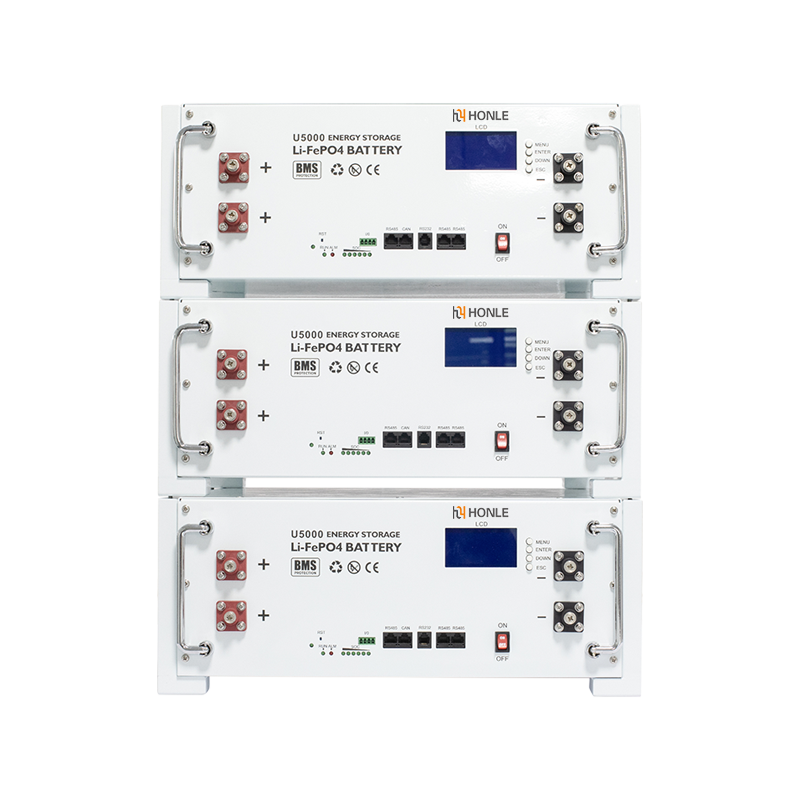
Among these, LiFePO4 has become one of the most widely adopted options because of its excellent safety profile, thermal stability, and long service life.
Important Factors When Choosing Floor Standing Energy Storage
Selecting the appropriate system requires evaluating several technical factors rather than focusing solely on battery capacity.
Important considerations include:
- Energy storage capacity
- Output power
- Battery chemistry
- Cycle life
- Charging efficiency
- Intelligent EMS functionality
- Thermal management performance
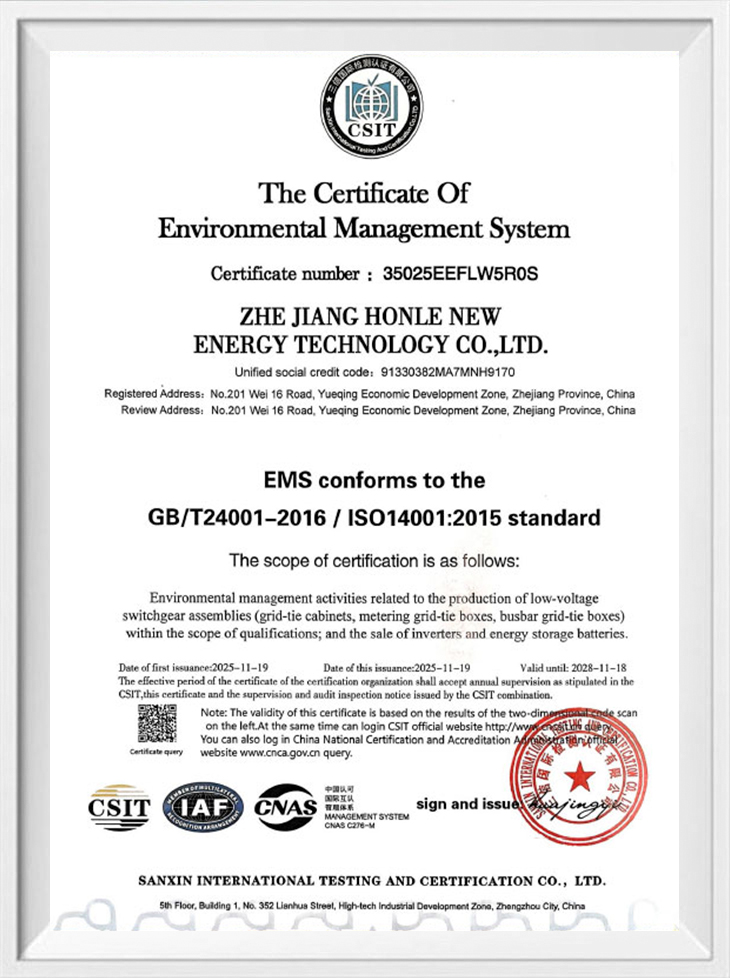
- Safety certifications
- Expansion capability
- Installation environment
- Remote monitoring functions
- Maintenance requirements
A well-designed system should balance performance, safety, and future scalability.
How Intelligent Energy Management Maximizes Savings
Modern floor standing energy storage systems rely on intelligent software rather than simple battery charging.
Advanced Energy Management Systems can:
- Predict electricity demand
- Analyze consumption patterns
- Coordinate with photovoltaic generation
- Optimize battery charging schedules
- Automatically respond to electricity price changes
- Monitor battery health in real time
This automation ensures the battery operates under the most economical conditions while extending overall system lifespan.
Why Choose Honle?
When selecting a reliable energy storage partner, product quality, technical expertise, and long-term support are equally important.
Honle New Energy Technology Co., Ltd. is a globally recognized and trusted supplier with over two decades of experience in the electric and new energy sectors. The company specializes in providing sustainable and eco-friendly energy products and integrated energy storage solutions for customers worldwide.
The company’s strengths include:
- Global Support: Offices and service centers across multiple countries and regions provide fast response times and localized technical assistance.
- Technological Innovation: Continuous investment in research and development ensures products remain at the forefront of sustainable and high-efficiency energy technologies.
- Flexible Cooperation Models: Distribution partnerships, project collaboration, and joint technology development are available to meet diverse customer requirements.
- Marketing Support: Comprehensive services including brand promotion, market analysis, and product training help partners successfully expand their business opportunities.
Leveraging robust technical capabilities and comprehensive service support, Honle New Energy Technology Co., Ltd. consistently provides reliable solutions for residential, commercial, and industrial applications.
Conclusion
Floor standing energy storage has become one of the most effective technologies for reducing electricity costs while improving energy efficiency and power reliability. Through peak shaving, Time-of-Use optimization, renewable energy integration, intelligent energy management, and backup power capabilities, these systems deliver both immediate operational benefits and long-term economic value.
FAQ
1. How does floor standing energy storage reduce electricity bills?
It stores electricity during low-cost periods and supplies power during peak pricing hours, reducing energy expenses through peak shaving and Time-of-Use optimization.
2. Can a floor mounted energy storage battery work with solar panels?
Yes. It stores excess solar electricity generated during the day and supplies it when solar production decreases or electricity demand increases.
3. What industries commonly use floor-type ESS cabinet systems?
They are widely used in residential homes, commercial buildings, manufacturing facilities, renewable energy projects, data centers, and microgrid applications.
4. Is floor standing energy storage suitable for backup power?
Yes. Most systems automatically provide backup electricity during grid outages, helping maintain essential equipment and continuous operations.
5. What should be considered when selecting a floor standing energy storage system?
Key considerations include battery capacity, power output, battery technology, safety features, energy management functions, scalability, installation environment, and long-term maintenance requirements.






 English
 Français
 Español