What Is a Modular Battery Storage System and How Does It Work?
As renewable energy adoption continues to expand, energy storage has become a critical part of modern power systems. Whether used in residential homes, commercial buildings, or industrial facilities, an efficient battery storage solution helps balance electricity generation and consumption while improving power reliability.
Among the latest developments, the modular battery storage system has gained significant attention because of its flexible architecture, scalable capacity, and simplified maintenance. Compared with traditional fixed-capacity battery systems, modular designs allow users to expand storage capacity according to changing energy demands without replacing the entire system.
What Is a Modular Battery Storage System?
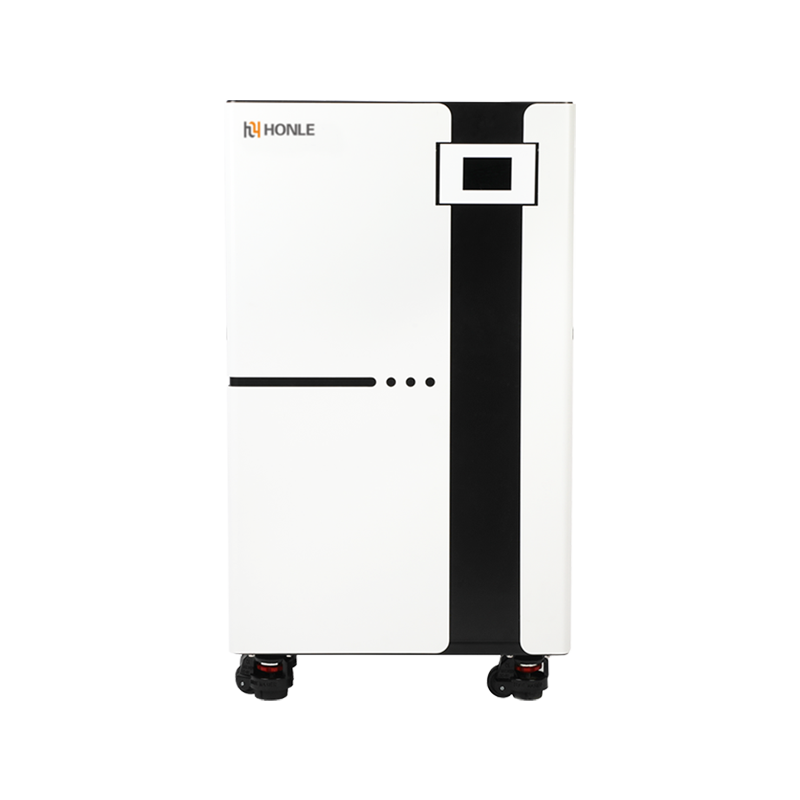
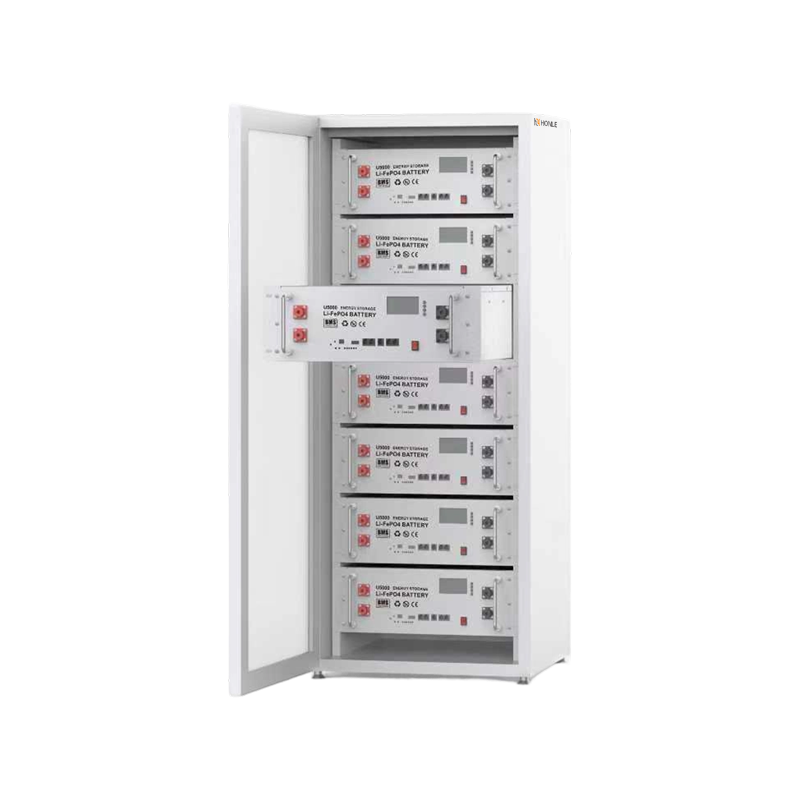
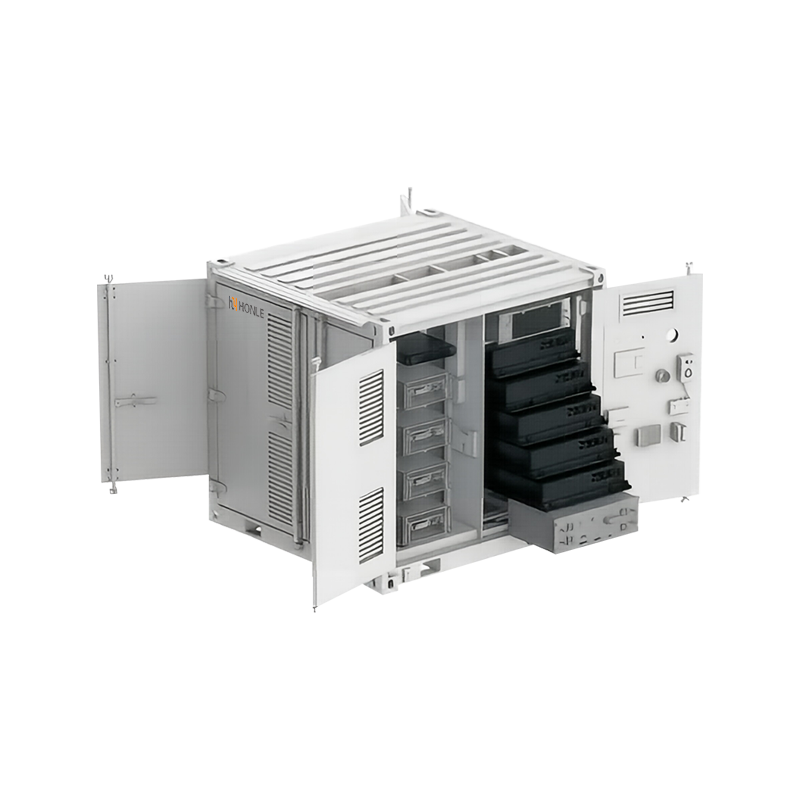
A modular battery storage system is an energy storage solution built from multiple independent battery modules that work together as a unified system. Instead of relying on one large battery pack, each module functions as a building block that can be added, removed, or replaced as required.
The modular architecture enables users to customize battery capacity according to actual electricity consumption. As energy demand increases, additional battery modules can simply be integrated into the existing system, making future expansion easier and more cost-effective.
Most modern modular systems integrate:
- Battery modules
- Battery Management System (BMS)
- Power Conversion System (PCS)
- Energy Management System (EMS)
- Communication interfaces
- Protection and safety devices
This flexible structure makes modular energy storage suitable for both low-voltage and high-voltage applications.
How Does a Modular Battery Storage System Work?
The operating principle is relatively straightforward while incorporating advanced battery management technologies.
Step 1: Energy Collection
Electricity is generated from sources such as:
- Solar photovoltaic systems
- Wind power
- Utility grid
- Backup generators
The generated electricity is directed to the battery storage system.
Step 2: Battery Charging
The Battery Management System continuously monitors:
- Voltage
- Current
- Temperature
- State of Charge (SOC)
- State of Health (SOH)
Balanced charging protects every battery module and maximizes battery lifespan.
Step 3: Energy Storage
Energy is safely stored inside lithium battery modules. Each module communicates with the central controller to maintain balanced performance throughout the system.
Step 4: Intelligent Energy Distribution
When electricity demand increases or renewable generation decreases, the system automatically releases stored energy.
The Energy Management System determines when to:
- Store surplus electricity
- Supply household loads
- Support commercial operations
- Reduce peak electricity consumption
- Provide emergency backup power
Step 5: Continuous Monitoring
Modern systems include intelligent monitoring platforms that provide:
- Real-time operating status
- Remote diagnostics
- Fault alarms
- Energy statistics
- Maintenance notifications
This intelligent management significantly improves operational reliability.
Main Components of a Modular Battery Storage System
| Component |
Primary Function |
| Battery Modules |
Store electrical energy |
| Battery Management System (BMS) |
Monitors battery safety, balance, and performance |
| Power Conversion System (PCS) |
Converts DC electricity into usable AC power and vice versa |
| Energy Management System (EMS) |
Optimizes charging, discharging, and energy scheduling |
| Communication Module |
Enables system coordination and remote monitoring |
| Protection System |
Prevents overcharge, overheating, and electrical faults |
Each component works together to ensure stable and efficient system performance.
Key Features of a Modular Battery Storage System
Modern modular battery storage systems are designed to meet the growing demand for flexible energy management.
| Feature |
Benefit |
| Modular Expansion |
Capacity can be increased without replacing the entire system |
| Flexible Installation |
Suitable for different installation environments |
| Easy Maintenance |
Individual modules can be serviced independently |
| Intelligent Monitoring |
Supports remote management and diagnostics |
| High Safety |
Multiple protection mechanisms improve operational safety |
| Long Service Life |
Advanced battery management extends battery lifespan |
| High Compatibility |
Works with solar systems, inverters, and smart grids |
Why Are Stackable ESS Solutions Becoming More Popular?
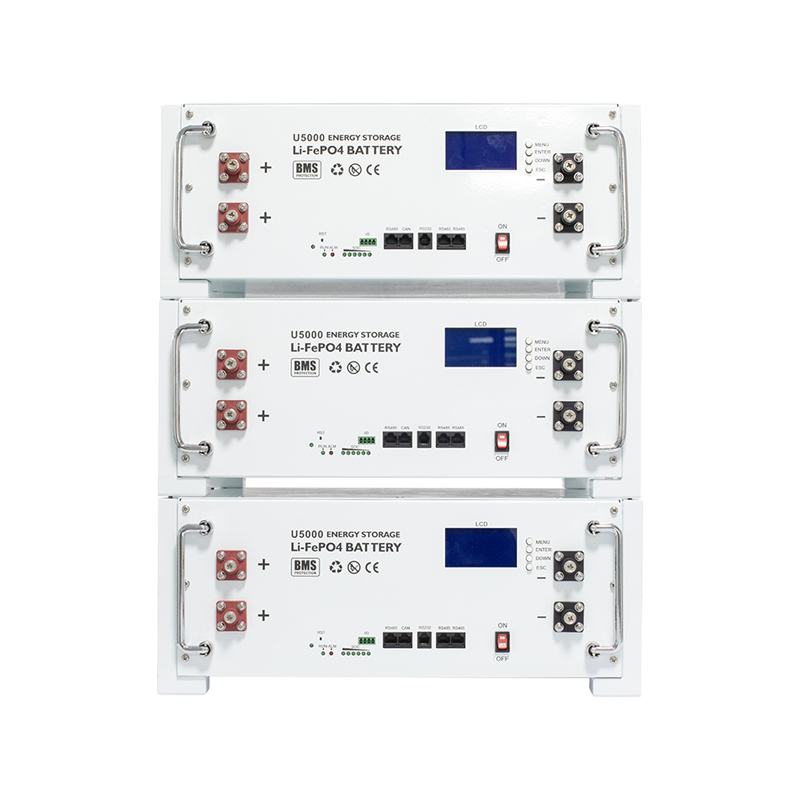
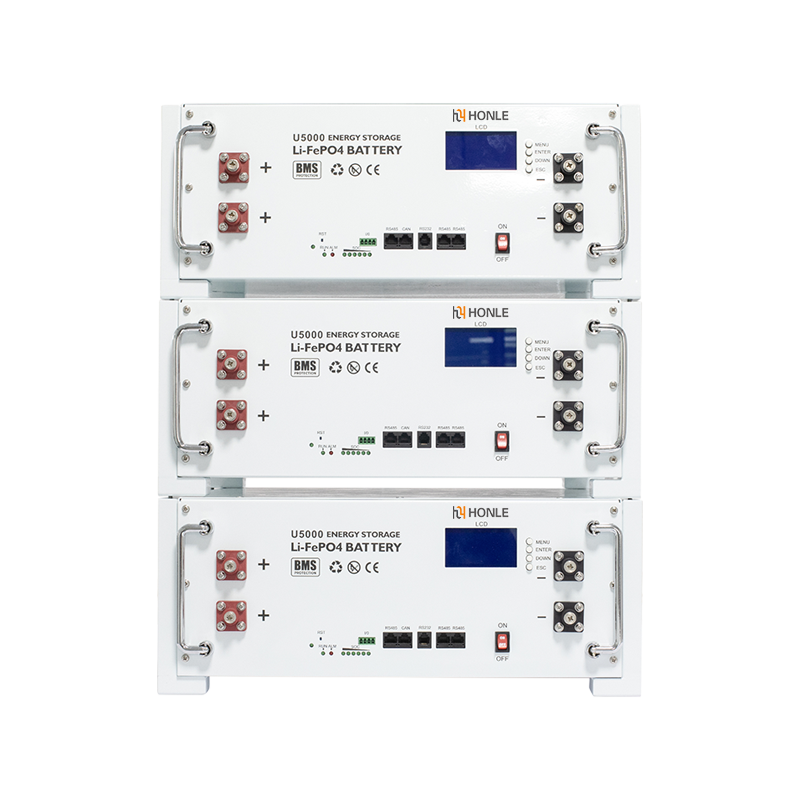
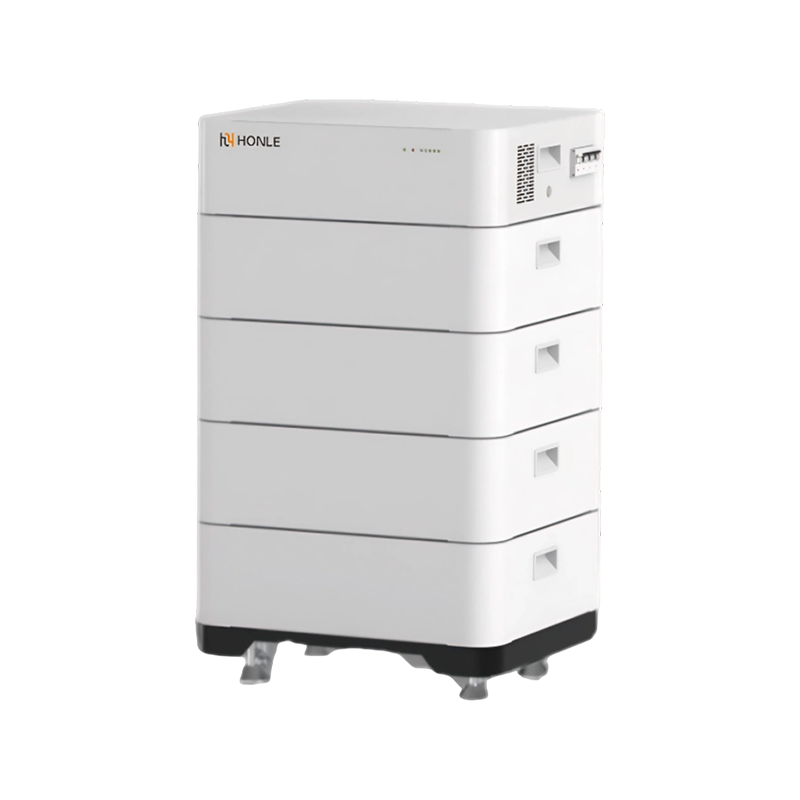
A stackable ESS (Energy Storage System) is one of the most practical forms of modular battery storage.
Instead of installing large battery cabinets, stackable systems allow battery modules to be vertically assembled, greatly reducing installation space while maintaining expansion flexibility.
The advantages include:
- Faster installation
- Compact footprint
- Simplified transportation
- Convenient future expansion
- Attractive appearance for residential environments
Since each module is standardized, system upgrades become much easier as energy requirements evolve.
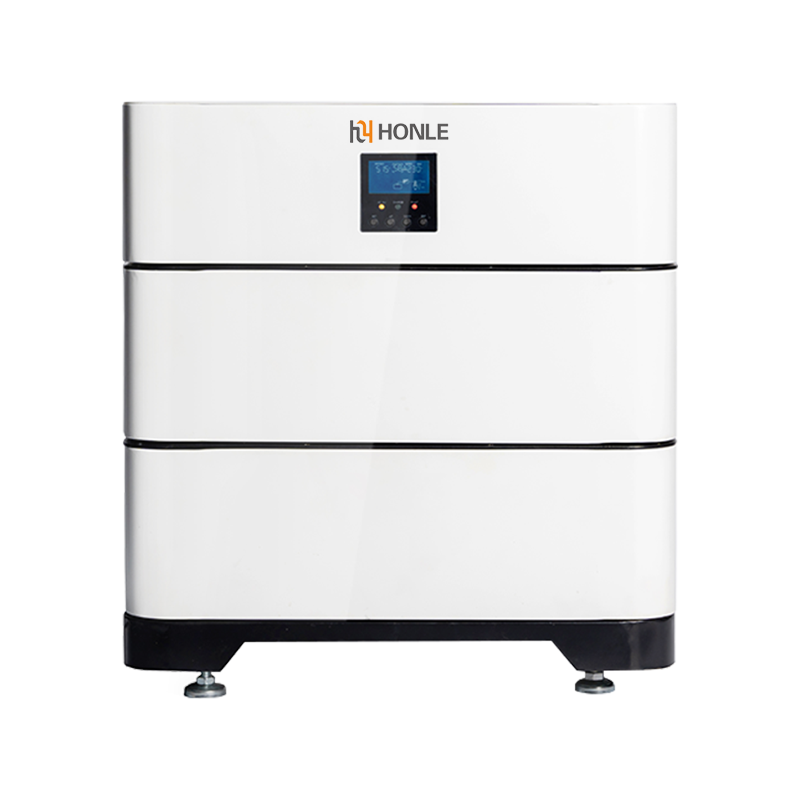
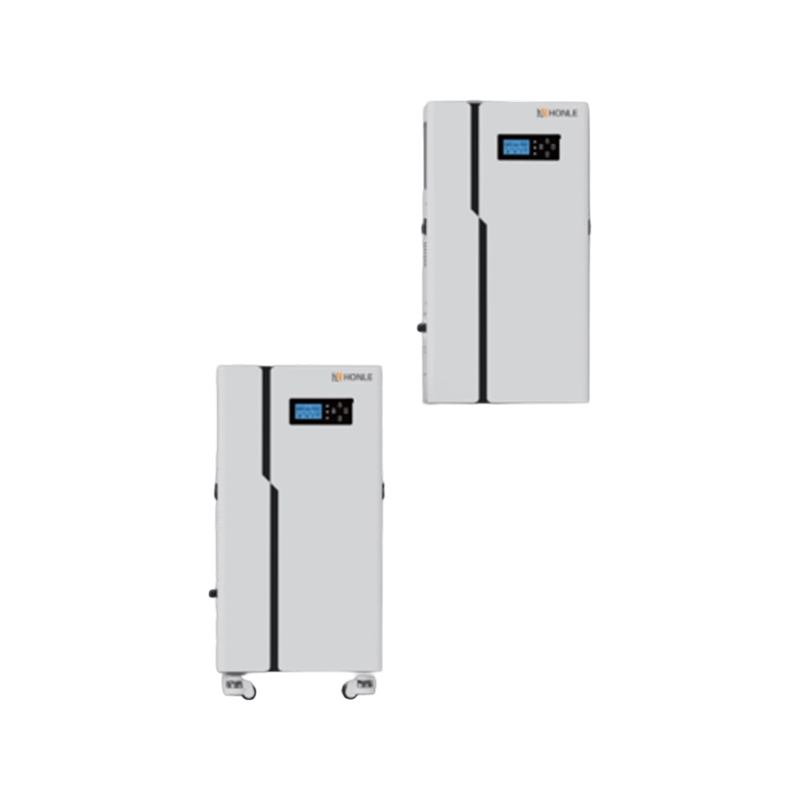
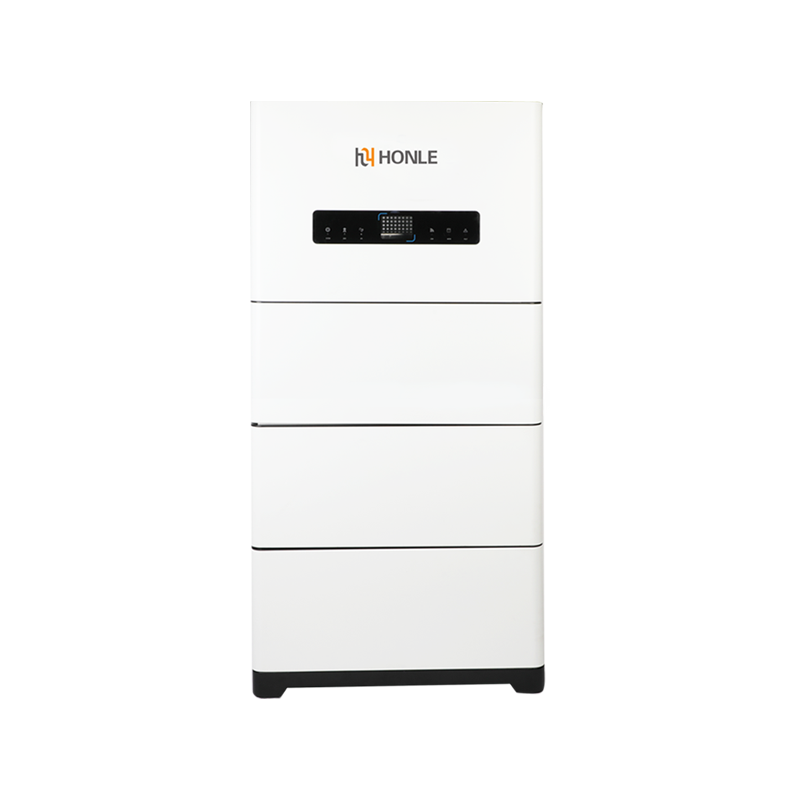
Understanding All in One Stacked Energy Storage (LVHV)
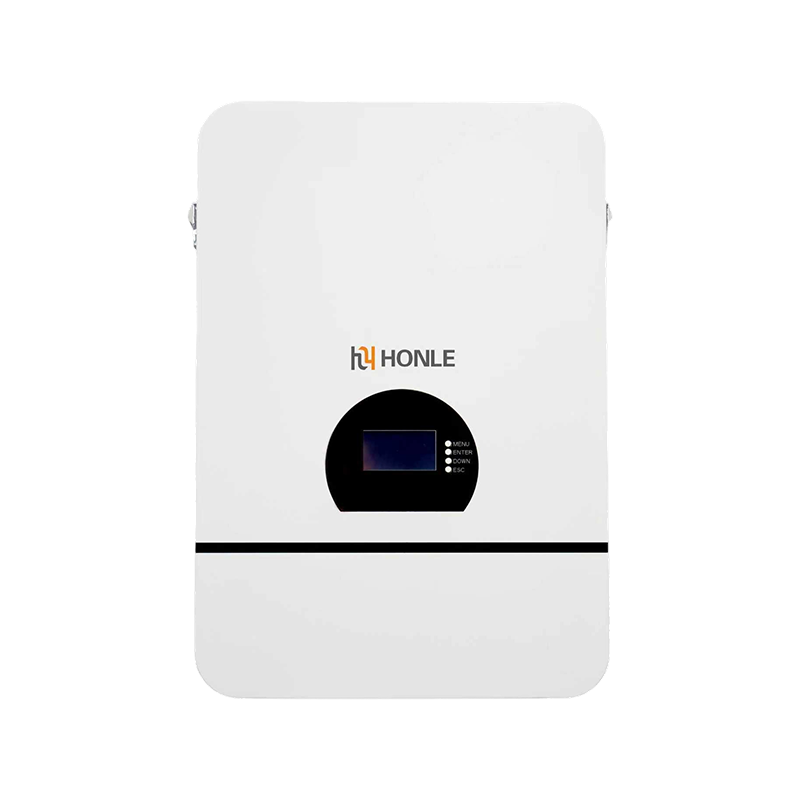
Another important development is the all in one stacked energy storage (LVHV) solution.
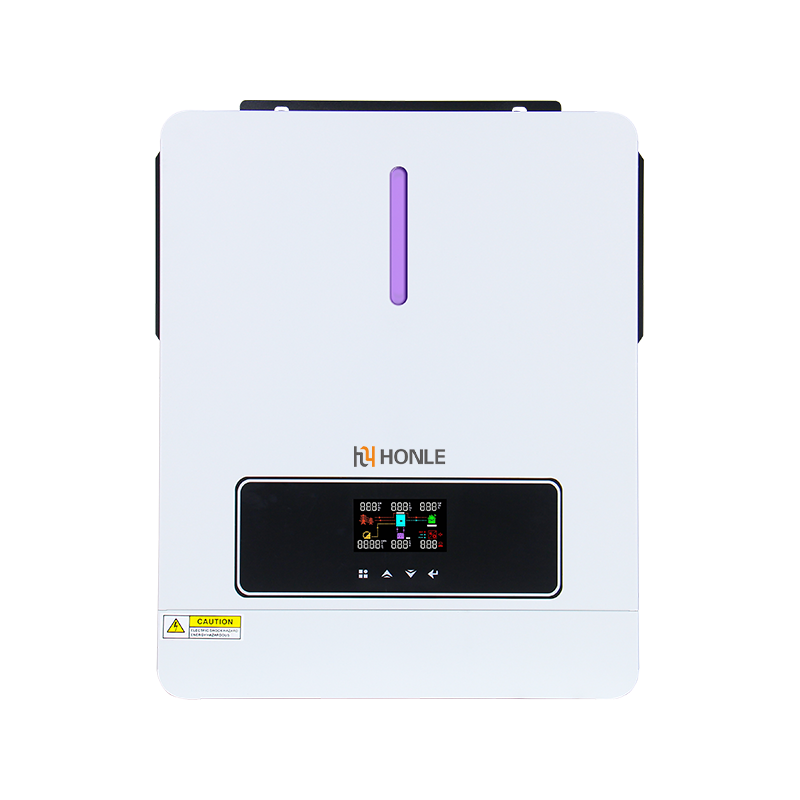
Unlike traditional systems that require multiple separate components, an all-in-one design integrates several essential functions into a single compact structure, including:
- Battery modules
- Integrated inverter
- Battery Management System
- Energy Management System
- Protection devices
- Communication interface
This integrated architecture offers several advantages:
| Advantage |
Description |
| Simplified Installation |
Reduced wiring and installation time |
| Space Saving |
Compact integrated structure |
| Better System Coordination |
Factory-tested integrated components |
| Lower Maintenance |
Fewer external connections reduce maintenance complexity |
| Higher Reliability |
Optimized communication between internal components |
These systems are suitable for both low-voltage and high-voltage energy storage applications, making them adaptable to diverse project requirements.
Common Applications
A modular battery storage system supports many different industries because of its flexible design.
Residential Energy Storage
Homeowners use modular storage to maximize self-consumption of solar electricity while maintaining backup power during outages.
Commercial Buildings
Businesses reduce peak electricity costs by storing energy during off-peak periods and using it during high-demand hours.
Industrial Facilities
Factories benefit from stable power supply, improved energy efficiency, and reduced dependence on the utility grid.
Renewable Energy Projects
Solar and wind power installations use battery storage to stabilize intermittent power generation and improve overall energy utilization.
Microgrids
Modular storage plays an important role in independent energy systems where reliable power management is essential.
Material Comparison for Battery Enclosures
| Material |
Characteristics |
Typical Applications |
| Powder-Coated Steel |
High strength and durability |
Commercial and industrial systems |
| Aluminum Alloy |
Lightweight with good corrosion resistance |
Residential and compact systems |
| Stainless Steel |
Excellent corrosion resistance |
Outdoor and harsh environments |
The choice of enclosure depends on environmental conditions, installation location, and long-term durability requirements.
About Honle
Honle New Energy Technology Co., Ltd. is a globally recognized and trusted supplier with more than twenty years of experience in the electric and new energy industries.
The company focuses on delivering sustainable and environmentally friendly energy solutions, including solar power systems and advanced energy storage products for residential, commercial, and industrial applications.
Its product portfolio includes innovative modular battery storage system, stackable ESS, and all in one stacked energy storage (LVHV) solutions designed to provide reliable, scalable, and efficient energy management. Beyond product manufacturing, Honle also offers engineering support and project-based delivery services, providing flexible solutions that meet diverse customer requirements while emphasizing long-term performance and customer satisfaction.
FAQ
1. What is the biggest advantage of a modular battery storage system?
Its greatest advantage is scalability. Users can expand battery capacity by adding additional modules without replacing the entire energy storage system.
2. What is the difference between a stackable ESS and a traditional battery cabinet?
A stackable ESS uses vertically stacked battery modules that simplify installation, save space, and allow easier future expansion compared with conventional fixed battery cabinets.
3. What does all in one stacked energy storage (LVHV) mean?
An all in one stacked energy storage (LVHV) system integrates battery modules, inverter, battery management, energy management, and protection functions into one compact solution, reducing installation complexity while improving overall reliability.
4. Where can a modular battery storage system be used?
It is widely used in residential solar systems, commercial buildings, industrial facilities, renewable energy projects, and microgrid applications.
5. How does the Battery Management System improve safety?
The Battery Management System continuously monitors battery voltage, current, temperature, and charging status, helping prevent overcharging, overheating, over-discharging, and other conditions that could affect battery performance or safety.






 English
 Français
 Español