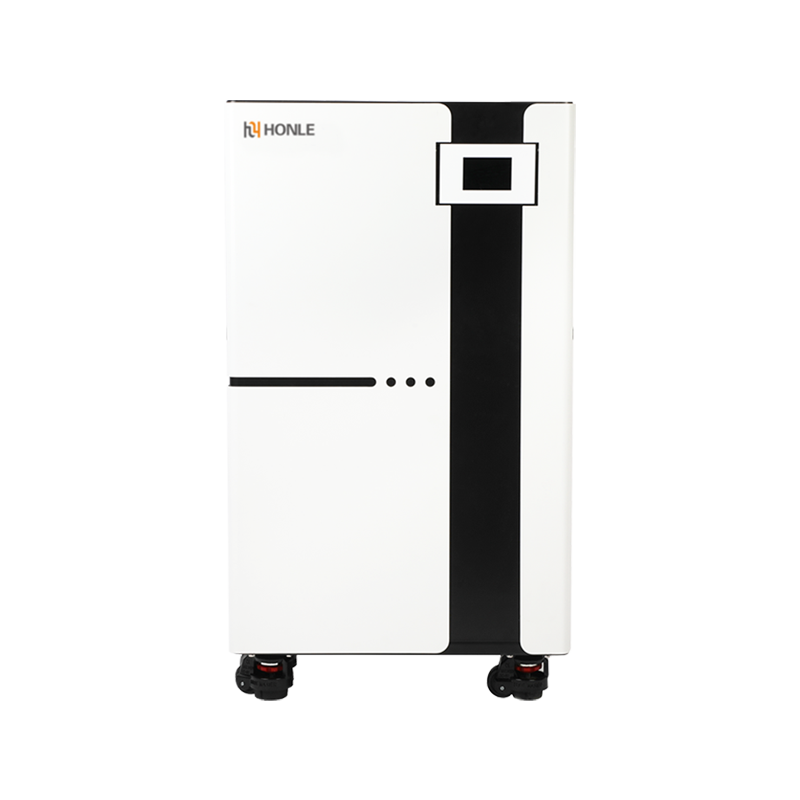
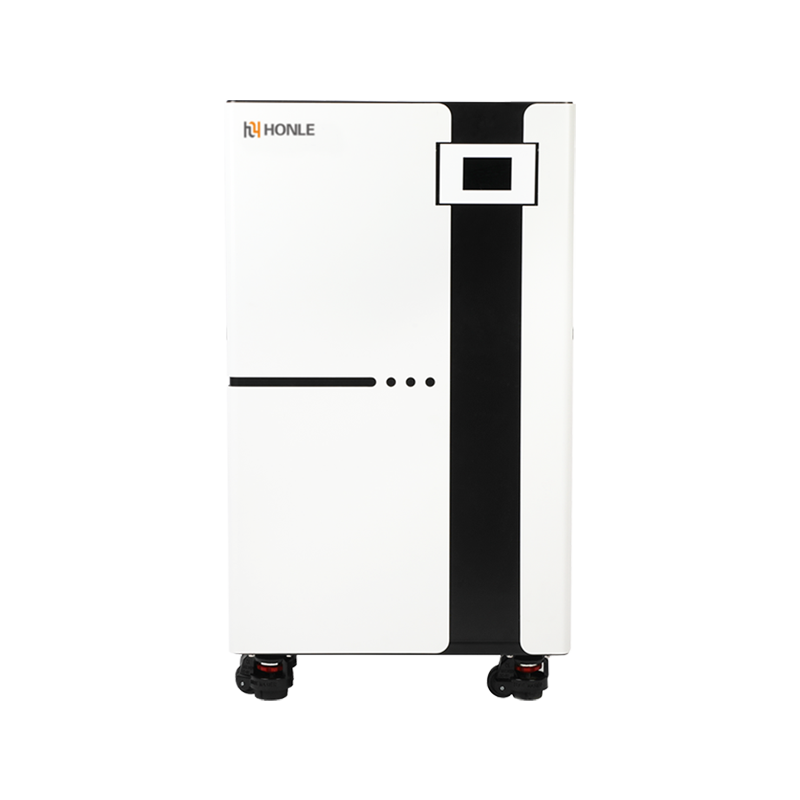
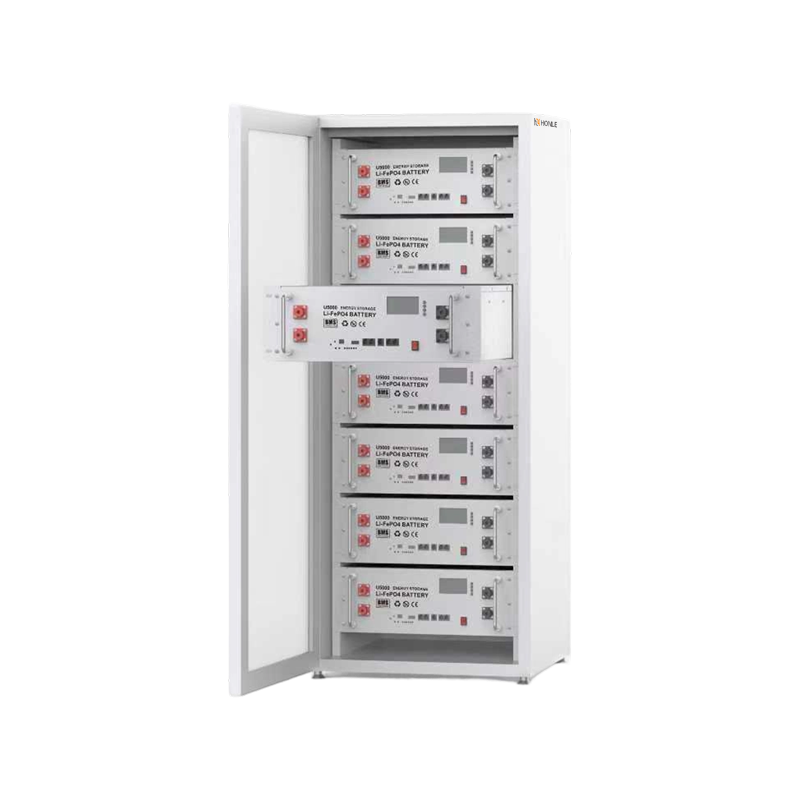
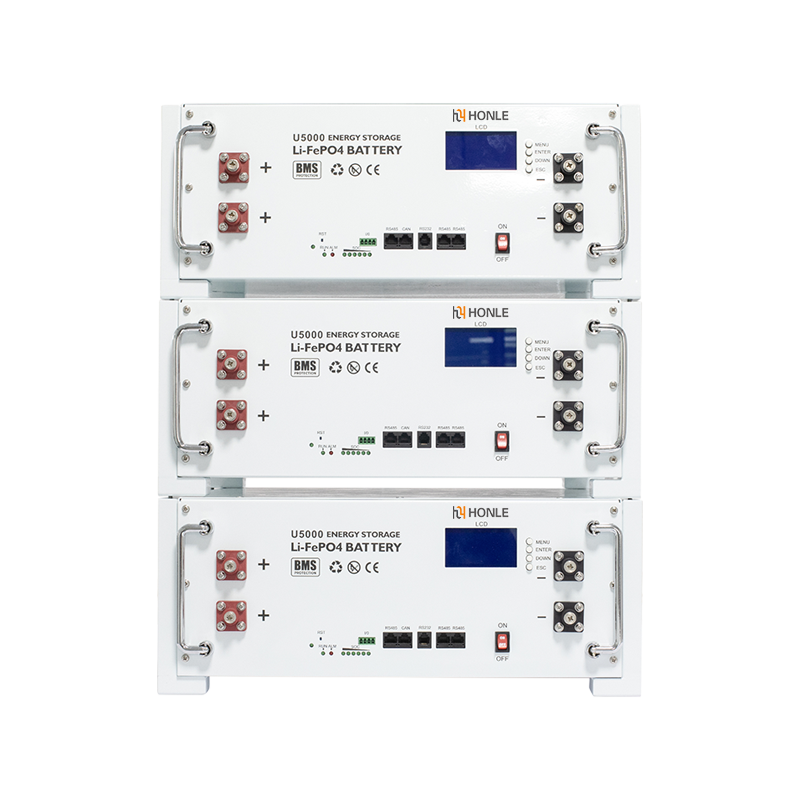
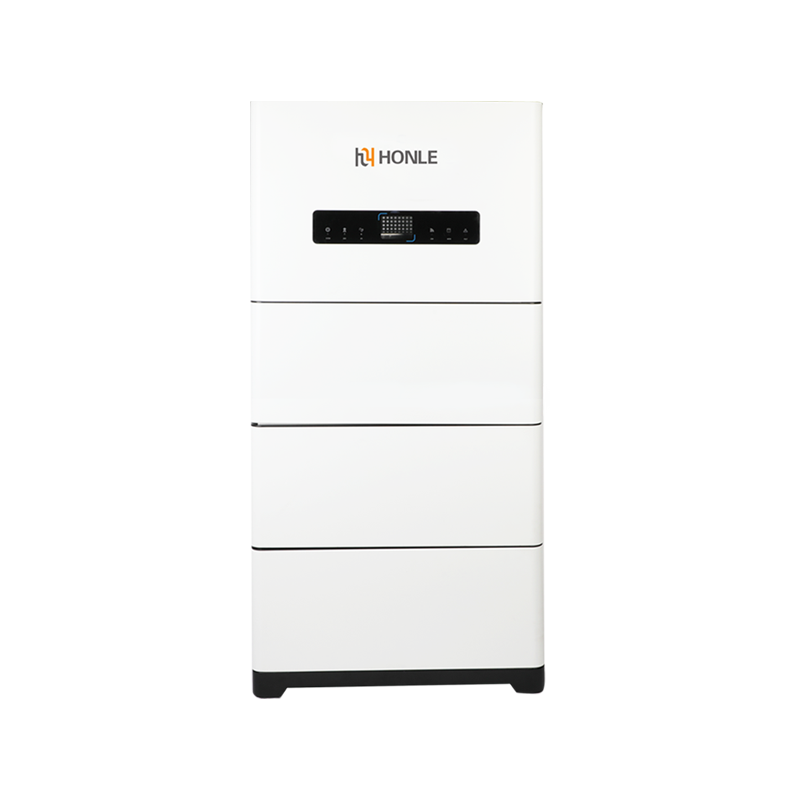
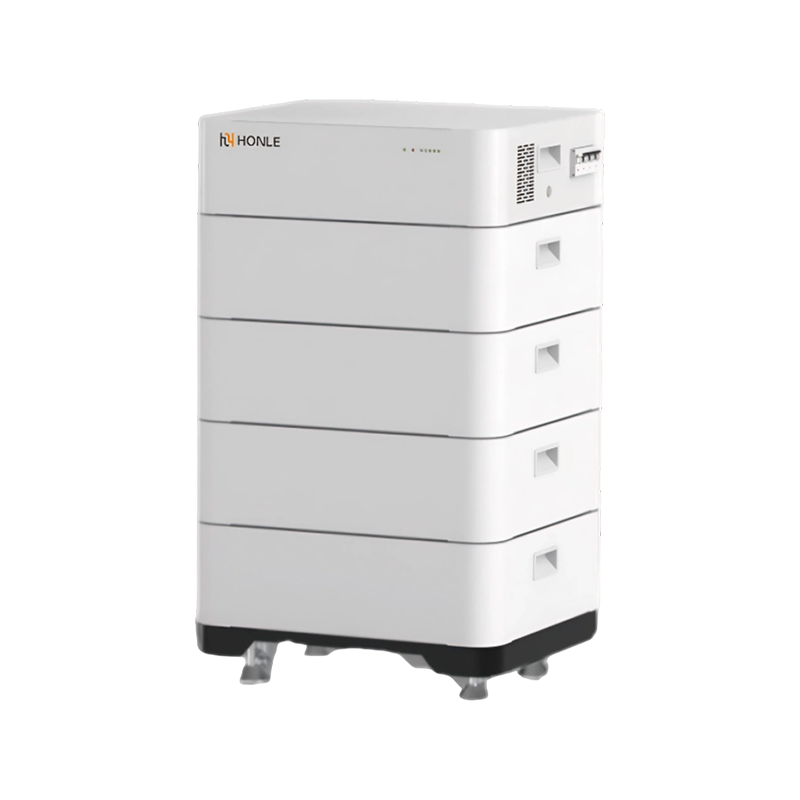
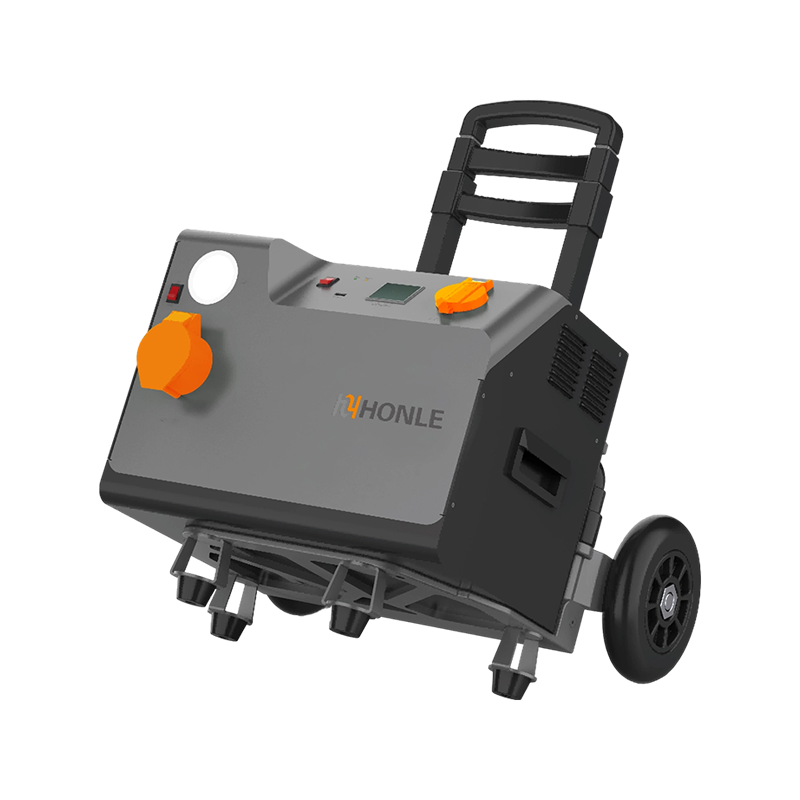
• Residential Energy Storage
    Residential Energy Storage
  • C&I BESS
    C&I BESS
  • Large-Scale Centralized Energy storage
    Large-Scale Centralized Energy storage
  • Solar Panel
    Solar Panel
  • Power Inverters
    Power Inverters
  • Vehicle Lithium Battery
    Vehicle Lithium Battery
Industry News
Home / News / Industry News / Why Are Stackable ESS and Modular Battery Storage Systems Becoming Industry Standards?

Why Are Stackable ESS and Modular Battery Storage Systems Becoming Industry Standards?

Content


Introduction – The Rapid Evolution of Modern Energy Storage Architecture

The global energy landscape is undergoing a structural transformation driven by renewable integration, electrification of infrastructure, and the increasing volatility of power demand. Traditional centralized power systems are gradually being supplemented—and in many cases replaced—by distributed energy storage architectures designed for flexibility, scalability, and intelligent energy management.

Within this transformation, the modular battery storage system has emerged as a foundational technology. Unlike conventional fixed-capacity energy storage installations, modular systems introduce a new design philosophy: energy capacity is no longer static, but expandable and reconfigurable based on real-time demand.

What Is a Modular Battery Storage System?

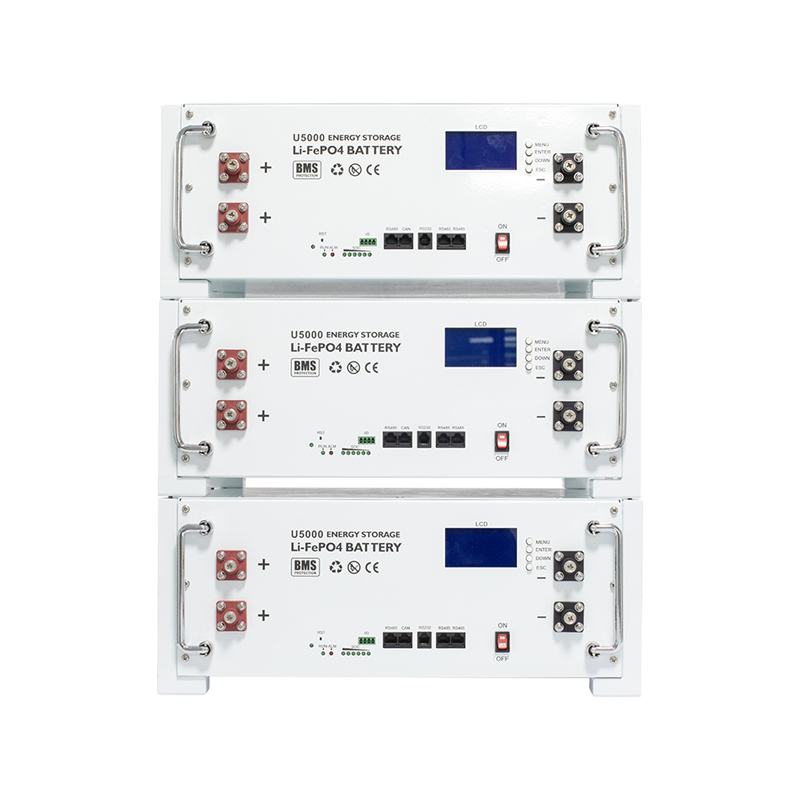
A modular battery storage system is an energy storage architecture composed of multiple standardized battery modules that can operate independently or be combined to form larger energy storage units. Each module typically includes battery cells, a battery management system (BMS), and protective structures, allowing for plug-and-play scalability.

Core Concept of Modularity

The defining principle of modular battery storage is scalability without redesign. Instead of deploying a single monolithic battery system sized for peak demand, modular systems allow incremental capacity expansion by adding additional battery units.

This approach introduces several architectural advantages:

  • Decoupling of capacity and system design
  • Independent module operation and control
  • Simplified maintenance and replacement
  • Flexible deployment across different energy environments

Key Functional Characteristics

A modern modular battery storage system typically integrates the following capabilities:

  • Expandable Capacity: Additional modules can be added without redesigning the entire system.
  • Distributed Control Architecture: Each module operates under coordinated BMS control.
  • Redundancy and Reliability: Failure of a single module does not compromise the entire system.
  • Standardized Interface Design: Ensures interoperability between modules.

Application Scenarios

Modular systems are widely used in:

  • Commercial and industrial power backup systems
  • Renewable energy storage integration (solar and wind)
  • Microgrid infrastructure
  • Peak shaving and load shifting applications
  • Emergency power supply systems

What Is Stackable ESS and Why It Matters?

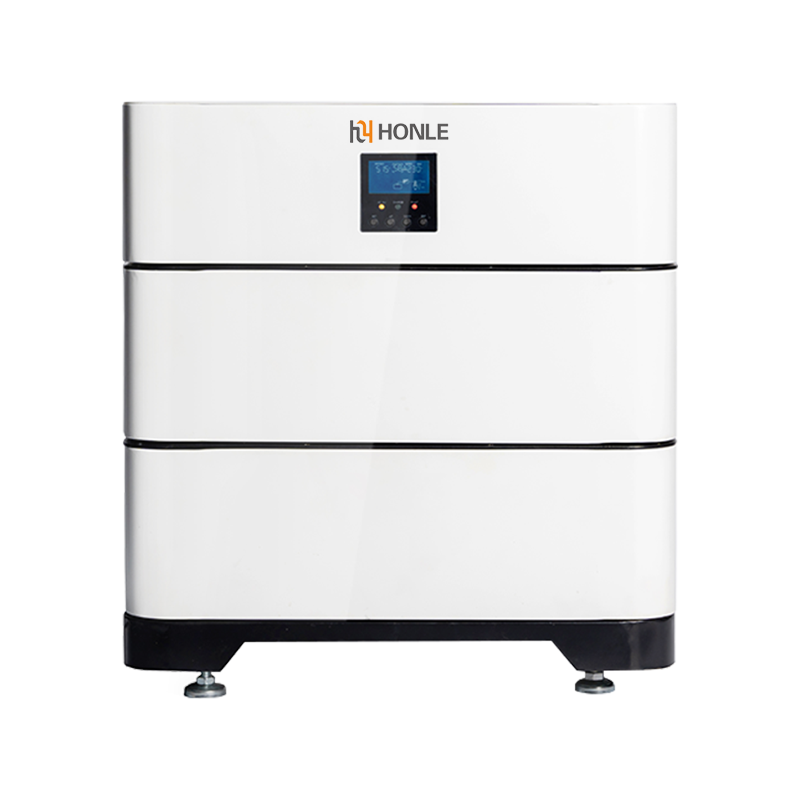
The concept of stackable ESS (Energy Storage System) represents a further evolution of modular design. Instead of horizontal cabinet expansion, stackable ESS introduces a vertical integration architecture, allowing energy storage units to be physically stacked.

This design is particularly valuable in environments where space optimization is critical.

Structural Definition

A stackable ESS consists of vertically arranged battery layers or modules that share a unified control and power interface. Each layer typically functions as an independent energy unit while remaining integrated into the overall system.

Key Advantages of Stackable Architecture

  • High Space Utilization Efficiency: Vertical stacking reduces footprint significantly.
  • Flexible Capacity Expansion: Additional layers can be added without extensive infrastructure changes.
  • Simplified Deployment: Pre-designed stacking modules reduce installation complexity.
  • Improved Energy Density: More energy stored per unit of floor space.

Comparison with Traditional Energy Storage Systems

Feature Traditional ESS Stackable ESS
System Layout Horizontal cabinet-based Vertical stacked architecture
Scalability Limited expansion Layer-based expansion
Space Efficiency Moderate High
Installation Complexity High Reduced
Maintenance Approach System-level servicing Module-level replacement

Stackable ESS is particularly suitable for urban environments, industrial parks, and commercial facilities where physical space is constrained but energy demand continues to grow.

All-in-One Stacked Energy Storage (LVHV): A New Integration Paradigm

The emergence of all-in-one stacked energy storage systems (LVHV) marks a significant shift toward system-level integration and simplification.

The LVHV concept typically refers to a tightly integrated system architecture combining low-voltage and high-voltage components within a unified stacked structure.

System Definition

An all-in-one stacked ESS integrates the following components into a single architecture:

  • Battery modules
  • Power Conversion System (PCS)
  • Battery Management System (BMS)
  • Thermal management system
  • Safety protection system

Unlike traditional systems that require external integration between components, LVHV systems aim to reduce interconnection complexity and improve overall system efficiency.

Key Structural Advantages

  • Integrated Design Architecture: All subsystems are pre-configured.
  • Reduced Installation Time: Minimal on-site wiring and configuration.
  • Higher System Efficiency: Reduced energy loss from interconnections.
  • Simplified Operation: Centralized monitoring and control system.
  • Improved Safety Management: Unified thermal and electrical protection.

Functional Role in Modern Energy Systems

All-in-one stacked systems are increasingly used in:

  • Rapid-deployment energy storage projects
  • Urban distributed energy systems
  • Renewable energy stabilization systems
  • Commercial backup power infrastructure

Technical Comparison: Modular Battery Storage vs Stackable ESS vs LVHV Systems

To better understand the functional differences between these technologies, the following table provides a structured comparison:

Dimension Modular Battery Storage System Stackable ESS All-in-One Stacked ESS (LVHV)
System Architecture Modular block-based design Vertical stacking structure Fully integrated stacked system
Scalability High flexibility Very high vertical scalability Predefined scalable architecture
Installation Complexity Medium Low Very low
Maintenance Model Module replacement Layer-based servicing System-level integrated maintenance
Space Efficiency Medium High Very high
Integration Level Partial system integration Semi-integrated Fully integrated
Best Use Scenario Industrial & commercial use Space-constrained environments Fast deployment applications

This comparison highlights a clear industry trend: energy storage systems are moving from loosely integrated modular structures toward highly integrated, vertically optimized architectures.

Core Advantages of Modular Battery Storage Systems

The widespread adoption of modular battery storage systems is driven by several fundamental advantages that align with modern energy demands.

Flexibility in Energy Management

Modular systems allow dynamic energy allocation strategies such as:

  • Peak shaving during high demand periods
  • Load balancing across multiple time intervals
  • Backup power allocation during grid outages

Improved Renewable Energy Integration

Modular systems are highly compatible with renewable energy sources:

  • Solar photovoltaic systems benefit from modular charge storage
  • Wind energy fluctuations can be stabilized through modular buffering
  • Hybrid renewable systems achieve higher stability

Enhanced System Reliability

Through distributed architecture, modular systems reduce single-point failure risks, improving overall operational stability.

Product Structure Overview of Modular Battery Storage Systems

A typical modular energy storage system consists of multiple functional components working in coordination.

Component Function Technical Characteristics
Battery Module Energy storage unit High-density lithium-ion cells
BMS (Battery Management System) Monitoring and safety control Real-time voltage and temperature regulation
PCS (Power Conversion System) AC/DC conversion High-efficiency inverter technology
Thermal System Temperature regulation Air or liquid cooling architecture
Structural Enclosure Mechanical protection Industrial-grade metal housing

Each component plays a critical role in ensuring system stability, efficiency, and operational safety.

Application Scenarios Across Industries

Commercial Buildings

Shopping malls, office complexes, and hotels use modular ESS for peak load management and backup power.

Industrial Manufacturing

Factories rely on energy storage systems to stabilize power fluctuations and ensure production continuity.

Data Centers

High-reliability energy storage ensures uninterrupted server operations and prevents data loss.

Renewable Energy Facilities

Solar and wind farms utilize modular systems to stabilize output and improve grid compatibility.

EV Charging Infrastructure

Energy storage systems support fast charging stations by reducing grid stress.

Advantages of All-in-One Stacked Energy Storage (LVHV)

The LVHV architecture introduces several operational benefits:

  • Reduced engineering complexity
  • Faster deployment cycles
  • Lower system integration costs
  • Higher energy conversion efficiency
  • Compact installation footprint suitable for urban environments

These advantages make LVHV systems particularly attractive for rapidly growing energy markets where deployment speed and space efficiency are critical.

Future Development Trends in Modular Energy Storage Systems

The evolution of energy storage technology is expected to follow several key trajectories:

AI-Driven Energy Optimization

Future systems will increasingly rely on artificial intelligence to predict energy demand and optimize charge-discharge cycles.

Higher Energy Density Batteries

Advancements in lithium iron phosphate (LFP) and next-generation chemistries will significantly increase storage capacity.

Fully Integrated Containerized ESS

Energy storage will become more standardized in containerized formats for rapid deployment.

Smart Grid Synchronization

Modular systems will integrate more deeply with smart grid infrastructure for real-time energy balancing.

Distributed Energy Ecosystems

Energy storage will become a core component of decentralized energy networks.

Challenges and Industry Limitations

Despite rapid technological progress, several challenges remain:

  • High initial capital investment requirements
  • Thermal management complexity in high-density systems
  • Lack of global standardization in modular interfaces
  • Lifecycle management and battery recycling concerns
  • Integration complexity with legacy grid systems

Addressing these challenges will be critical for large-scale adoption.

Conclusion – The Transition Toward Highly Modular and Integrated Energy Systems

The industry is moving toward systems that are:

  • More modular in structure
  • More scalable in capacity
  • More intelligent in operation
  • More compact in physical design
  • More integrated in system architecture

Among these, LVHV stacked systems represent the most advanced stage of current integration trends, while modular battery systems remain the foundational framework enabling flexibility and scalability.

FAQ

1. What is a modular battery storage system?

A modular battery storage system is an energy storage solution composed of multiple standardized battery modules that can be independently added, removed, or expanded. It allows users to scale energy capacity based on demand without redesigning the entire system, making it ideal for commercial, industrial, and renewable energy applications.

2. What is the difference between modular battery storage system and stackable ESS?

A modular battery storage system focuses on flexible capacity expansion through plug-in modules, while a stackable ESS uses a vertical stacking structure to optimize space utilization. Stackable ESS is more compact and suitable for limited installation environments, whereas modular systems offer broader configuration flexibility.

3. What is stackable ESS in energy storage systems?

Stackable ESS (Energy Storage System) refers to a vertically integrated battery storage architecture where multiple energy modules are stacked together. This design reduces installation footprint while maintaining high scalability and is widely used in commercial and industrial energy storage projects.

4. What is all-in-one stacked energy storage (LVHV)?

All-in-one stacked energy storage (LVHV) is an integrated energy storage system that combines battery modules, BMS (Battery Management System), PCS (Power Conversion System), and thermal management into a single stacked structure. It simplifies installation, reduces wiring complexity, and improves overall system efficiency.

5. Is all-in-one stacked ESS (LVHV) suitable for large-scale projects?

Yes. All-in-one stacked ESS (LVHV) systems are designed for scalable deployment and can be used in large-scale commercial and industrial energy projects. Their integrated architecture reduces installation time and improves deployment efficiency for grid-connected applications.


News
This site uses cookies. By continuing to browse the site you are agreeing to our use of cookies. For more details about cookies and how to manage them see our 《Privacy Policy》
Accept