

 English
 Français
 Español
See Details
- Residential Energy Storage

- C&I BESS

- Large-Scale Centralized Energy storage

- Solar Panel

- Power Inverters

- Vehicle Lithium Battery


Industry News
Home / News / Industry News / Appliance Wattage Calculator: Estimate Energy Use & Choose the Right Power Source
Appliance Wattage Calculator: Estimate Energy Use & Choose the Right Power Source
Content
- 1 The Wattage Number That Decides Everything
- 2 How to Calculate Appliance Wattage
- 3 Typical Appliance Wattage Reference Table
- 4 From Watts to Daily Energy Use and Monthly Cost
- 5 Sizing a Backup, Off-Grid, or Portable Power System
- 6 Purchase Considerations That Prevent Costly Mistakes
- 7 Frequently Asked Questions
- 7.0.1 Q1: What is the difference between running watts and starting watts?
- 7.0.2 Q2: How many watts does a typical refrigerator use?
- 7.0.3 Q3: Can I run an appliance rated higher than my portable power station?
- 7.0.4 Q4: Do I need pure sine wave output for all appliances?
- 7.0.5 Q5: What size solar panel do I need to recharge a 1.2kWh battery?

The Wattage Number That Decides Everything
Before you choose a portable power station, an inverter, or a solar array, the only number you really need is the total wattage of the appliances you plan to run. Once you have that figure, every downstream decision becomes a simple multiplication of watts, hours, and days.
An appliance's wattage rating tells you how much electrical power it consumes in one hour of operation. It appears on the back label, the product box, or the nameplate, often alongside voltage and amps. When the rating is missing, you can still calculate it from volts and amps.
The practical impact is easy to see. A 1,200W coffee maker and a 60W ceiling fan differ by a factor of twenty. If you plan to run coffee during a blackout, a 300W portable power station will shut down the moment you press the switch. The fan could run for hours off the same battery. That gap is exactly why checking wattage first prevents wasted money and a disappointing trip.
Inverter, battery, and solar panel ratings are all expressed in watts or kilowatts. Buy any of them before calculating your appliance load, and you either pay for capacity you never use or end up with a system that trips the first time you plug in a toaster.
How to Calculate Appliance Wattage
The formula is straightforward: Watts = Volts × Amps for single-phase AC appliances. A 220V device pulling 5A uses 1,100W. If your label only gives kilowatts, multiply by 1,000.
Quick Formula
W = V × A
Use the voltage printed on your appliance label or your local grid voltage.
Running Watts vs. Starting Watts
Devices with a motor or compressor draw extra power for a second or two when they start. A refrigerator may run at 150W but need 800W or more to start. The starting surge is why a power source rated exactly at the running wattage will still switch off under load.
Where to Find the Wattage Rating
The nameplate is the gold standard. Look for the W or kW symbol, or a volts and amps pair. Laptop chargers often list input in volts and amps; multiply those to get the maximum wattage. A laptop saying "input 100-240V, 1.5A" can reach 360W, but actual use is 50-70W. For three-phase equipment, use line-to-line voltage and the square root of three factor, though most household appliances are single-phase.
Worked Example
A microwave rated 110V and 10A draws 1,100W. A hair dryer at 220V and 9A draws about 1,980W. When you plan to run several devices at the same time, add the wattages to obtain your total load.
- Resistive loads such as toasters and bulbs have no meaningful surge.
- Inductive loads such as fans and compressors need 2-3x running watts to start.
- Electronics may show a power factor under 1, but most home devices are close enough for estimation.
Typical Appliance Wattage Reference Table
The values below are average figures for common devices. Use them as a starting point, then confirm from the nameplate before making a purchase decision.
| Appliance | Running Watts | Starting Watts |
|---|---|---|
| LED TV (55 inch) | 80W | - |
| Refrigerator (mid-size) | 150W | 800W |
| Washing machine | 500W | 1,700W |
| Microwave oven | 1,000W | 1,300W |
| Coffee maker | 1,100W | - |
| Toaster | 1,200W | - |
| Hair dryer | 1,800W | - |
| Window AC (9,000 BTU) | 800W | 2,400W |
| Laptop | 50W | - |
| LED bulb | 10W | - |
If you run a small fridge, a laptop, and three LED bulbs together, the running total is roughly 310W. The refrigerator's 800W starting surge is the peak your power source must tolerate.
From Watts to Daily Energy Use and Monthly Cost
Wattage is instantaneous power. To size a battery or anticipate your utility bill, convert it into watt-hours first. Energy (Wh) = Watts × Hours, then divide by 1,000 to get kilowatt-hours.
Example: Refrigerator
150W × 8h/day ≈ 1.2kWh
A fridge runs about 30% of each 24-hour cycle, so 8 hours is a reasonable daily estimate.
For monthly cost, multiply the daily kWh by the number of days and your electricity rate. The same refrigerator at 1.2kWh per day, run for 30 days at $0.15/kWh, costs about $5.40 each month.
Small appliances add up faster than expected. A 2,000W electric kettle used 10 minutes per day consumes 0.33kWh daily, or roughly 10kWh per month. Across a year, that is more than the average phone, router, and LED lighting combined.
For solar sizing, this step is essential. If your household consumes 3kWh per day, the battery and solar array must cover that total while also leaving room for cloudy weather. A quick energy audit is often the missing piece in an otherwise well-designed off-grid plan.
Sizing a Backup, Off-Grid, or Portable Power System
Add together the running watts of everything you might run at once, then add a 20-30% reserve. That number becomes the minimum continuous output for your inverter or portable power station. The starting watts of the largest motor in that group tells you the peak output you need.
Inverter Sizing
An off-grid or hybrid inverter converts DC battery power into AC for your appliances. Its continuous wattage must be at least your total running load, and its peak wattage should cover the largest surge. A 1,000W total load with a 2,400W air conditioner surge needs an inverter rated for at least that peak. Write down the combined running watts before selecting the model.
Battery Sizing
Battery capacity is measured in kWh and controls how long you can run. Roughly, a 5kWh battery can power a 500W load for about 10 hours before inverter losses. If your daily load is 2kWh, aim for at least 4kWh of usable capacity so you do not drain the battery to zero on a single night.
Solar Recharging
Solar panel wattage multiplied by your local peak sun hours gives the daily recharge energy. A 600W panel in a 4-hour sun region produces around 2.4kWh per day, enough to refill a small battery pack after an evening's use.
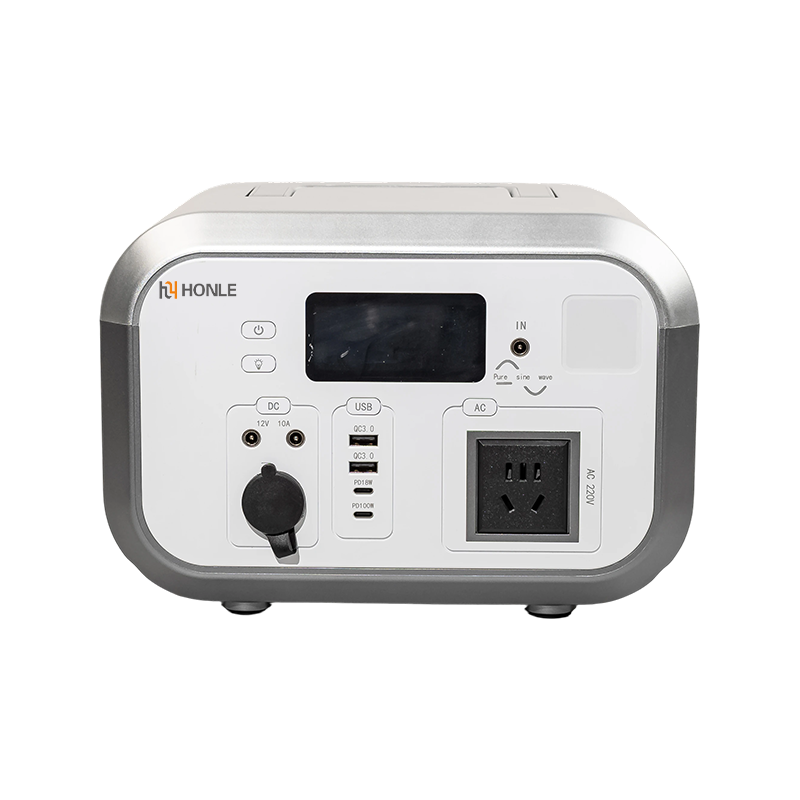
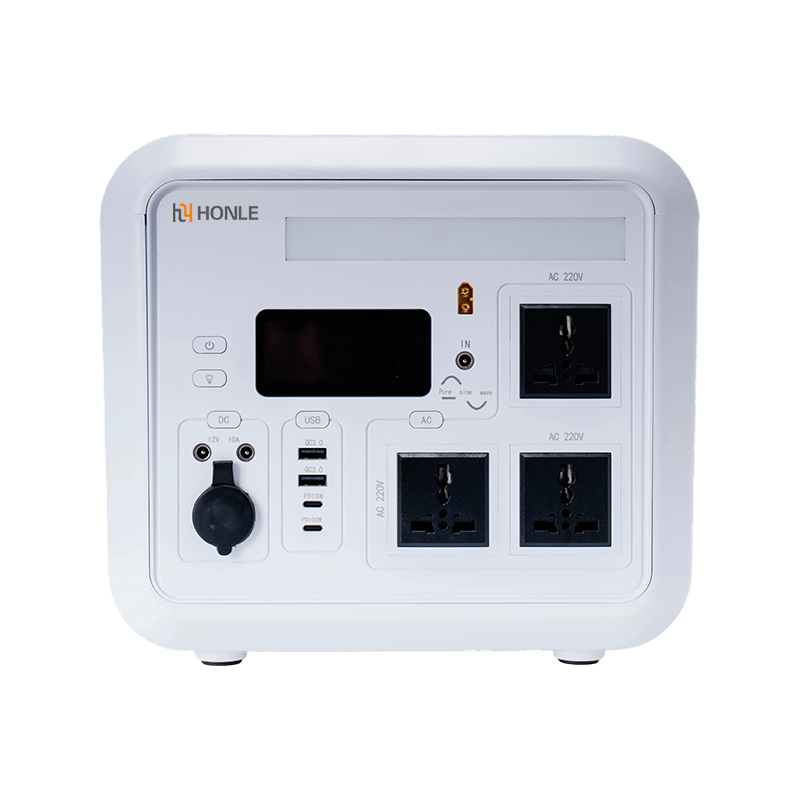
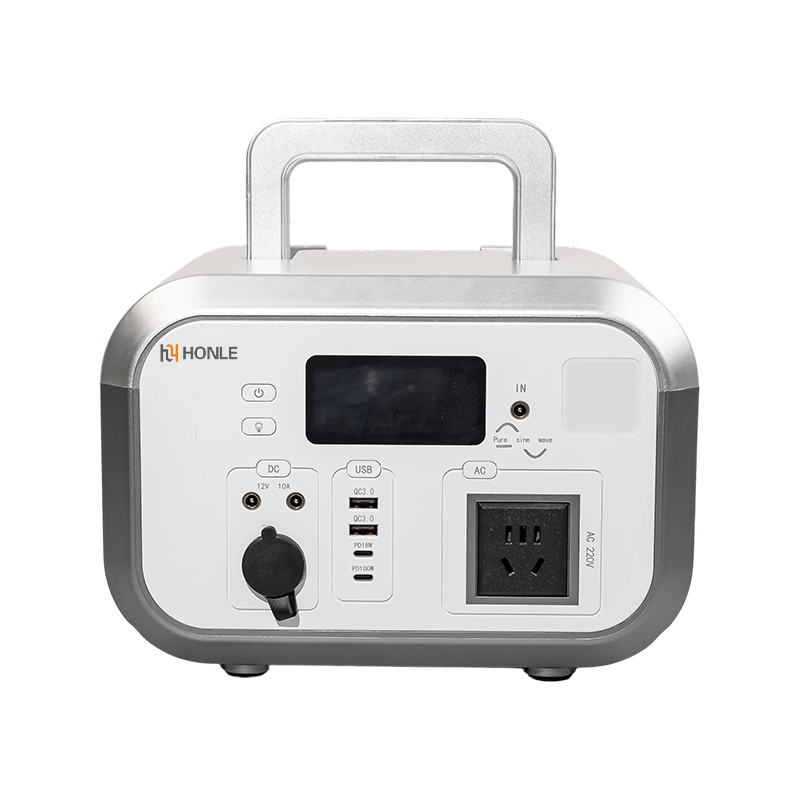
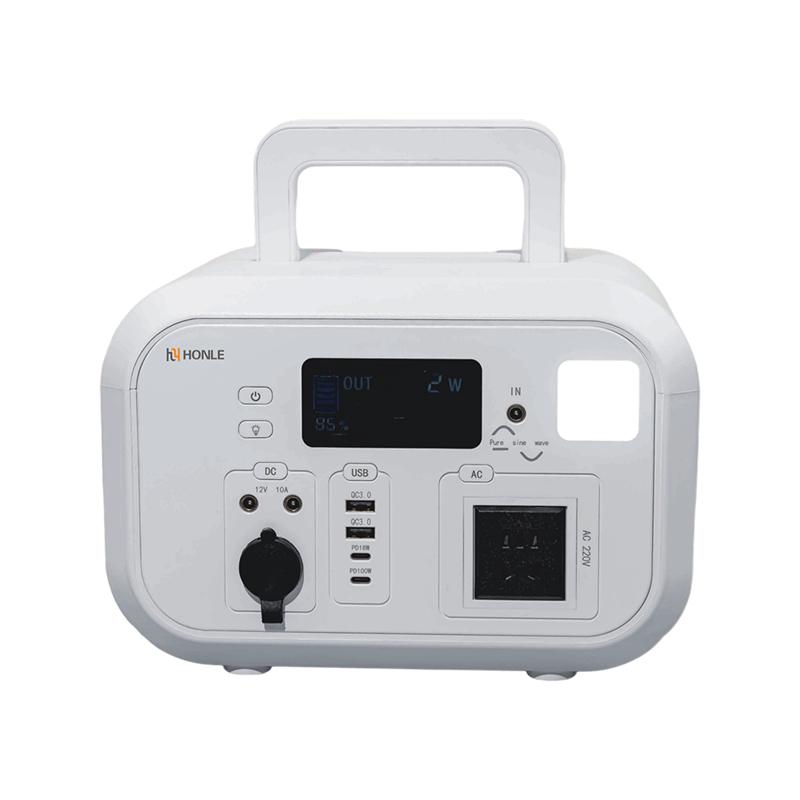
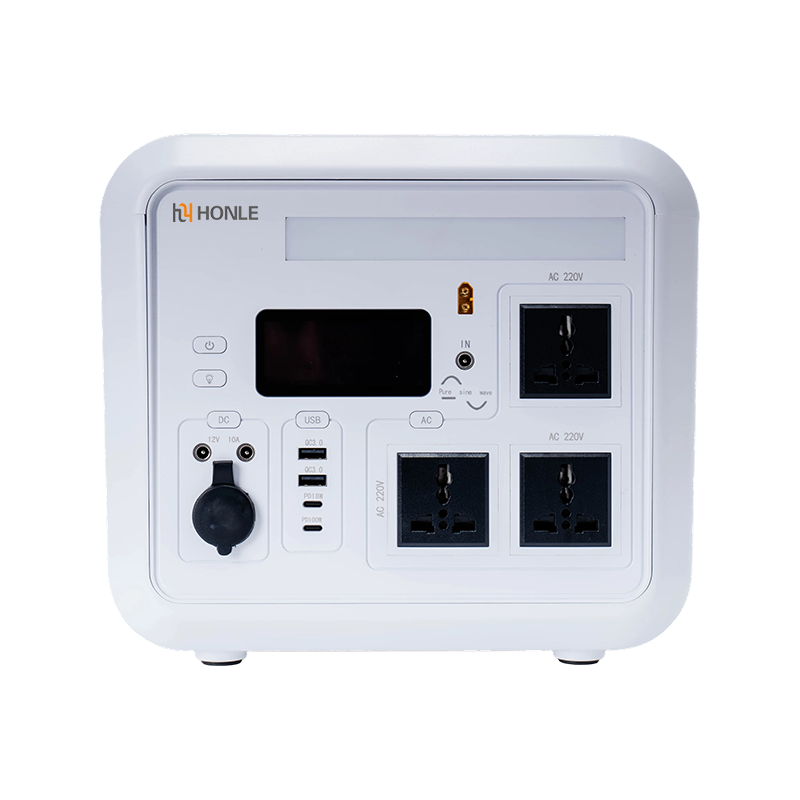
When your total running load sits near 1,000W, a 1200W outdoor portable power station can handle a small refrigerator, a laptop, and a few lights during an outage.
 1200W Portable Power Station for Home and Travel BackupThis 1200W unit can run a small refrigerator, laptop, and lights during an outage. With pure sine wave output and solar recharge capability, it suits camping, RVs, and emergency home backup.View Product →
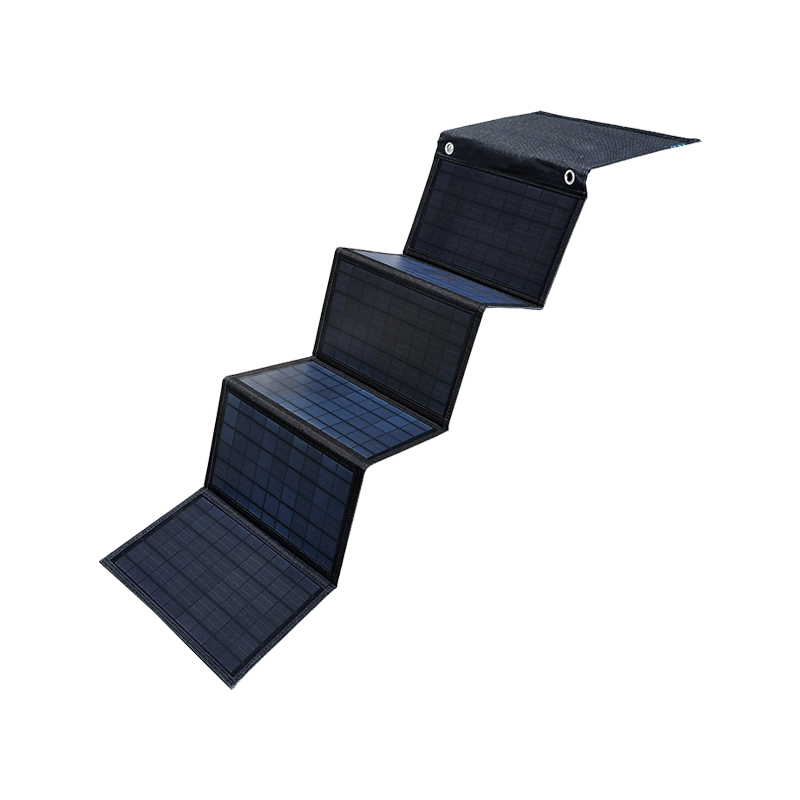
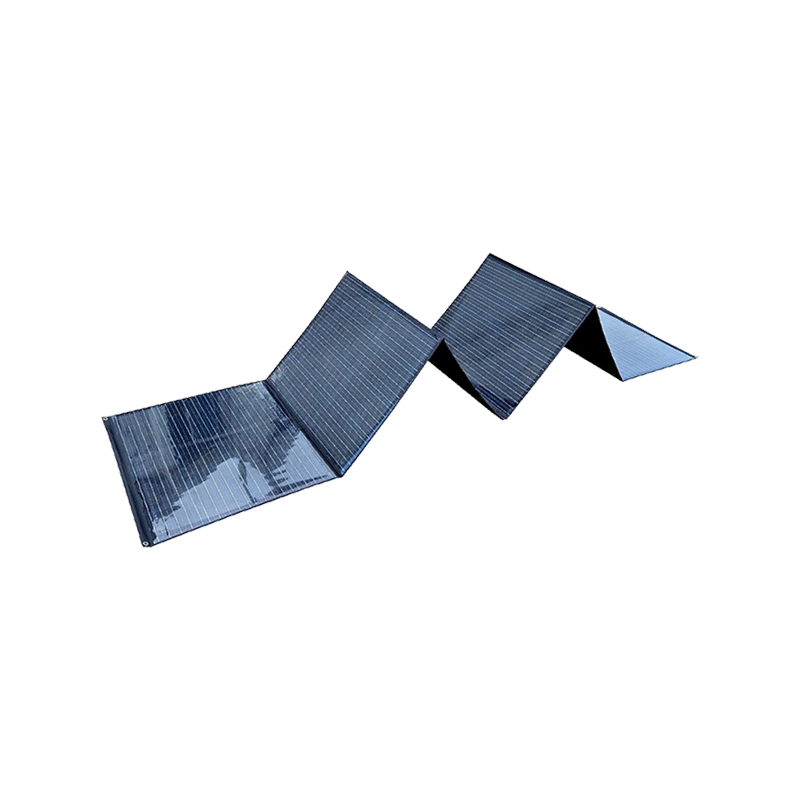
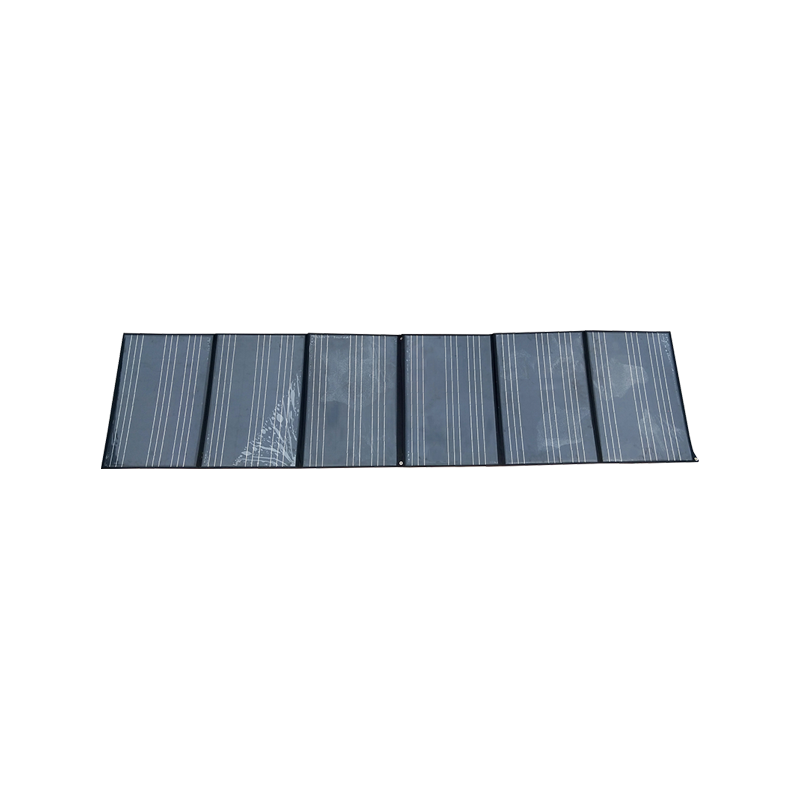
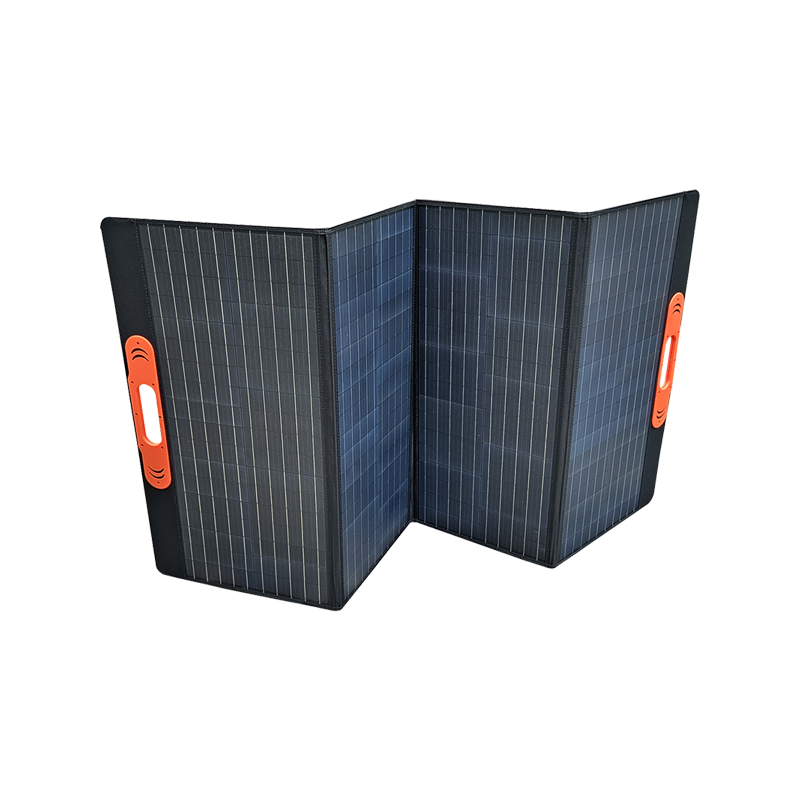
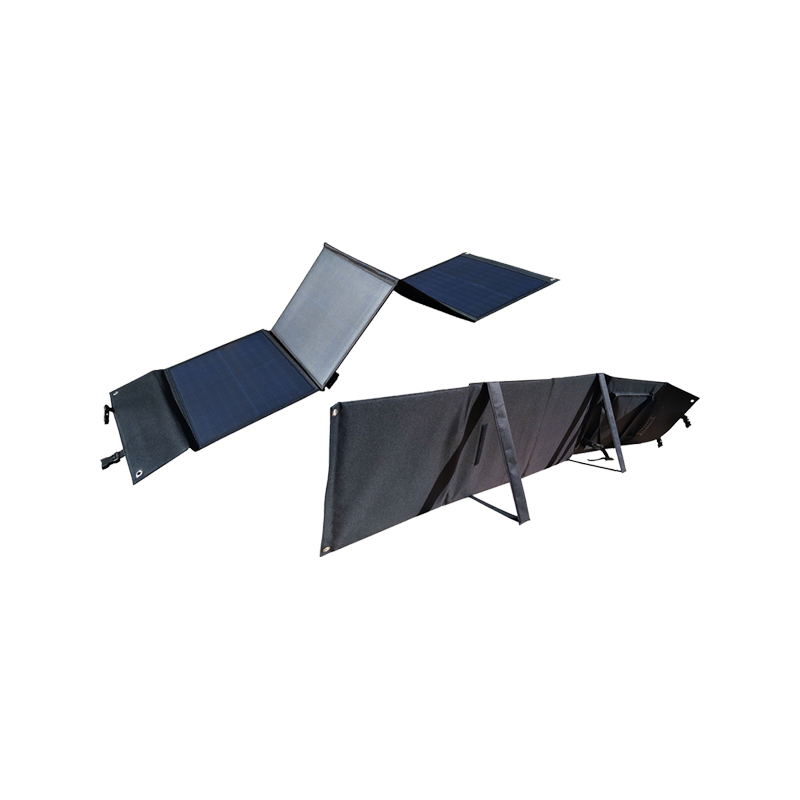
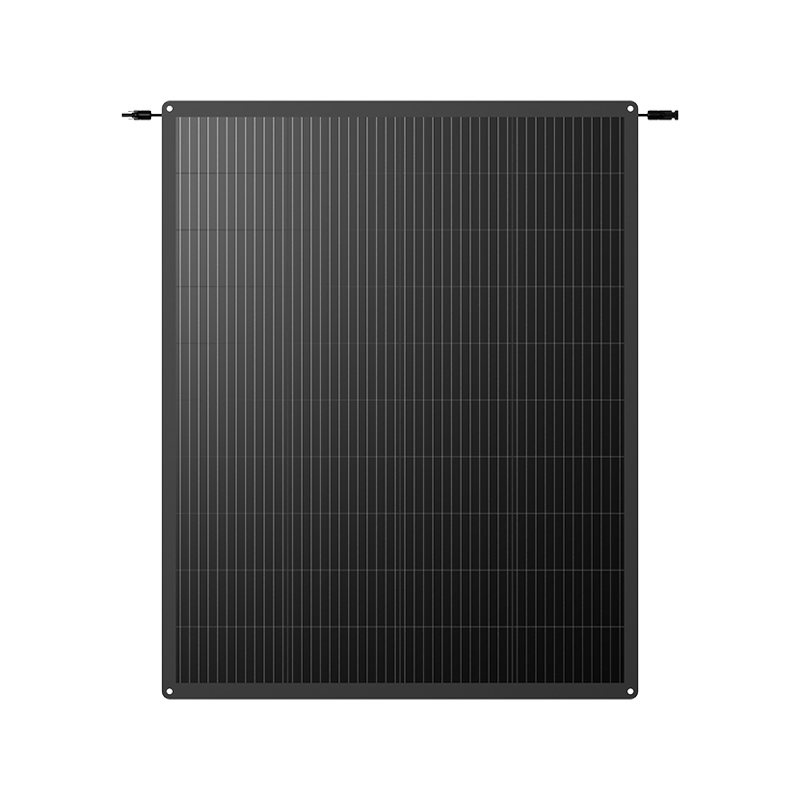
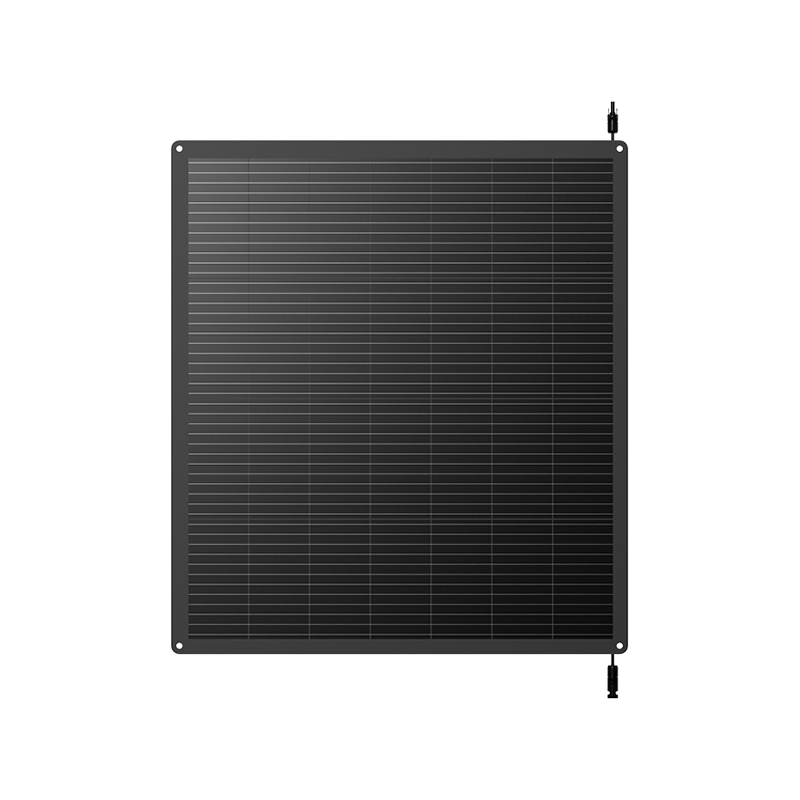
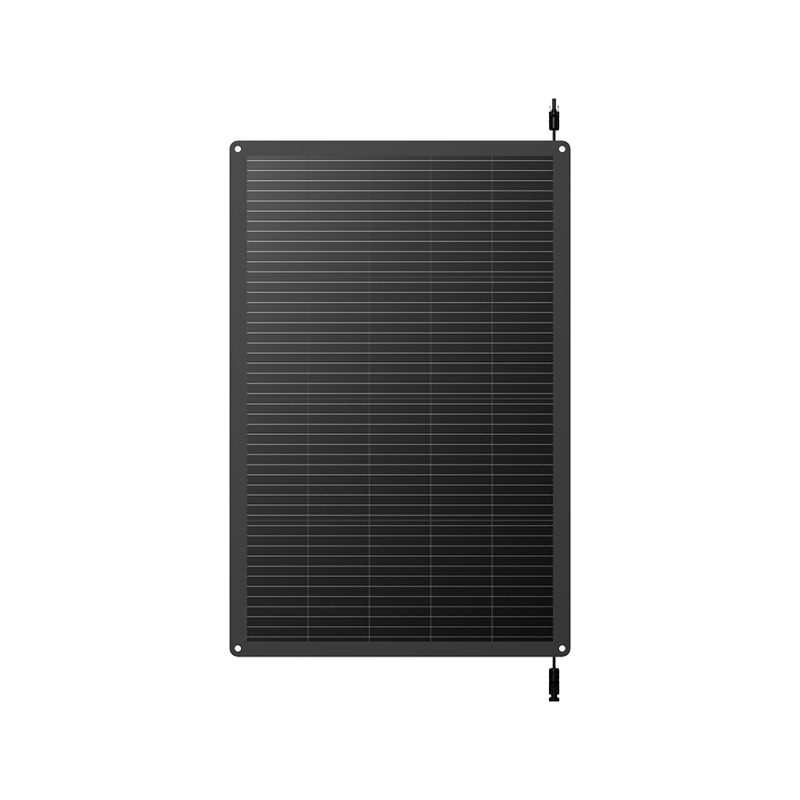
To keep it running through a multi-day event, pair it with a 600W foldable solar panel that recharges the battery during daylight hours.
 600W Foldable Solar Panel for Portable Power StationsThis 600W monocrystalline panel recharges batteries during daylight, ideal for multi-day events. Foldable and durable, it pairs with high-capacity stations to offset nightly consumption and extend off-grid autonomy.View Product →
You also need to plan for the daily deficit between solar generation and night-time use. If you consume 3kWh each night and your panels only deliver 2.4kWh during the day, the battery must bridge the remaining 0.6kWh plus evening loads. This gap is where homeowners oversize their battery and undersize their solar array.
Purchase Considerations That Prevent Costly Mistakes
Add Real Headroom
Do not size to exactly the sum of your loads. Motors and compressors need a surge reserve, and you will likely add another appliance later. A 20-30% margin protects you from nuisance shutdowns and extends the life of the equipment.
Account for Efficiency Losses
Inverters and batteries lose energy when converting DC to AC and while storing power. A 10-15% conversion loss is normal. Multiply your calculated load by around 1.15 to see what the battery must actually deliver. Many users ignore this and end up with a battery that is 10% too small on the first cold night.
Check the Peak Rating, Not Just the Continuous Rating
Portable power stations list both continuous and peak watts. The peak value may only last a few seconds. Use the continuous value for your running load and the peak value for surge matching. If the peak value is far below your refrigerator's starting surge, the station will trip even when the running load fits.
Use a Pure Sine Wave Inverter
Sensitive electronics such as laptops, CPAP machines, and some power tools prefer clean pure sine wave output. Modified sine wave can cause humming or premature shutdown. Check the waveform spec if you plan to power medical or computing devices. When unsure, choose pure sine wave equipment to keep your appliances running as intended.
Match the Size to the Job
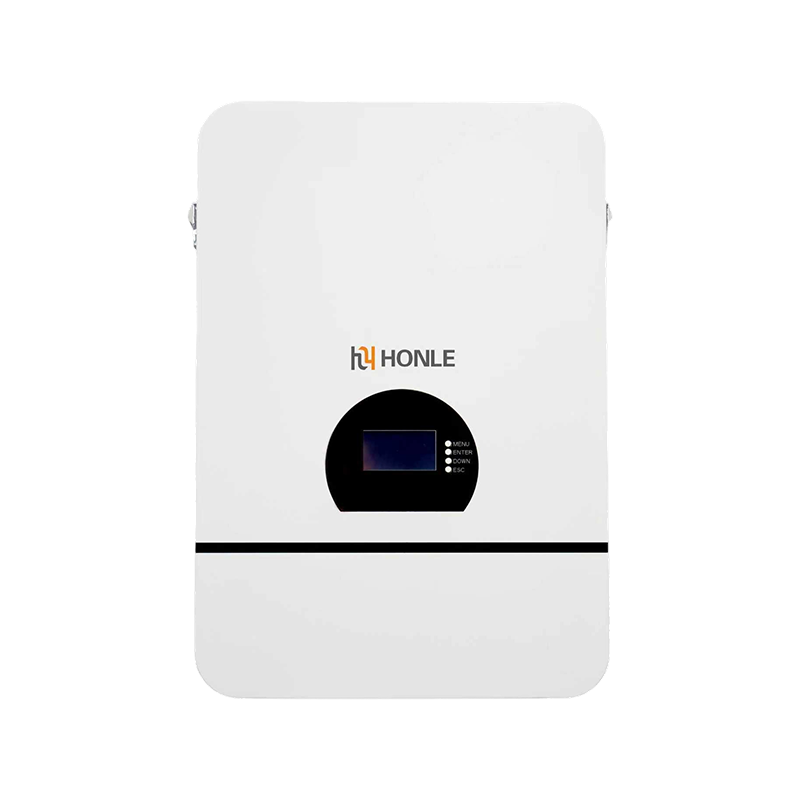
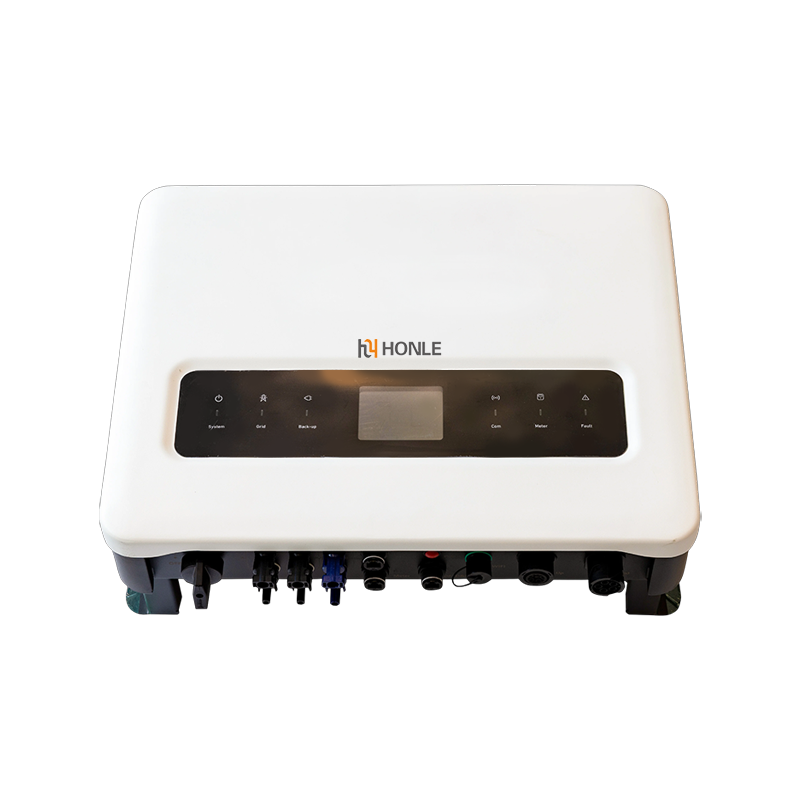
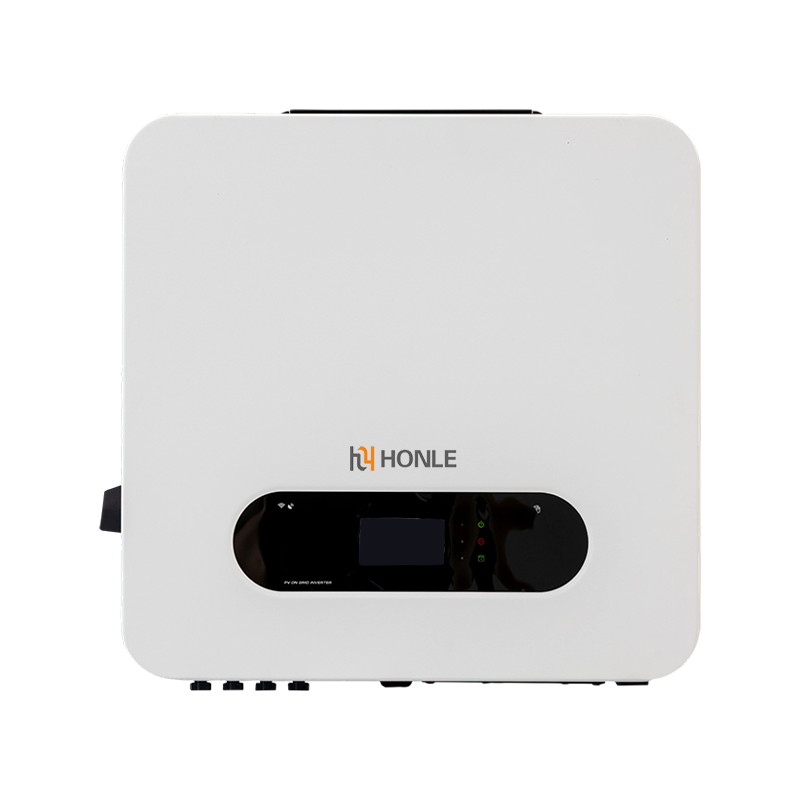
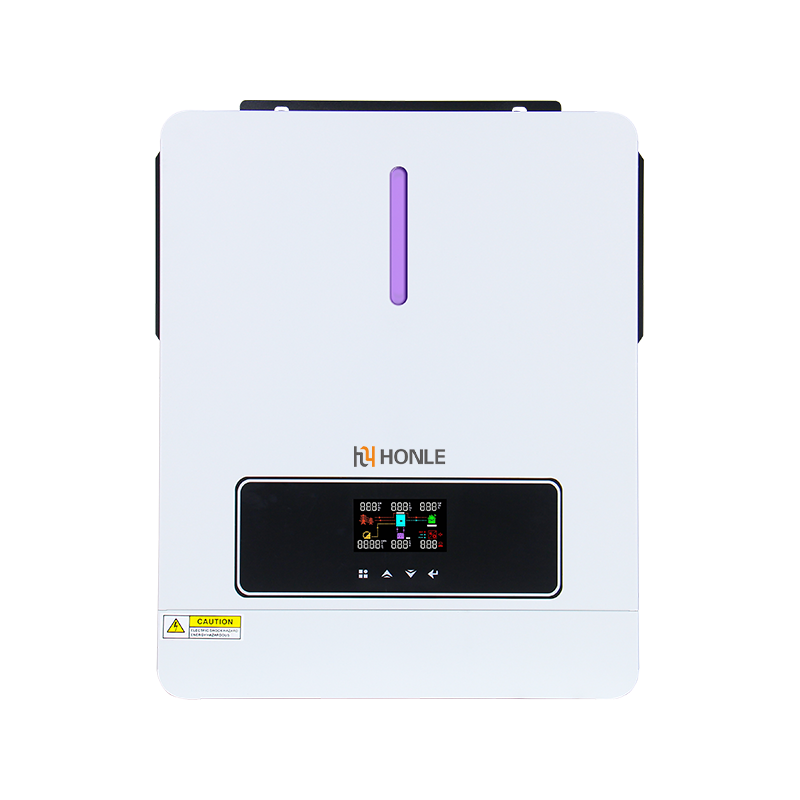
A 300W station is enough for a phone, a fan, and a small light. A 1,200W station covers a fridge and a microwave, while multi-kilowatt systems can run a significant part of a home during an outage. For a permanent home backup setup, a three-phase hybrid solar inverter can manage solar, battery, and grid input in one unit.
 Three-Phase Hybrid Solar Inverter for Home Energy StorageThis inverter integrates solar, battery, and grid in one unit, making it suitable for permanent backup. It offers remote monitoring, anti-backflow control, and unbalanced output support for reliable home power management.View Product →
Many homeowners begin with a wattage inventory before deciding where to place their backup system. Once you know your total load, designing a home solar and battery storage system becomes the logical next step.
Frequently Asked Questions
Q1: What is the difference between running watts and starting watts?
Running watts are the steady power a device needs once it is operating. Starting watts are the brief surge required to start a motor, compressor, or pump, usually 2-3 times the running figure and lasting only seconds. A power source must handle the peak before it settles into the running load.
Q2: How many watts does a typical refrigerator use?
A mid-size refrigerator uses around 150-200W while running and needs 800-1,000W to start its compressor. Daily consumption is typically 1-2kWh depending on door openings and climate. In a hot garage, that number can rise noticeably.
Q3: Can I run an appliance rated higher than my portable power station?
No. If the appliance's running wattage exceeds the station's continuous output, the station shuts down or trips. Surge wattage is just as important because the starting current can exceed the running value. Always compare the station's continuous rating to the total running load and its peak rating to the largest single surge.
Q4: Do I need pure sine wave output for all appliances?
Most resistive loads such as heaters, toasters, and light bulbs work fine on modified sine wave. Sensitive electronics, brushless motor tools, and medical devices are safer on pure sine wave, which matches the smooth shape of grid power. Check the specification sheet of your power source before use.
Q5: What size solar panel do I need to recharge a 1.2kWh battery?
Divide battery capacity by the usable peak sun hours in your location. In a 5-hour sun region, a 300W panel yields about 1.5kWh per day, enough to refill a 1.2kWh battery with margin. In a 3-hour sun region, you would need about 500W of panels for the same recharge.
Related products
News
-
You picked a flexible solar panel because it is light, bends over a curved RV roof or boat deck, and does not need a bulky rack. Then the b...
READ MORE -
Your commercial electricity bill may look like it is driven by total kWh, but an increasing portion is determined by how fast you use that ...
READ MORE -
A textile plant in Yangon keeps sensitive production lines running through unstable grid supply. A warehouse in Singapore uses battery stor...
READ MORE -
Honle New Energy Technology Participates in Industry Exhibition From September 8 to 10, 2026, Honle New Energy Technology Co., Ltd. partic...
READ MORE -
You have mounted solar panels, wired a battery bank, and installed an inverter. Yet your batteries never seem to reach full charge, or they...
READ MORE

PRODUCTS
LINKS
CONTACT
- Landline: +86-021-56981116
- TEL: +86-13795289200
- Email: [email protected]
- Address: 301-09, Building 6, Zhangjiang Microelectronics Port, No.690 Bibo Road, Pudong District, Shanghai
Copyright © Honle New Energy Technology Co., Ltd.
All Rights Reserved.
Wholesale Solar Energy Equipment Suppliers

This site uses cookies. By continuing to browse the site you are agreeing to our use of cookies. For more details about cookies and how to manage them see our 《Privacy Policy》
Accept