

 English
 Français
 Español
See Details
- Residential Energy Storage

- C&I BESS

- Large-Scale Centralized Energy storage

- Solar Panel

- Power Inverters

- Vehicle Lithium Battery


Industry News
Home / News / Industry News / Benefits of Residential Energy Storage: Backup Power, Lower Bills, Smarter Sizing
Benefits of Residential Energy Storage: Backup Power, Lower Bills, Smarter Sizing
Content
- 1 What Residential Energy Storage Actually Changes
- 2 Backup Power That Switches Over Before Your Clocks Reset
- 3 Lower Bills Through Time-of-Use Arbitrage and Self-Consumption
- 4 Why Storage Makes Solar Worth More on Your Roof
- 5 Grid Services and the Quiet Revenue Stream
- 6 Safety, Longevity, and the LFP Advantage
- 7 Sizing a System Around Loads, Not Just Kilowatt-Hours
- 8 How to Compare Quotes Without Getting Lost
- 9 Frequently Asked Questions

At 7 p.m. on a weekday, a typical 8 kW rooftop solar array is producing less than 1 kW. The dishwasher runs, the EV charges, and the household draws 4 kW from the grid at the most expensive hour of the day. Residential energy storage exists to close that gap. The benefits are not theoretical: they show up as fewer outage minutes, lower peak-rate charges, and, in some markets, direct payments for helping the grid.
Storage does not generate electricity. It moves value from low-price hours to high-price hours, and from grid-dependent hours to outage-proof hours.
What Residential Energy Storage Actually Changes
A home battery sits between your solar inverter, your main panel, and the grid. It charges from solar during the day or from the grid when power is cheapest, then discharges to your household loads when rates are high or the grid fails. The core components are a battery pack, a battery management system, and a hybrid or battery inverter that converts DC to AC.
Usable capacity matters more than nameplate capacity. A battery labeled 10 kWh with a 90% depth of discharge delivers about 9 kWh to your home. Round-trip efficiency for lithium iron phosphate systems typically falls between 85% and 92%, so every 10 kWh you put in returns roughly 8.5 to 9.2 kWh. Those two numbers, usable energy and round-trip efficiency, determine most of the financial and backup value you will actually receive.
Backup Power That Switches Over Before Your Clocks Reset
A gasoline generator takes 10 to 30 seconds to start and needs fuel, oil changes, and exercise runs. A properly installed residential battery transfers critical loads in under 20 milliseconds, faster than a computer power supply can register a dropout. That difference matters for medical devices, home offices, and the sump pump that keeps a basement dry.
The practical distinction is partial-load versus whole-home backup. A 5 kWh battery with a 5 kW inverter can run a refrigerator, internet router, lights, and a few outlets for 8 to 12 hours. A 20 kWh system with a 10 kW inverter can carry a well pump, furnace blower, and several rooms for a full day. Load management matters: pairing storage with a smart panel lets you de-energize the EV charger and dryer automatically so the battery lasts longer.
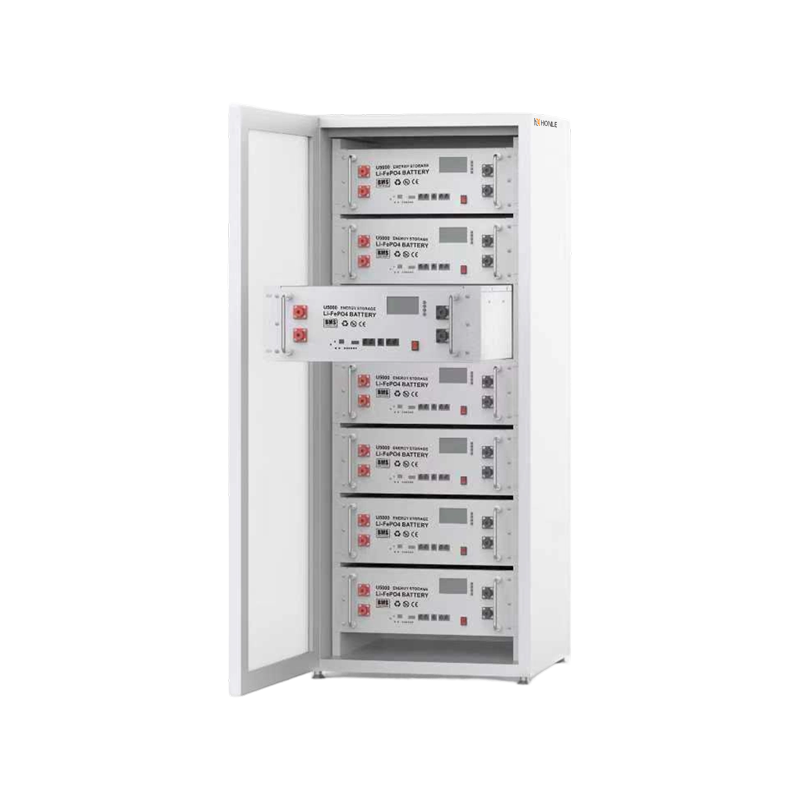
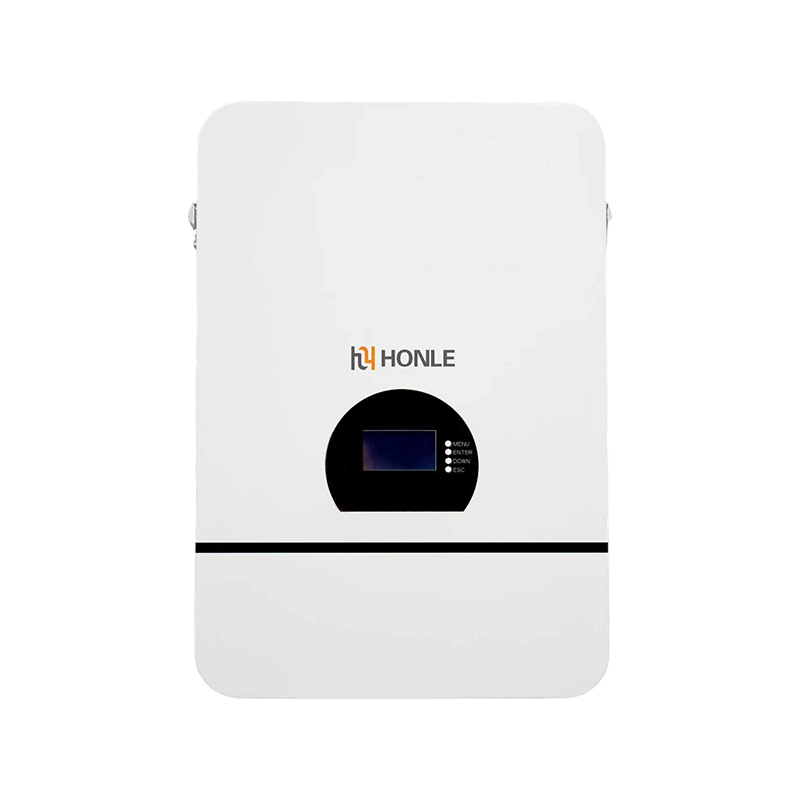 HLA Modular High-Capacity LiFePO4 Household Solar BatteryWall-mounted 2.56–17 kWh LiFePO4 storage with smart BMS and parallel expansion supports solar self-consumption, backup, peak shaving, and load shifting.View Product →
Lower Bills Through Time-of-Use Arbitrage and Self-Consumption
Many utilities now charge $0.30 to $0.50 per kWh during a 4 p.m. to 9 p.m. peak window and $0.08 to $0.15 per kWh overnight. A battery can charge at the low rate and discharge at the high rate. With a 90% round-trip efficiency, the math works when the peak-to-off-peak spread exceeds roughly $0.10 per kWh after efficiency losses.
$0.35Typical peak rate per kWh
$0.11Typical off-peak rate per kWh
90%Round-trip efficiency (LFP)
A household that shifts 10 kWh per day from peak to off-peak saves about $2.40 per day, or roughly $870 per year before accounting for weekend and seasonal variations. Self-consumption delivers a second layer: instead of exporting solar at a low net-metering rate, the battery stores it for evening use. That single change can lift solar self-consumption from 35% to 70% or more.
Why Storage Makes Solar Worth More on Your Roof
Solar without storage is a daytime-only asset. Export rates have fallen in many markets. California's net billing regime, for example, pays far less for exported power than it charges for evening imports. Storage captures that spread instead of giving it away.
The effect compounds over a system's life. A 10 kW solar array paired with 20 kWh of storage can cover 60% to 80% of a household's annual consumption, compared with 30% to 40% for solar alone in markets with low export compensation. One documented example is a 10 kW, 30 kWh residential PV and storage system that combines solar generation with overnight capacity. Systems at that scale typically serve a family home with an EV and a heat pump.
Grid Services and the Quiet Revenue Stream
In deregulated markets, utilities and aggregators pay homeowners to let them dispatch battery capacity during grid stress events. Programs vary widely: some pay a fixed annual fee of $100 to $300, others pay per event or per kilowatt of committed capacity. The battery owner keeps backup capability because these events are limited and typically last one to four hours.
The economics are strongest where a virtual power plant aggregates hundreds or thousands of home batteries. Participants often need a qualifying inverter and a battery that can respond to a signal in seconds. If your utility offers a demand response or virtual power plant tariff, the marginal value of storage rises without any change to the hardware.
Safety, Longevity, and the LFP Advantage
Most residential batteries sold today use lithium iron phosphate chemistry rather than nickel manganese cobalt. LFP cells are more thermally stable, which reduces fire risk under abuse conditions. They also tolerate deeper discharge and more cycles: a well-managed LFP pack can deliver 4,000 to 6,000 full cycles before falling to 80% of original capacity, which at one cycle per day corresponds to 11 to 16 years of service.
Warranties reflect that. A typical residential battery warranty covers 10 years or a specified throughput measured in megawatt-hours, whichever comes first, and guarantees at least 60% to 70% retained capacity. LFP also avoids cobalt and nickel, which simplifies supply chain and environmental reporting.
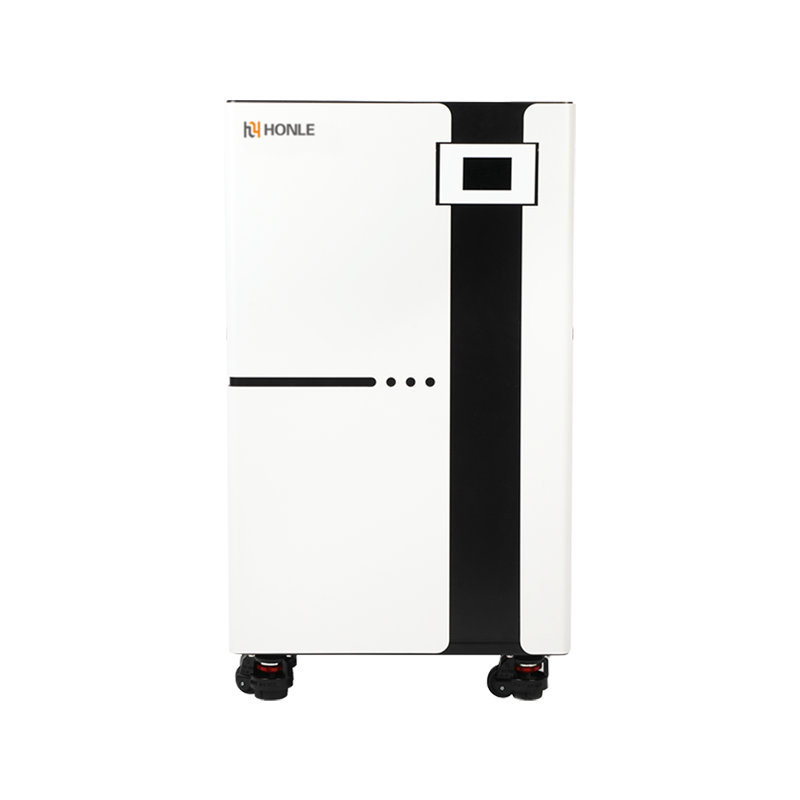
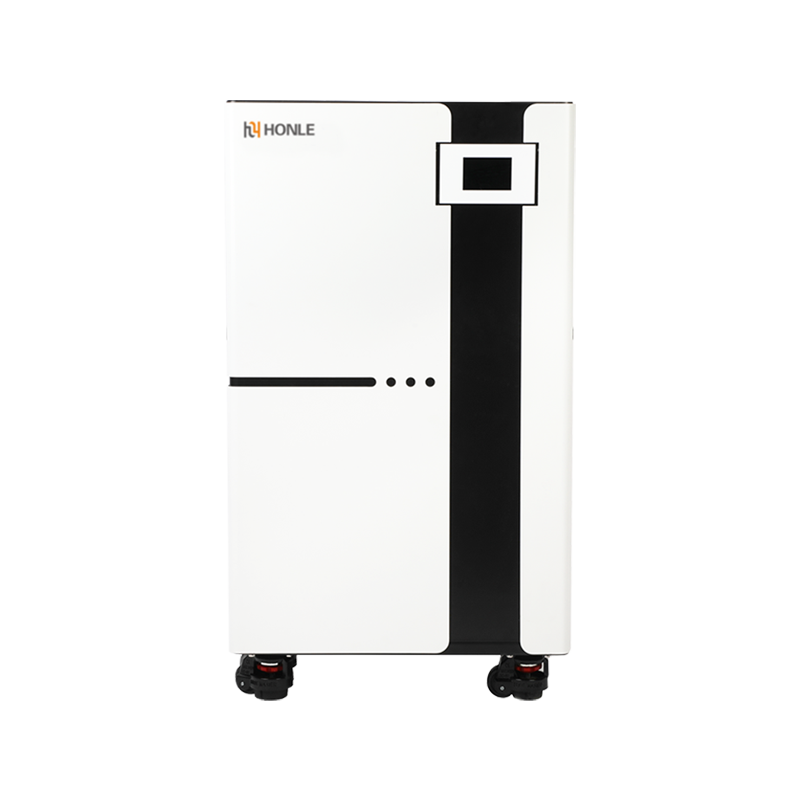
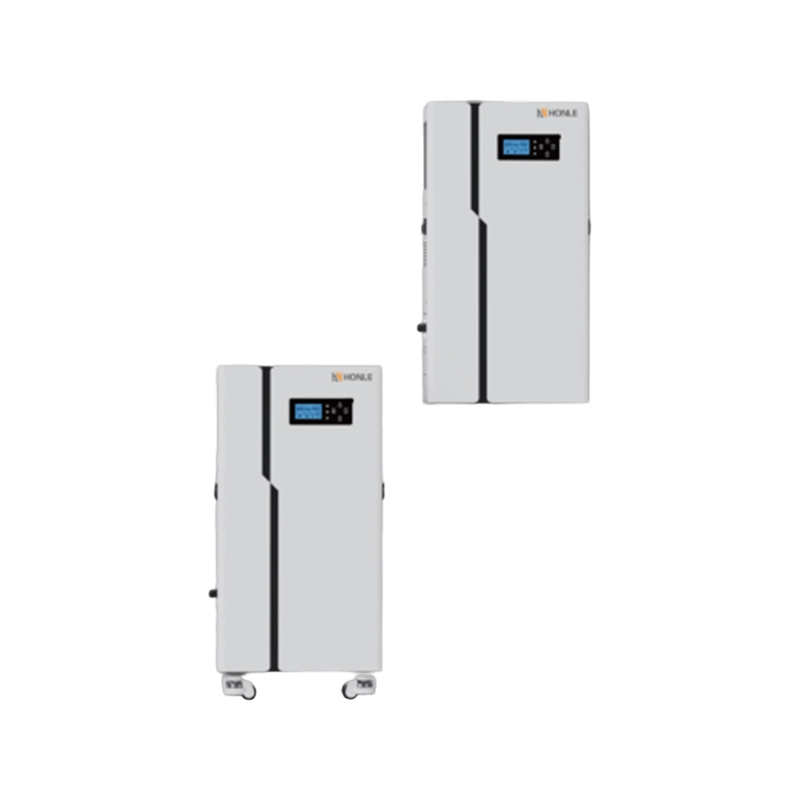 HLX Floor-Standing All-in-One Home Energy Storage SystemIntegrated floor-standing LiFePO4 battery and inverter offers 3–5 kW rated output for indoor solar backup, self-consumption, and peak shaving.View Product →
Sizing a System Around Loads, Not Just Kilowatt-Hours
Buyers often compare batteries by capacity alone, then discover the inverter cannot start a well pump or an air conditioner. Continuous power and surge rating matter as much as kilowatt-hours. A 10 kWh battery with a 5 kW continuous inverter will not run a 4-ton air conditioner with a locked-rotor surge of 12 kW. You either add a soft starter or choose a unit with a higher surge rating.
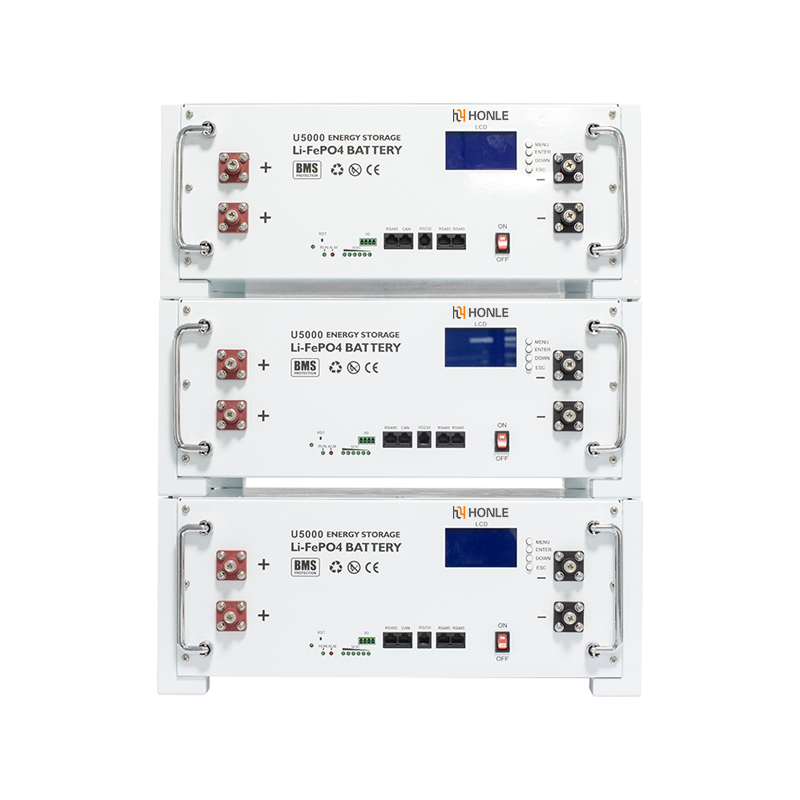
Start with a load list rather than a capacity target. Separate critical loads such as a refrigerator, internet, lights, and medical equipment from discretionary loads such as an EV charger, pool pump, or electric dryer. Then decide whether you want whole-home backup, partial backup, or purely bill-management operation. An all-in-one stacked battery system with modular 2.56 kWh or 5 kWh modules lets you start at 10 kWh and expand later without replacing the inverter.
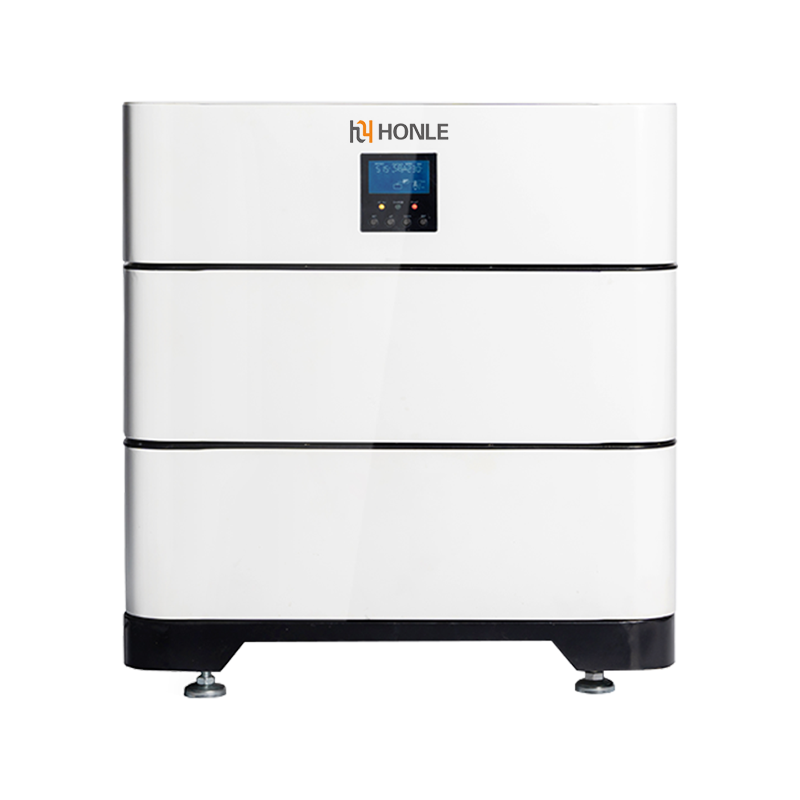
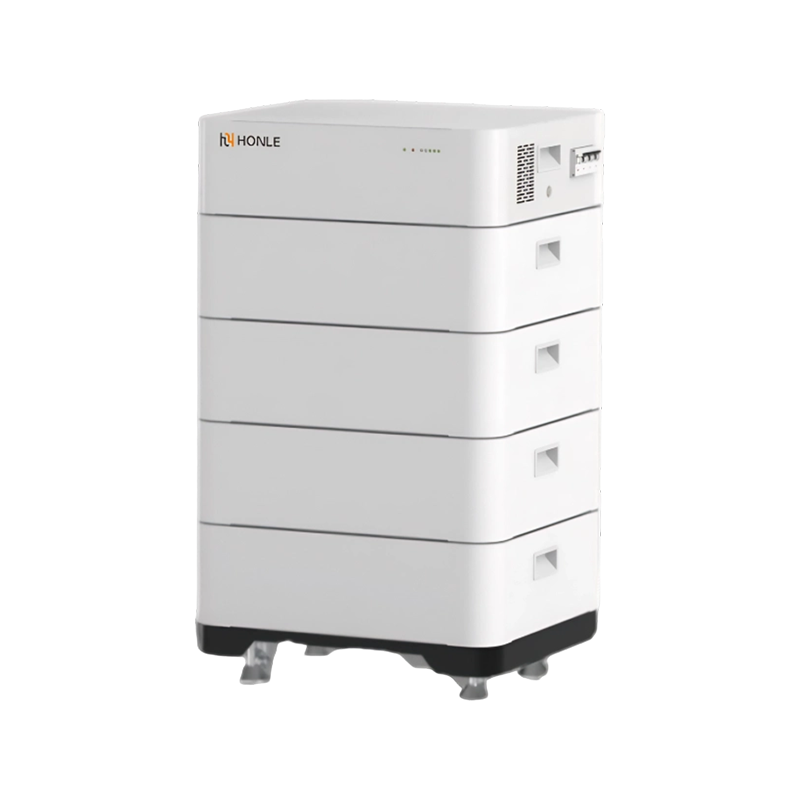
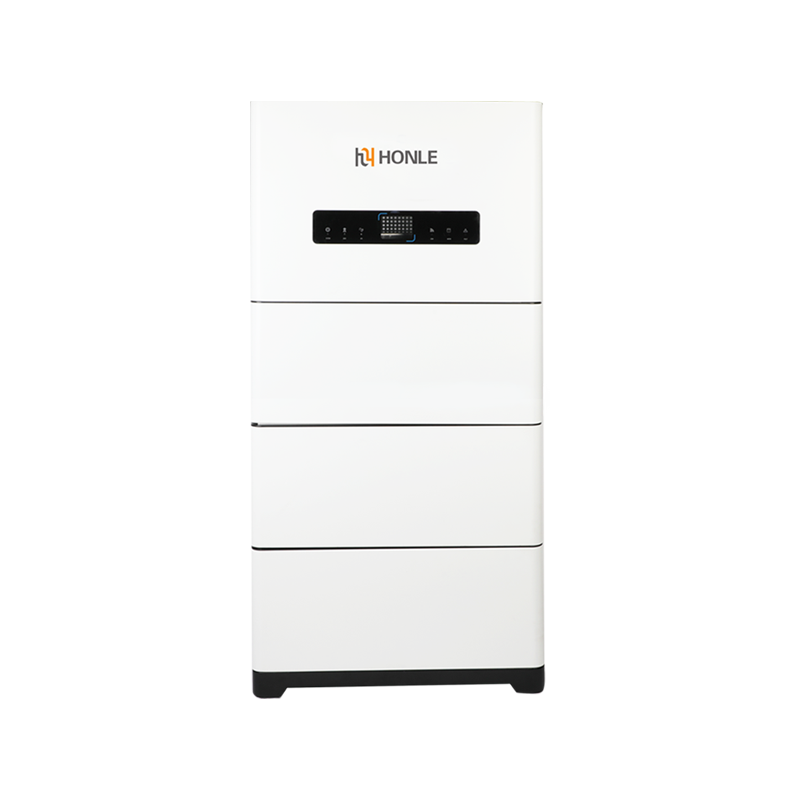 HLH High-Voltage Stacked Residential LiFePO4 Battery Energy StorageStacked high-voltage LiFePO4 system with hybrid inverter scales from 10.24 to 20.48 kWh for residential solar backup and load shifting.View Product →
How to Compare Quotes Without Getting Lost
Ask each installer for five numbers: usable capacity in kWh, continuous power in kW, peak surge in kW for 10 seconds, round-trip efficiency, and the warranty throughput limit. A quote that lists only a 10 kWh battery is incomplete. Confirm whether the price includes a hybrid inverter, critical load panel, permits, and monitoring hardware.
Certification is non-negotiable. Look for UL 9540 for the system and UL 9540A for cell-level thermal runaway testing in North America, or IEC 62619 for cells and IEC 62477 for power conversion equipment elsewhere. A homeowner-facing residential energy solutions page should state which standards the equipment meets. Finally, check expandability: adding a second battery later is far cheaper than replacing an undersized system.
Frequently Asked Questions
Q1: How long will a home battery run during an outage?
A 10 kWh usable battery powering a 1 kW average load lasts about 9 hours after efficiency losses. A 20 kWh system with a 2 kW average load lasts roughly the same in partial-backup mode. Whole-home backup with central air conditioning may drain the battery in 3 to 5 hours.
Q2: Do I need solar panels to install a home battery?
No. Standalone batteries can charge from the grid during off-peak hours and discharge during peak hours or outages. Adding solar improves the environmental and economic case, but it is not a technical requirement for most hybrid and AC-coupled systems.
Q3: What size battery do I need?
Sizing depends on your critical load list and outage duration target. A common starting point is 10 kWh for partial backup and 20 kWh to 30 kWh for whole-home resilience. Homes with electric heat, EV charging, or well pumps typically need the larger end of that range.
Q4: How long does a residential battery take to pay for itself?
Payback depends on rate spreads, solar self-consumption gains, and incentives. In markets with high peak-to-off-peak spreads and available tax credits, typical payback ranges from 6 to 12 years. Battery systems also tend to outlast their payback period, with 10 to 15 years of useful life.
The benefits of residential energy storage come down to timing: storing energy when it is cheap or abundant and using it when it is expensive or unavailable. Backup power, bill reduction, higher solar self-consumption, and grid-service revenue all flow from that single capability. Size the system around your loads, verify the certifications, and confirm the warranty throughput before you sign.
Related products
News
-
Honle New Energy Debuts at 140th Canton Fair, Joining Hands with Global Clients to Expand the Renewable Energy Market In October 2026 (Octo...
READ MORE -
At 7 p.m. on a weekday, a typical 8 kW rooftop solar array is producing less than 1 kW. The dishwasher runs, the EV charges, and the househ...
READ MORE -
At 11 a.m. on a bright day, a 6 kW rooftop array can produce more electricity than the house is using. By 8 p.m. the same house is drawing ...
READ MORE -
Pull a floor standing battery out of a flooded utility room and the damage tells the story faster than any datasheet: watermarks a few cent...
READ MORE -
You picked a flexible solar panel because it is light, bends over a curved RV roof or boat deck, and does not need a bulky rack. Then the b...
READ MORE

PRODUCTS
LINKS
CONTACT
- Landline: +86-021-56981116
- TEL: +86-13795289200
- Email: [email protected]
- Address: 301-09, Building 6, Zhangjiang Microelectronics Port, No.690 Bibo Road, Pudong District, Shanghai
Copyright © Honle New Energy Technology Co., Ltd.
All Rights Reserved.
Wholesale Solar Energy Equipment Suppliers

This site uses cookies. By continuing to browse the site you are agreeing to our use of cookies. For more details about cookies and how to manage them see our 《Privacy Policy》
Accept